John Atashian // Getty Images
1 / 2When it comes to rights to voice and likeness, there are parallels to the past
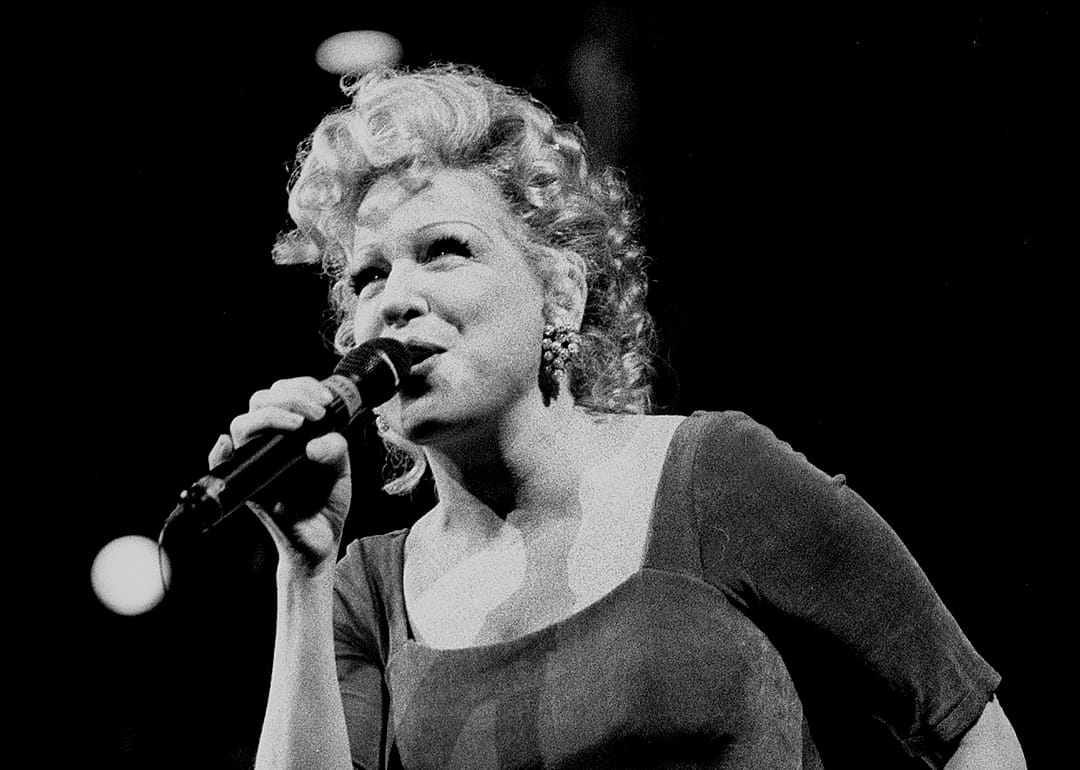
Scarlett Johansson's case is not without precedent. Consider the Midler v. Ford lawsuit in the 1980s. The Ford Motor Company's ad agency attempted to hire famed singer and actor Bette Midler to sing for a television commercial. When she declined, the company went on to hire one of Midler's former backup singers, instructing her to sound as much like the "Do You Want to Dance" singer as possible. The resulting piece was so convincing that many viewers thought that Midler herself was singing in the commercial. Midler sued Ford, and eventually, a court ruled that imitating a famous singer's voice without their consent was unlawful.
A similar lawsuit between Frito-Lay and singer Tom Waits took place in the early 1990s when the company tried to hire Waits to sing a jingle advertising their new Salsa Rio Doritos. Instead, the advertising agency hired by Frito-Lay found a professional musician to record a jingle similar to "Step Right Up," a song by Waits featuring his distinctive deep, gravelly vocals. Waits sued the ad agency and Frito-Lay for violating his right of publicity and for false endorsement. Witnesses during the trial testified that they believed Waits sang the Frito-Lay jingle, when in fact he did not. The jury eventually awarded Waits $2,475,000 in damages.
According to an analysis by Casetext, neither Midler nor Waits would have won their cases had they sued for copyright infringement, since Ford obtained the right to use Midler's song, and Waits did not own the rights to his. But as public persons with distinctive voices, making the case that their "rights to publicity" were violated was relatively easier. As a major celebrity who has done extensive voice-over work, Johansson's voice is considered distinctive; she could also build a compelling case against OpenAI if she were to pursue legal action.
This right to publicity is a legal precedent that gives individuals the exclusive right to use their image. This means no one can use an individual's likeness to falsely claim that they endorse a product. This is especially detrimental for those in the public eye but can also affect everyone else. However, only around half of states recognize this right, according to the Legal Information Institute at Cornell Law School.
When it comes to unauthorized impersonations, the rest of us probably do not need to worry about major companies duplicating our voices for their commercials. Deepfakes of everyday people are much more likely to be used for mischief. According to Kristelia García, a law professor at Georgetown University, it is illegal to use someone else's voice without their consent. But the law gets murky when it comes to AI replicas. Some legal jurisdictions have stronger laws on this issue than others.