Gorodenkoff // Shutterstock
1 / 2AI in the real world
AI models are proving effective not just on medical exams. Earlier this year, scientists reported using AI to analyze blood samples of patients to identify levels of particular proteins associated with Parkinson's disease. The researchers say the algorithms they used could help them predict the onset of Parkinson's seven years before any symptoms showed up.
Meanwhile, Google is developing technology that will analyze the sounds of people's coughs recorded by smartphones to detect diseases such as tuberculosis or chronic obstructive pulmonary disease, commonly known as COPD. Researchers at UC Davis have recently built a machine-learning model to identify people at risk of liver disease based on their demographic traits and medical histories.
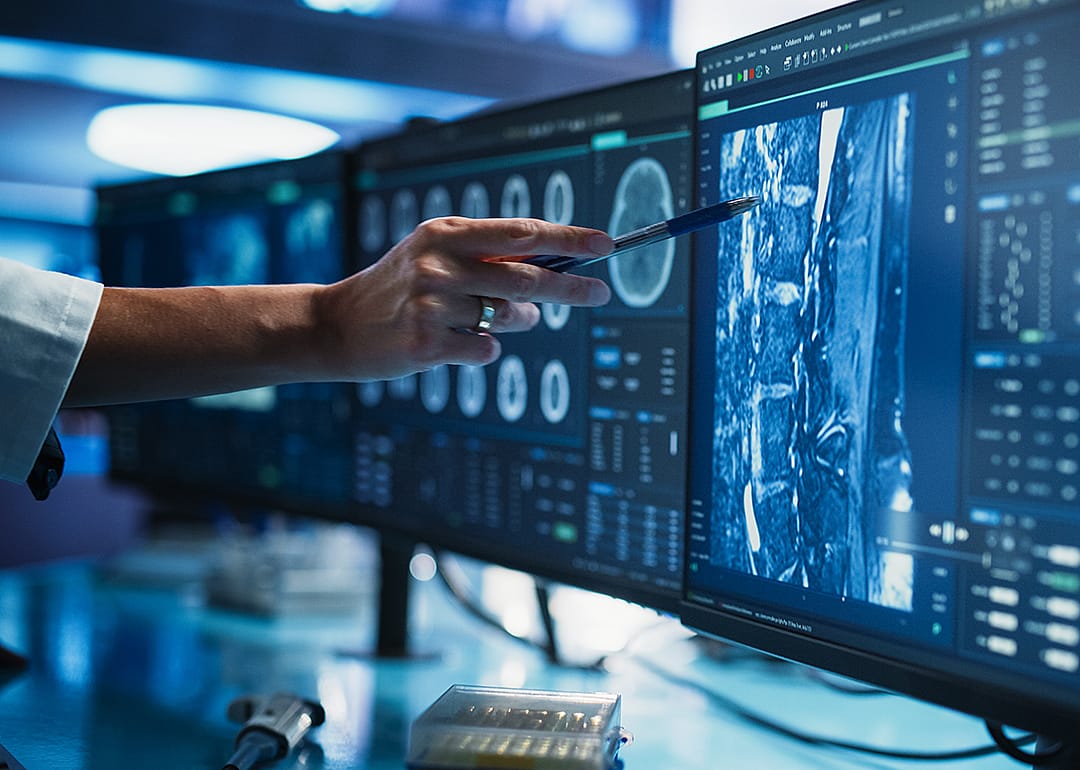
For years, there has been speculation that AI would replace certain medical professionals, particularly radiologists, whose jobs require interpreting images such as X-rays to identify anomalies and diagnose diseases. Yet, much like self-driving cars, despite rapid advancements and quick deployment, machines have not yet displaced humans.
Part of the problem is that radiology is complex. While current AI systems have shown that they can outperform human doctors at specific tasks, no AI system has yet demonstrated that it can take on all the tasks done by medical professionals. Health care is a highly regulated industry. Doctors and lawmakers may not be satisfied until machines have developed to the point where it becomes obvious that they should take the lead. Other tech advancements, such as self-driving cars, face similar concerns and regulations as they became more common.