Deb Cohn-Orbach/UCG/Universal Images Group // Getty Images
1 / 2Faster, smarter, greener
Digital payments, facilitated by QR codes and card readers, allow passengers to access buses and train stations using apps or third-party payment systems, like e-wallets.
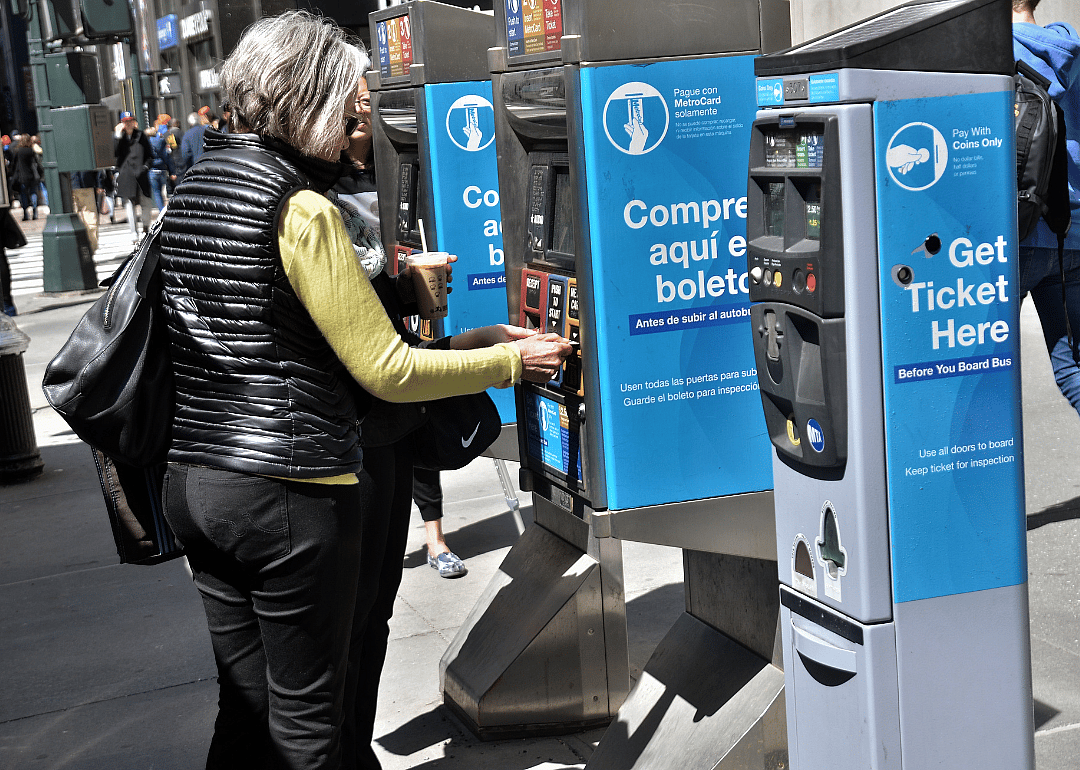
Mobile fare payments are becoming increasingly popular. Credit card company Visa reported it launched over 870 contactless payment projects on public transit systems globally through 2024. Contactless payment methods speed up the boarding process, eliminating the need to line up at ticket vending machines or count the exact change needed for bus fares. They can also lower the barrier to entry for infrequent users, who need to spend more time learning how the payment system works before they ride, potentially slowing down their transit journeys.
Using a contactless digital payment method also creates time-stamped, location-based ridership data for every trip, whereas farecards only collect information when bought or reloaded. For public transit agencies, having access to this large-scale data sheds light on how passengers use their systems and how they can better allocate service.
Many transit agencies have also adopted GPS technology on board buses and trains, allowing riders to track their real-time location and arrival times from their phones. Access to up-to-date information, instead of relying solely on static timetables, enables passengers to cut down on the time they spend waiting for the bus or train by timing it so they get there at the right moment. Over the past decade, multiple studies have found that real-time information increased passenger satisfaction and led to slight increases in transit use.
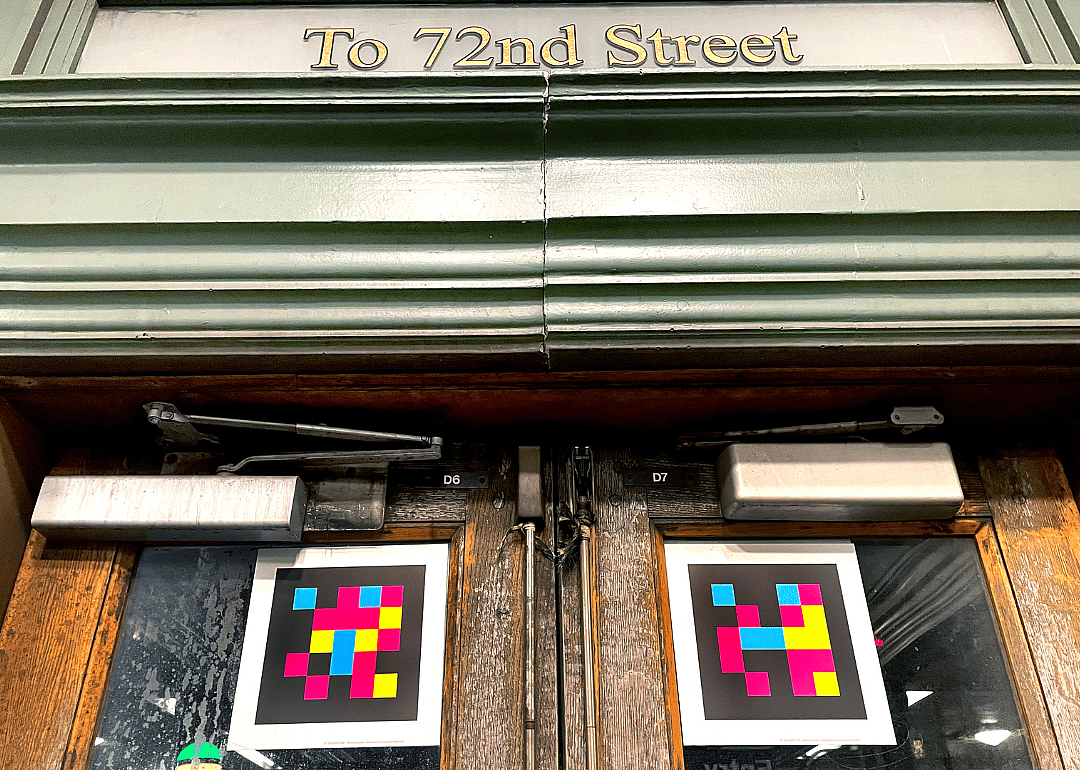
In many cases, QR codes have also become tools of accessibility. Cities like New York, Barcelona, and San Antonio have installed colorful tags by NaviLens that give visually impaired passengers and non-English speakers real-time arrival information. These codes are placed at bus stops and train entry points so an app can detect them and read audio directional cues to help passengers navigate unfamiliar transit locations like a sighted person would by reading physical signage.