Tada Images // Shutterstock
1 / 2Regulators take aim at Big Tech
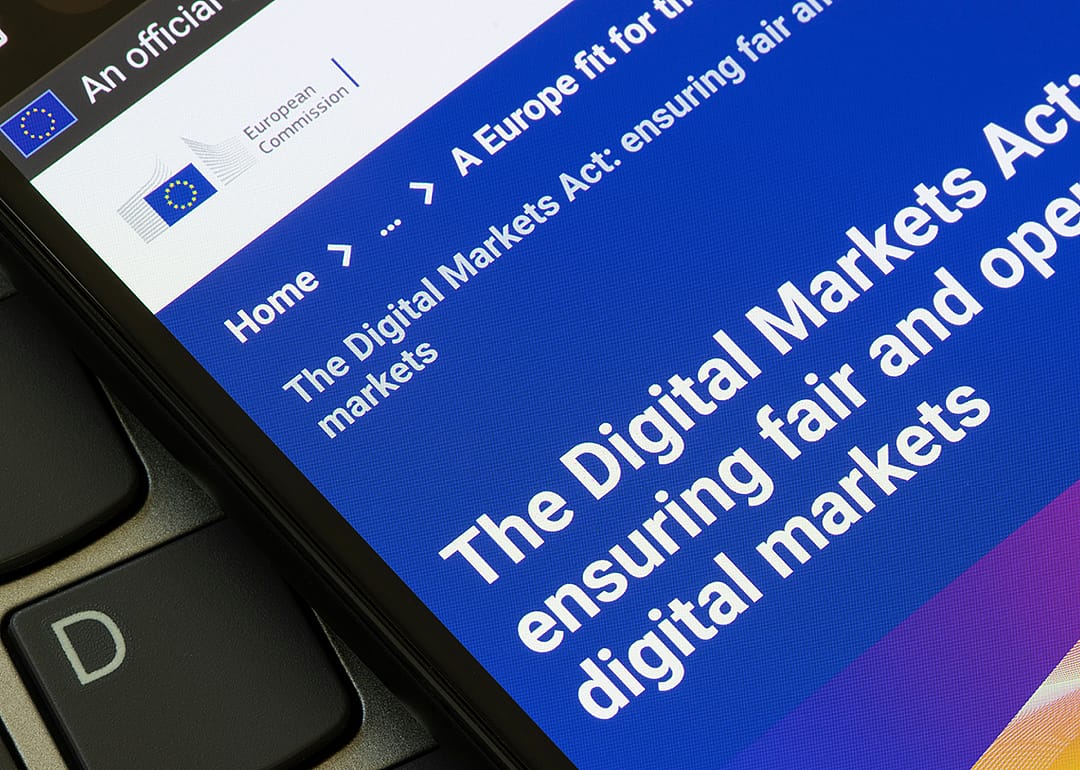
The Digital Markets Act, implemented in 2023, was a major regulatory change in the EU that requires platforms to be "interoperable" in order to bolster competition by preventing users from being locked into a particular tech company's ecosystem. Apple argues that these regulations place its users' privacy at risk.
The DMA boosts competition by regulating "gatekeeper" platforms—large tech companies that act as intermediaries between businesses and consumers. It aims to prevent these platforms from abusing their market power and to ensure fair competition in digital markets. In addition to Apple, the DMA also covers Alphabet (Google's parent company), Amazon, ByteDance (the creators of TikTok), Meta, and Microsoft. Other companies could be affected, too.
The DMA has already led to many changes for EU consumers, including the ability to install apps from alternatives to Apple's app stores. Currently, Apple charges developers a fee of up to 30% on purchases consumers make on the app store. If users are free to download apps from where they want, the result could be cheaper software.
Less expensive apps, more consumer autonomy and privacy, and greater market competition may seem like a win, but there are drawbacks to the regulation. Some EU Facebook and Instagram users also face a difficult choice between either paying for a subscription to use the apps or allowing the company to collect data about them to run targeted ads.
In July, however, the European Commission announced Meta (the parent company of Facebook and Instagram) was in violation of the DMA through what regulators called a "pay or consent" model in its social media apps. The Commission argues that this violates users' right to "freely consent" to the use of their personal data.