Tile
1 / 2The rise of low-cost carriers
Southwest Airlines is credited with innovating the low-cost carrier business model. After 1978's pivotal Airline Deregulation Act, the federal government could no longer regulate routes, fares, or even whether a new airline carrier could exist. The law was intended to increase competition among airlines, which would, in turn, lower ticket prices.
Enter Southwest.
While established airlines had historically focused on business travelers, Southwest marketed "no-frills" flights to leisure travelers on a tight budget. These everyday travelers prioritized cost over luxury, and airlines were able to accommodate demand by offering lower prices with trimmed amenities.
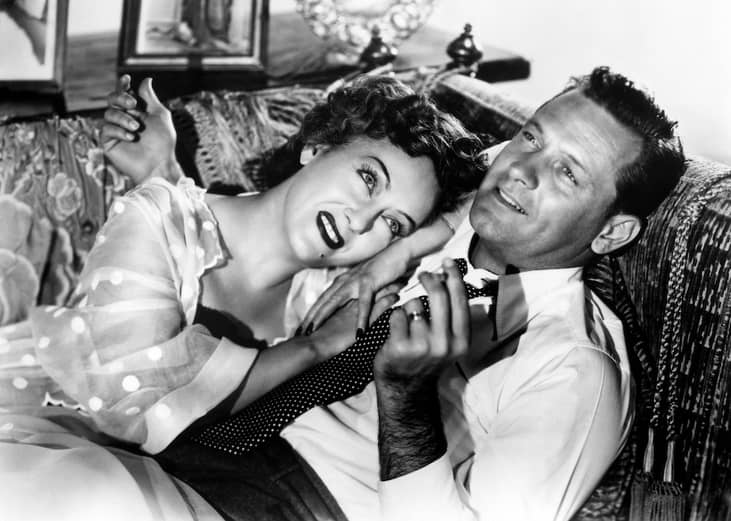
Airlines changed their business models to focus on selling more seats per scheduled flight, which led to adding more seats on aircraft while decreasing average legroom. Low-cost carriers were best positioned to offer no-frills flights and streamlined their offerings to low baseline ticket costs with more complex fee structures. It was a big shift from the "golden age of travel" that lasted from the 1950s through most of the 1970s and emphasized the luxurious style popular at the time: Think ample legroom, multiple-course meals, and free-flowing champagne.
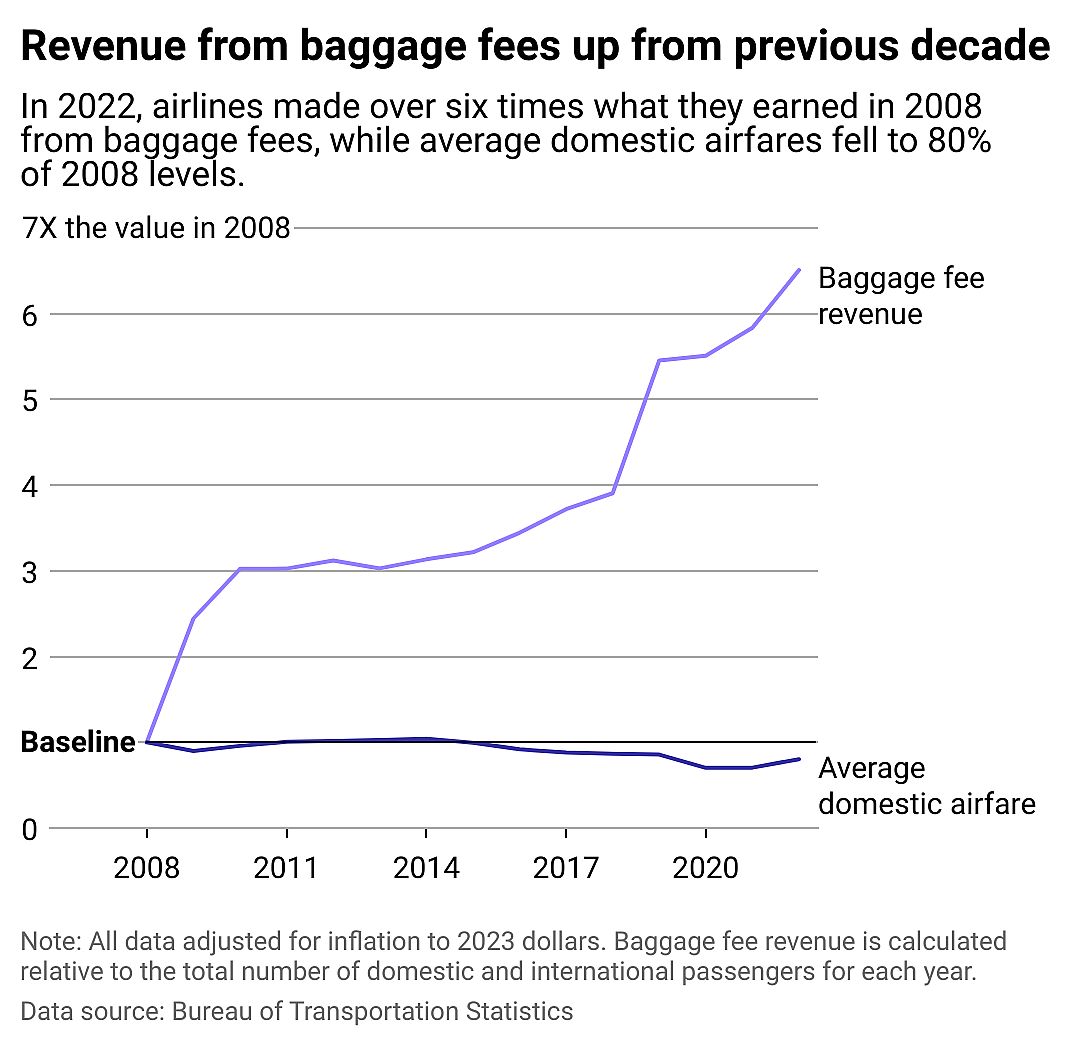
Some passengers complained about the lack of quality, but it wasn't proportional to the number of new passengers who could now afford to fly. These new budget-conscious flyers had lower service expectations based on the lower price point. Airfares decreased significantly since the Airline Deregulation Act due to the increased competition. In 1975, 209 million passengers flew; in 2019, 930 million took to the skies.
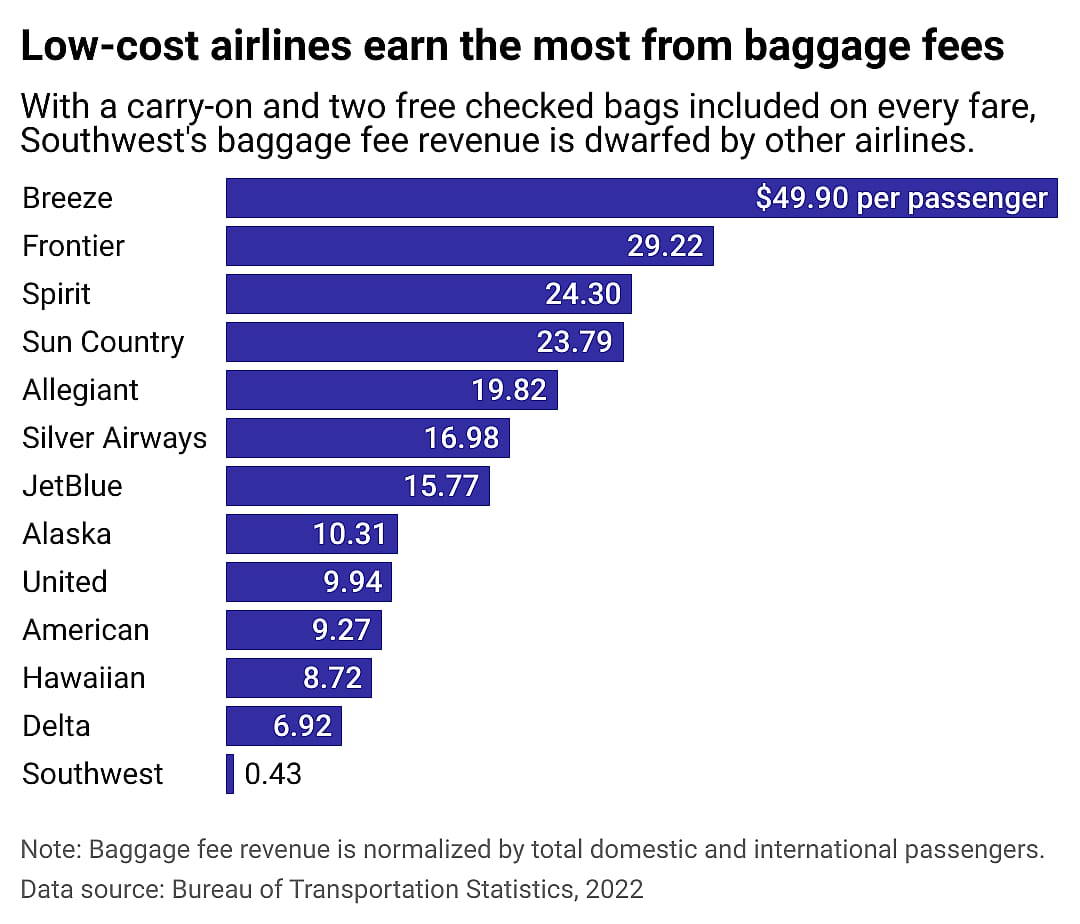
More people flying meant more competition. The low-cost model has taken off with Frontier, Spirit, Allegiant Air, and Sun Country Airlines all in operation (and competition) in the U.S. They typically don't offer in-flight snacks or entertainment and charge additional fees for carry-on bags and seat selection. Low-cost airlines proved so effective that even full-service carriers like United Airlines, American Airlines, and Delta Air Lines have adopted basic economy fares to stay competitive.
However, the distinguishing factor between budget airlines and full-service carriers is not the frill-free, low-cost airfares but the cost of their operating expenses. Budget airlines keep these low in myriad ways, from maximizing the number of passengers on each flight to only having one airplane model in their fleet, simplifying training and maintenance.