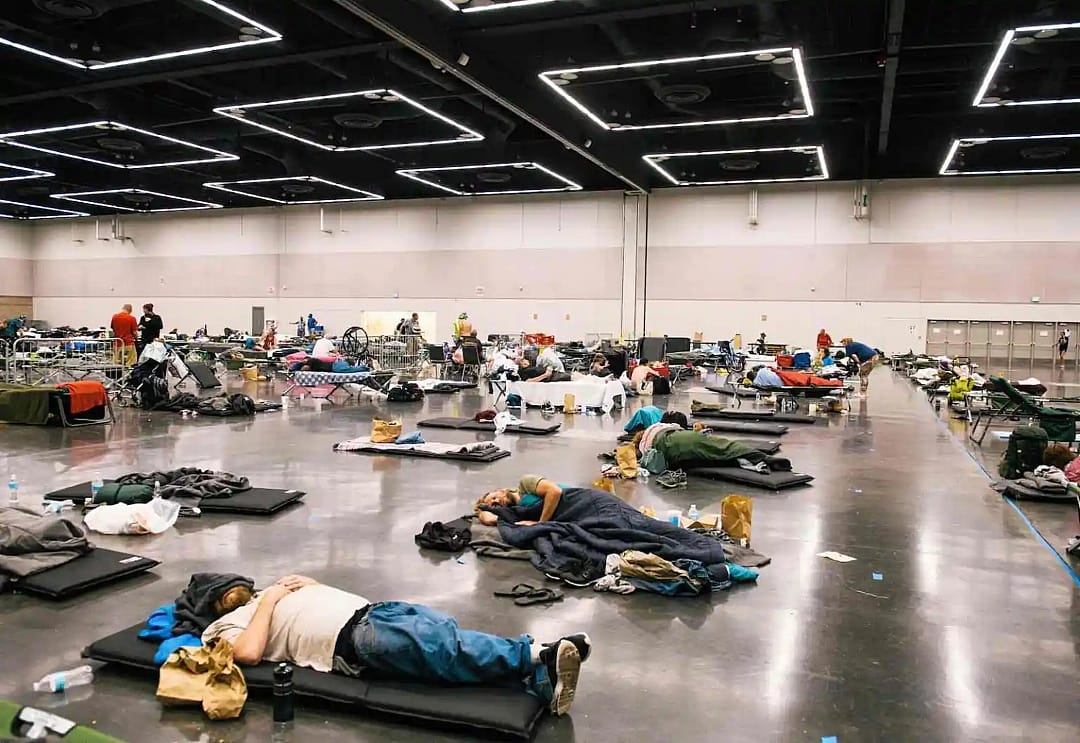
Kathryn Elsesser / AFP via Getty Images for Grist
1 / 4Is climate change to blame?
The blistering weather had many people wondering: Is this climate change?
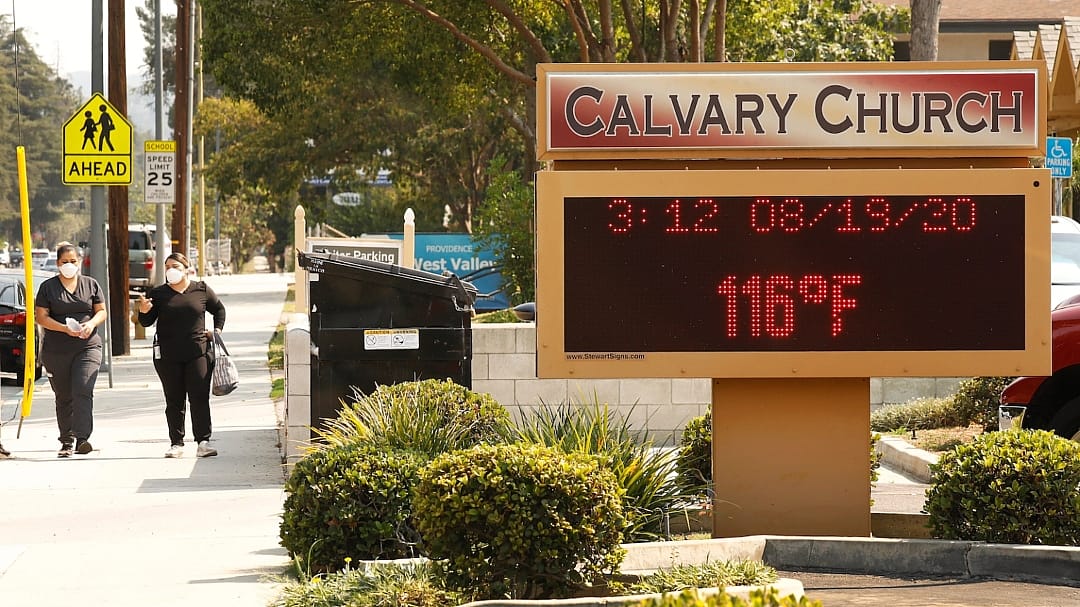
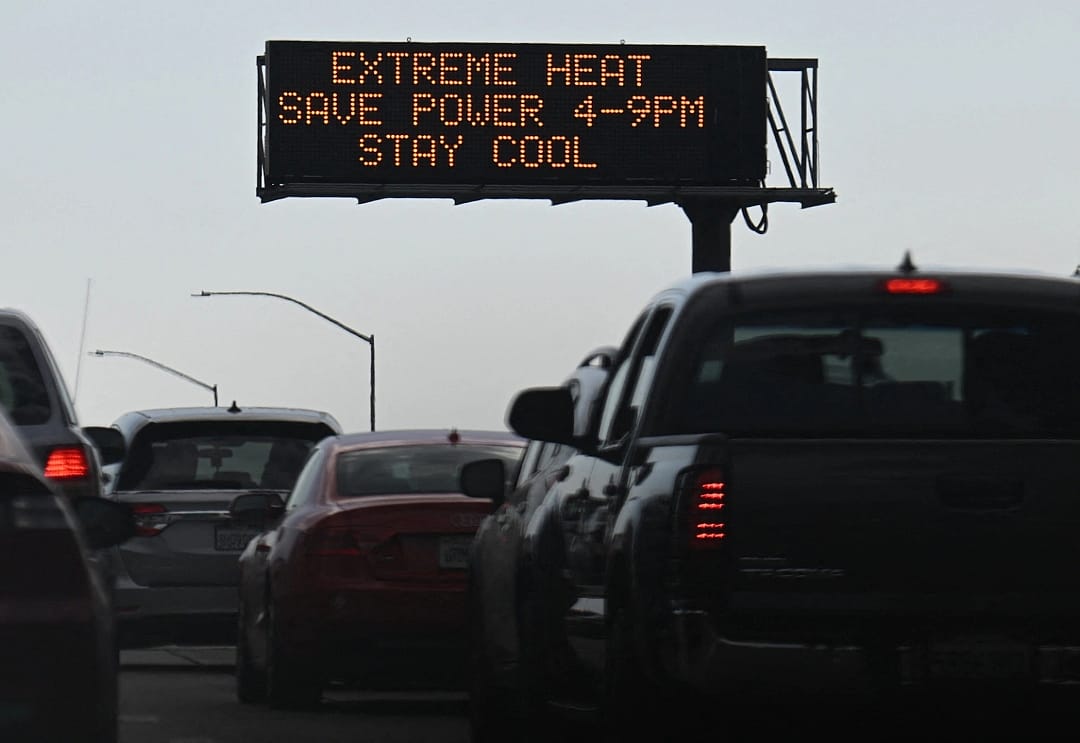
The short answer is yes. Grist reporting has found that although the event was exceedingly abnormal — a 1-in-1,000-year event in today's climate, according to some estimates — researchers say that without global warming it would have been at least 150 times rarer and several degrees cooler.
Indeed, heat waves around the world are happening more frequently and reaching higher temperatures because of climate change. We know this thanks to the rapidly growing field of attribution science, which allows scientists to examine the link between rising levels of atmospheric carbon dioxide and extreme weather events. When a heat wave strikes — or another disaster, for that matter, be it a hurricane, drought, or very heavy rain — attribution scientists can determine the role that climate change played in its intensification.
With extreme heat in particular, the answer is often tens or even hundreds of times more likely, thanks to a complicated mix of factors like abnormally dry soils and hotter-than-usual air. In fact, scientists are now comfortable assuming that all heat waves are being made more severe or likely because of climate change.
At any given time, extreme heat is now affecting about one-tenth of the Earth's land area, and scientists have observed an eightfold increase in record-breaking hot months over the past decade, compared to what would be expected in a world without climate change. Already, the U.S. is experiencing periods of abnormally hot weather at least three times more often than it did in the 1960s. Researchers estimate that another 1 degree Celsius (1.8 degrees F) of warming could turn something like the Pacific Northwest's freak heat dome into a once-in-a-decade affair.
A cooling weather pattern called La Niña has suppressed global temperatures since 2020, but scientists announced this spring that a new, hotter pattern — El Niño — is emerging to replace it. Although experts say its full effects won't be felt until next summer, it may already be contributing to some of this summer's heat extremes.
In early July, Earth logged its seven hottest days ever. And in June, a punishing heat dome brought triple-digit temperatures to more than 55 million people across the Southern U.S., straining emergency services and causing more than a dozen deaths. The heat was exacerbated in states like Louisiana, where high humidity combined with searing temperatures to create a heat index of up to 125 degrees F, meaning what the body feels, not just what the thermometer says.
Heat, one of the best-understood extreme weather events tied to climate change, doesn't tend to draw the same attention as other disasters like hurricanes and wildfires. But that may be starting to change. In the U.S., scorching temperatures cause more deaths than any other weather-related disaster, claiming nearly 170 lives every year. And as climate change drives global temperatures even higher, heat waves will only become more lethal, disrupting the lives of billions of people across the planet.