DreamSofa
1 / 1Tip 3: Explore Different Sofa Types
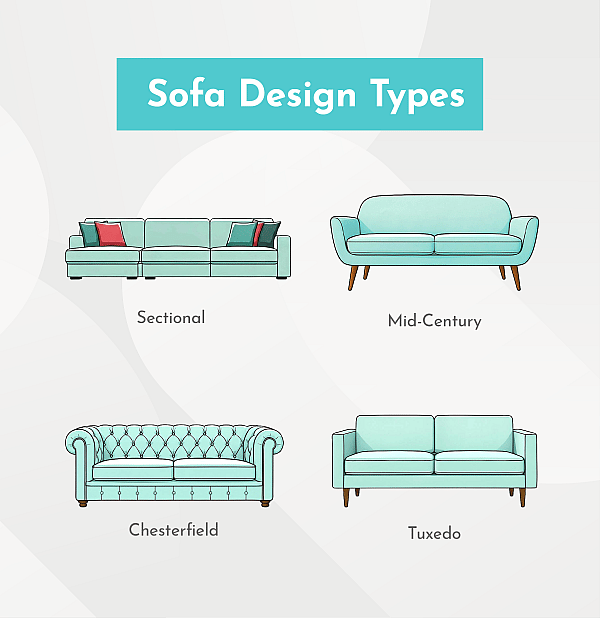
Exploring the different types of sofas you can customize is where your design project starts to take shape. Sofas come in many types and styles, with some of the most popular being the following:
- Sectional sofa: Sectional sofas come in various sizes and shapes, and you can customize the fabric, color and style to suit your preferences. Common arrangements include L-shape, U-shape and chaise sectional. Some sectionals are also modular, meaning you can rearrange the seats as your needs change.
- Mid-century: Mid-century sofas have a timeless look defined by clean lines, a low profile and tapered legs. Common materials for mid-century-style sofas include leather, vinyl and tweed, along with teak and oak for the wooden components.
- Chesterfield: Chesterfield-style sofas reflect the luxury and tradition of 18th-century England. These sofas feature scrolled arms that are equal in height to the back, deep tufting and sophisticated, timeless materials like leather.
- Tuxedo: Named for how it resembles the clean lines of a tuxedo, the tuxedo sofa features straight arms that are the same height as the back, clean angles and a perfectly geometric silhouette that gives the sofa an architectural, modern look.
Sofas also have different suspension systems. Each suspension system offers various benefits in terms of comfort, support, longevity and cost. When exploring comfort levels, you typically have the option to go for soft sofas that are plush and designed for relaxation, medium sofas for a good balance of support and comfort, medium-firm sofas for a structured feeling with a little give, and firm sofas, with no give but plenty of support and durability.
Some systems, like webbing, are inexpensive but may sag over time. Coil springs offer good support, bounce and durability. Other systems, like the eight-way hand-tied spring, are expensive but offer superior support and comfort as they distribute weight evenly across the sofa.
Other style considerations include different options for the arms, legs and back.
Tip 4: Choose the Right Materials
You can explore a range of natural and synthetic materials for your sofa fabrics and cushion fills. When choosing your favorite fabrics, consider how each is beneficial for stain resistance, durability, maintenance and visual appearance. Popular fabrics for sofas include:
- Velvet: Velvet is the perfect material if you want a sofa with a rich and luxurious texture. Velvet is soft and plush. However, it's typically more expensive than other common materials and is not the most suitable choice for pet-friendly environments as it attracts pet hair and shows scratches easily.
- Microfiber: Since microfiber is stain-resistant and easy to clean, it's a great choice for homes with young children and pets. Microfiber is also a good choice if you prefer a casual look.
- Suede: Suede is a long-lasting and luxurious material that easily creates a refined but welcoming look. Suede is soft to the touch and comfortable but requires high maintenance, making it less ideal for homes with kids and pets.
- Chenille: Chenille is a plush, soft and comfortable material. Its rich texture and raised pattern create a beautiful and welcoming aesthetic. Chenille requires regular cleaning. You should keep it out of direct sunlight and place it in a room with low humidity.
- Tweed: Tweed is a durable fabric that holds up well to heavy use. The rich texture adds visual interest and creates a classic look. Tweed isn't as soft as other materials and may not be suitable if allergies are a concern.
For custom cushion fills, common options include down feathers, foam and fiber.
Tip 5: Select Your Favorite Colors and Patterns
Patterns and colors are where you get to reflect your personal style and express your inner interior designer. You can get as creative as you like by drawing inspiration from these popular choices:
- Florals: Florals are a traditional print that adds a beautiful, feminine and vibrant touch to any room. Floral patterned sofas work well in living rooms, guest bedrooms and sunrooms—anywhere you want to create a soft and welcoming environment.
- Animal prints: Classic animal prints like leopard prints are perfect for creating dynamic, bold and exotic statement pieces. These prints are best suited to accent pieces or to accentuate smaller components like the armrests. Of course, you can also go for a full animal print sofa for an eye-catching focal point.
- Animal designs: Designs featuring animals like bees and dragonflies are playful and captivating—perfect for kids' bedrooms and playrooms. You can also create a more casual living area or add a touch of whimsical personality to your main bedroom by choosing animal designs.
- Classic patterns: Classic patterns include stripes and polka dots. These patterns work well across every room in your home, from the living area to the bedrooms and home office. Classic patterns are versatile, timeless, elegant and inviting.
- Nautical and botanical: For a refreshing, relaxed and serene environment, nautical and botanical patterns are the answer. You can easily create a vacation-like vibe with nautical and botanical themes, making these patterns perfect for sofas in guest homes.
- Bohemian/retro: Bohemian and retro patterns that explore different shapes, colors and motifs are ideal for creating a relaxed, nostalgic and cozy atmosphere. Since these patterns break the mold, they work well in themed spaces.
- Contemporary and modern: Modern-style fabrics often forego noticeable patterns, which highlight the material and create a clean and sophisticated look. These fabrics are stylishly sleek and suit all rooms, especially in homes with a minimalistic aesthetic.
Tip 6: Use Online Design Tools to Finalize Your Vision
With design software, you can see how all your favorite custom design features come together. Whether you're incredibly visionary or need a little extra help seeing the final product, it's exciting to see your project come to life.
With design software, you get a realistic preview of what your final product will look like before it's even built. This is incredibly beneficial, as you may realize your favorite elements don't quite match as a whole. Visualizing the sofa with software allows you to change various components before your sofa is built so it aligns exactly with your vision.
Using design software also enhances communication and collaboration with your manufacturer, as you can articulate exactly what it is you love or what to change in your design. These insights can give you plenty of direction as you learn how to design a sofa step by step.
Another advantage of using software to finalize your vision is that it can help you plan and optimize your space before your custom sofa arrives. This part of the decision-making stage also makes the design process more time-efficient, enjoyable and rewarding.
Designing a Custom Sofa Makes a Space Uniquely Yours
Designing a custom sofa is a rewarding and unique home project. The custom addition to your furniture collection will support your lifestyle, draw interest from guests, and, most importantly, be a culmination of all the design elements you love. Designing your own sofa also allows you to enjoy the creative process and discover the behind-the-scenes of manufacturing one-of-a-kind furniture.