
Armed with the right set of data and strategic prompts, PR pros can use their well-honed narrative skills to take a leading role in the GEO era.
Muck Rack's "What Is AI Reading?" report has shaped the PR and communications industry’s understanding of how major AI platforms cite content in their responses. The most recent version of the report found that 84% of AI citations can be attributed to earned media — in the form of journalism, academic research, government sources, and social platforms. Paid media, on the other hand, represented less than 1% of AI citations.
Building brand visibility in AI means applying PR instincts like storytelling, media relations, and relationship-building to a new distribution layer. Here's how.
How AI Has Broadened Where Comms Leaders Can Have Impact
While the work involved in building AI visibility goes beyond traditional PR, the PR function is still uniquely suited to lead. Comms teams just need to think about broadening their outreach approach to new channels and strategic cross-team collaborations.
This looks like optimizing brand mentions and narratives across:
- Traditional media — top-tier media, trade publications, etc.
- Emerging media — podcasts, newsletters, Substacks
- Social media — Reddit, YouTube, LinkedIn
- Review sites — both B2B and B2C (depending on your brand)
- Other customer platforms and forums
We also need to go beyond the high-level AI visibility trends and dig deep into the specific publishers and cited voices that matter most in each brand’s specific authority space.
Allison Worldwide specifically provides comms services out of one Media + Influence team, which reflects the diversity of sources that matter in a modern media mix. For example, one thing that comes out of our GEO audits is our lists of the top cited publishers, social and forum pages, and independent or niche creators. We assess each of these lists within our clients’ specific industry and domain (and the specific kinds of prompts they want to be known for), and then layer them into our content, media, partner and creator strategies.
AI Search Success Goes Beyond Quantitative Tracking
The next step is figuring out whether your new strategies are working. If AI bots are going to interpret your brand for end users from a variety of sources, it matters not just that you show up, but how you show up. Because AI answers synthesize information, brands’ owned content and earned coverage (across all cited surface areas) become the raw material that LLMs pull from, meaning that narrative quality, consistency and sentiment have become even more important.
Even when you build prompt lists around topical priorities, volume-based mention and citation tracking doesn’t tell you much about how you're showing up, only how often. It also seems like a (potentially pricey) wild goose chase — there are just too many variations of prompts and answers to focus on volume-based tracking.
The way that LLMs are built comes with an inherent semantic sophistication, which means we can focus on broad topical categories and use strategic prompt tracking to extrapolate how brands are showing up across those categories. As Michael King wrote in his 2025 breakdown of how Google's AI Mode works: "The future of search is probabilistic, the past was deterministic."
Given that reality, at Allison, we start with curated prompt lists to home in on specific category domains our clients want to show up in. Across that benchmark prompt set, we look at inclusion rates, citation frequency, share of answer, average mention ranking and density, and response accuracy to tell a more complete picture of how a brand is showing up in AI search for the topics that matter to them.
You can also create custom monitoring agents to help you identify which prompts your customers are actually searching for related to your priority topic areas over time. As you do, you can assess whether and how you show up for those expanded prompt sets, and determine the right approach to optimize for citation and mention inclusion, based on what is getting cited.
GEO Success Begins and Ends With Narrative Clarity
When search platforms are no longer serving up a range of reference links, but one aggregate answer from a broad range of sources, looking at a curated set of prompts provides clarity on how narrative is resonating across a specific set of topics. Meltwater describes this approach as optimizing for cross-channel "narrative density," and I think that's a good way to look at it.
This level of analysis is what informs our roadmap: What citations and mentions (or lack thereof) across our priority topics have significant issues, and what do the current answers tell us about how to close those gaps?
Once we identify the gaps, we can focus on the citation sources that are feeding those answers most frequently: Which publishers or authors have the most influence, and which specific types or pieces of content work best in AI?
Keeping those questions in mind is how comms pros can define a GEO playbook for the modern media mix.
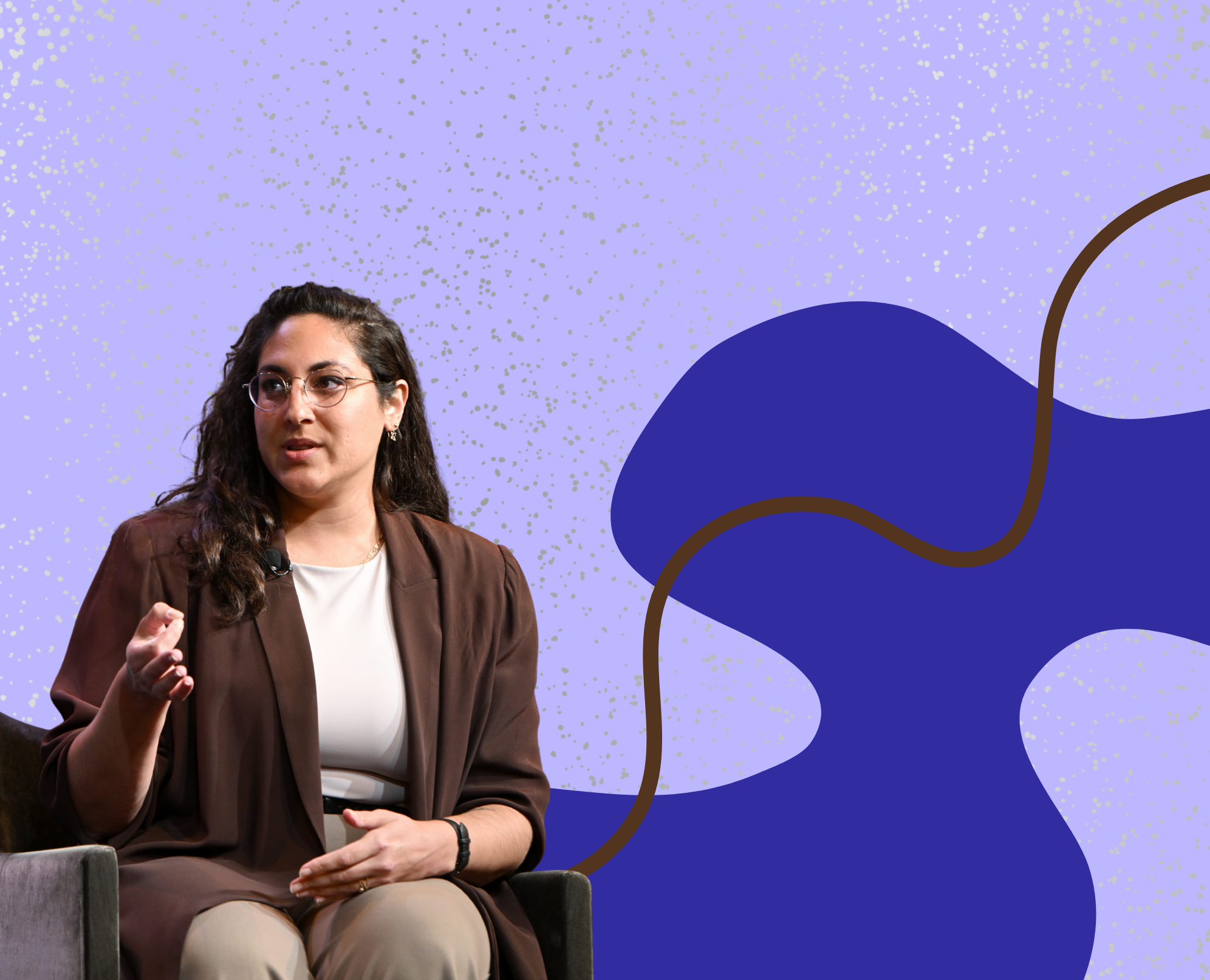
Lianna Kissinger Virizlay leads integrated editorial and digital content programs across website, social, search (SEO, GEO) and paid media channels at Allison Worldwide. She brings deep expertise in content, marketing and UX strategy and an obsession with matching data-informed solutions to specific brand and communication goals. Lianna has spoken on GEO, online reputation management and employer-branding on global stages, from BrightonSEO to Gartner's ReimagineHR conference to Stacker's inaugural Cited summit. Her collaborative approach to stakeholder and program management has shaped and delivered impactful digital experiences for B2B, B2C, beauty, corporate communications, e-commerce, education, finance, health, non-profits, and technology brands.
Lianna spoke about GEO during a panel at Cited. See the full recap of the panel here.