
When you have a newswire as diverse as Stacker’s, it can be challenging to pinpoint the winners before they’re published to our network of 3,000+ sites. Sure, there are some obvious, predictable hits among the masses, but topically, the top performers are all over the map. However, that doesn’t mean they’re not connected. What binds the stories that earned the most pickups in April 2026 isn't just their impressive reach; it's their knack for tapping into universal human experiences, whether they take a hard news approach or a lighthearted one.
From financial anxiety to family responsibility to celebrity culture, these stories all touch on our collective desire for insider knowledge. Each of the top five April stories makes readers feel like they are gaining something valuable, whether through data points that lend credibility or "hidden knowledge" framing that promises exclusive insight.
Let's break down what made each piece stand out.
More than 1 in 3 American workers are delaying or canceling major purchases due to job security concerns

This Redfin article leads with what every great data-driven headline needs: a specific, striking statistic. "More than 1 in 3" is immediately digestible and a substantial percentage that would stop someone scrolling in their tracks. The piece connects macro-level economic anxiety to the tangible, personal decision of whether to make a major purchase—a framing that resonates for anyone who’s stressed about buying a home, a car, or simply a new appliance.
The article also gives local newsrooms an easy entry point: regional job markets, local economic conditions, and community-specific consumer behavior all offer natural angles for Stacker’s publishers, no matter where they are in the U.S. In these uncertain economic times, it makes sense that content that validates readers' concerns while providing context is finding a strong audience.
How families really pay for senior care, and why so many feel unprepared

The word "really" does heavy lifting in this A Place for Mom headline, signaling that readers are about to get the unvarnished truth about a topic that’s uncomfortable for many families to discuss. Senior care financing sits at the intersection of money, mortality, and familial obligation—all subjects people tend to avoid until they're forced to confront them.
What makes this piece particularly effective is its dual emotional appeal: it speaks to adult children navigating care decisions for aging parents while simultaneously resonating with older adults planning their own futures. The "unprepared" framing creates urgency without being alarmist, positioning the article as essential reading rather than fear-mongering. Ultimately, this piece marries service journalism, emotion, and finance, a trifecta when it comes to broad appeal.
If these 10 celebrities were famous pieces of furniture, they would be…
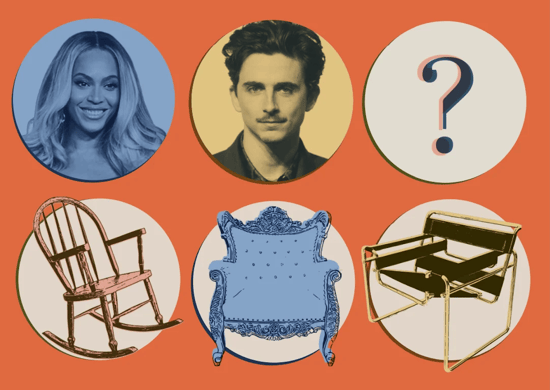
Though many articles among April’s top performers focus on weighty topics like financial security and elder care, this playful piece from House of Leon proves there's always room for levity. The premise is delightfully absurd, and that unexpectedness is precisely what makes it work.
The lead image also creates visual intrigue: Is Beyoncé the rocking chair and Timothée Chalamet’s the throne? It’s hard not to click out of sheer curiosity. Plus, celebrity culture is consistently a form of escapism from the harsh realities of the world around us, meaning many readers want to see if they agree with the author who matched stars to chairs, sofas, and tables. There’s always room for creative, entertaining content like this. In fact, it’s a breath of fresh air.
How reading aloud shapes children's emotional development

Parenting content is evergreen for a reason: caregivers are perpetually hungry for guidance and new perspectives on child-rearing. This Aflac article succeeds by taking a familiar activity—reading aloud to kids—and addressing an aspect many parents may not have considered. The focus on emotional development rather than academic outcomes feels fresh and taps into growing cultural conversations about mental health and emotional intelligence.
The "How X shapes Y" headline structure is a proven performer because it ensures clear, actionable insight. It’s a piece that likely made readers feel both informed and empowered—they're already doing something beneficial, and now they understand a new reason it matters. That's the sweet spot for service journalism: content that educates without condescending and inspires without overwhelming.
Award season prep: The hidden beauty treatments powering red carpet and on-screen looks
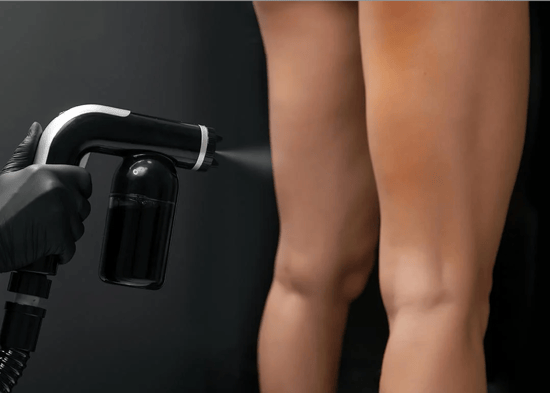
"Hidden" is one of the most powerful words in headline writing, and this Sjolie article deploys it perfectly. Everyone knows celebrities look stunning on the red carpet, but here, there’s the promise to reveal how, pulling back the curtain on the beauty industry's best-kept secrets. It's aspirational content that feels accessible, suggesting readers could try some of these treatments themselves.
Even though award season ostensibly ended with the Oscars in mid-March, this piece has legs well beyond any single ceremony or season. Red carpets, premieres, and photo shoots happen year-round, making this article feel relevant no matter when a reader encounters it. It’s also versatile in terms of where a publisher could place it—entertainment, beauty, and lifestyle sections all feel like a fit. That makes it an easy pickup that delivers what readers of those topics want: glamour, insider access, and a touch of fantasy.
The through-line
Looking across April's top performers, it’s clear that the most successful articles help readers navigate life's universal experiences—working, aging, parenting, and yes, even escaping into celebrity culture.
While the majority of the top April pieces address substantive, sometimes anxiety-inducing topics (job security, elder care, child development, and beauty standards), one offers pure entertainment. That balance reflects what news audiences tend to want: content that helps them understand the complex world around them alongside content that helps them forget it for a moment.

Featured Image Credit: Canva // Shutterstock