
If you've been following along with these monthly updates since the start of 2026, a) thank you for being here, and b) you've probably noticed an ever-increasing amount of health articles among the monthly top performers.
Across all articles Stacker has published in 2026 so far, Health and its subcategories rank second for average page views and average pickups per story (behind Entertainment for both metrics).
But this month's winners showcase health content's dominance more than ever. In September, eight of the top 10 most-picked-up stories were health-related. Of the 15 that were picked up by more than 400 publishers last month, 11 were in the health space.
Mental Health articles in particular are among the highest performers — it's become the second most-picked-up subcategory on average in 2026 so far (behind Movies) and it sees some of the highest average page views (#8 of 50).
When looking at four of the most-picked-up articles in September 2026 below, we dig into what it is about this content that's resonating.
More people are identifying as neurodivergent. Here's what that means
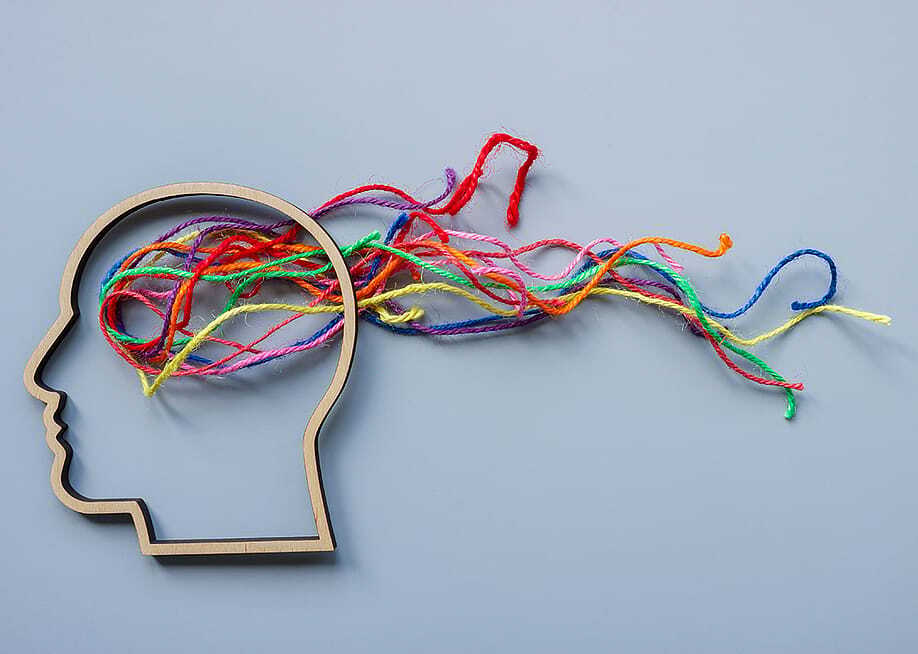 At this point, there's a very good chance someone in your life identifies as neurodivergent, an umbrella term for ADHD, autism, dyslexia, dyscalculia, and other undefined conditions wherein someone's brain processes the world differently from what we've come to societally deem "typical."
According to recent research published in the British Medical Bulletin, neurodivergent individuals make up 15-20% of the global population. And while it's become much more commonly and openly discussed, there are still so many questions about neurodivergence to answer. This article covers the basics: the origins of the term, the different types, signs of the condition, and how to get a diagnosis. These are the types of questions some readers may be scared to ask, but curious to find out. It's no surprise it was picked up by an impressive 500 publishers in September.
What are the early signs of suicidal ideation?
 On a darker, but similar note, this article about the signs of suicidal ideation taps into an even more taboo topic. But again, it explores a widespread health condition: 727,000 die by suicide annually around the world, and it's the third leading cause of death among 15- to 29-year-olds, according to the World Health Organization. This piece details four early signs, from themes someone thinking about suicide may talk about, to changes in mood and behavior, along with what the reader should do if they notice these red flags. It's the epitome of service journalism — and in this case, it's a potentially life-saving service.
On top of that, this article was timely: it was published during National Suicide Prevention Month and in the wake of 988 Day (held on Sept. 8 to promote the 988 Suicide & Crisis Lifeline) and World Suicide Prevention Day (observed globally on Sept. 10). Publishers were likely looking for content to honor these awareness days, and this one clearly fit the bill.
Weight loss can weaken your bones. Here's how to keep them strong
 Articles about physical health were also among the top performers in September. This was one of the strongest; it's another service piece, this time addressing an increasingly prevalent concern with the rise of GLP-1s. While the many benefits of weight loss from GLP-1s have been widely documented, there is also a potential risk they pose to bone health. Research has shown that rapid weight loss can lead to reductions in bone mineral density and an increased risk of bone turnover, side effects this article addresses in clear terms. In addition to that, it once again provides a service: four things you can do to combat bone loss and the answers to four additional FAQs. It's no surprise more than 450 publishers thought it worthy to share with their readers.
Some of the other health topics that made their way into the top 15 articles of the month were about medications (from refill struggles to ideal times of day to take yours) and signs of other, often unspoken conditions (like cognitive disengagement syndrome and postpartum psychosis). The topics may differ, but the value is the same: these health pieces answer questions readers may otherwise be too scared to ask and provide practical information about how best to take care of yourself and your loved ones.
US population trends by state: Winners and losers in 2026
 The most successful story of the month, however, was not a health piece. It was this article, which analyzed the Census Bureau's estimates of year-over-year population changes in each state. Only five states saw their population grow more than 1% over the past year, while the bottom five saw their populations decline. Content like this, which promises data on all 50 states and shows how they stack up against each other, gives every US resident a reason to read it. Who doesn't want to know if their state is booming or not?
This type of article continues to dominate our leaderboard month over month. A similar piece that took a different approach to relocation trends, "Americans are relocating less than ever, but still frustrated by packing," was the fifth most-picked-up article on the Stacker network in September. And another, slightly different geographic ranking, "America’s safest big cities: 2026 study," landed among the top 15.
The through-line
It's easy to see that health and mental-health content dominates, but when looking deeper, it's also how these articles approach complex topics that makes them so valuable to publishers. They answer questions clearly, making them highly practical; they're timely, either due to trends or actual new pegs; they're emotionally resonant, hitting on topics readers care about deeply; and they provide actionable guidance.
Those same elements can make a story on any topic successful with Stacker publishers. When looking at the top 20 articles, some of the other non-health pieces in the mix share those same qualities, like "How money matters can affect your relationship" and "Co-parenting? How to create healthier digital boundaries across two homes."
The range may be broad, but timeliness, utility, and emotional appeal make all of these articles highly valuable to publishers and their audiences.
Jaimie Etkin is the director of publisher partnerships at Stacker. She was previously the company's head of content strategy and has worked as a content strategist and digital editor for the past two decades at publications like Newsweek, HuffPost, and BuzzFeed News.