
More people are turning to AI platforms like ChatGPT or Gemini to get answers to questions they previously would have typed into a Google search bar.
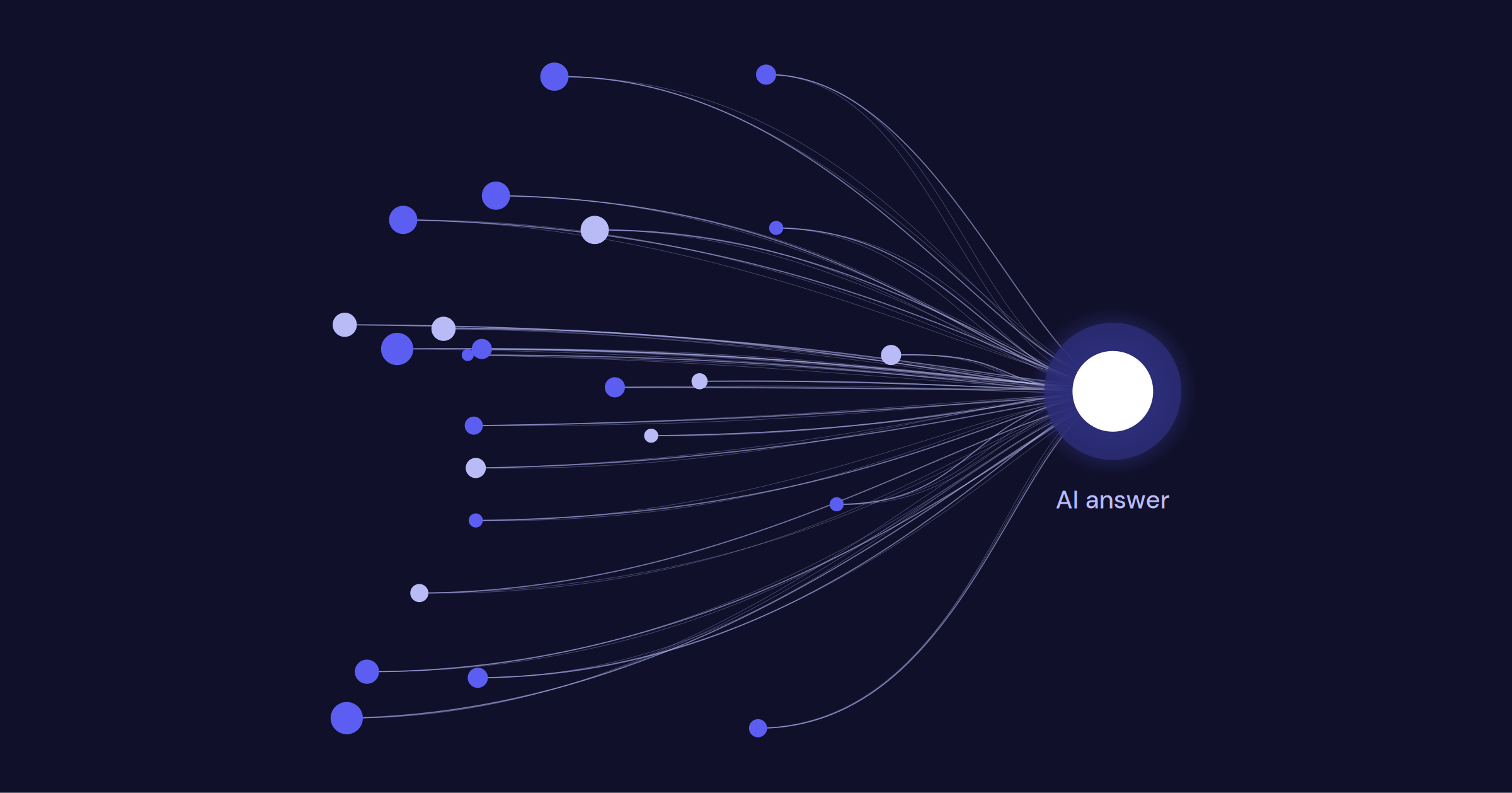
These tools search the web for the best sources to answer each particular question, and they show their work in the form of citations, which are essentially links to the sources they used to assemble their responses.
But which sources do they cite most often? It varies by topic, according to an analysis of more than 3.9 million citations by content distribution company Stacker.
Stacker's analysis looked at citations from across six AI platforms: ChatGPT, Claude, Google AI Mode, Google AI Overviews, Google Gemini, and Perplexity. The analysis was based on prompts that Stacker tracked via the AI visibility platform Scrunch between May and August 2026. Because these prompts were tracked on behalf of Stacker's clients, they tended to skew towards personal finance and health topics.
Here were the top-cited sources for eight popular topics:
Managing your money
 When it comes to personal-finance questions, AI platforms tend to cite specialized news sites and government agencies. Credit bureau Experian and financial services company Fidelity also tend to be cited for their articles that explain relevant topics through the lens of their own business data.
The five most commonly cited sources were:
- Experian (credit bureau)
- NerdWallet (personal finance publication)
- Bankrate (personal finance publication)
- The Consumer Financial Protection Bureau (government agency)
- Fidelity (financial services company)
Managing your health
AI platforms tend to rely on peer-reviewed medical research found in the National Institutes of Health's PubMed research databases when answering health questions. GoodRx, a prescription drug price comparison platform, often publishes articles that draw upon its drug pricing data and get cited by AI.
The five most commonly cited sources were:
- PubMed Central (peer-reviewed research archive)
- PubMed (peer-reviewed research database)
- GoodRx (prescription drug price comparison platform)
- Mayo Clinic (nonprofit academic medical center)
- Healthline (health and wellness information site)
Buying a home
 Listing platforms like Realtor.com and Zillow are frequently cited in AI responses to questions about real estate. That's likely because they own and publish data on listing prices and home values.
The five most commonly cited sources were:
- Realtor.com (home listings platform)
- Bankrate (personal finance publication)
- The Consumer Financial Protection Bureau (government agency)
- Zillow (home listings platform)
- AmeriSave (mortgage lender)
Buying a car
When it comes to questions about cars, AI platforms tend to cite sources like Edmunds, Kelley Blue Book, and Car and Driver, which publish vehicle pricing data and reviews. Experian also appears here, likely because the car-buying process often involves thinking about loans and credit.
The five most commonly cited sources were:
- Edmunds (car review and shopping platform)
- Kelley Blue Book (car valuation and research company)
- Car and Driver (automotive publication)
- Experian (credit bureau)
- Consumer Reports (nonprofit product testing and review organization)
Starting and running a small business
For small business questions, AI platforms lean on sources like trade associations and government resources geared towards owners and operators. Ramp and Brex — both financial technology companies that publish articles drawing on their own business spending data — are also frequently cited by AI on these topics.
The five most commonly cited sources were:
- Ramp (financial technology company)
- U.S. Chamber of Commerce (business organization)
- Brex (financial technology company)
- U.S. Small Business Administration (government agency)
- Forbes (business news publication)
Planning a trip
 If you're asking an AI platform a question about an upcoming trip, it may cite a publication like The Points Guy or NerdWallet — especially if your question is related to using points or saving money while booking the trip. These publications tend to win citations for their use of hard numbers rather than the more general inspiration that you may find in a travel guide.
The five most commonly cited sources were:
- The Points Guy (rewards- and points-focused travel publication)
- NerdWallet (personal finance publication)
- Bankrate (personal finance publication)
- Forbes (business news publication)
- CNBC (business news publication)
Insurance and avoiding scams
AI platforms cite two Federal Trade Commission websites and several insurance companies when answering questions about protecting yourself from financial harm.
The five most commonly cited sources were:
- The FTC’s consumer advice website (government agency)
- The FTC’s main website (government agency)
- Progressive (insurance company)
- Legalclarity.org (legal resource)
- Jewelers Mutual (insurance company)
Pets, parenting, and beauty
You might ask an AI platform a question about skincare, pets, or raising kids. For topics like that, AI often pulls in research from sources like PubMed and the CDC.
The five most commonly cited sources were:
- PubMed Central (peer-reviewed research archive)
- PubMed (peer-reviewed research database)
- American Academy of Dermatology (professional organization)
- U.S. Centers for Disease Control and Prevention (government agency)
- Healthline (health and wellness information site)
What this means for you
Across topics, AI tends to cite articles and other resources that back up their arguments with research and data. Government sources showed up in the rankings across most topics, and news publications that focus on a specialized topic area tend to be cited more often than more general news sites.
If you ask an AI platform a question, it's making decisions about what sources are trustworthy enough to base its answer on. When you’re using an AI chatbot, click into the citations to see what kind of source an answer is built on. For sensitive topics like health and personal finance, it's always worth double-checking information with a professional since AI tools can make mistakes.
Madeline Stone is the Content Manager for Editorial & Insights at Stacker. She was previously a longtime business and tech journalist at Business Insider and a content and communications consultant for tech startups.
Photo credit: Canva illustration / Shutterstock