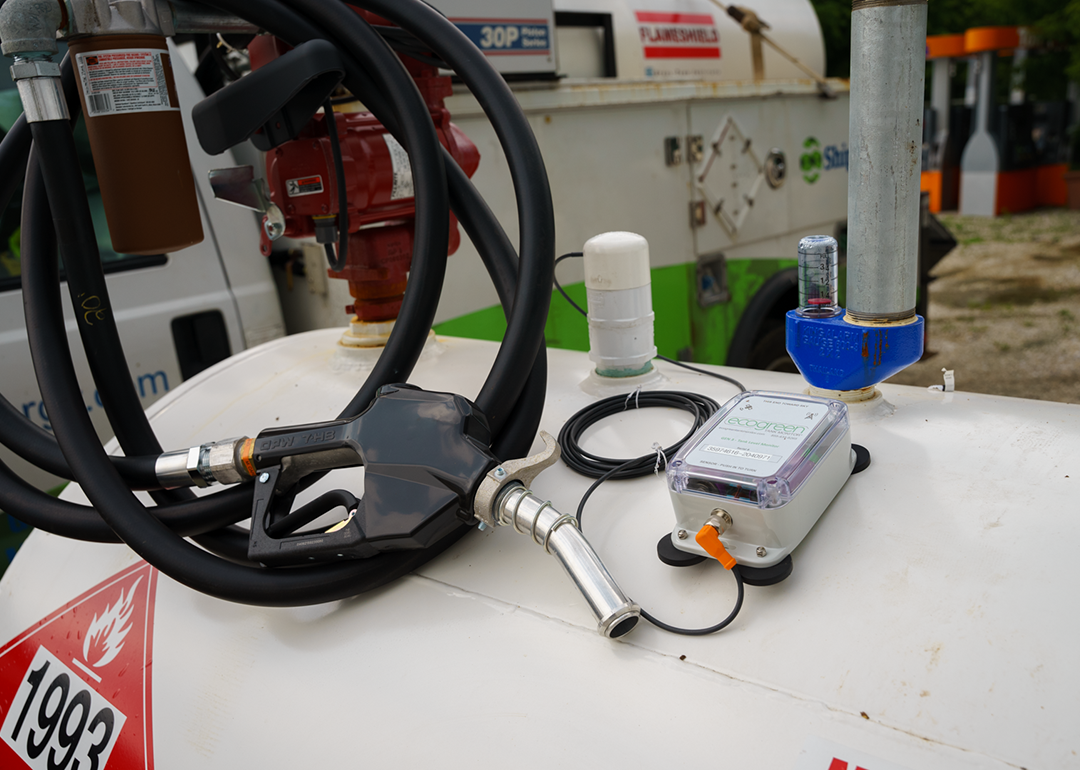
Better fuel management: Tank monitors save money and cut downtime and control costs
For industries that run on diesel, gasoline, or propane, fuel is more than just a line item. It’s the backbone of daily operations. When supply runs short, the ripple effects are immediate: stalled equipment, idle crews, and missed deadlines.
Yet many businesses still rely on manual checks and rough estimates to track fuel use. A site foreman might eyeball a gauge at the end of a shift, or a driver might call in with a guesstimate — that system works, until it doesn’t.
Remote tank monitoring is seen as a practical time and operational saving measure for both fuel suppliers and end users. By installing sensors that transmit real-time tank levels to a digital platform, companies can see exactly how much fuel is on hand, when deliveries are needed, and where inefficiencies may lie. This technology transforms business operations, leading to more productive and profitable workdays, Shipley Energy reports.
The Cost of Running Out
For end-users, uninterrupted fuel supply is critical to the success of their daily functions — equipment stays operational, service schedules remain intact, and time-sensitive jobs like crop production or site development stay uninterrupted.
The price of downtime can also be steep. Construction Equipment Magazine has reported that even minor equipment delays can cost $350 an hour once labor and rental costs are factored in. A full day of downtime can easily exceed $2,500 to $5,000, depending on the size of the project, which can erode project timelines and budgets.
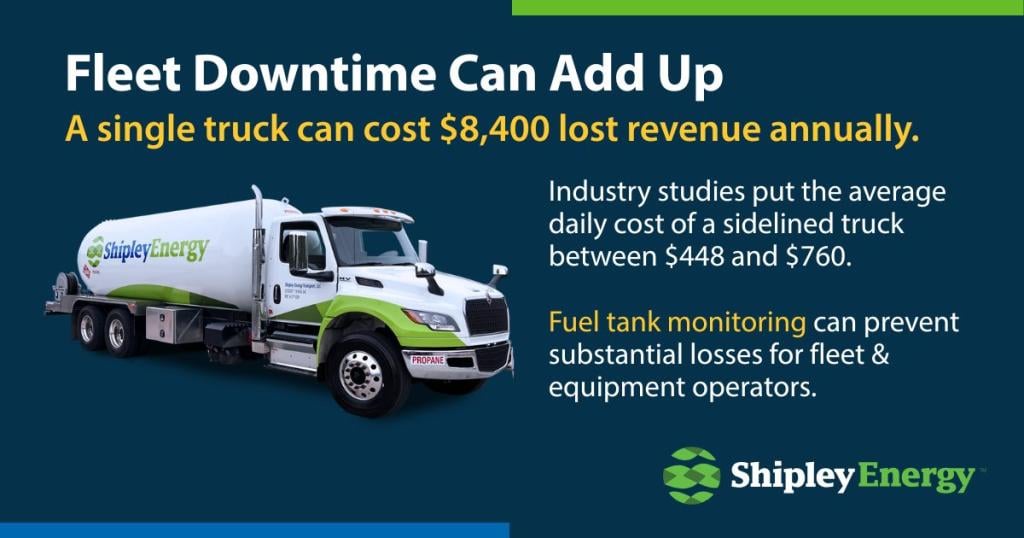
Fleets face similar pressures. Industry studies put the average daily cost of a sidelined truck between $448 and $760. For example, a typical truck that generates $700 in daily revenue and experiences just one extra idle day per month incurs an annual loss of approximately $8,400 per truck.
Fuel interruptions don’t account for all downtime, but operators note that when they happen, the financial impact is felt. Remote monitoring doesn’t just prevent a single runout — it prevents the compounding costs that follow.
Efficiency Beyond Avoiding Shortages
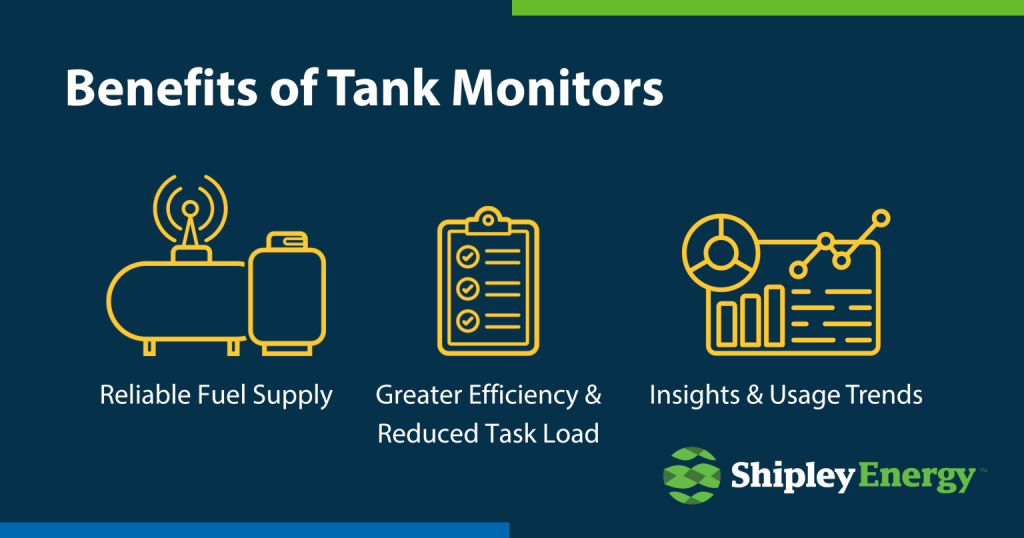
The benefits extend beyond avoiding outages. Remote monitors reduce the need for manual tank checks, a task that often takes up staff time and leaves room for error. If the sight gauge on top of the tank is faulty, it can lead to misinterpreted fuel levels and put a business at risk of running out.
The data also helps businesses understand usage patterns. A landscaping company might recognize spikes in gasoline demand tied to seasonal work, while a construction company might track which job sites consume the most diesel. With historical data in hand, businesses can plan budgets for future work and sites, allocate resources, and forecast demand with far more accuracy.
“Site conditions can change rapidly during construction,” said a VP from a large construction company in Pennsylvania. “The auto-fill feature on the fuel tanks are a favorite of our site superintendents, as it takes one thing off their already full plate.”
The Added Benefit to Fuel Suppliers
Fuel distributors are increasing adoption of utilizing tank monitors for their customers. Without accurate tank data, suppliers often rely on guesswork when scheduling deliveries. That can lead to trucks showing up before a tank truly needs refilling or arriving too late when a customer is already out.
With monitors in place, deliveries can be timed precisely. Routes are optimized, loads are maximized, and unnecessary trips are reduced. Some suppliers report that remote monitoring decreases emergency deliveries by 20 to 30%, saving both fuel and driver hours and money — along with unnecessary billing.
For customers, the result is simple: Fuel shows up when it’s needed and deliveries are more efficient for suppliers.
Looking Ahead: The Future of Fuel Management
As technology continues to evolve, tank monitoring systems are becoming more accessible, affordable, and integrated. Many systems now link directly with GPS fleet trackers, accounting software, or maintenance platforms — giving businesses a unified view of their operations. In verticals like heavy civil construction, manufacturing, and agriculture, this means less siloed information and more strategic decision-making.
Looking ahead, predictive analytics will take fuel management a step further. Instead of simply reporting current levels, these monitors can forecast when tanks run low based on patterns of usage, weather conditions, and project timelines. This will allow businesses and suppliers alike to plan even more efficiently, keeping fuel supply tightly aligned with operational demand.
Extended battery life of the monitors and satellite connection improvements is also paving the way for a more reliable fuel supply. This is especially helpful for more remote jobsites and business locations where a stable connection isn’t always available.
Companies that also tie in an inventory management system to keep track of fuel usage per vehicle or equipment, see immediate benefit from these systems. The combination of a tank monitor and an inventory management system creates an operational ecosystem of efficiency.
Real World Advantages Businesses Realize
For companies that depend on diesel, gasoline, or propane, running out of fuel is more than just an inconvenience — it’s a direct hit to productivity and profitability. Fuel tank monitoring gives business operators and suppliers the visibility they need to ensure that never happens. From reducing manual checks and streamlining delivery schedules to optimizing resource allocation and improving customer service, the benefits ripple across every link in the supply chain.
Whether you’re managing a fleet of tow trucks, operating a construction site, or running agricultural equipment through harvest season, tank monitoring offers a smarter, more reliable way to keep your operations moving forward. In an industry where time is money and efficiency is everything, that’s an advantage no business can afford to overlook.
Energy Exchange Podcast: Tank Monitoring
Want to learn even more about how tank monitoring can simplify your life and save you money? Tune into this episode of the Energy Exchange podcast, where we dive deeper into the technology, its benefits, and some real examples of businesses that have utilized tank monitors.
This story was produced by Shipley Energy and reviewed and distributed by Stacker.