How AI is helping companies sell to Millennials who hate sales calls
How AI is helping companies sell to Millennials who hate sales calls
The Generational Shift in B2B Buying
The B2B sales playbook that worked for decades is colliding with a fundamental shift in buyer demographics—and losing. For this reason, ZoomInfo examined how companies are adapting to the preferences of Millennial buyers as part of its new Go-to-Market Intelligence report.
Millennials now represent the largest group in the American labor force, and they're bringing consumer-grade expectations to business purchasing. According to recent research, 44% of Millennial buyers do not want to talk to salespeople during the B2B purchasing process. Nearly 40% say they would pay a premium for products that make the sales process easier.
This isn't just a preference—it's a mandate that's reshaping how companies must approach business development. For sales organizations built around cold calls, discovery meetings, and relationship-driven deals, the implications are profound.
Digital Natives Demand Digital Experiences
The resistance to traditional sales interactions stems from how Millennials grew up making purchasing decisions.
This generation of executives grew up online and has no patience for brute-force purchasing paths, according to industry analysts tracking the trend for Forrester, Gartner and McKinsey & Company. They expect B2B purchases to mirror the ease of consumer experiences, such as Amazon, with transparent pricing, self-service research, and the ability to move through the buying process at their own pace.
Traditional B2B sales tactics—unsolicited outreach, lengthy discovery calls, multitouch nurture sequences—can feel intrusive to buyers who prefer to research independently and engage with vendors only when they're ready.
When companies force these buyers into conventional sales processes too early, they risk more than just losing a single deal. They're reinforcing negative perceptions of B2B sales and potentially driving prospects toward competitors who make buying easier.
The Speed-to-Value Paradox
While Millennial buyers want less direct sales interaction, they simultaneously expect faster, more responsive engagement when they do reach out.
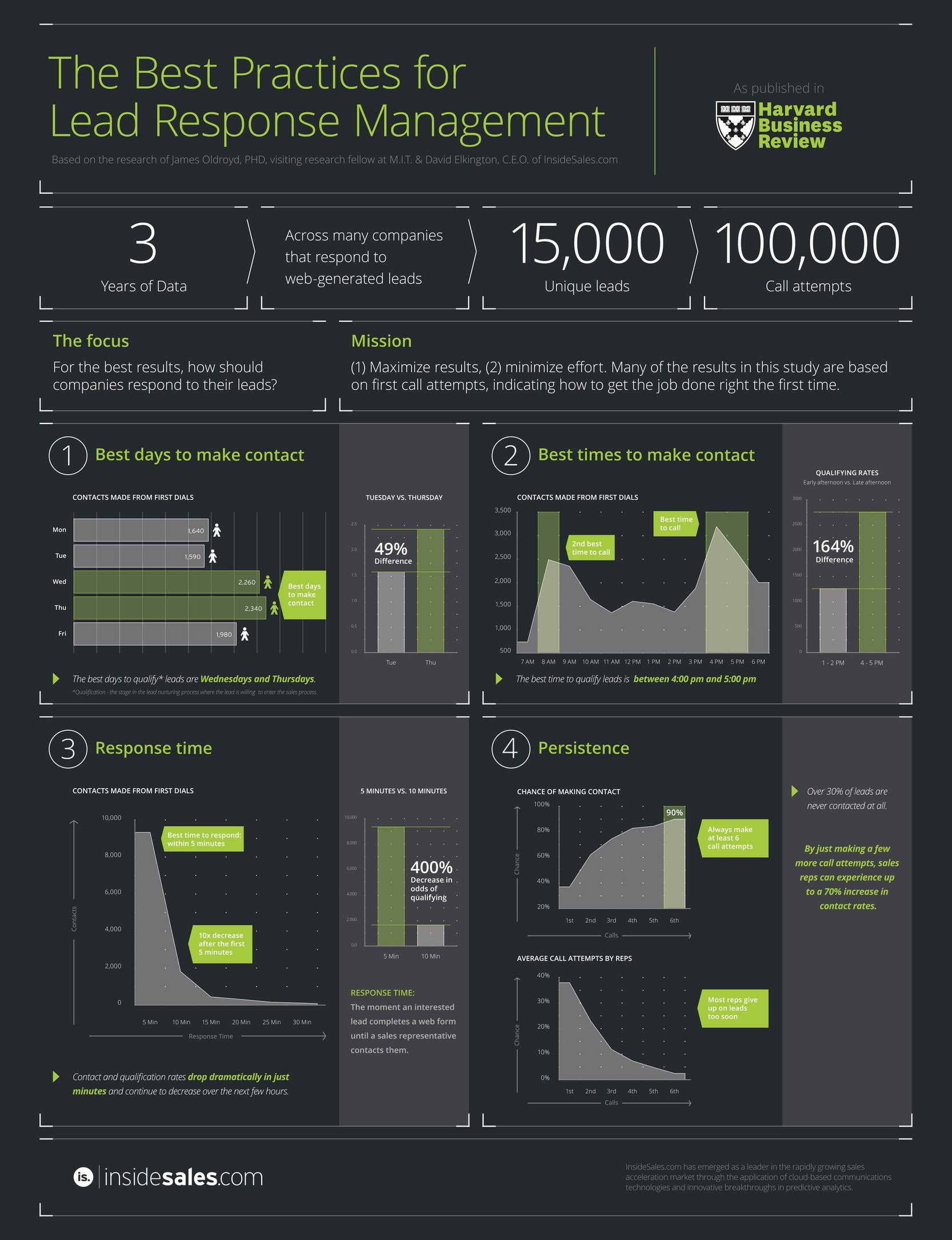
Harvard Business Review research shows that waiting longer than five minutes to respond to an inbound lead reduces connect rates by 10 times. After 10 minutes, the chance of qualifying a lead drops by up to 400%.
This creates a challenging paradox for sales teams: Buyers don't want to be contacted until they're ready, but when they signal interest, they expect a near-instant response with relevant, personalized information.
The companies succeeding in this environment are those that can detect buying signals in real time and respond with contextually appropriate engagement—not generic outreach sequences.
What Millennial Buyers Actually Want
Understanding what Millennial buyers reject is only half the equation. The more important question is what they expect instead.
Research shows these buyers prioritize:
Transparent Information: Clear pricing, detailed product specifications, and honest comparisons available without gating or requiring a sales contact.
Peer Validation: Reviews, case studies, and third-party assessments carry more weight than vendor claims or sales pitches.
Self-Service Options: The ability to explore products, configure solutions, and even complete purchases without mandatory sales interaction.
Contextual Engagement: When they do engage with sales, they expect representatives to already understand their business, challenges, and where they are in the buying journey.
Frictionless Processes: Simplified contracts, digital signatures, and streamlined onboarding that mirror consumer technology experiences.
Nearly 40% of buyers indicate they'd pay premium prices for vendors who deliver on these expectations—suggesting that companies who adapt their sales approach could command pricing power in addition to winning more deals.
The AI Acceleration
Artificial intelligence is amplifying both the opportunity and the risk in this shifting landscape.
AI-powered search tools are changing how buyers discover and evaluate solutions. Leading SEO experts report click-through rate drops of 34% to 54% on searches where AI overviews are available, fundamentally disrupting the content marketing strategies many B2B companies have relied on to attract prospects.
At the same time, AI is enabling new approaches to sales engagement that better align with Millennial preferences. Companies are using AI to monitor buying signals across multiple channels, personalize outreach at scale, and surface relevant information exactly when buyers need it—without requiring human sales interaction until the buyer is ready.
One Gartner survey found that sales representatives who use AI effectively are 3.7 times more likely than their peers to hit their quotas, largely because they're able to engage prospects with better timing and more relevant context.
Revenue Operations: The Strategic Backbone
The shift toward AI-powered, buyer-centric sales models requires more than just new technology—it demands a fundamental restructuring of how sales, marketing, and customer success teams operate together.
Revenue operations (RevOps) has emerged as the strategic framework that enables companies to deliver the seamless, data-driven experiences Millennial buyers expect. By breaking down silos between departments and creating unified data systems, RevOps teams ensure that every customer touchpoint is informed by real-time insights and coordinated across the entire buyer journey.
Organizations with mature RevOps functions are better positioned to leverage AI tools effectively because they have the data infrastructure, process alignment, and cross-functional collaboration necessary to act on buying signals instantly. Rather than having sales, marketing, and customer success operating from different playbooks and data sources, RevOps creates a single source of truth that powers personalized engagement at scale.
Industry research shows that companies with dedicated RevOps teams achieve 19% faster revenue growth and 15% higher profitability compared to those without this function. These teams are responsible for implementing the AI-powered tools that detect buyer intent, orchestrating the handoffs between self-service and human engagement, and continuously optimizing the revenue engine based on performance data.
For organizations adapting to Millennial buyer preferences, investing in RevOps capabilities is no longer optional—it's the operational foundation that enables digital-first, AI-enhanced selling.
Adapting Without Abandoning Relationships
The shift toward digital-first, self-service B2B buying doesn't mean the death of sales relationships—it means those relationships must form differently.
Analysis from McKinsey of top-performing B2B teams reveals that the best salespeople succeed through a combination of timing, context, and creativity—not volume or persistence. They're finding ways to add value throughout the buyer's journey without forcing premature sales conversations.
Research from BCG and Bain shows that integrated teams using unified data deliver higher-value leads by recognizing when prospects are genuinely ready for sales engagement versus when they're still in research mode.
Industry experts note that a go-to-market strategy is no longer a static plan—it's a transformation process built to drive outcomes, not just complete tasks.
The Competitive Imperative
For companies still operating with traditional B2B sales models, the window to adapt is narrowing.
As Millennials continue to gain purchasing authority and Gen Z enters the workforce with even stronger digital-first expectations, the competitive advantage will belong to companies that can deliver consumer-grade buying experiences in B2B contexts.
The most successful organizations are already making this shift—not by eliminating sales teams but by reimagining when and how those teams engage. They're investing in digital experiences that empower self-service research, deploying AI to detect genuine buying signals, and training sales teams to deliver high-value consultative engagement rather than generic discovery calls.
The companies that resist this evolution risk becoming irrelevant to the largest and fastest-growing segment of business buyers. Those that embrace it are finding they can win deals faster, command premium pricing, and build stronger customer relationships—just not through the sales playbook they used before.
This story was produced by ZoomInfo and reviewed and distributed by Stacker.