Where to place QR Codes for maximum engagement
Where to place QR Codes for maximum engagement
In a hotel lobby, two QR Codes promote the same thing: a 10% discount on the breakfast buffet. One sits at eye level beside the elevator buttons, right where guests wait with their phones in hand. The other is printed near the entrance, where people are walking in and out, often in a hurry. Both are visible, but only one gets scanned.
That difference captures what QR Code placement really means. The best placement meets three conditions: people can see it easily, they have the time, and they have a reason to act.
This article talks about what effective QR Code placement looks like and why it matters. Drawing from Uniqode’s latest research across travel, hospitality, and transportation, it shows how small placement shifts can turn ordinary surfaces into high-engagement touchpoints.
QR Code placement is more than location
Effective placement reduces friction. It enables scanning to be a quick, natural response, rather than an extra task. People are more likely to scan what’s within reach and in their direct line of sight. However, this goes beyond location.
Good placement begins with understanding how people navigate through spaces and what they do when they pause. While visibility is definitely a factor, ideal QR Code placement mustn’t revolve around it alone. It must also consider timing, context, and ease of access.
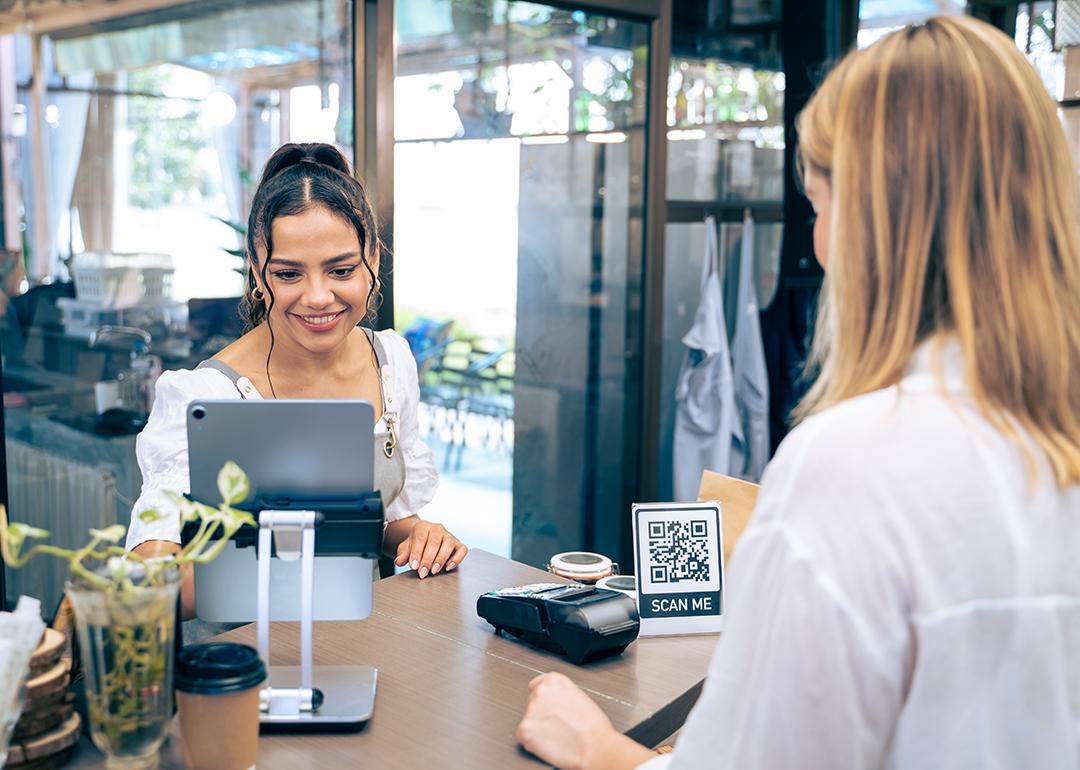
A QR Code on a café table works because people have a moment to look around, and their phones are already within reach. The same code on a glass door often goes unnoticed because people rarely pause midstride to scan something—wrong timing, wrong context.
At a bus stop, a code might fail even when visible if passengers are focused on watching for their bus rather than exploring offers, or if it’s positioned where they can’t comfortably reach it while standing with luggage.
Design choices play a supporting yet essential role. The right size, color contrast, and spacing help a code stand out without disrupting its surroundings. A short, clear call-to-action, such as “Scan to view menu” or “Upgrade your seat,” removes hesitation and builds trust.
Where to place QR Codes at every travel touchpoint
Travel consists of various phases—planning, moving, waiting, and arriving. Each one offers a different opportunity to meet travellers where their attention naturally rests. Effective QR Code placement focuses on quality, not quantity. Each one must serve a clear purpose and fit naturally into the moment of use.
Booking and planning
This phase is when travellers are most focused. They’re researching, confirming, and personalizing their plans. You have the opportunity to place QR Codes in booking confirmations, pre-trip emails, or travel apps, to help travellers plan and book better.
Airlines can use QR Codes in confirmation emails and app messages for quick seat upgrades, baggage add-ons, or insurance purchases. Hotels can use them in pre-arrival messages so guests can choose room preferences, book spa appointments, or explore upgrades. Travel agencies can add QR Codes to digital itineraries that update in real time with weather changes or local recommendations.
This works because the timing, context, and access align perfectly. Travellers are focused, in planning mode, and already have their devices ready to act.
Getting to the airport
During airport transit, people spend some time in cars, cabs, and public transport. QR Codes work best here when they are easy to see and within reach.
In ride-share vehicles, QR Codes can be added to seat backs or receipts to allow travellers to tip drivers, download apps, or leave feedback. Restaurants and stores near airports can partner up with these ride-share vehicles and add QR Codes to cab windows or seat backs to share time-sensitive offers.
In public transport, QR Codes on tickets, station walls, or platform signage connect travellers to schedules and maps.
Success here depends on matching the transit rhythm—brief pauses, an efficiency-focused mindset, and positioning codes that align with where people’s hands and eyes naturally go. The most effective placements are at eye level or near where people wait, so scanning feels effortless.
Check-in and screening
At the airport, travellers want clarity and speed. QR Codes can be placed at check-in counters, kiosks, and boarding areas to help passengers find baggage policies, boarding instructions, or frequent flyer sign-up information without needing to ask staff.
Airports can also use QR Codes on queue barriers, security gates, and information kiosks to share live updates, such as wait times, accessibility services, or multilingual support.
These placements work because airports create perfect scanning conditions—captive moments, information-hungry travellers, and phones already in use for travel documents.
Waiting to board
Airports are full of idle moments between check-in and takeoff. Waiting areas create the perfect storm for QR Code engagement, with extended downtime, a receptive mindset, and stationary users with phones already out. Here, QR Codes perform best when they give valuable information that fills the time.
Airlines can place QR Codes on gate screens, boarding passes, and lounge signage for flight updates, entertainment access, or app downloads. Retail brands near gates can use them on banners and storefronts for quick offers and product details.
The most effective placements are near seats or charging stations, where travellers already spend idle time.
In-flight
Once travellers settle into their seats, their attention becomes more focused. This environment maximizes engagement potential with a captive audience, service-focused mindset, and intimate placement within arm’s reach. QR Codes placed where people naturally look, such as on seat backs, tray tables, or menus, will encourage engagement without disruption.
Airlines can use QR Codes to connect passengers to Wi-Fi, digital safety videos, or duty-free catalogs. Meal services can place them on packaging or tray cards for allergen details or product stories. Retail partners can add them to in-flight magazines for destination guides or shopping options.
Placement should account for lighting and distance, so that it is easy to scan even in dim cabin lighting, maintaining the effortless access that makes in-flight codes effective.
Arrival and ground transportation
When travellers land, the context shifts from entertainment to navigation. They look for information and direction. QR Codes can be placed in arrival halls, baggage areas, or shuttle zones to help them find customs details, baggage claim updates, or onward transport options.
Airports can add them near baggage belts or terminal exits to answer common questions right where they arise. Shuttle operators can use them on vehicles or signage for real-time route and schedule information.
Success here means being the answer before travellers need to ask—when they’re looking for direction, in problem-solving mode, and positioned where the questions actually arise.
Accommodation
Once travellers reach their hotel, intent shifts from movement to comfort. QR Codes here support convenience and personalization.
Hotels can place QR Codes at check-in counters or elevators that link to digital keys, Wi-Fi access, or mobile check-in. Inside rooms, QR Codes on desks, tables, or welcome cards connect guests to room service menus, housekeeping requests, or local recommendations. QR Codes at check-in counters can also be used for loyalty sign-ups or feedback collection.
These placements work because timing aligns with relaxed moments rather than rushed transitions, the context shifts to comfort and personalization, and access meets guests in their personal space, where they have time to explore.
Sightseeing
While exploring, travellers look for context and discovery. QR Codes become tools for learning and engagement.
Museums and cultural centers can use them beside exhibits to unlock AR experiences or multilingual guides. Cafés and restaurants can place QR Codes on tables for digital menus and quick ordering. Retailers can display them on shelves or windows for discounts or product details.
The most effective placements here are at natural eye level and designed to stand out against their surroundings without feeling intrusive. This works because travellers are in discovery mode. They have time to pause, they’re seeking information and experiences, and well-designed codes enhance rather than interrupt their exploration.
Returning home
The journey doesn’t end when the trip does. QR Codes help continue engagement after travellers return.
Airlines can use them in post-flight emails for feedback, invoices, or referral programs. Hotels can include them on checkout desks or thank-you cards for reviews and loyalty enrollment. Retailers and tour operators can link them to delivery tracking, trip albums, or community forums.
These succeed by meeting travellers in their post-trip mindset—when they have time to reflect, want to share experiences, and can engage without travel stress.
Top-performing QR Code placements
Across the traveller journey, a few QR Code placements consistently outperform others. They appear where people already intend to act and have both the time and reason to scan.
- Digital menus and service directories: QR Codes on tables and in-room materials see high scan rates because they meet an immediate need.
- Mobile app downloads: App download QR Codes displayed at check-in counters, gate lounges, and on receipts perform well, as they offer instant value.
- Guest information and services: QR Codes on desks, elevators, and bedside tables help guests access Wi-Fi, service menus, and local tips quickly.
- Event ticketing and experience: Dynamic QR Codes on tickets and screens simplify entry and provide real-time engagement data.
- PDF guides and educational content: QR Codes on brochures and signage let users download up-to-date information without reprints.
These placements work because they remove friction. Travellers can act on an interest in the moment without needing to search or wait.
How to optimize QR Code placement
Effective placement begins with careful observation and subtle adjustments. The best results come from testing how people actually notice and interact with QR Codes in real environments. Here’s what helps optimize placement:
- Use dynamic QR Codes: Update links or offers without reprinting and track performance over time.
- Test in context: Check visibility and lighting in the actual environment to see where attention naturally falls.
- Review scan analytics: Track QR Code scans along with other data, such as device type and location, to identify what works best.
- Keep design simple: Ensure your QR Code design includes clear spacing, high contrast, and concise CTAs so scanning feels instant rather than effortful.
- Match placement with intent: Add QR Codes where people already pause or make decisions, not where they’re in motion.
Optimizing placement is less about guessing and more about learning. The right spot becomes clear once you understand how people move, wait, and act in each setting.
When placement becomes strategy
QR Codes perform best when placement is part of the plan, not an afterthought. Even perfectly designed codes fail if people can’t notice them easily or scan them without friction.
The brands that achieve consistent engagement are those that test placements, measure results, and adjust their strategies based on real behavior. They understand that attention is not random—it follows habit, convenience, and time.
Placement puts those insights into practice. It’s what connects testing and analysis to real customer actions.
As QR Codes continue to blend into everyday settings, from airports and hotels to restaurants and retail, the advantage lies in the details. A few inches higher, closer, or better timed can be the difference between a scan and a miss.
This story was produced by Uniqode and reviewed and distributed by Stacker.