loreanto // Shutterstock
1 / 10Anti-discrimination policies for pregnant people
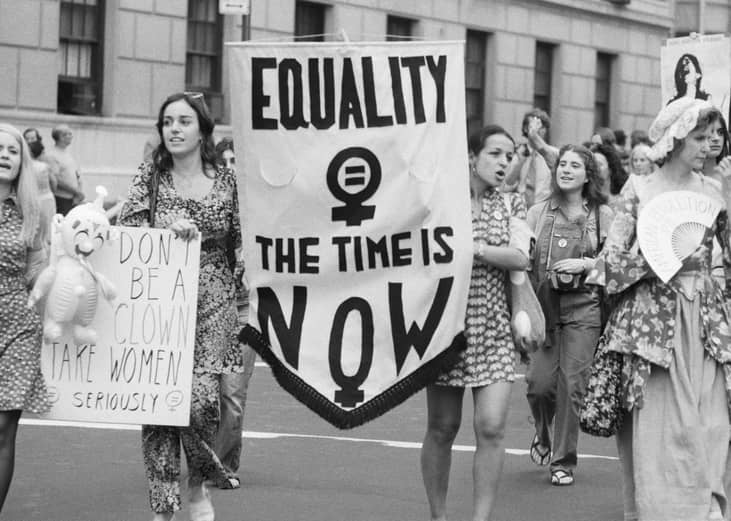
Anti-discrimination policies protecting pregnant workers have been in place since 1978, when the Pregnancy Discrimination Act (PDA) was passed as an amendment to the 1964 Civil Rights Act. The act applies to all aspects of employment, including discriminatory hiring practices, unjust firing, pay, and leave. Instances of pregnancy discrimination continue to be brought before the Supreme Court. However, as more modern cases like Young v. UPS (2015) demonstrate, protections like reasonable workplace accommodations for pregnant workers are still being denied. Low-wage workers and workers of color experience particularly high rates of pregnancy discrimination.
Pregnant trans and queer workers are often left out of the conversation of pregnancy discrimination, leaving them vulnerable to unfair treatment. This is due in part to the exclusionary language of anti-pregnancy discrimination policies, which only specify cisgender women as experiencing pregnancy. LGBTQIA+ workers already face discrimination in the workplace at staggering levels: In 2015, 77% of trans workers in the U.S. actively took measures to avoid mistreatment at work, including hiding their gender identity, delaying their transition, or quitting their jobs. Only as recently as 2021 did the Supreme Court rule that the Civil Rights Act offers workplace protections for trans and gay workers.
It goes without saying that unsafe or stressful work environments are not places where employees thrive, and the reverse is also true: Creating equitable workplaces isn’t just the right thing to do, but it results in better employee motivation, talent attraction and retention, and financially stronger companies. Employer support for parents with paid leave and flexibility results in those employers being more likely to return to work, meaning companies can retain expertise without as much turnover.