Goldman Environmental Prize via Reasons to Be Cheerful
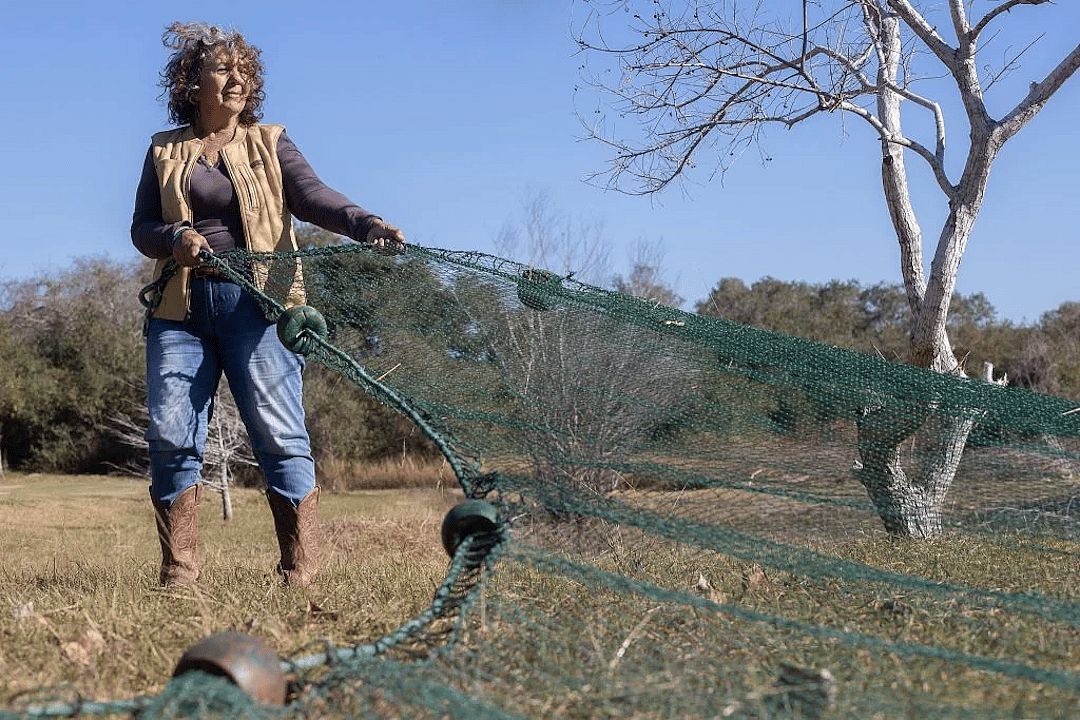
1 / 3Wilson's education ended with high school, but she self-educated in order to navigate the murky waters of scientific data and the legal world
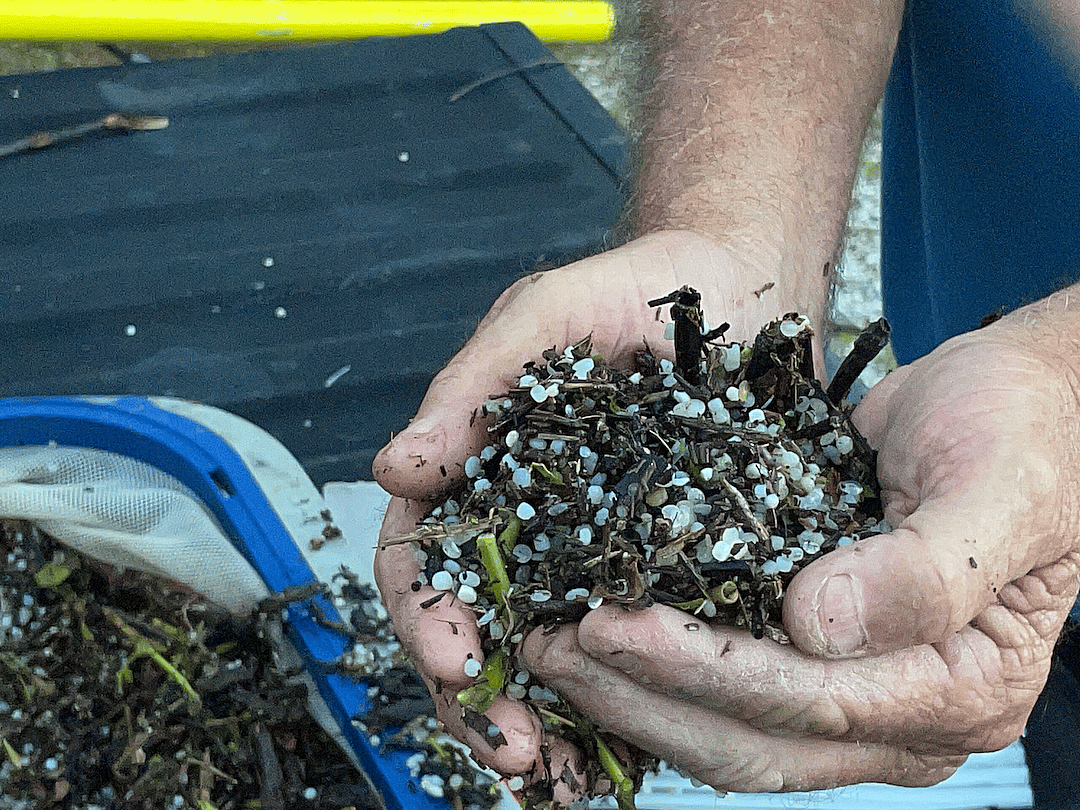
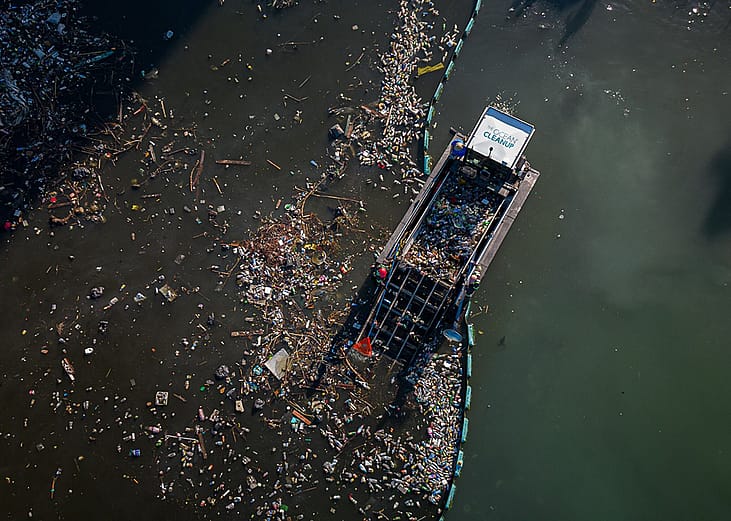
Famed environmental activist Erin Brockovich calls Wilson the "real Erin Brockovich" because in December 2019, a federal judge awarded Wilson and her coalition a historic $50 million dollar settlement — the largest win for an individual citizen against an industrial polluter ever in the history of the Clean Water Act. Wilson achieved this by doggedly collecting evidence of plastic and toxic waste pollution, storing it in her house and schlepping over 2,400 samples in ziplock bags, containing an estimated 26 million plastic pellets, to the courthouse on the first day of the trial.
She was also just honored with the 2023 Goldman Environmental Prize at the Kennedy Center, because her decades-long fight is an exemplary story of grit and determination, as well as a paradigm for how one individual could rally a community against all odds. Wilson calls it "Diane versus Goliath."
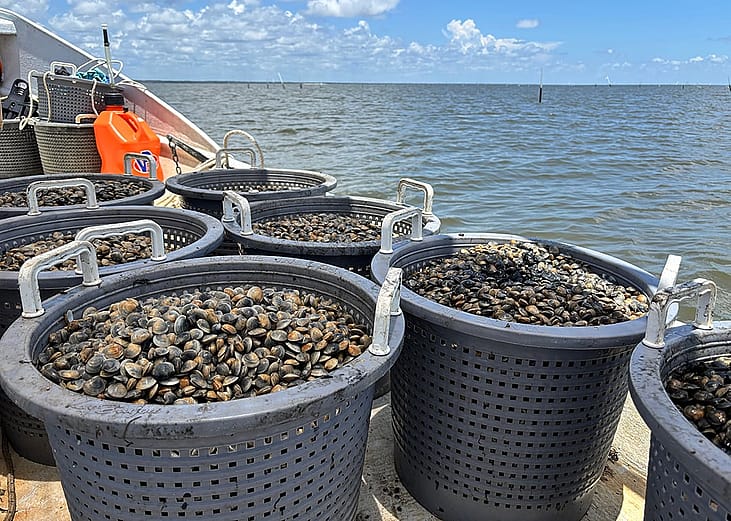
In 1994, Wilson won her first agreement against Formosa Plastics, a Taiwanese chemical company, which produces PVC (polyvinyl chloride) and other plastic components in Calhoun County. Her win included a "zero discharge agreement." The story could and should have ended right here, but the agreement didn't come with the power to enforce it. Fish kept dying. Fishermen kept getting cancer.
"It was almost like they used that agreement as an advertisement: 'See? We're zero emissions,'" Wilson says. "But in reality, they kept polluting. I have pictures of workers covered in PVC dust, which causes brain and liver cancer. I kept going to the EPA [Environmental Protection Agency], OSHA [Occupational Safety and Health Administration], and the Texas Commission on Environmental Quality (TCEQ) and others, and nobody was doing anything about it."
The mother of five, whose formal education peaked with a high school degree, became fluent in legalese, adept at convening with marine biologists and combing through scientific data. People kept calling her crazy. "Shrimpers don't like women in leadership roles anyway," she says from her home, a converted barn with strings of colorful purple and green lights. "Formosa employs nearly 2,000 people and pays well. People kept telling me I was wasting my time; nobody would take me seriously."
But she slowly won the locals' respect with her persistence. "Your actions do make a difference," she insists. "Someone will see it and believe that you stood up for them."