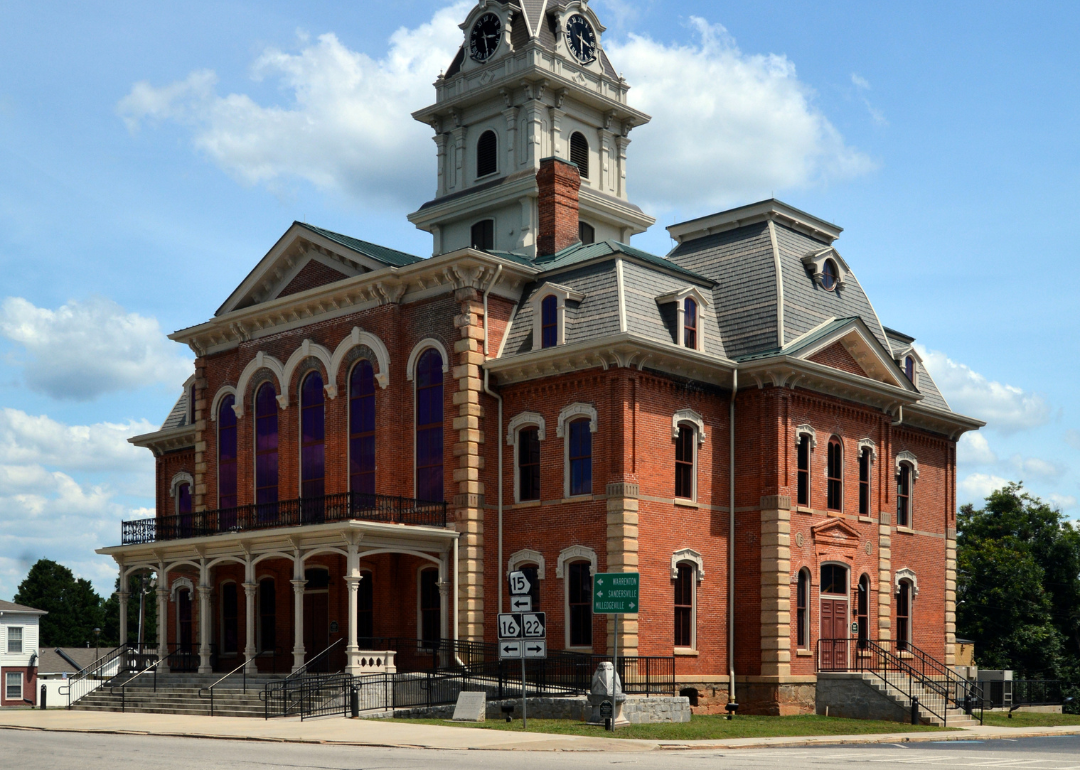
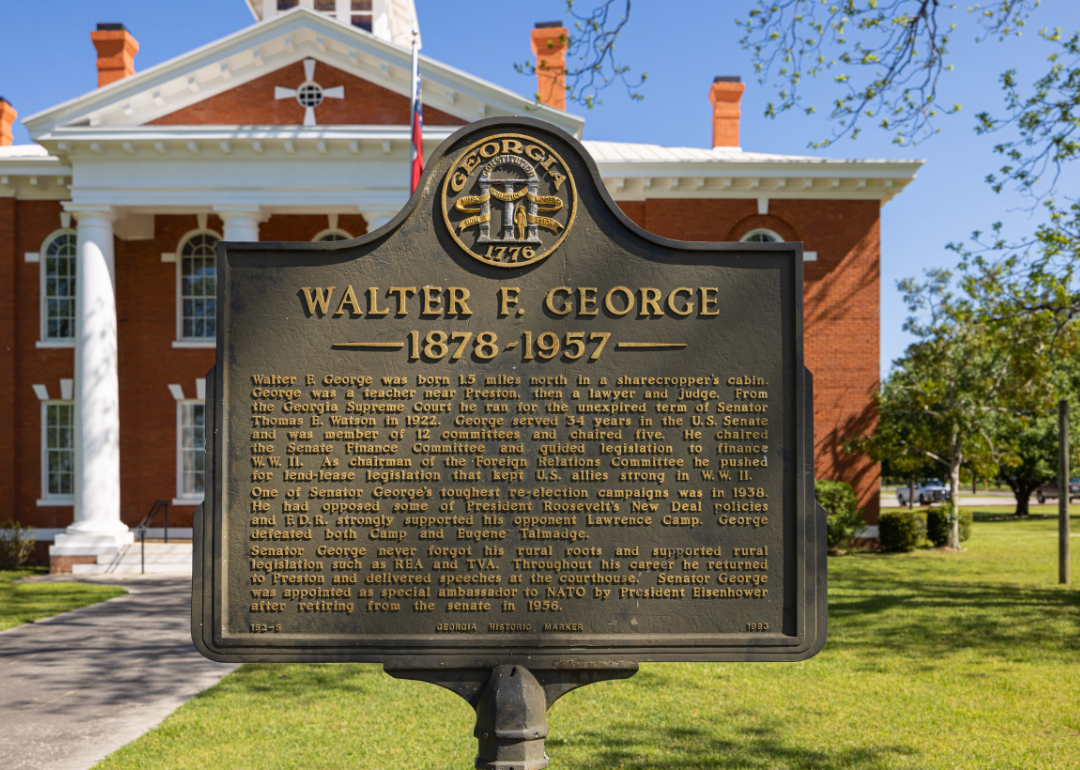
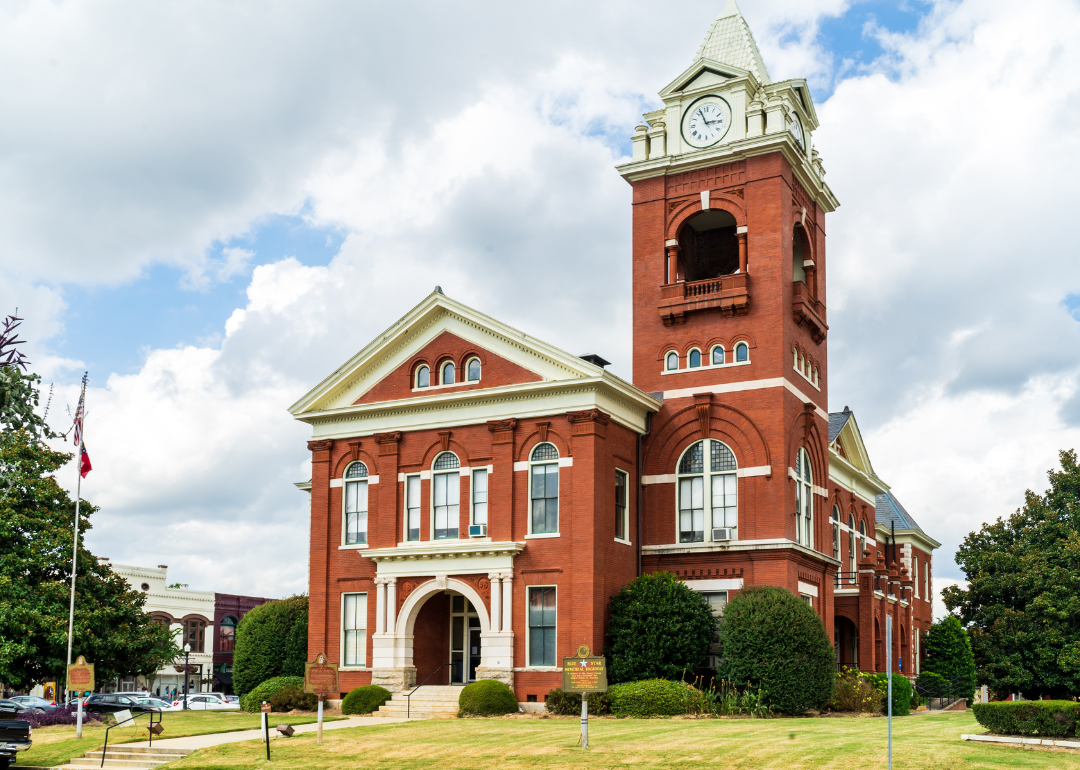
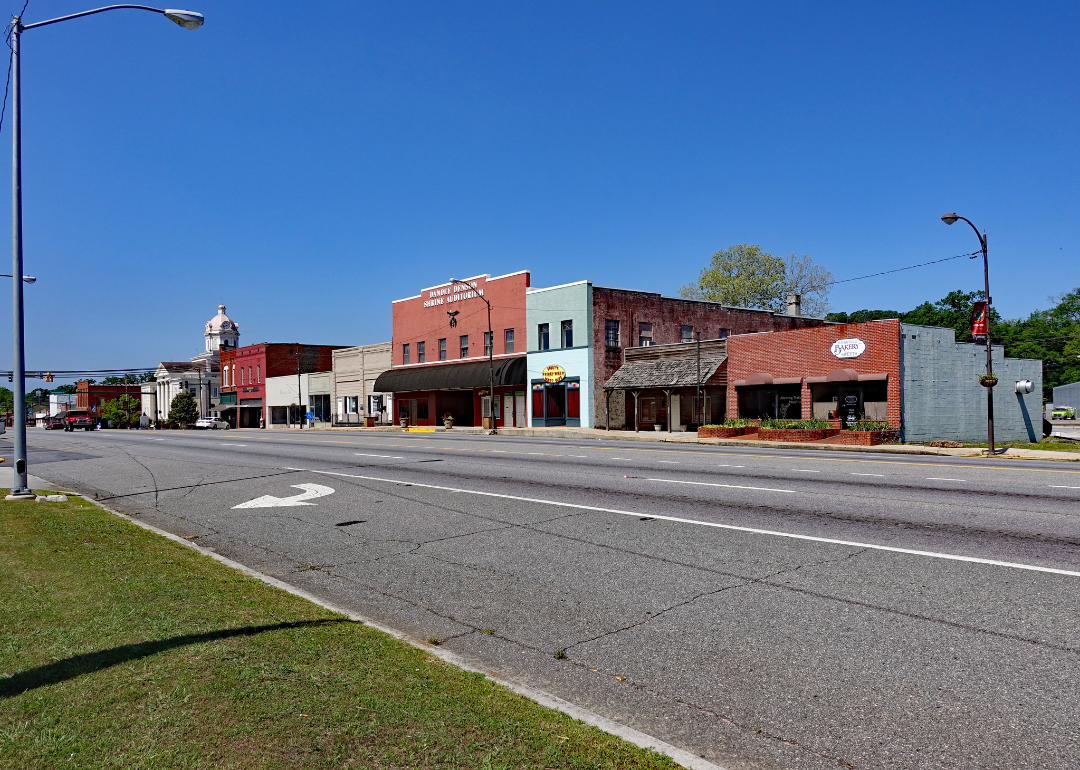
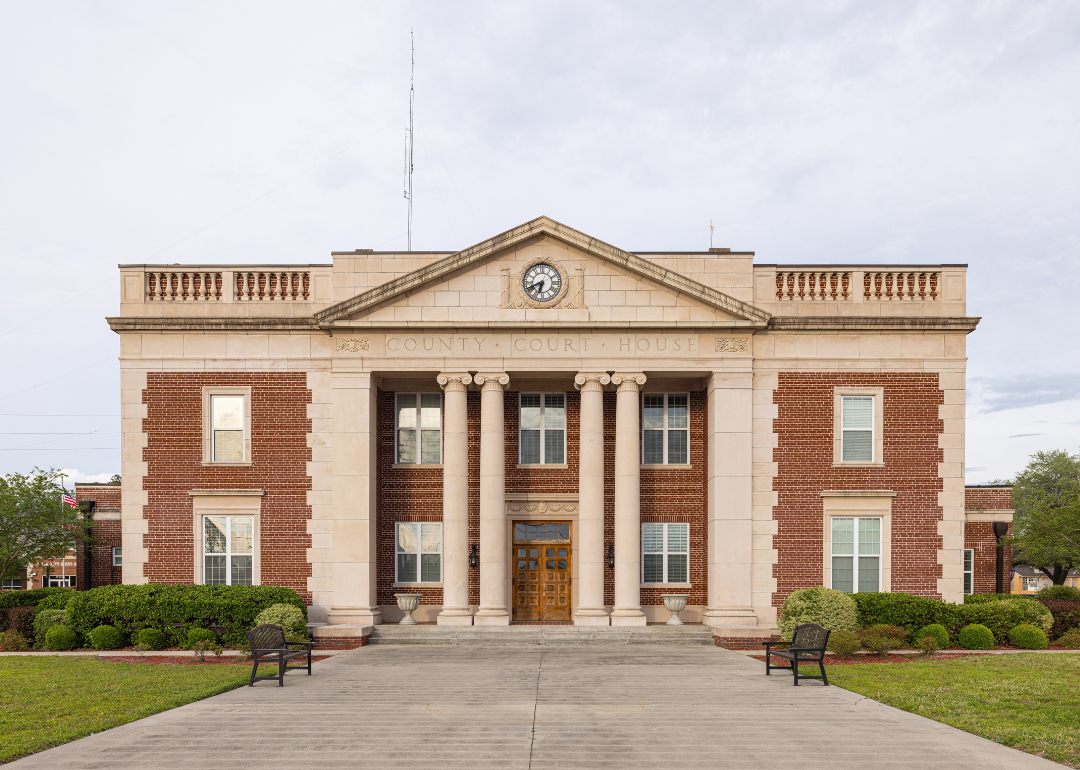
Lonely road: The counties in Georgia where people drive to work alone the most

·Stacker

Photoroyalty // Shutterstock

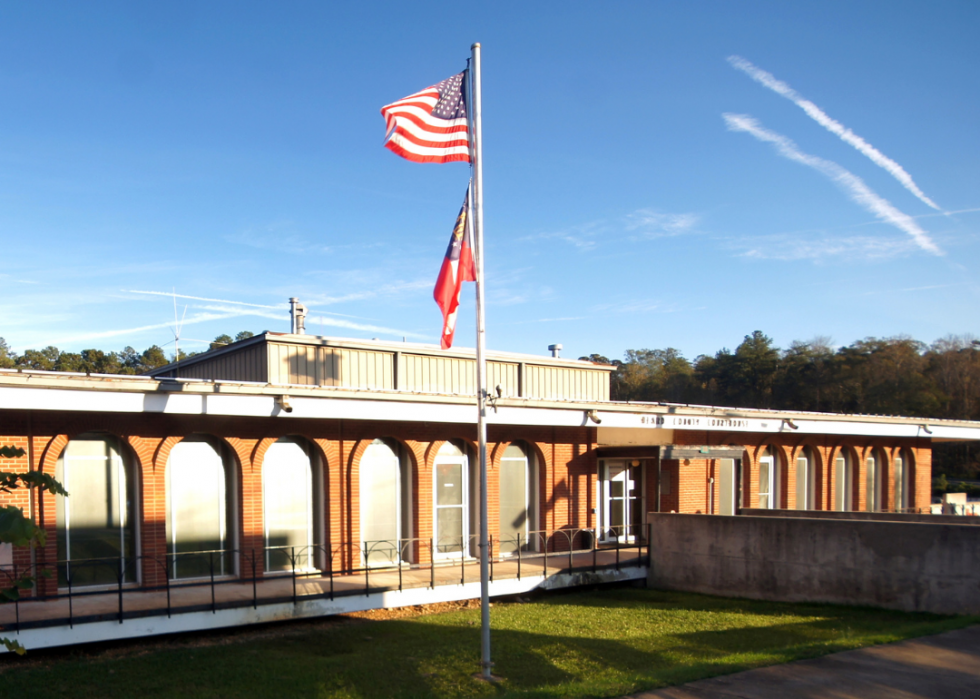
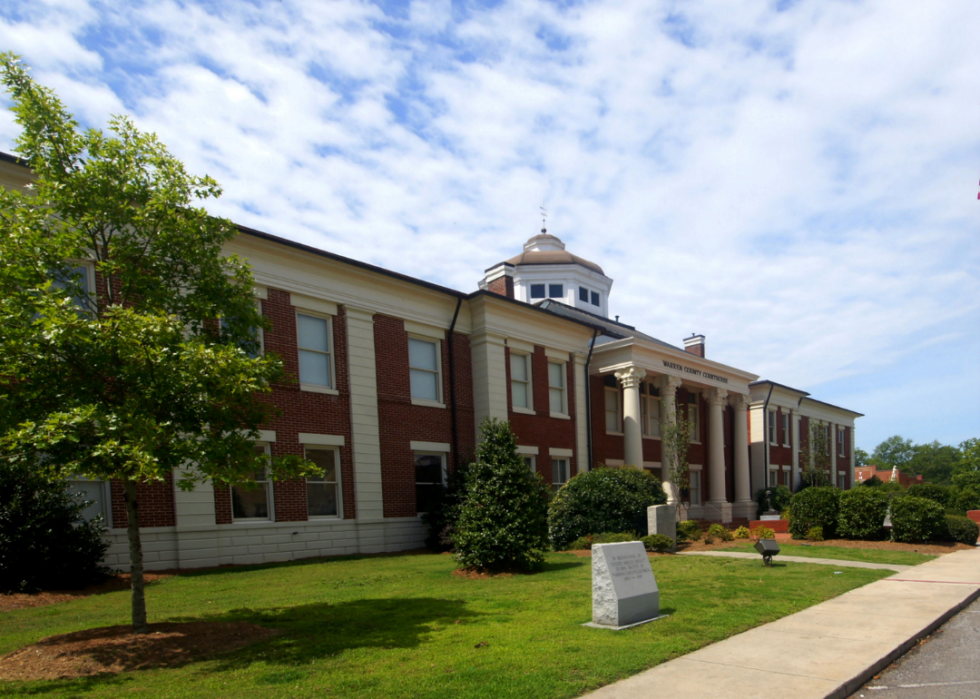
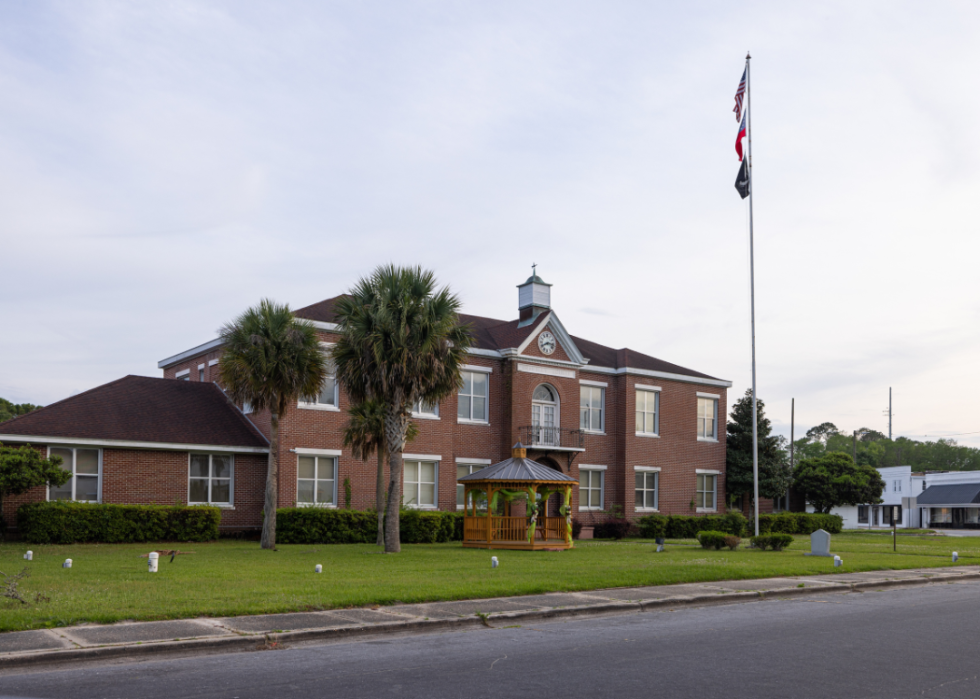
Rush hours are infamous for densely packed streets, seas of brake lights, and raging commuters—all products of a population that mostly drives alone.

About 7 in 10 Americans drive alone to work. That marks a new standard for the U.S. in the wake of the COVID-19 pandemic, which caused drive-alone commutes to drop as remote work became more widespread. Even so, driving alone remains the primary commuting method in the nation.

To identify areas where solo commutes remain most common, Truck Parking Club used Census Bureau data to map states by the share of people who drive to work alone, and to rank Georgia counties by their drive-alone rates. State-level figures are from 2023, while county-level data and comparisons are for 2022—the most recent data available in both cases. The analysis draws on other surveys and research to identify why these areas have more solo commuters and how it impacts individuals and their communities.

Americans drive alone to work more than their counterparts in peer nations. Across a selection of six countries, including China, Germany, and Brazil, the share of U.S. commuters who drove alone led the other nations by at least 10 percentage points in 2022, according to Statista's Global Consumer Survey. Researchers from the University of California, Berkeley, and other institutions found that most American cities have less access to jobs by walking or cycling than in European cities, and transit access to jobs falls behind other major cities throughout the world, according to a 2021 article in the journal Nature.

Research also shows that these driving habits often lead to physical inactivity, stress, anxiety, air-quality related health concerns, and a higher risk of car accidents. A high volume of people driving their own cars also creates congestion, which costs Americans valuable time—$733 worth of time on average in 2023 while spending 42 hours in traffic, according to data from transportation insights company Inrix. Some U.S. city economies lost billions in productivity and supply chain delays.

U.S. drive-alone rates hovered between 76% to 78% for decades, but dropped during the COVID-19 pandemic, falling to 68% in 2021. The rates have continued to hover below 70% through 2023, mitigating the adverse effects of driving alone. What's more, younger Americans acquire driver's licenses less often than previous generations, according to an analysis of Census data by the Washington Post published in 2023, meaning there are fewer drivers among the working-age population.

Still, the drop in drive-alone commutes has not happened evenly across the country. Read on to see where Americans—and Georgia residents—continue driving alone to work at the highest rates.

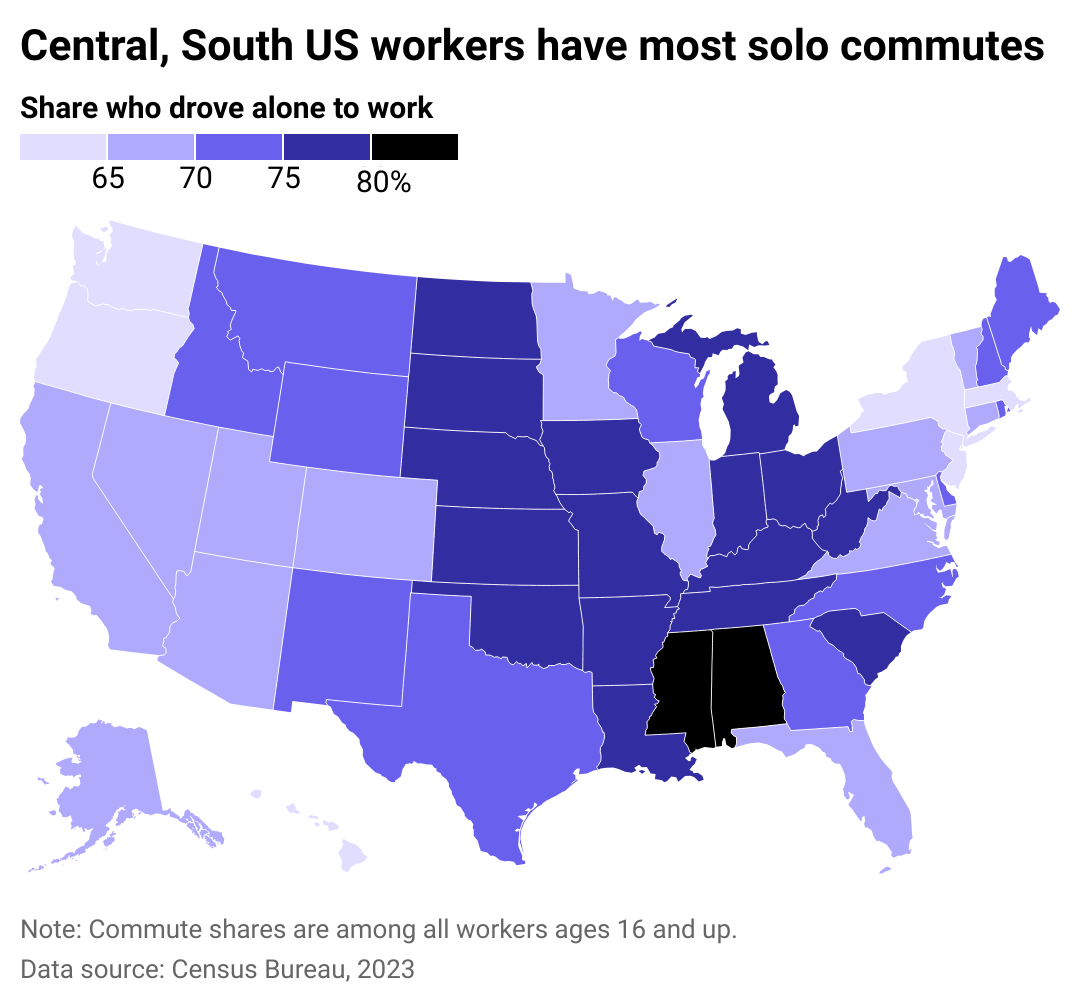
In the Northwest and mid-Atlantic, people drive to work alone at the lowest rates

Truck Parking Club

1 / 51

In the Northwest and mid-Atlantic, people drive to work alone at the lowest rates

In Georgia, 70.8% of workers over 16 drove alone for their commutes in 2023.

In general, states in the central part of the country had the highest rates of drive-alone commutes, between the central South and Midwest. Mississippi and Alabama were the top states for solo commutes, with about 8 in 10 people driving alone to work. They were followed closely by neighboring Louisiana and Arkansas, where 78.7% and 78.3% of commuters drove alone, respectively.

As of 2023, these states had below-average rates of remote work as compared to the rest of the nation. In Mississippi, for instance, only 5.5% of people worked from home, compared to 15.2% nationally. Lacking opportunities to work remotely, commuters in these states maintained their solo drives.

Most leading states also have below-average gas prices, making drive-alone commutes more affordable. And with lower population density, there is more space between homes and workplaces, making other transportation modes less feasible.

Meanwhile, states in the Northeast and Northwest have lower drive-alone rates. In New York, fewer than half of workers drive alone to work. Solo drivers comprise between 62% and 65% of commuters in Massachusetts, New Jersey, Hawai'i, Oregon, and Washington. Each has some combination of population density, heightened environmental consciousness, existing or expanding infrastructure for public transit, cycling, and walkability, and incentives for carpooling. As a result, residents of the Northeast and Northwest are more likely to use alternative commute methods.

Additionally, the Northeast and Northwest offer plentiful jobs in business, finance, information, and other professional services—industries with more capabilities for remote work, per 2023 data from the Bureau of Labor Statistics. Most employers in these industries increased telework after the pandemic's onset and continue to offer it at higher rates than the economy overall, BLS data shows. This further minimizes the need for drive-alone commutes in those areas.

Remote work opportunities have fallen since the pandemic's peak, and some have reverted back to their former driving habits. However, as the return of heavy traffic harms people's health, the economy, and the planet, and as gas prices in most areas of the country remain high, individuals and communities may continue seeking ways to cut down on their driving trips.

Read on to see the counties in Georgia with the most drive-alone commutes.

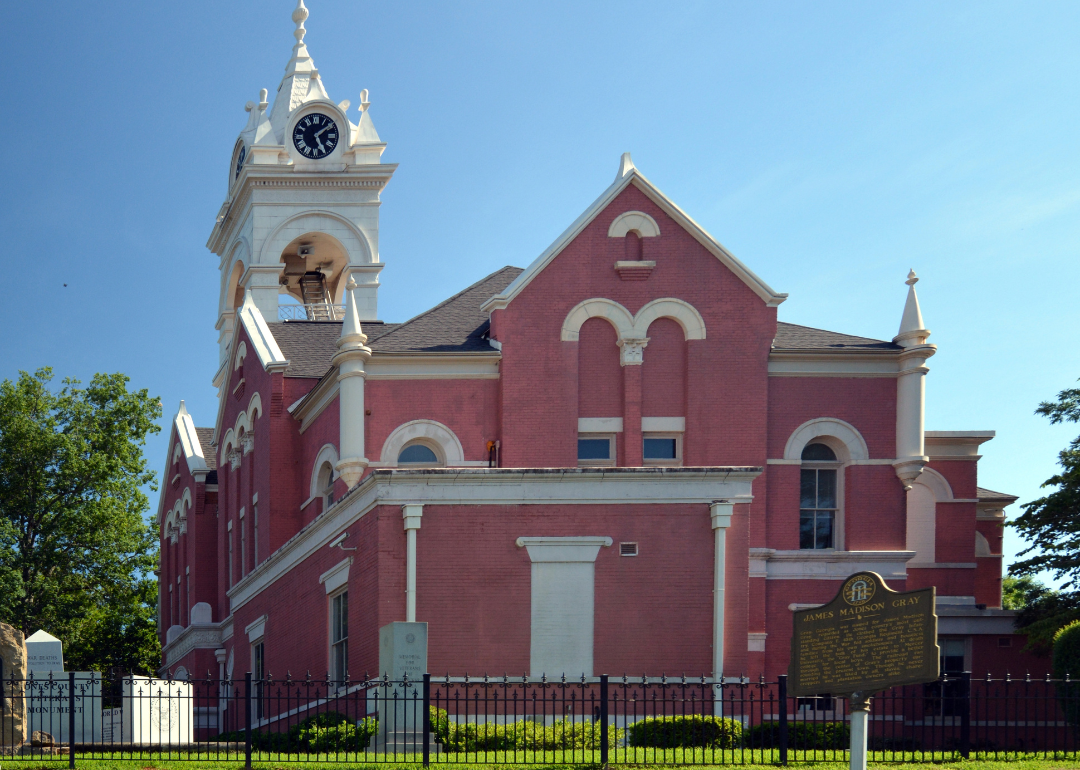
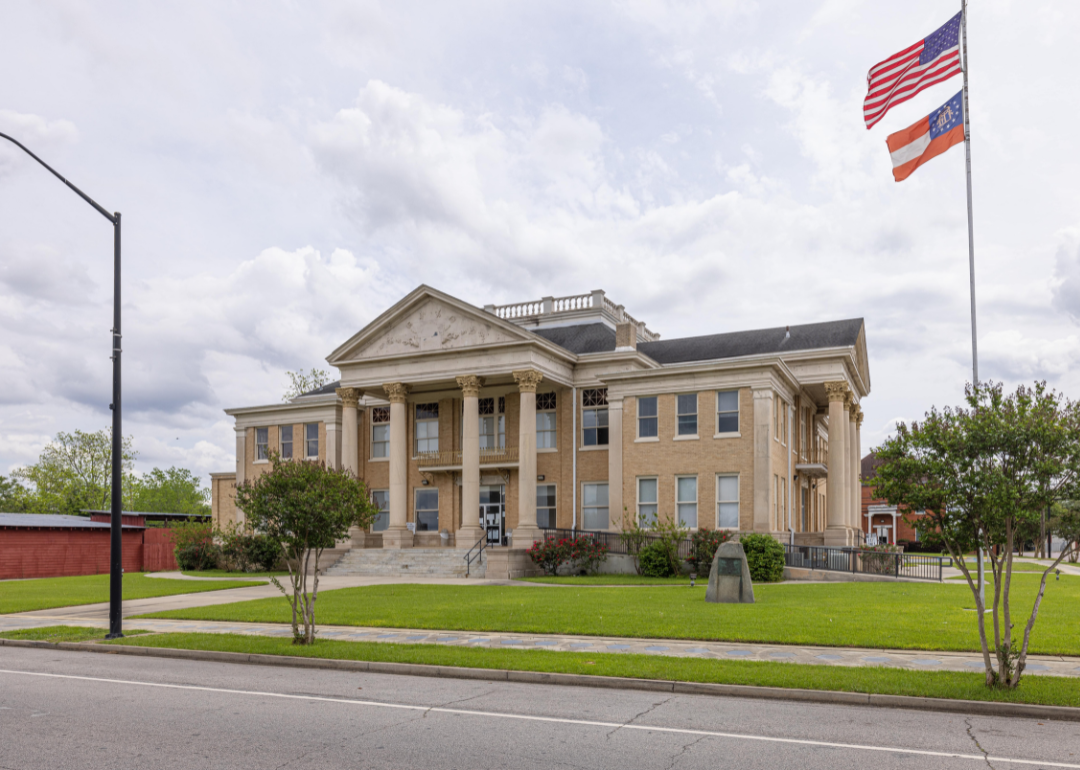
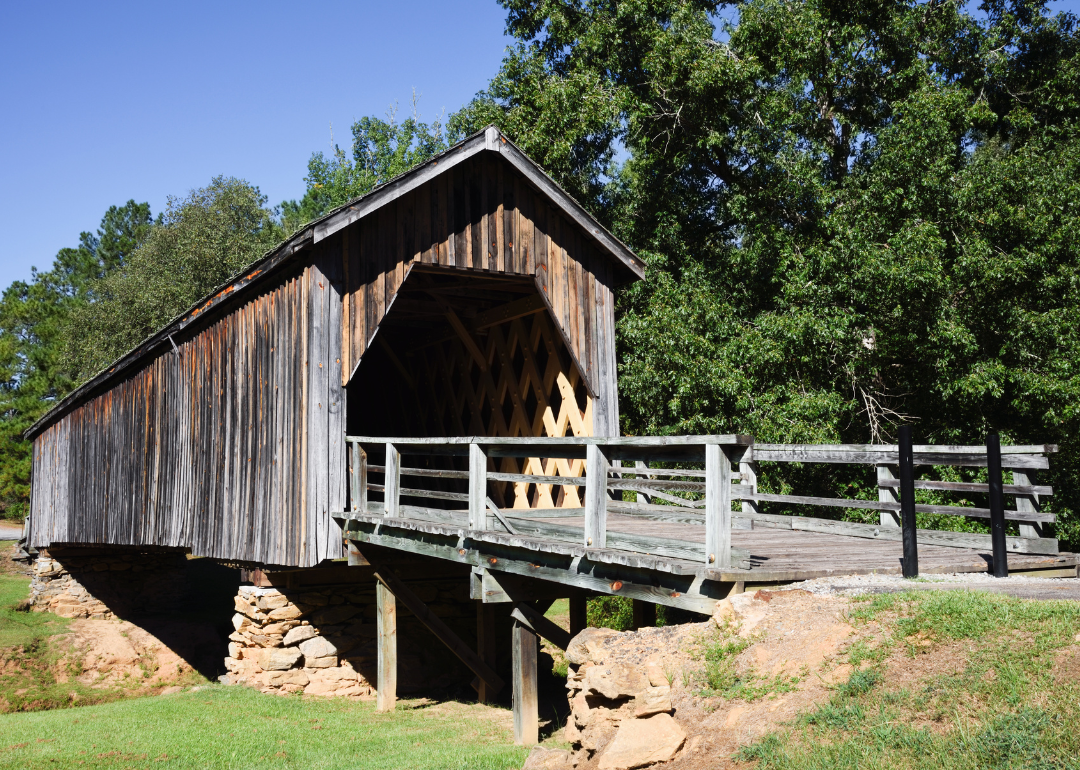
#49. Jasper County (tie)
Canva

2 / 51

#49. Jasper County (tie)

- Workers who drove alone: 83.7%
- Difference from state share: 12.9 percentage points higher
- Difference from national share: 12.0 percentage points higher

#49. Schley County (tie)

Roberto Galan // Shutterstock

3 / 51

#49. Schley County (tie)

- Workers who drove alone: 83.7%
- Difference from state share: 12.9 percentage points higher
- Difference from national share: 12.0 percentage points higher

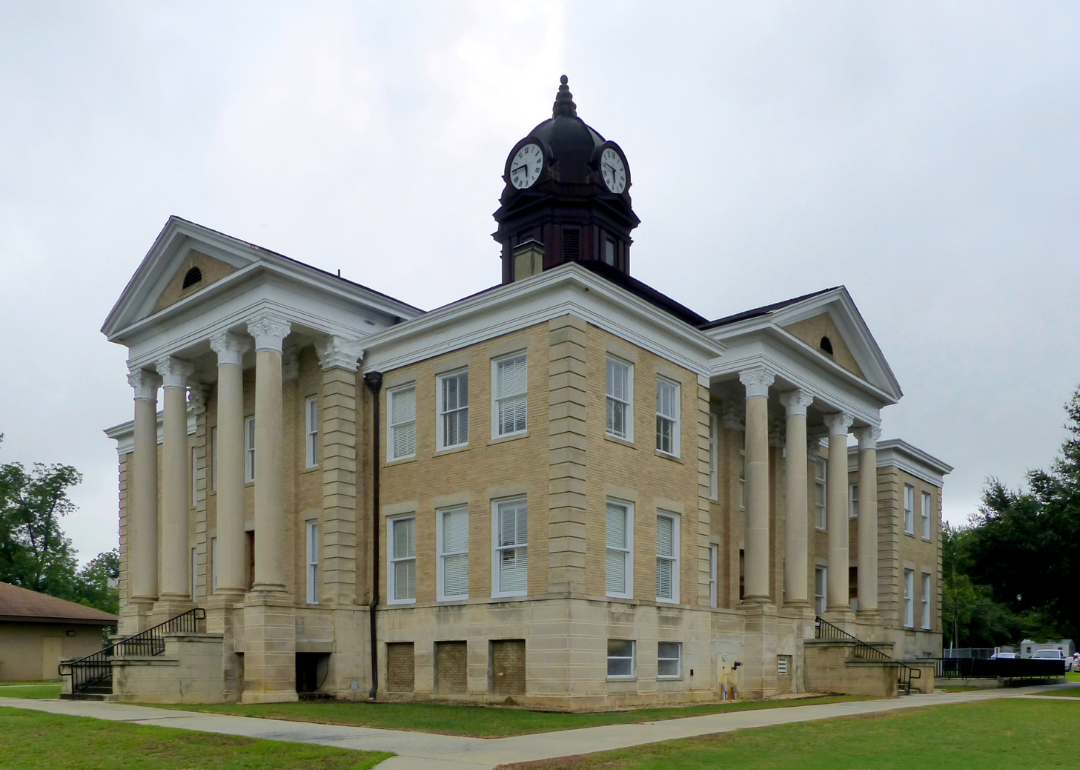
#46. Jones County (tie)

Canva

4 / 51

#46. Jones County (tie)

- Workers who drove alone: 83.9%
- Difference from state share: 13.1 percentage points higher
- Difference from national share: 12.2 percentage points higher

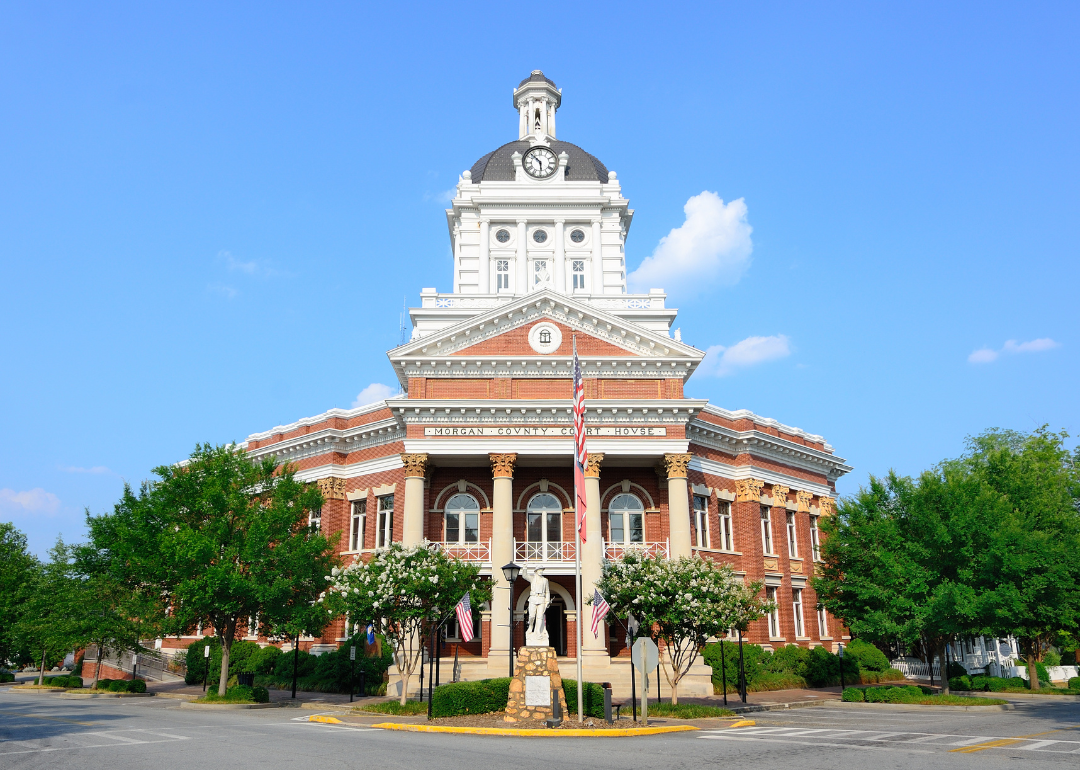
#46. Madison County (tie)

Sean Pavone // Shutterstock

5 / 51

#46. Madison County (tie)

- Workers who drove alone: 83.9%
- Difference from state share: 13.1 percentage points higher
- Difference from national share: 12.2 percentage points higher

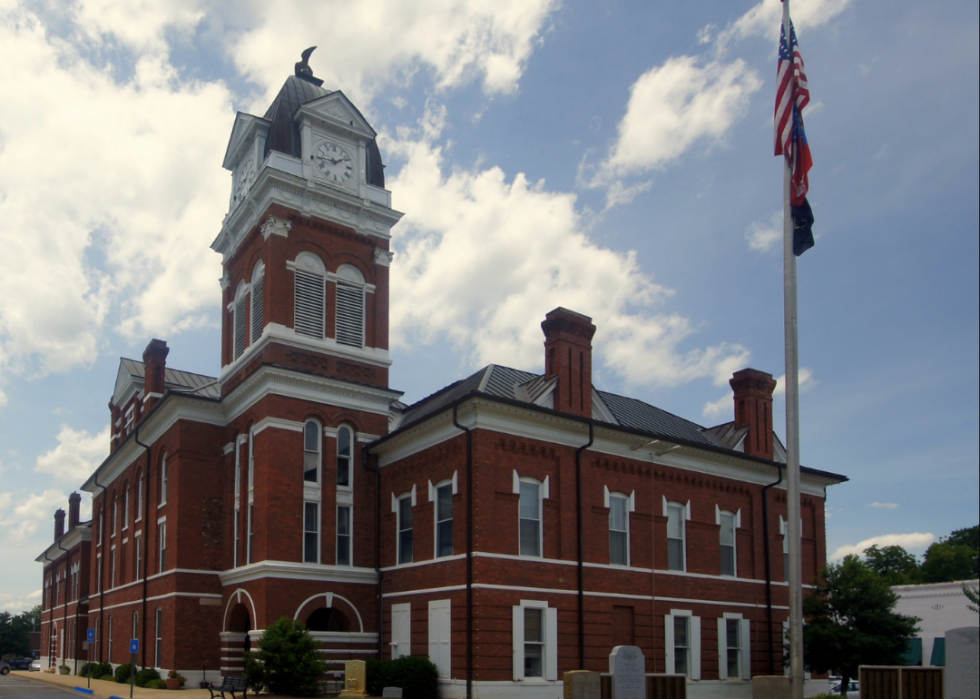
#46. Washington County (tie)

Canva

6 / 51

#46. Washington County (tie)

- Workers who drove alone: 83.9%
- Difference from state share: 13.1 percentage points higher
- Difference from national share: 12.2 percentage points higher

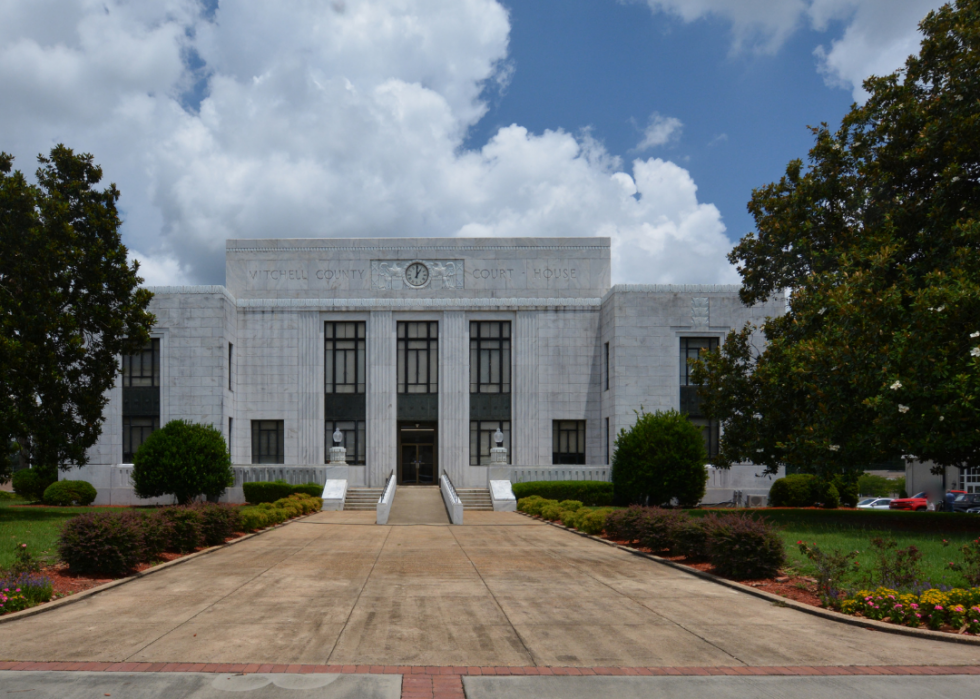
#42. Mitchell County (tie)

Canva

7 / 51

#42. Mitchell County (tie)

- Workers who drove alone: 84%
- Difference from state share: 13.2 percentage points higher
- Difference from national share: 12.3 percentage points higher

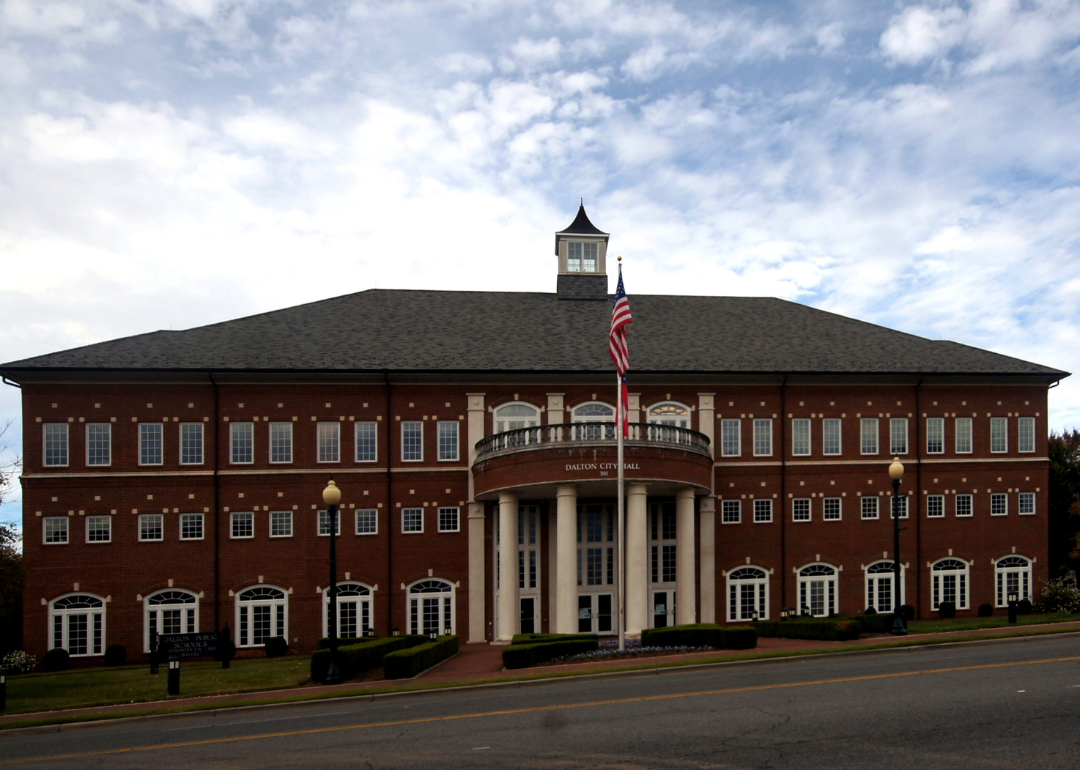
#42. Whitfield County (tie)

Canva

8 / 51

#42. Whitfield County (tie)

- Workers who drove alone: 84%
- Difference from state share: 13.2 percentage points higher
- Difference from national share: 12.3 percentage points higher

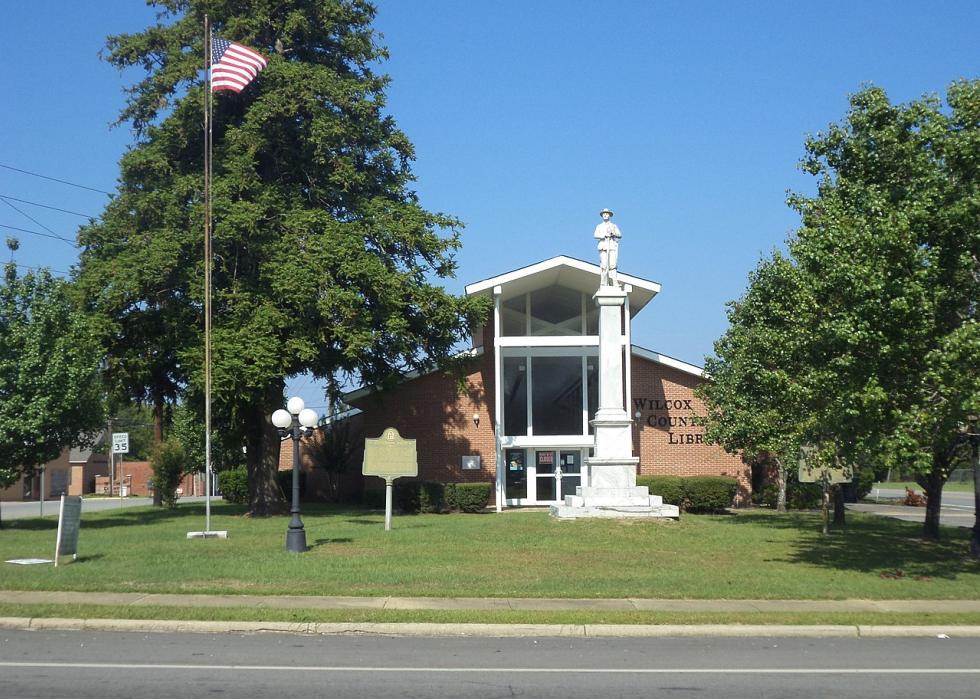
#42. Wilcox County (tie)

Roberto Galan // Shutterstock

9 / 51

#42. Wilcox County (tie)

- Workers who drove alone: 84%
- Difference from state share: 13.2 percentage points higher
- Difference from national share: 12.3 percentage points higher

#42. Worth County (tie)

Canva

10 / 51

#42. Worth County (tie)

- Workers who drove alone: 84%
- Difference from state share: 13.2 percentage points higher
- Difference from national share: 12.3 percentage points higher

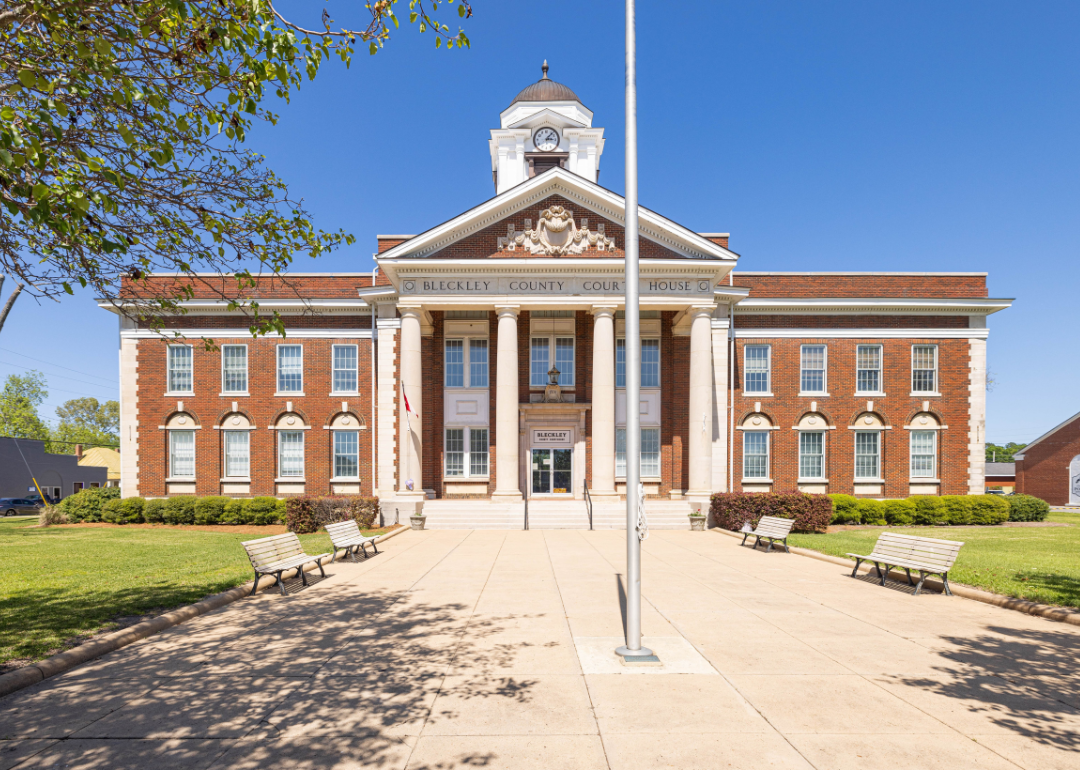
#41. Bleckley County

Roberto Galan // Shutterstock

11 / 51

#41. Bleckley County

- Workers who drove alone: 84.1%
- Difference from state share: 13.3 percentage points higher
- Difference from national share: 12.4 percentage points higher

#39. Ben Hill County (tie)

Roberto Galan // Shutterstock

12 / 51

#39. Ben Hill County (tie)

- Workers who drove alone: 84.2%
- Difference from state share: 13.4 percentage points higher
- Difference from national share: 12.5 percentage points higher

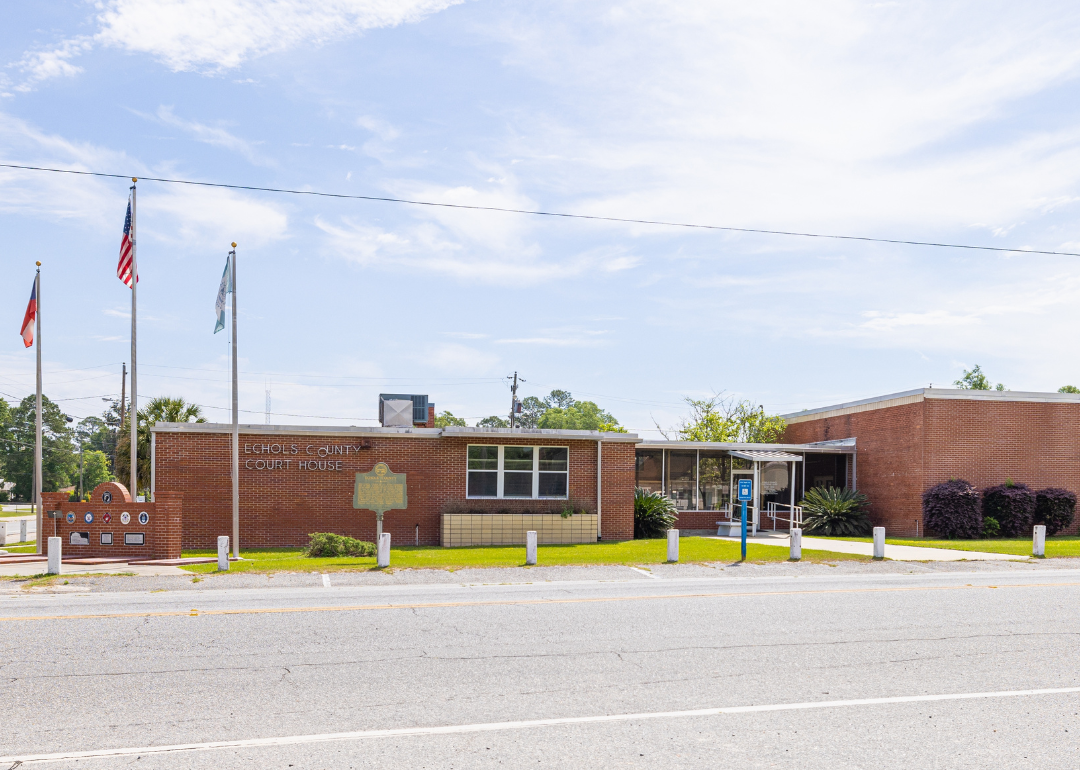
#39. Echols County (tie)

Roberto Galan // Shutterstock

13 / 51

#39. Echols County (tie)

- Workers who drove alone: 84.2%
- Difference from state share: 13.4 percentage points higher
- Difference from national share: 12.5 percentage points higher

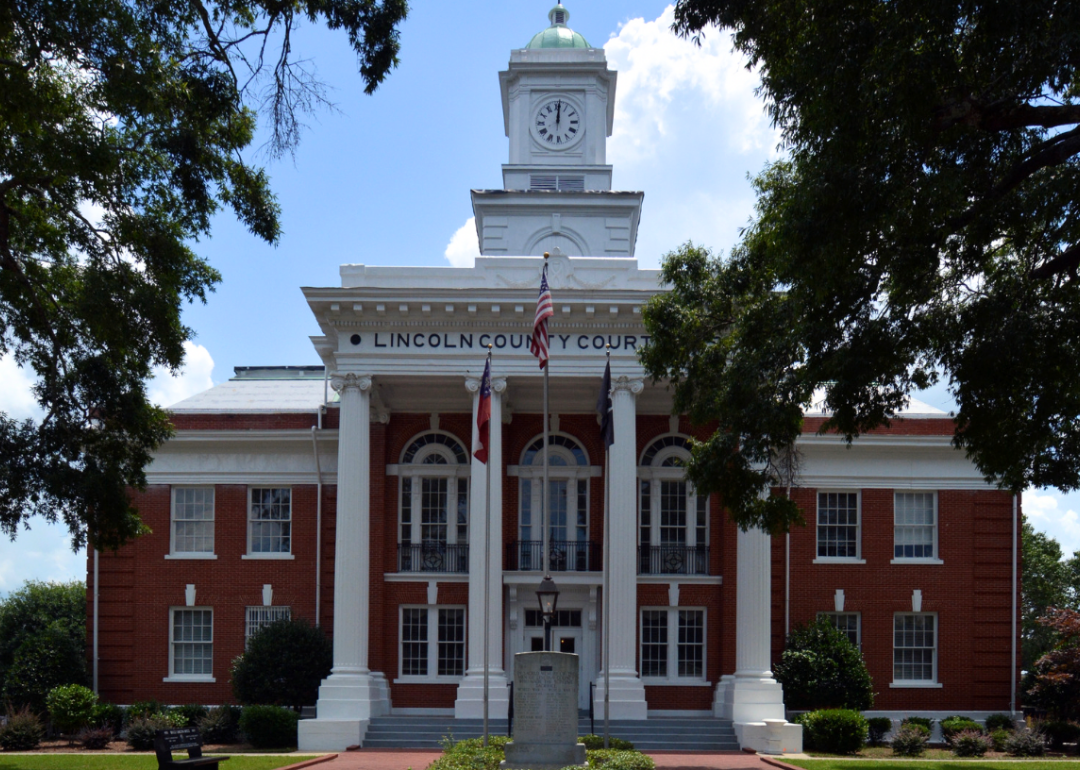
#38. Lincoln County

Canva

14 / 51

#38. Lincoln County

- Workers who drove alone: 84.4%
- Difference from state share: 13.6 percentage points higher
- Difference from national share: 12.7 percentage points higher

#36. Irwin County (tie)

Canva

15 / 51

#36. Irwin County (tie)

- Workers who drove alone: 84.5%
- Difference from state share: 13.7 percentage points higher
- Difference from national share: 12.8 percentage points higher

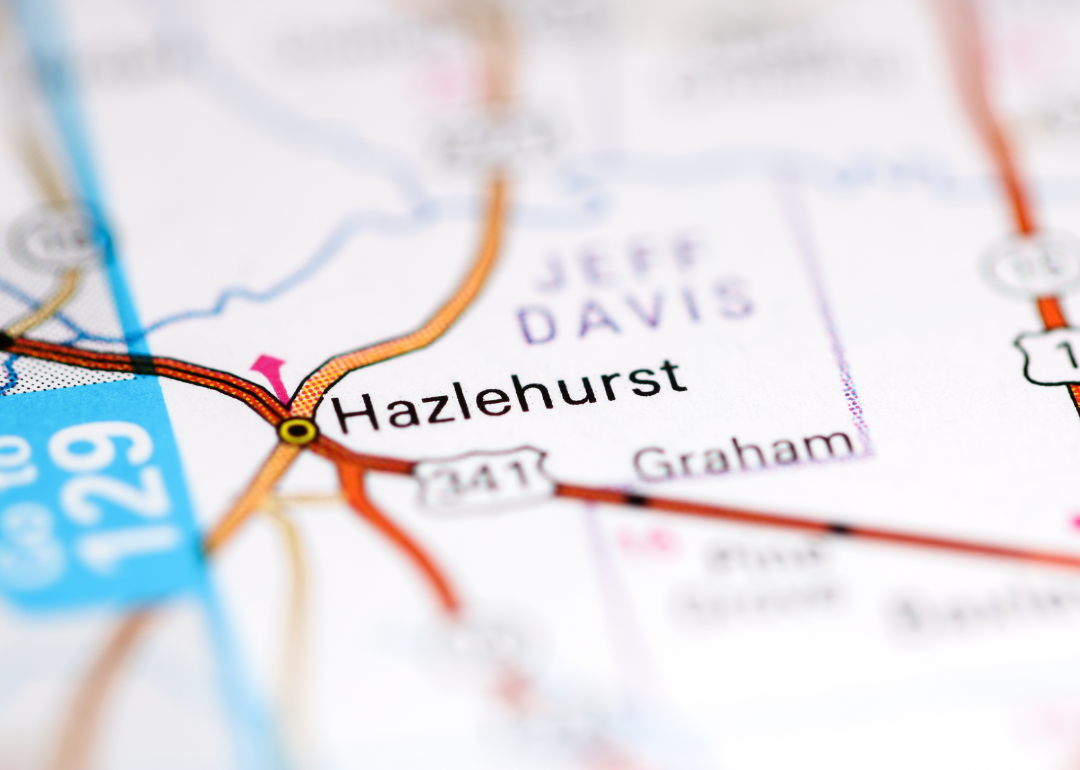
#36. Jeff Davis County (tie)

SevenMaps // Shutterstock

16 / 51

#36. Jeff Davis County (tie)

- Workers who drove alone: 84.5%
- Difference from state share: 13.7 percentage points higher
- Difference from national share: 12.8 percentage points higher

#35. Meriwether County

Canva

17 / 51

#35. Meriwether County

- Workers who drove alone: 84.6%
- Difference from state share: 13.8 percentage points higher
- Difference from national share: 12.9 percentage points higher

#33. Catoosa County (tie)

Canva

18 / 51

#33. Catoosa County (tie)

- Workers who drove alone: 84.7%
- Difference from state share: 13.9 percentage points higher
- Difference from national share: 13.0 percentage points higher

#33. Spalding County (tie)

Georges_Creations // Shutterstock

19 / 51

#33. Spalding County (tie)

- Workers who drove alone: 84.7%
- Difference from state share: 13.9 percentage points higher
- Difference from national share: 13.0 percentage points higher

#32. Oglethorpe County

Canva

20 / 51

#32. Oglethorpe County

- Workers who drove alone: 84.8%
- Difference from state share: 14.0 percentage points higher
- Difference from national share: 13.1 percentage points higher

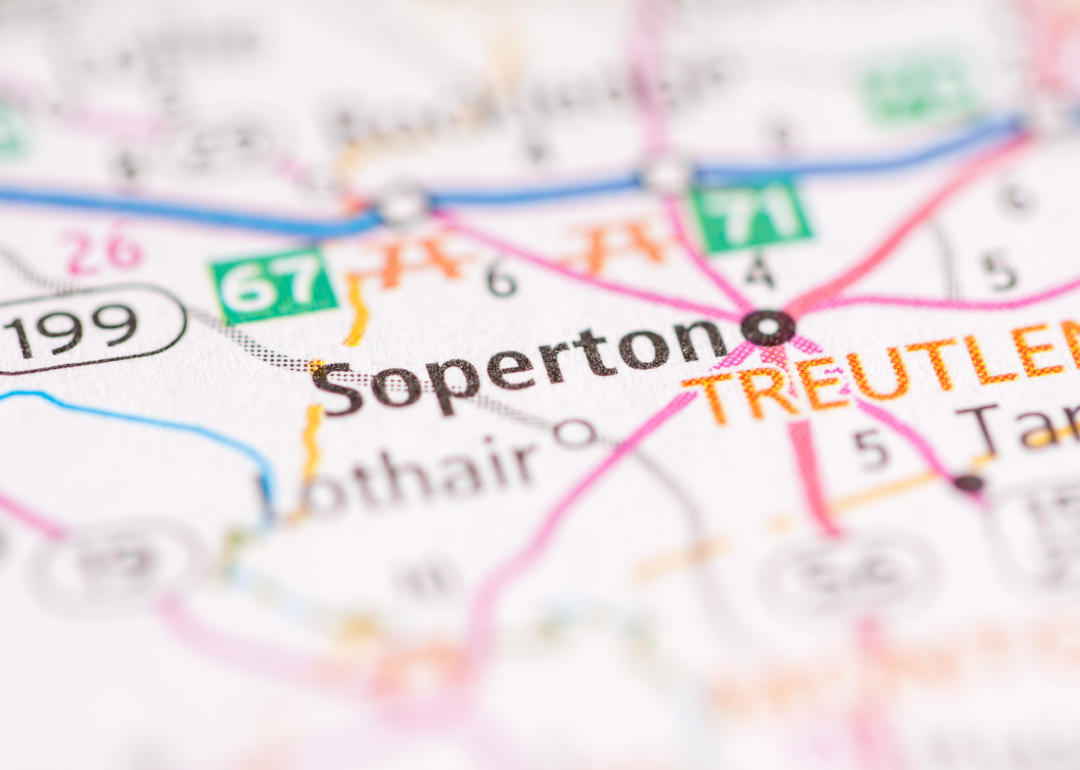
#30. Treutlen County (tie)

SevenMaps // Shutterstock

21 / 51

#30. Treutlen County (tie)

- Workers who drove alone: 85%
- Difference from state share: 14.2 percentage points higher
- Difference from national share: 13.3 percentage points higher

#30. Ware County (tie)

Canva

22 / 51

#30. Ware County (tie)

- Workers who drove alone: 85%
- Difference from state share: 14.2 percentage points higher
- Difference from national share: 13.3 percentage points higher

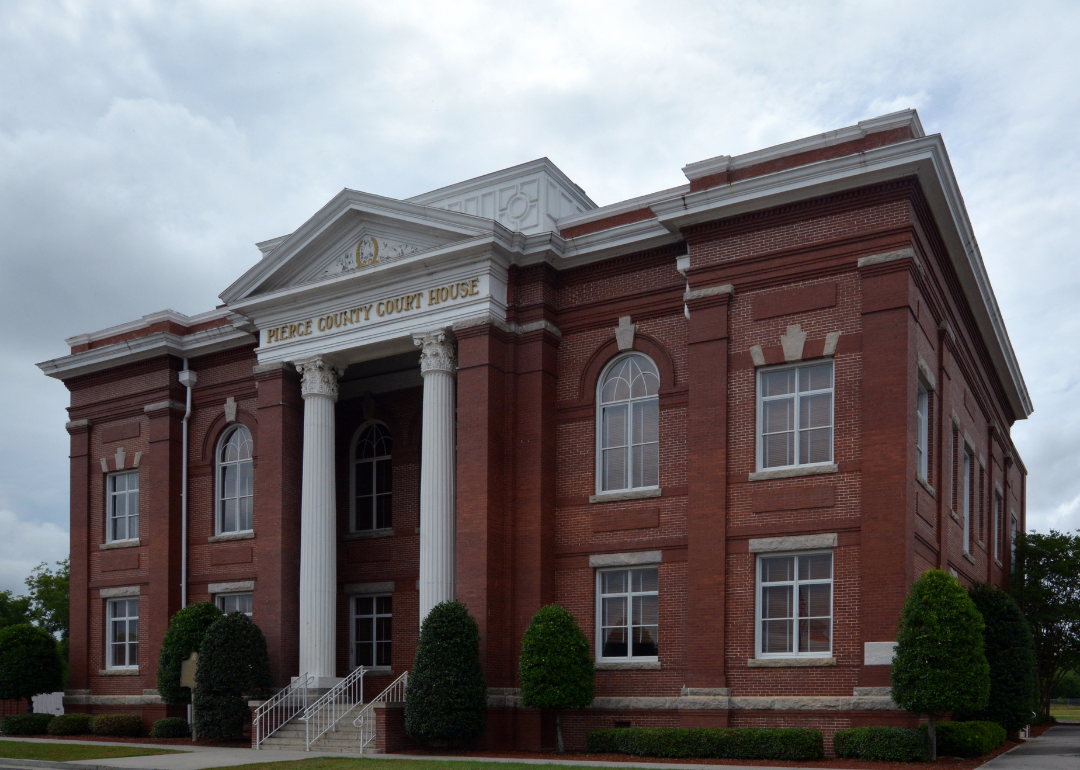
#29. Pierce County

Canva

23 / 51

#29. Pierce County

- Workers who drove alone: 85.1%
- Difference from state share: 14.3 percentage points higher
- Difference from national share: 13.4 percentage points higher

#26. Berrien County (tie)

Canva

24 / 51

#26. Berrien County (tie)

- Workers who drove alone: 85.2%
- Difference from state share: 14.4 percentage points higher
- Difference from national share: 13.5 percentage points higher

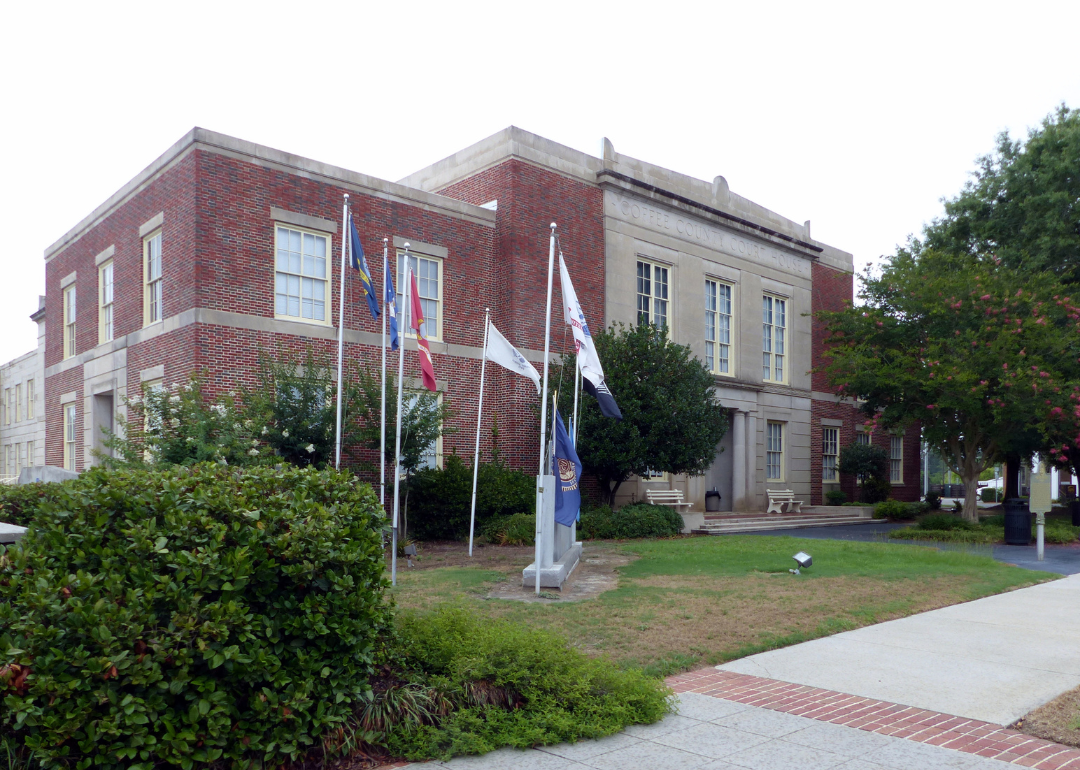
#26. Coffee County (tie)

Canva

25 / 51

#26. Coffee County (tie)

- Workers who drove alone: 85.2%
- Difference from state share: 14.4 percentage points higher
- Difference from national share: 13.5 percentage points higher

#26. Wilkes County (tie)

Canva

26 / 51

#26. Wilkes County (tie)

- Workers who drove alone: 85.2%
- Difference from state share: 14.4 percentage points higher
- Difference from national share: 13.5 percentage points higher

#25. Lamar County

JFFC // Shutterstock

27 / 51

#25. Lamar County

- Workers who drove alone: 85.3%
- Difference from state share: 14.5 percentage points higher
- Difference from national share: 13.6 percentage points higher

#24. Pike County

Canva

28 / 51

#24. Pike County

- Workers who drove alone: 85.4%
- Difference from state share: 14.6 percentage points higher
- Difference from national share: 13.7 percentage points higher

#23. Hancock County

Canva

29 / 51

#23. Hancock County

- Workers who drove alone: 85.6%
- Difference from state share: 14.8 percentage points higher
- Difference from national share: 13.9 percentage points higher

#22. Webster County

Roberto Galan // Shutterstock

30 / 51

#22. Webster County

- Workers who drove alone: 85.8%
- Difference from state share: 15.0 percentage points higher
- Difference from national share: 14.1 percentage points higher

#20. Butts County (tie)

Georges_Creations // Shutterstock

31 / 51

#20. Butts County (tie)

- Workers who drove alone: 85.9%
- Difference from state share: 15.1 percentage points higher
- Difference from national share: 14.2 percentage points higher

#20. Chattooga County (tie)

Thomas Barrat // Shutterstock

32 / 51

#20. Chattooga County (tie)

- Workers who drove alone: 85.9%
- Difference from state share: 15.1 percentage points higher
- Difference from national share: 14.2 percentage points higher

#19. Heard County

Canva

33 / 51

#19. Heard County

- Workers who drove alone: 86.2%
- Difference from state share: 15.4 percentage points higher
- Difference from national share: 14.5 percentage points higher

#17. Warren County (tie)

Canva

34 / 51

#17. Warren County (tie)

- Workers who drove alone: 86.4%
- Difference from state share: 15.6 percentage points higher
- Difference from national share: 14.7 percentage points higher

#17. Wilkinson County (tie)

SevenMaps // Shutterstock

35 / 51

#17. Wilkinson County (tie)

- Workers who drove alone: 86.4%
- Difference from state share: 15.6 percentage points higher
- Difference from national share: 14.7 percentage points higher

#15. Brantley County (tie)

Roberto Galan // Shutterstock

36 / 51

#15. Brantley County (tie)

- Workers who drove alone: 86.5%
- Difference from state share: 15.7 percentage points higher
- Difference from national share: 14.8 percentage points higher

#15. Monroe County (tie)

Canva

37 / 51

#15. Monroe County (tie)

- Workers who drove alone: 86.5%
- Difference from state share: 15.7 percentage points higher
- Difference from national share: 14.8 percentage points higher

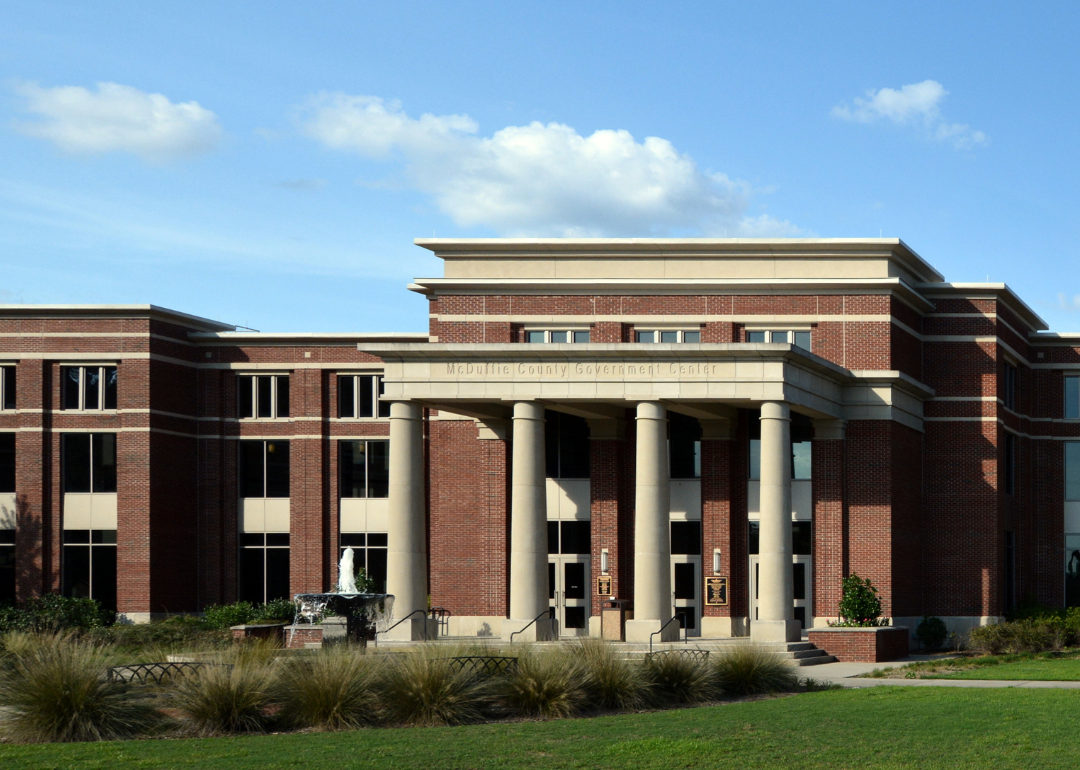
#13. McDuffie County (tie)

Canva

38 / 51

#13. McDuffie County (tie)

- Workers who drove alone: 86.6%
- Difference from state share: 15.8 percentage points higher
- Difference from national share: 14.9 percentage points higher

#13. Murray County (tie)

Jeff Kinsey // Shutterstock

39 / 51

#13. Murray County (tie)

- Workers who drove alone: 86.6%
- Difference from state share: 15.8 percentage points higher
- Difference from national share: 14.9 percentage points higher

#11. Bacon County (tie)

Conchi Martinez // Shutterstock

40 / 51

#11. Bacon County (tie)

- Workers who drove alone: 86.7%
- Difference from state share: 15.9 percentage points higher
- Difference from national share: 15.0 percentage points higher

#11. Upson County (tie)

Canva

41 / 51

#11. Upson County (tie)

- Workers who drove alone: 86.7%
- Difference from state share: 15.9 percentage points higher
- Difference from national share: 15.0 percentage points higher

#10. Laurens County

Canva

42 / 51

#10. Laurens County

- Workers who drove alone: 87.1%
- Difference from state share: 16.3 percentage points higher
- Difference from national share: 15.4 percentage points higher

#9. Effingham County

Canva

43 / 51

#9. Effingham County

- Workers who drove alone: 87.3%
- Difference from state share: 16.5 percentage points higher
- Difference from national share: 15.6 percentage points higher

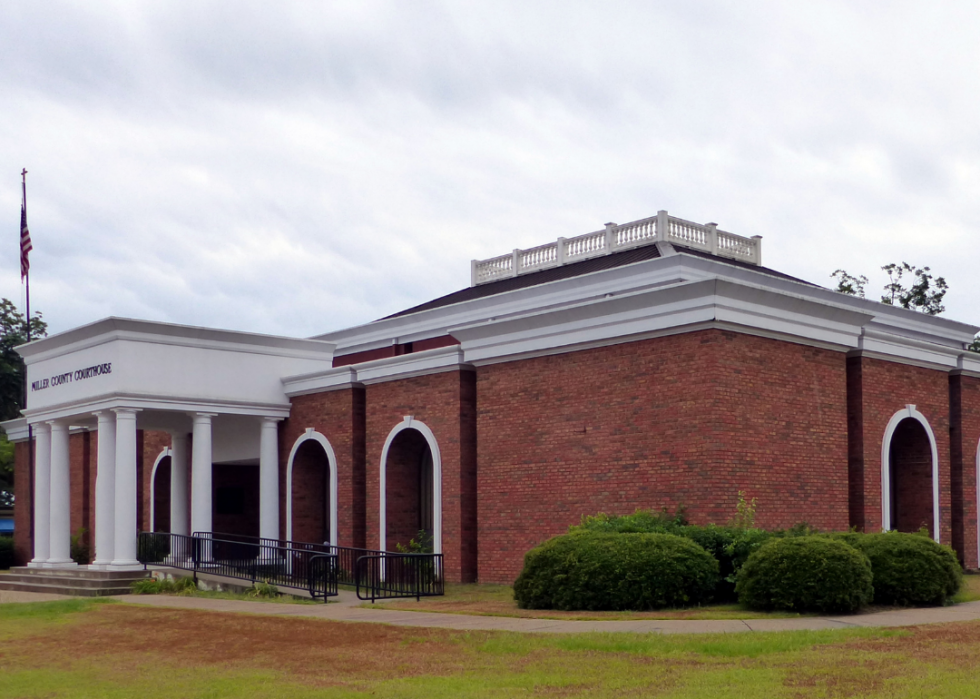
#8. Miller County

Canva

44 / 51

#8. Miller County

- Workers who drove alone: 87.6%
- Difference from state share: 16.8 percentage points higher
- Difference from national share: 15.9 percentage points higher

#7. Baker County

Roberto Galan // Shutterstock

45 / 51

#7. Baker County

- Workers who drove alone: 88.9%
- Difference from state share: 18.1 percentage points higher
- Difference from national share: 17.2 percentage points higher

#6. Quitman County

Roberto Galan // Shutterstock

46 / 51

#6. Quitman County

- Workers who drove alone: 89%
- Difference from state share: 18.2 percentage points higher
- Difference from national share: 17.3 percentage points higher

#5. Pulaski County

Roberto Galan // Shutterstock

47 / 51

#5. Pulaski County

- Workers who drove alone: 90%
- Difference from state share: 19.2 percentage points higher
- Difference from national share: 18.3 percentage points higher

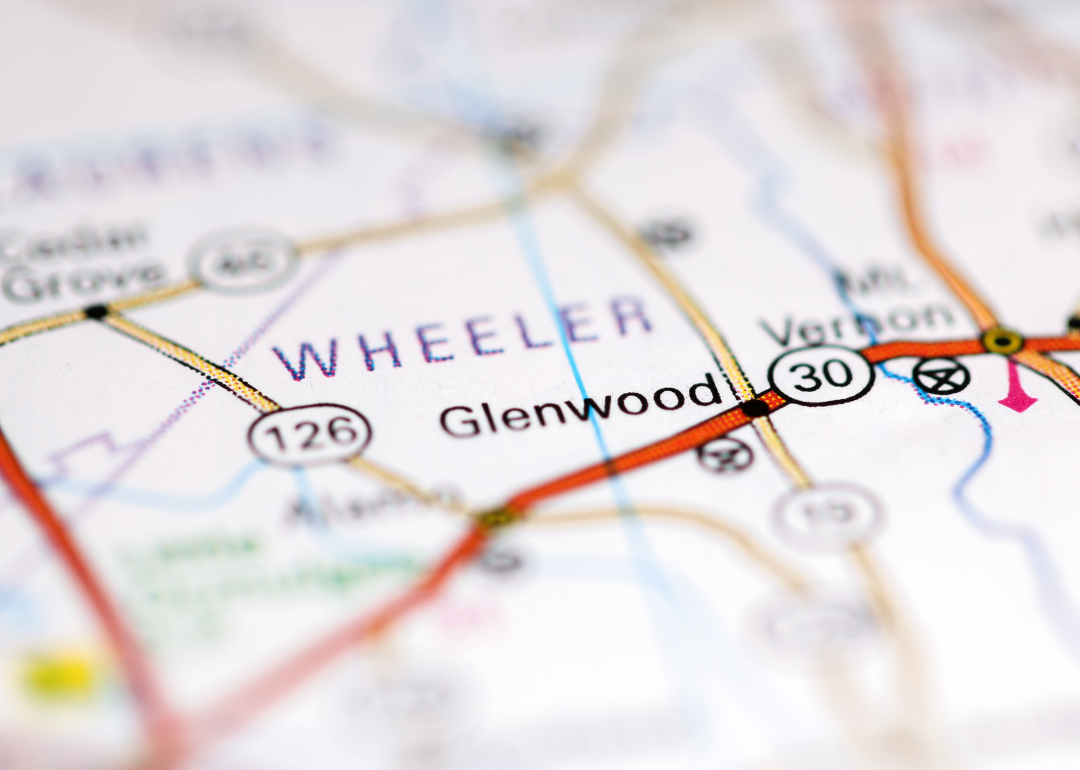
#4. Wheeler County

SevenMaps // Shutterstock

48 / 51

#4. Wheeler County

- Workers who drove alone: 90.2%
- Difference from state share: 19.4 percentage points higher
- Difference from national share: 18.5 percentage points higher

#3. Telfair County

Norm Lane // Shutterstock

49 / 51

#3. Telfair County

- Workers who drove alone: 92.2%
- Difference from state share: 21.4 percentage points higher
- Difference from national share: 20.5 percentage points higher

#2. Glascock County

Wirestock Creators // Shutterstock

50 / 51

#2. Glascock County

- Workers who drove alone: 94.2%
- Difference from state share: 23.4 percentage points higher
- Difference from national share: 22.5 percentage points higher

#1. Charlton County

Roberto Galan // Shutterstock

51 / 51

#1. Charlton County

- Workers who drove alone: 95.1%
- Difference from state share: 24.3 percentage points higher
- Difference from national share: 23.4 percentage points higher

This story features data reporting and writing by Paxtyn Merten and is part of a series utilizing data automation across 50 states.