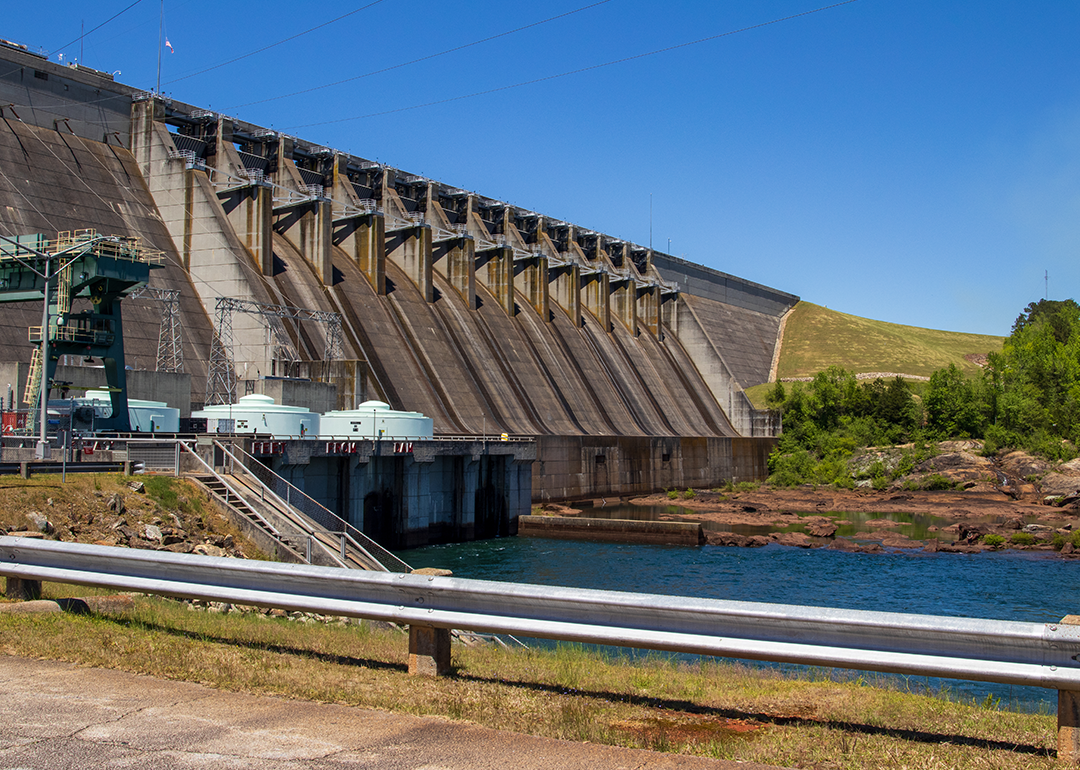
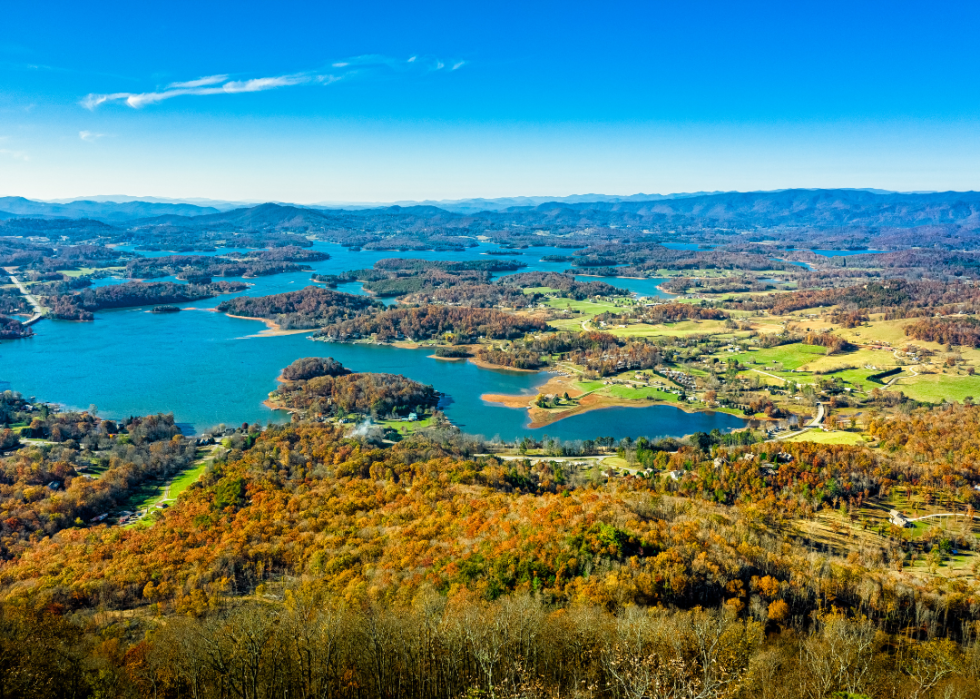
Risky reservoirs: Georgia counties where aging dams pose the greatest threat

·Stacker

Williams Photography 365 // Shutterstock

Record rainfall pelted parts of Iowa for 12 hours straight in July 2010, sending 10 inches of rainwater draining toward Lake Delhi, Iowa, a popular recreation destination for decades since its construction in the 1920s.

Holding back 9 miles of lake water with more precipitation flowing in by the minute was the 80-year-old Lake Delhi Dam, constructed of hundreds of feet of earth, concrete, and steel. The water punched a 30-foot-wide hole in the dam wall, spewing floodwater into the surrounding region.

Emergency and state officials ordered evacuations in time to prevent any loss of life. For safety professionals, the failure underscored the threat posed to dams by climate change (increasing the risk of flooding events), the importance of regular maintenance and inspection, and the impact of human errors in dam construction on dam integrity.

In Georgia, there are a total of 542 high-hazard dams. Up to 45.2% of them could pose a threat to residents, including those that were assessed to be an immediate threat or in poor condition, those that were not rated, and those which had ratings withheld.

As part of a national analysis, GetMyBoat identified counties in Georgia with the most dams at risk of failure that pose the greatest potential threat to nearby residents, using data from the Army Corps of Engineers' National Inventory of Dams, pulled in October 2023. The public database allowing Americans to look up the conditions of nearby dams has grown to include more than 90,000 dams.

As more dams get added to the national inventory, analyses of this database reveal a growing number of dams in poor and unsatisfactory condition, some of which have the potential to be life-threatening should they fail—dams the inventory deems "high-hazard."

Counties in this analysis are ranked by the share of high-hazard dams that could pose a danger to human life, including those assessed to be in "poor" or "unsatisfactory" condition, those that haven't received inspections, and those where the state agency that oversees them has not rated its conditions. Ties were broken by the overall number of dams meeting those criteria, and then by their concentration among local populations, though some ties may remain.

A designation of "poor" is given to inspected dams showing deficiencies that threaten the dam's integrity during normal operations. "Unsatisfactory" is given to dams that require "immediate or emergency remedial action," according to the Army Corps of Engineers. About 1 in 10 of the inventory's dam listings have no condition reported by state agencies.

"It is likely most of these dams should be listed at not rated, but we will work with the appropriate agencies to verify the information and update the NID accordingly," Army Corps of Engineers spokesperson Gene Pawlik said in a statement.

The names of dams accompanying each state in the analysis represent the largest dams by height that were in poor or unsatisfactory condition. The total number and concentration of high-hazard dams give a sense of the stakes involved with aging infrastructure in each state, though those figures don't factor into the ranking.

The Lake Delhi Dam was reconstructed and was last inspected in 2020, receiving a "satisfactory" grade. The dam is considered one risk level below high-hazard, "significant hazard." But its failure in 2010 provides an example of the high stakes communities living near large dams face when they fail.

Illinois ranks high on this list, mainly because of what is unknown about the conditions of its dams. The Army Corps of Engineers leaves it up to state agencies to decide what information it provides or withholds from the public database. Illinois only shares info on three of its dams deemed to be high-hazard. One of its engineers has previously said that it doesn't rate dams' conditions because the process is too resource-intensive to justify.

Many state and federal agencies have chosen to keep data about those dams hidden, citing threats to national security. North Dakota and Oregon withhold data about around 40% of the dams in their states, making it difficult for locals to assess just how many are in good condition or need attention.

Other states rank poorly for their share of high-hazard dams that have gone without inspection. In Missouri, about 42% of these dams don't have a recorded date of last inspection. Another 24% were last inspected prior to 2000.

Read on to see how dams in your area fare based on publicly available data.

#50. Cobb County

Canva

1 / 50

#50. Cobb County

- Total high-hazard dams: 31
- Number potentially dangerous: 9 (29.0%)
- Potentially dangerous dams include:
--- 1 posing immediate threat
--- 7 in poor condition
--- 1 not rated

#49. Harris County

Canva

2 / 50

#49. Harris County

- Total high-hazard dams: 10
- Number potentially dangerous: 3 (30.0%)
- Potentially dangerous dams include:
--- 3 in poor condition

#48. Gordon County

JNix // Shutterstock

3 / 50

#48. Gordon County

- Total high-hazard dams: 3
- Number potentially dangerous: 1 (33.3%)
- Potentially dangerous dams include:
--- 1 in poor condition

#47. Wilkinson County

SevenMaps // Shutterstock

4 / 50

#47. Wilkinson County

- Total high-hazard dams: 3
- Number potentially dangerous: 1 (33.3%)
- Potentially dangerous dams include:
--- 1 not rated

#46. Warren County

Canva

5 / 50

#46. Warren County

- Total high-hazard dams: 3
- Number potentially dangerous: 1 (33.3%)
- Potentially dangerous dams include:
--- 1 in poor condition

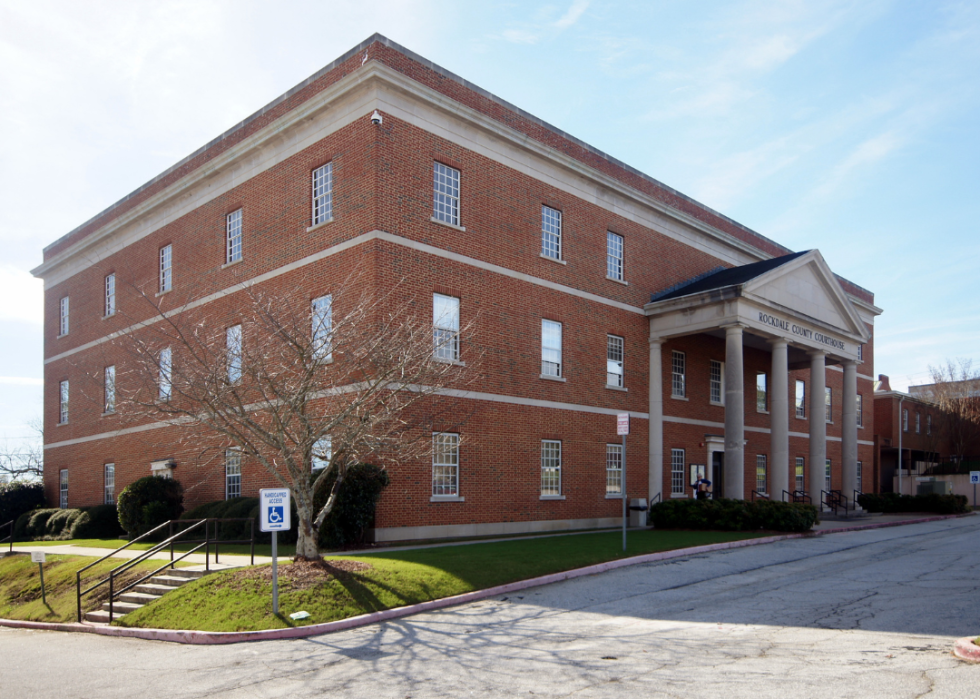
#45. Rockdale County

Canva

6 / 50

#45. Rockdale County

- Total high-hazard dams: 6
- Number potentially dangerous: 2 (33.3%)
- Potentially dangerous dams include:
--- 2 in poor condition

#44. DeKalb County

Canva

7 / 50

#44. DeKalb County

- Total high-hazard dams: 18
- Number potentially dangerous: 6 (33.3%)
- Potentially dangerous dams include:
--- 6 in poor condition

#43. White County

Canva

8 / 50

#43. White County

- Total high-hazard dams: 11
- Number potentially dangerous: 4 (36.4%)
- Potentially dangerous dams include:
--- 4 in poor condition

#42. Whitfield County

Canva

9 / 50

#42. Whitfield County

- Total high-hazard dams: 5
- Number potentially dangerous: 2 (40.0%)
- Potentially dangerous dams include:
--- 2 in poor condition

#41. Richmond County

Kevin Ruck // Shutterstock

10 / 50

#41. Richmond County

- Total high-hazard dams: 10
- Number potentially dangerous: 4 (40.0%)
- Potentially dangerous dams include:
--- 3 posing immediate threat
--- 1 in poor condition

#40. Henry County

Canva

11 / 50

#40. Henry County

- Total high-hazard dams: 15
- Number potentially dangerous: 7 (46.7%)
- Potentially dangerous dams include:
--- 5 in poor condition
--- 2 not rated

#39. Worth County

Canva

12 / 50

#39. Worth County

- Total high-hazard dams: 2
- Number potentially dangerous: 1 (50.0%)
- Potentially dangerous dams include:
--- 1 in poor condition

#38. Appling County

Michael Scott Milner // Shutterstock

13 / 50

#38. Appling County

- Total high-hazard dams: 2
- Number potentially dangerous: 1 (50.0%)
- Potentially dangerous dams include:
--- 1 not rated

#37. Lamar County

JFFC // Shutterstock

14 / 50

#37. Lamar County

- Total high-hazard dams: 2
- Number potentially dangerous: 1 (50.0%)
- Potentially dangerous dams include:
--- 1 in poor condition

#36. Hall County

Canva

15 / 50

#36. Hall County

- Total high-hazard dams: 4
- Number potentially dangerous: 2 (50.0%)
- Potentially dangerous dams include:
--- 2 not rated

#35. Stephens County

Canva

16 / 50

#35. Stephens County

- Total high-hazard dams: 4
- Number potentially dangerous: 2 (50.0%)
- Potentially dangerous dams include:
--- 2 in poor condition

#34. Banks County

Canva

17 / 50

#34. Banks County

- Total high-hazard dams: 4
- Number potentially dangerous: 2 (50.0%)
- Potentially dangerous dams include:
--- 2 in poor condition

#33. Union County

Canva

18 / 50

#33. Union County

- Total high-hazard dams: 6
- Number potentially dangerous: 3 (50.0%)
- Potentially dangerous dams include:
--- 3 condition withheld

#32. Pike County

Canva

19 / 50

#32. Pike County

- Total high-hazard dams: 6
- Number potentially dangerous: 3 (50.0%)
- Potentially dangerous dams include:
--- 3 in poor condition

#31. Cherokee County

Darryl Brooks // Shutterstock

20 / 50

#31. Cherokee County

- Total high-hazard dams: 17
- Number potentially dangerous: 9 (52.9%)
- Potentially dangerous dams include:
--- 9 in poor condition

#30. Fayette County

Canva

21 / 50

#30. Fayette County

- Total high-hazard dams: 13
- Number potentially dangerous: 7 (53.8%)
- Potentially dangerous dams include:
--- 6 in poor condition
--- 1 not rated

#29. Fulton County

Brett Barnhill // Shutterstock

22 / 50

#29. Fulton County

- Total high-hazard dams: 34
- Number potentially dangerous: 19 (55.9%)
- Potentially dangerous dams include:
--- 18 in poor condition
--- 1 not rated

#28. Madison County

Sean Pavone // Shutterstock

23 / 50

#28. Madison County

- Total high-hazard dams: 12
- Number potentially dangerous: 7 (58.3%)
- Potentially dangerous dams include:
--- 7 in poor condition

#27. Bibb County

Canva

24 / 50

#27. Bibb County

- Total high-hazard dams: 5
- Number potentially dangerous: 3 (60.0%)
- Potentially dangerous dams include:
--- 3 in poor condition

#26. Jackson County

Canva

25 / 50

#26. Jackson County

- Total high-hazard dams: 5
- Number potentially dangerous: 3 (60.0%)
- Potentially dangerous dams include:
--- 3 in poor condition

#25. Murray County

Jeff Kinsey // Shutterstock

26 / 50

#25. Murray County

- Total high-hazard dams: 5
- Number potentially dangerous: 3 (60.0%)
- Potentially dangerous dams include:
--- 1 in poor condition
--- 2 condition withheld

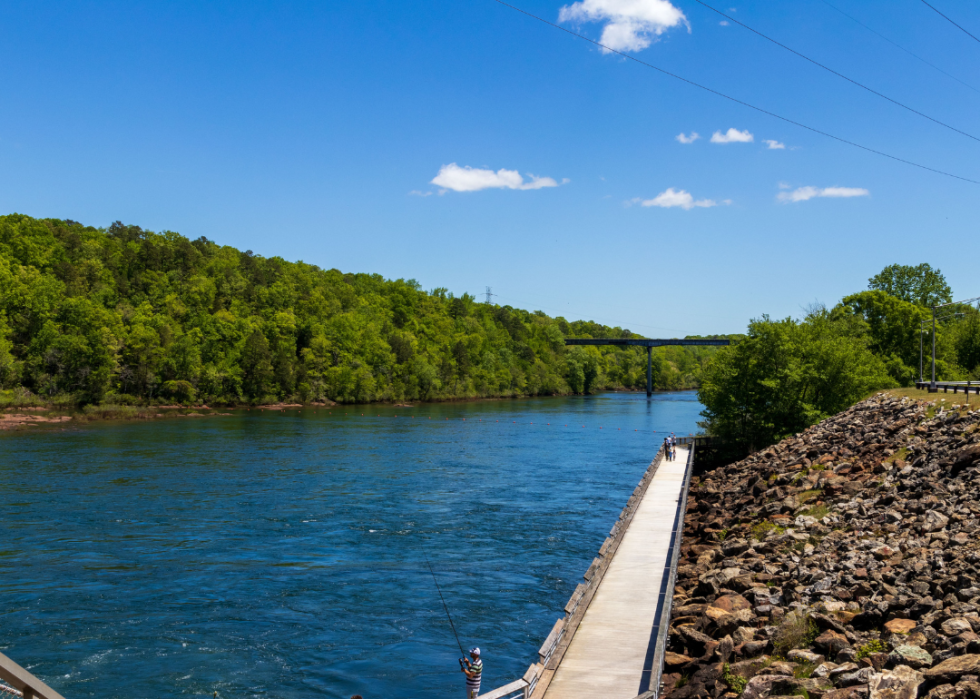
#24. Hart County

Williams Photography 365 // Shutterstock

27 / 50

#24. Hart County

- Total high-hazard dams: 5
- Number potentially dangerous: 3 (60.0%)
- Potentially dangerous dams include:
--- 1 in poor condition
--- 2 condition withheld

#23. Washington County

Canva

28 / 50

#23. Washington County

- Total high-hazard dams: 5
- Number potentially dangerous: 3 (60.0%)
- Potentially dangerous dams include:
--- 2 in poor condition
--- 1 condition withheld

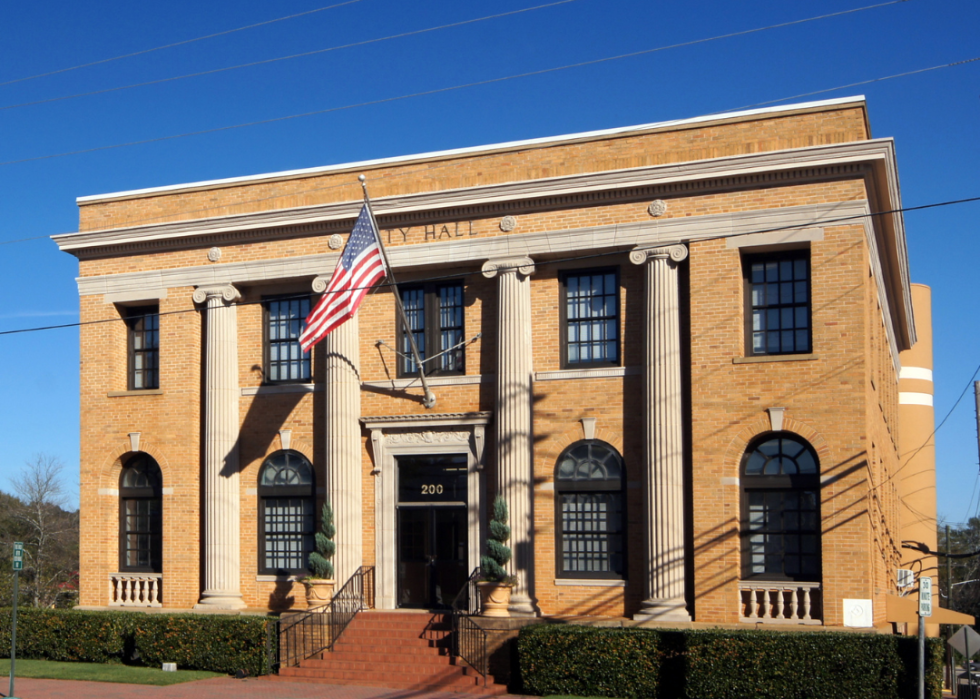
#22. Douglas County

Marcus E Jones // Shutterstock

29 / 50

#22. Douglas County

- Total high-hazard dams: 3
- Number potentially dangerous: 2 (66.7%)
- Potentially dangerous dams include:
--- 2 in poor condition

#21. Troup County

Canva

30 / 50

#21. Troup County

- Total high-hazard dams: 3
- Number potentially dangerous: 2 (66.7%)
- Potentially dangerous dams include:
--- 1 in poor condition
--- 1 condition withheld

#20. Haralson County

Harris Aerial Solutions // Shutterstock

31 / 50

#20. Haralson County

- Total high-hazard dams: 3
- Number potentially dangerous: 2 (66.7%)
- Potentially dangerous dams include:
--- 2 in poor condition

#19. Oglethorpe County

Canva

32 / 50

#19. Oglethorpe County

- Total high-hazard dams: 3
- Number potentially dangerous: 2 (66.7%)
- Potentially dangerous dams include:
--- 2 in poor condition

#18. Columbia County

Canva

33 / 50

#18. Columbia County

- Total high-hazard dams: 6
- Number potentially dangerous: 4 (66.7%)
- Potentially dangerous dams include:
--- 3 in poor condition
--- 1 condition withheld

#17. Pickens County

RodClementPhotography // Shutterstock

34 / 50

#17. Pickens County

- Total high-hazard dams: 18
- Number potentially dangerous: 12 (66.7%)
- Potentially dangerous dams include:
--- 11 in poor condition
--- 1 not rated

#16. Gilmer County

Canva

35 / 50

#16. Gilmer County

- Total high-hazard dams: 26
- Number potentially dangerous: 20 (76.9%)
- Potentially dangerous dams include:
--- 19 in poor condition
--- 1 not rated

#15. Paulding County

Canva

36 / 50

#15. Paulding County

- Total high-hazard dams: 11
- Number potentially dangerous: 9 (81.8%)
- Potentially dangerous dams include:
--- 9 in poor condition

#14. Forsyth County

Canva

37 / 50

#14. Forsyth County

- Total high-hazard dams: 17
- Number potentially dangerous: 14 (82.4%)
- Potentially dangerous dams include:
--- 12 in poor condition
--- 2 condition withheld

#13. Polk County

JNix // Shutterstock

38 / 50

#13. Polk County

- Total high-hazard dams: 7
- Number potentially dangerous: 6 (85.7%)
- Potentially dangerous dams include:
--- 6 in poor condition

#12. Bartow County

Canva

39 / 50

#12. Bartow County

- Total high-hazard dams: 8
- Number potentially dangerous: 7 (87.5%)
- Potentially dangerous dams include:
--- 5 in poor condition
--- 2 condition withheld

#11. Lowndes County

Canva

40 / 50

#11. Lowndes County

- Total high-hazard dams: 1
- Number potentially dangerous: 1 (100.0%)
- Potentially dangerous dams include:
--- 1 in poor condition

#10. Tift County

Canva

41 / 50

#10. Tift County

- Total high-hazard dams: 1
- Number potentially dangerous: 1 (100.0%)
- Potentially dangerous dams include:
--- 1 not rated

#9. Oconee County

Canva

42 / 50

#9. Oconee County

- Total high-hazard dams: 1
- Number potentially dangerous: 1 (100.0%)
- Potentially dangerous dams include:
--- 1 in poor condition

#8. Elbert County

Canva

43 / 50

#8. Elbert County

- Total high-hazard dams: 1
- Number potentially dangerous: 1 (100.0%)
- Potentially dangerous dams include:
--- 1 condition withheld

#7. Crawford County

Canva

44 / 50

#7. Crawford County

- Total high-hazard dams: 1
- Number potentially dangerous: 1 (100.0%)
- Potentially dangerous dams include:
--- 1 in poor condition

#6. Colquitt County

Canva

45 / 50

#6. Colquitt County

- Total high-hazard dams: 2
- Number potentially dangerous: 2 (100.0%)
- Potentially dangerous dams include:
--- 2 in poor condition

#5. Candler County

SevenMaps // Shutterstock

46 / 50

#5. Candler County

- Total high-hazard dams: 2
- Number potentially dangerous: 2 (100.0%)
- Potentially dangerous dams include:
--- 1 in poor condition
--- 1 not rated

#4. Chattooga County

Thomas Barrat // Shutterstock

47 / 50

#4. Chattooga County

- Total high-hazard dams: 3
- Number potentially dangerous: 3 (100.0%)
- Potentially dangerous dams include:
--- 3 condition withheld

#3. Franklin County

Canva

48 / 50

#3. Franklin County

- Total high-hazard dams: 3
- Number potentially dangerous: 3 (100.0%)
- Potentially dangerous dams include:
--- 3 in poor condition

#2. Towns County

Canva

49 / 50

#2. Towns County

- Total high-hazard dams: 3
- Number potentially dangerous: 3 (100.0%)
- Potentially dangerous dams include:
--- 1 in poor condition
--- 2 not rated

#1. Fannin County

Canva

50 / 50

#1. Fannin County

- Total high-hazard dams: 4
- Number potentially dangerous: 4 (100.0%)
- Potentially dangerous dams include:
--- 2 in poor condition
--- 1 not rated
--- 1 condition withheld

This story features data reporting by Paxtyn Merten, writing by Dom DiFurio, and is part of a series utilizing data automation across 50 states.