Most states have a school counselor shortage. Here's where they're needed the most

Monkey Business Images // Shutterstock

Schools across the country were short about 300,000 teachers and staff when the 2022-2023 school year began, according to National Education Association President Becky Pringle. This massive dearth has forced an unfortunate series of developments in schools across the country.

Principals are performing janitorial duties, schools are implementing four-day school weeks to entice applicants for teaching positions with the promise of better work-life balance, and many districts are relaxing their required teaching credentials just to expand their applicant pool. This crisis of discontent has brewed for over a decade and has reached its boiling point in the unsustainable conditions that emerged during the COVID-19 pandemic.

School counselors are no exception to this crisis. It is not uncommon for students to attend a school with police on staff but no counselors.

Across the country, counselors are facing a more challenging workload than ever before. Since 1965, the American School Counselor Association has recommended a counselor-to-student ratio of 250:1. Only two states—Vermont and New Hampshire—meet that criteria. The most severely impacted states, such as Arizona and Michigan, have nearly triple the recommended ratio. It is worth noting there has been little research on the "optimal" counselor caseload (at the time or since the recommendation). Still, the current situation is raising concern across the country.

Charlie Health analyzed employment data from the Bureau of Labor Statistics and school counselor-to-student ratios from data from the American School Counselor Association and the National Center for Education Statistics to rank states from best to worst in counselor-to-student ratios for elementary through secondary schools.

School counselors differ from school psychologists primarily in the depth of their relationship with students who need support. Counselors based in the schools are a resource for the entire student population and focus on individual or group sessions to build skills to overcome social and behavioral challenges and improve academic performance. In contrast, school psychologists conduct mental health evaluations, diagnose mental health issues, and write individual education plans.

While a counselor's purview may be less specific, they are no less critical to student success. These services are acutely important today as students work through a backlog of pandemic-related issues. According to the results of the 2022 National Assessment of Educational Progress mathematics assessment administered to fourth and eighth graders across the country, these students experienced the most significant drop in academic performance in more than 30 years.

Access to mental health support is essential to student success. In October 2022, the Department of Education earmarked $280 million for two grant programs to help schools improve this access through training and hiring credentialed mental health professionals.


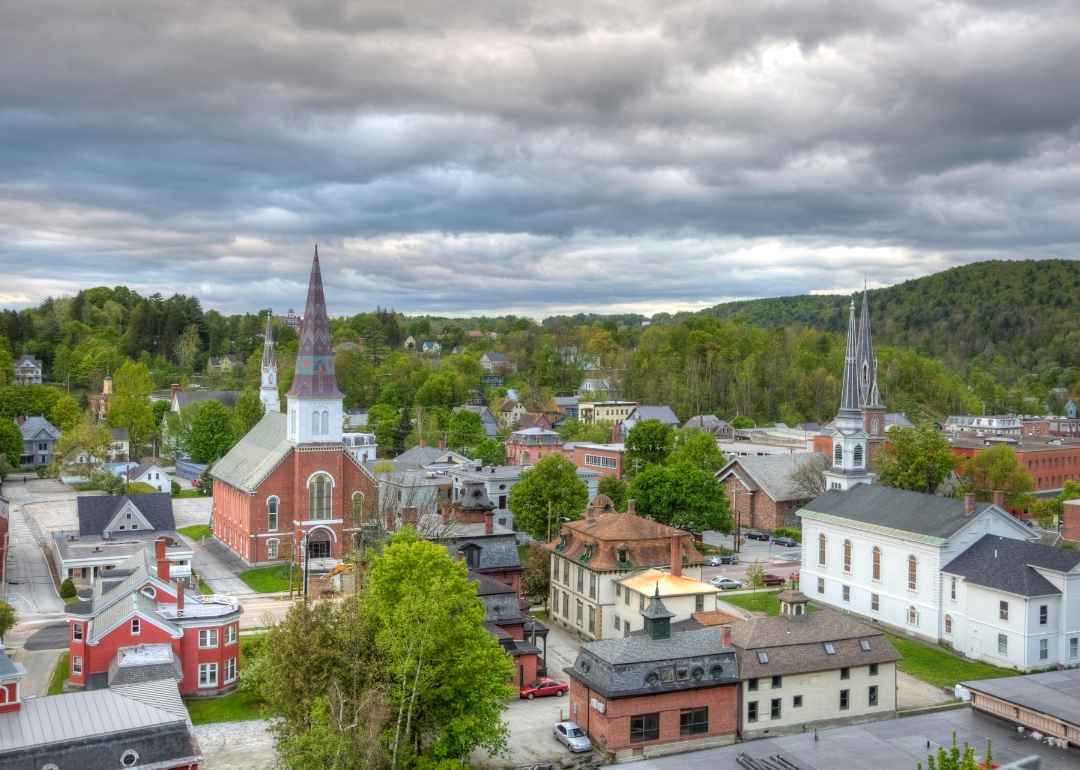
Churches, homes and buildings in Monpelier.

Canva

1 / 51

#51. Vermont

- Student to school counselor ratio: 186:1
--- 443 counselors to 82,401 students
- Employment per 1,000 jobs: 3.40 (1.62 times the national average)

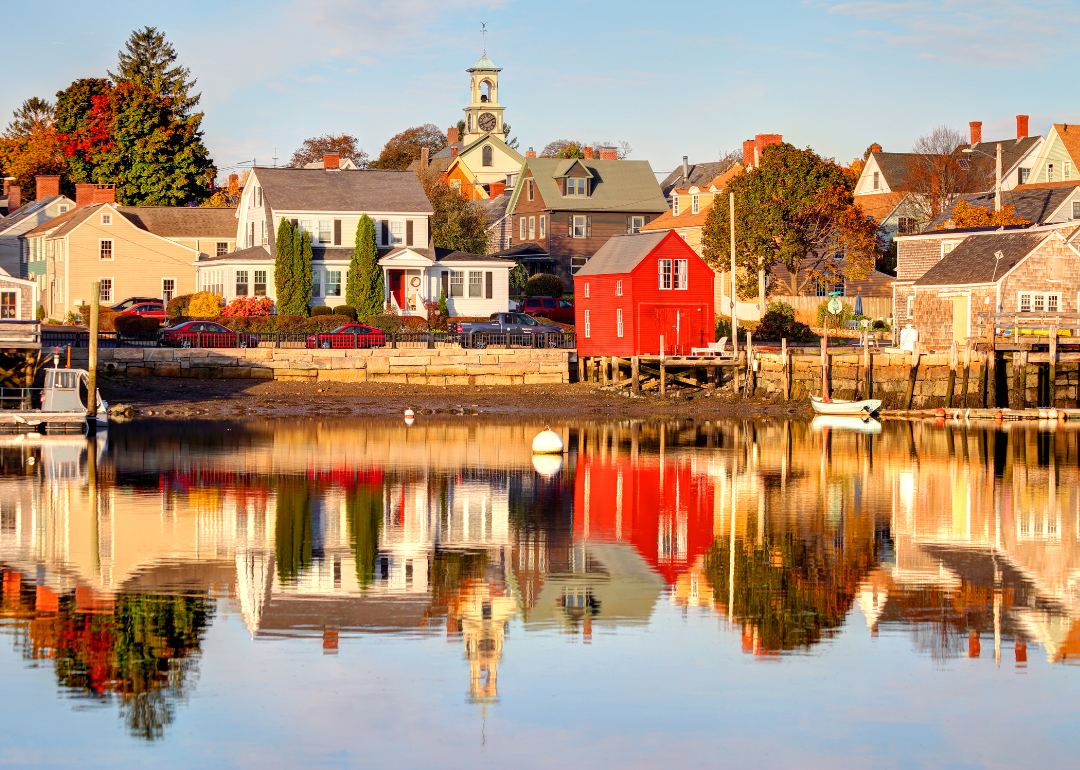
A red structure on a pier in front of homes and a church on the water in Portsmouth.

Canva

2 / 51

#50. New Hampshire

- Student to school counselor ratio: 208:1
--- 813 counselors to 169,027 students
- Employment per 1,000 jobs: 4.85 (2.30 times the national average)

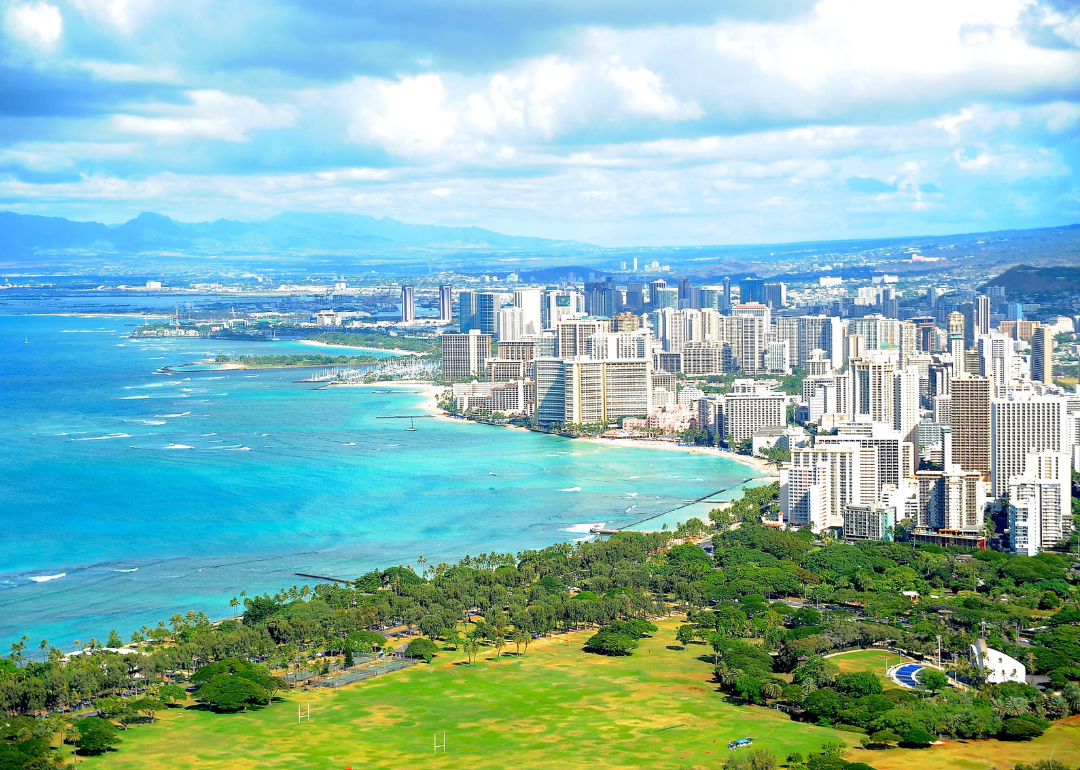
Turquoise water and beach along the downtown coastline of Honolulu.

Canva

3 / 51

#49. Hawaii

- Student to school counselor ratio: 268:1
--- 659 counselors to 176,441 students
- Employment per 1,000 jobs: 3.94 (1.87 times the national average)

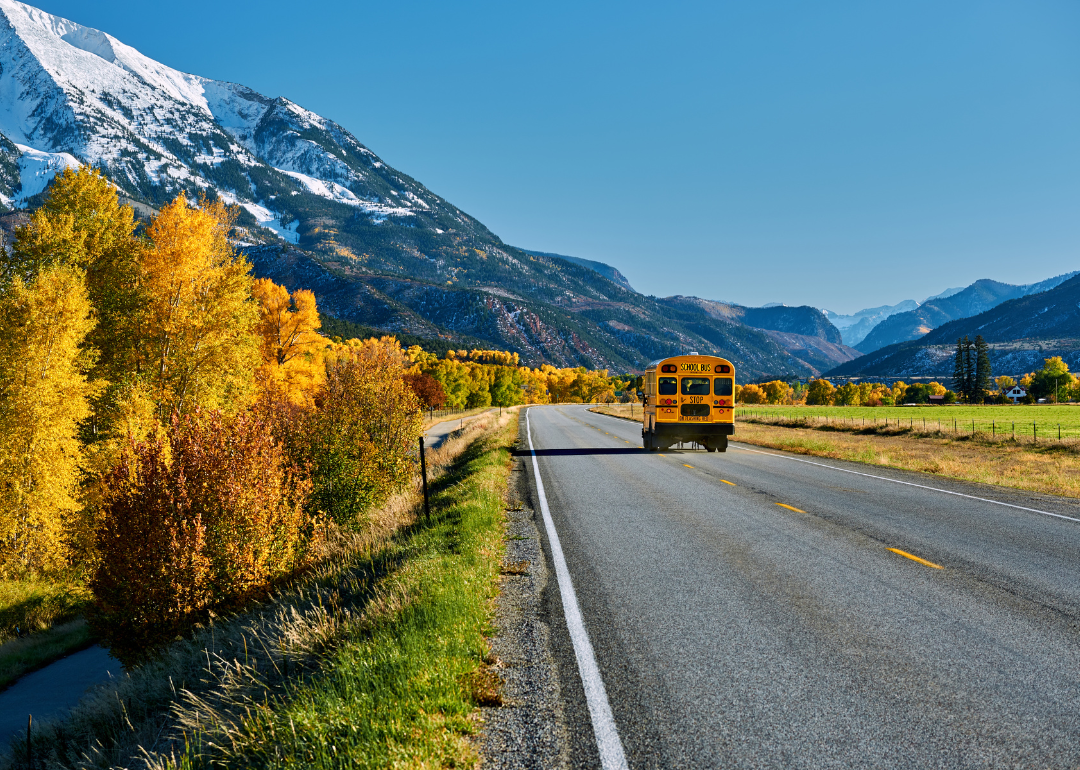
A school bus on the road in the mountains of Colorado.

Canva

4 / 51

#48. Colorado

- Student to school counselor ratio: 278:1
--- 3,177 counselors to 883,199 students
- Employment per 1,000 jobs: 2.12 (1.01 times the national average)

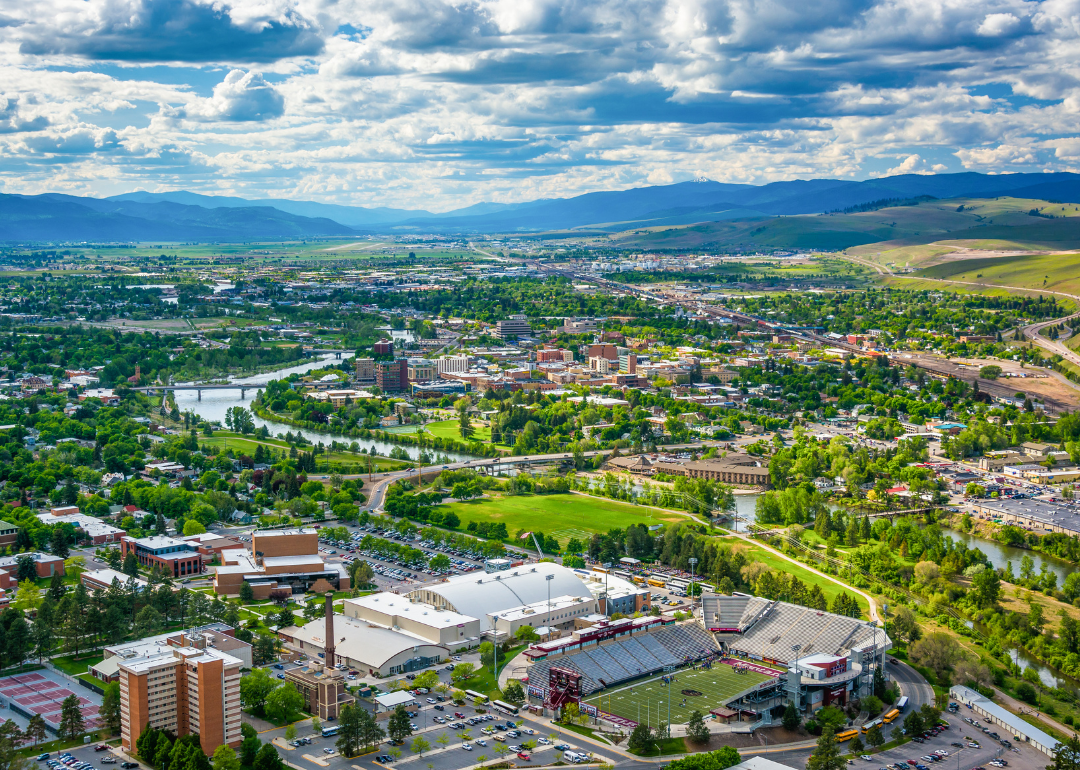
The green city of Missoula from an aerial view.

Canva

5 / 51

#47. Montana

- Student to school counselor ratio: 291:1
--- 503 counselors to 146,252 students
- Employment per 1,000 jobs: 1.36 (0.64 times the national average)

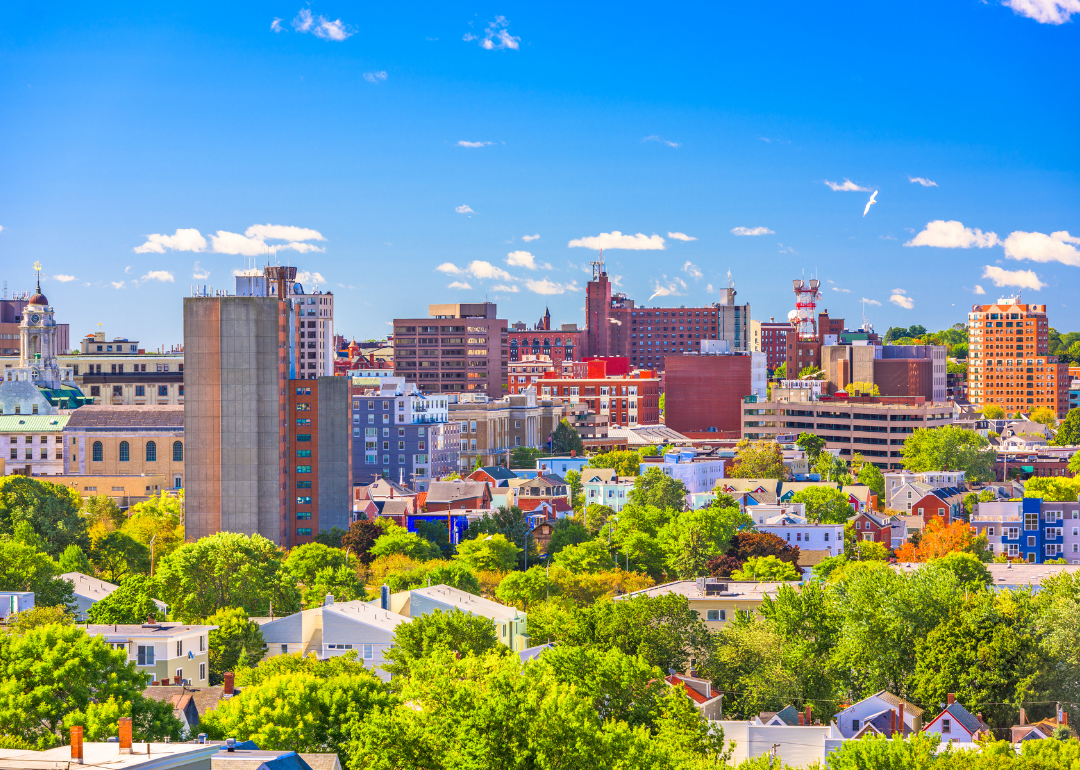
Colorful homes and buildings nestled in the trees in Portland on a sunny day.

Canva

6 / 51

#45. Maine (tie)

- Student to school counselor ratio: 297:1
--- 581 counselors to 172,455 students
- Employment per 1,000 jobs: 2.12 (1.01 times the national average)

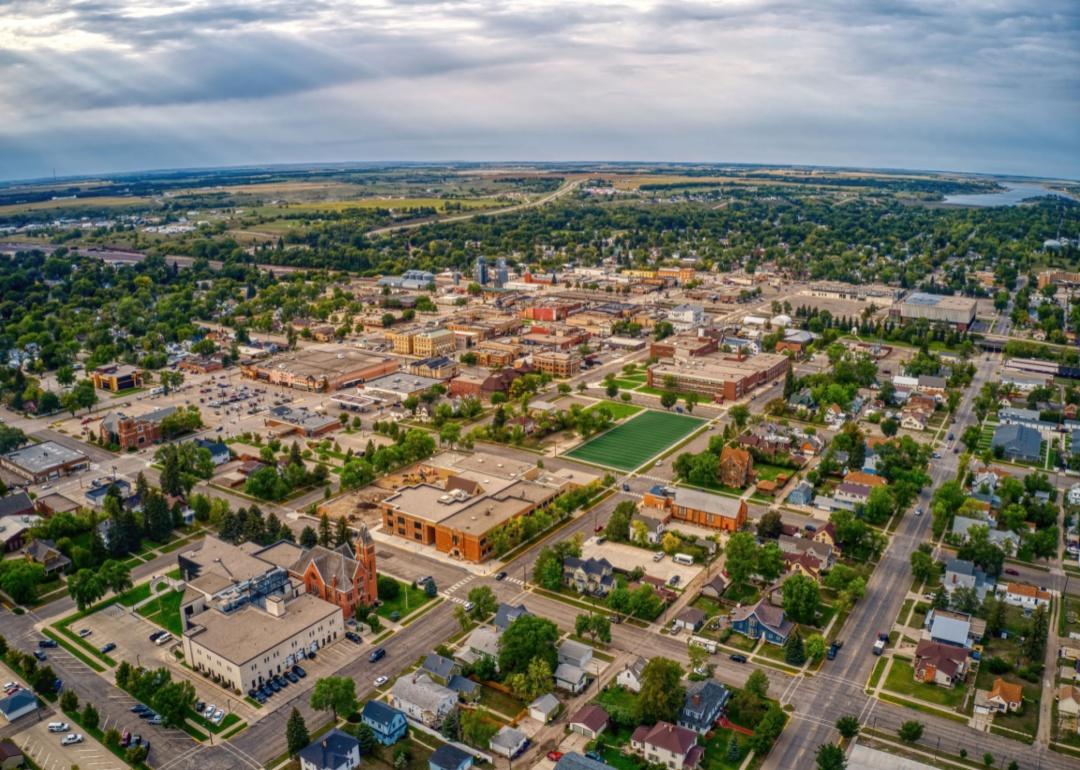
Aerial view of Jamestown.

Jacob Boomsma // Shutterstock

7 / 51

#45. North Dakota (tie)

- Student to school counselor ratio: 297:1
--- 387 counselors to 114,955 students
- Employment per 1,000 jobs: 1.60 (0.76 times the national average)

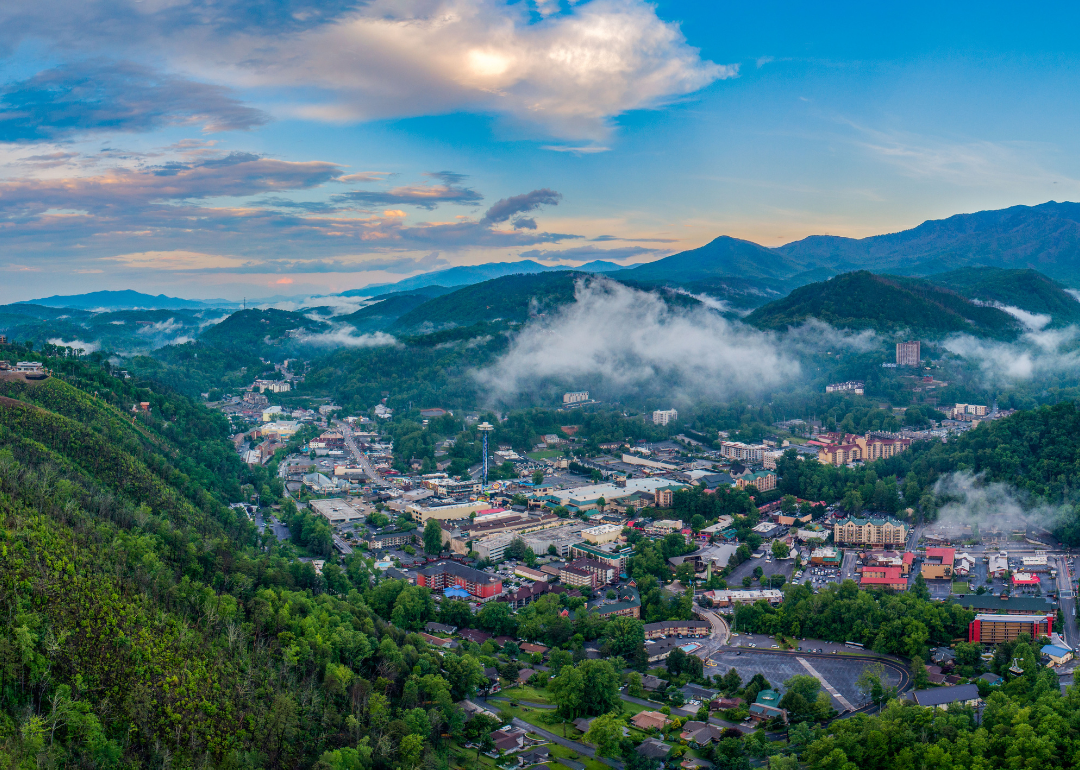
An aerial view from the mountains of Gatlinburg.

Canva

8 / 51

#44. Tennessee

- Student to school counselor ratio: 301:1
--- 2,542 counselors to 985,207 students
- Employment per 1,000 jobs: 1.61 (0.76 times the national average)

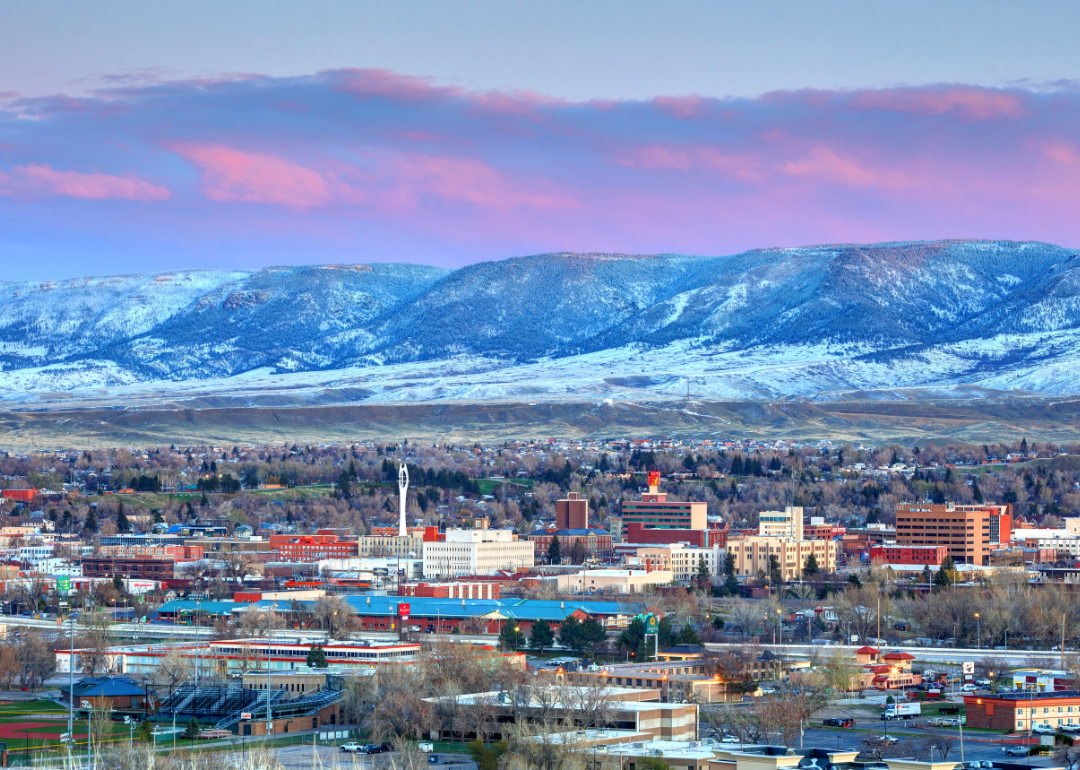
Aerial view of Casper backed by snowy mountains.

Canva

9 / 51

#43. Wyoming

- Student to school counselor ratio: 311:1
--- 298 counselors to 92,772 students
- Employment per 1,000 jobs: 2.60 (1.24 times the national average)

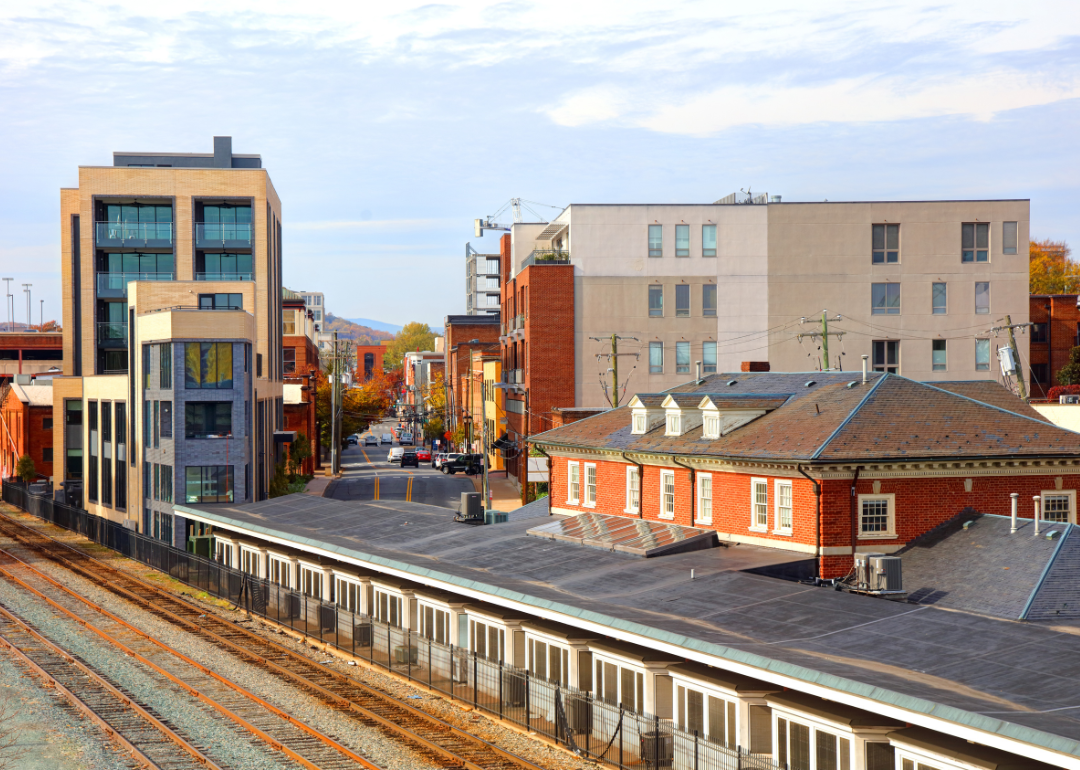
A main street of Charlottesville and railroad tracks downtown.

Canva

10 / 51

#42. Virginia

- Student to school counselor ratio: 318:1
--- 3,940 counselors to 1,251,639 students
- Employment per 1,000 jobs: 1.89 (0.90 times the national average)

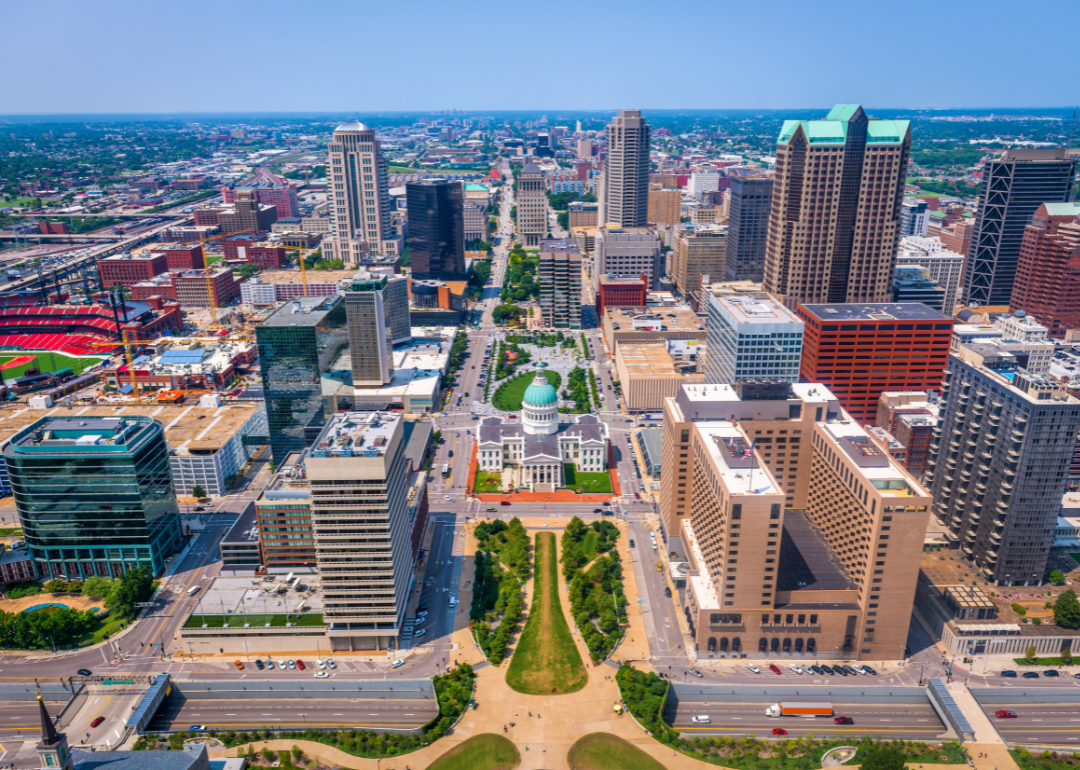
Aerial view of St. Louis downtown and the Capitol.

Canva

11 / 51

#40. Missouri (tie)

- Student to school counselor ratio: 325:1
--- 2,716 counselors to 882,477 students
- Employment per 1,000 jobs: 2.79 (1.33 times the national average)

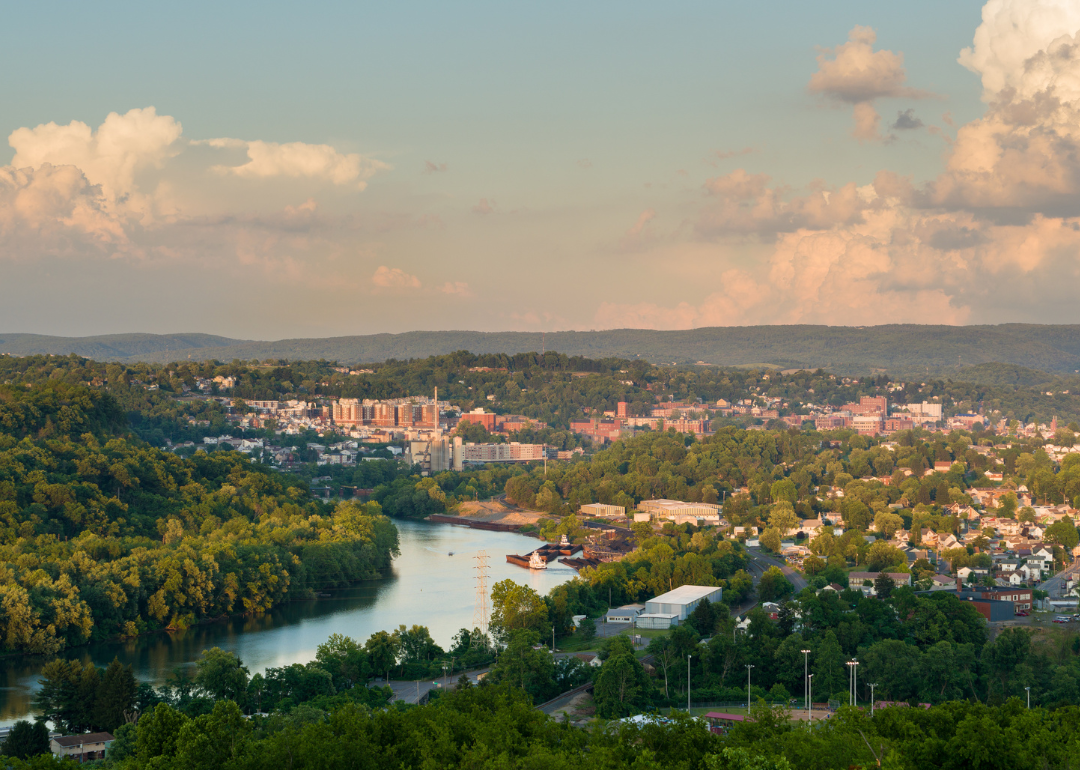
Aerial view of Morgantown on the river.

Canva

12 / 51

#40. West Virginia (tie)

- Student to school counselor ratio: 325:1
--- 782 counselors to 253,930 students
- Employment per 1,000 jobs: 1.67 (0.80 times the national average)

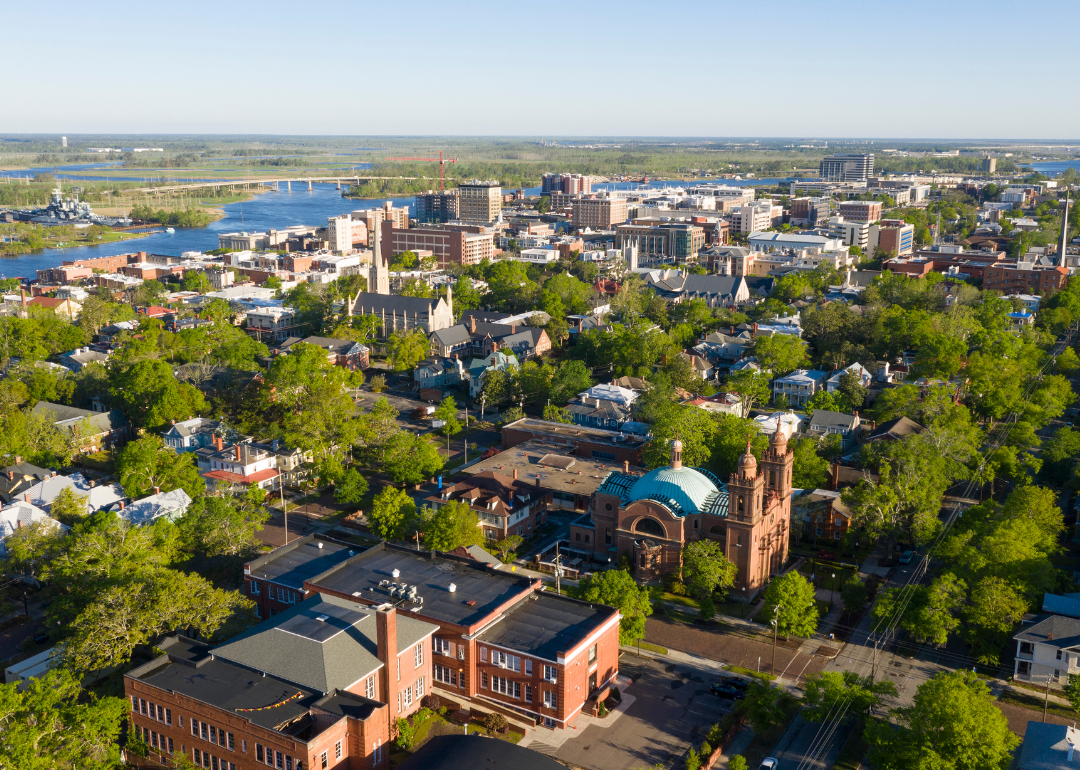
Aerial view of downtown and historic buildings in Wilmington.

Canva

13 / 51

#39. North Carolina

- Student to school counselor ratio: 326:1
--- 4,638 counselors to 1,513,677 students
- Employment per 1,000 jobs: 1.74 (0.82 times the national average)

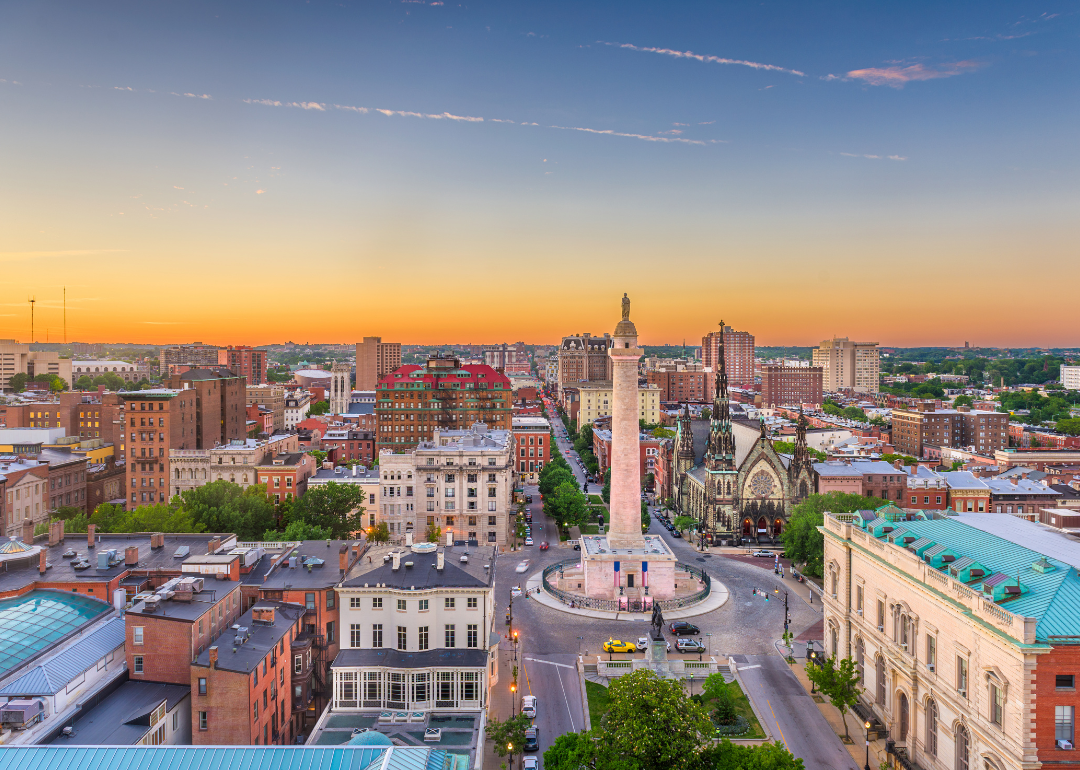
Downtown Baltimore at sunset.

Canva

14 / 51

#38. Maryland

- Student to school counselor ratio: 332:1
--- 2,662 counselors to 882,527 students
- Employment per 1,000 jobs: 2.42 (1.15 times the national average)

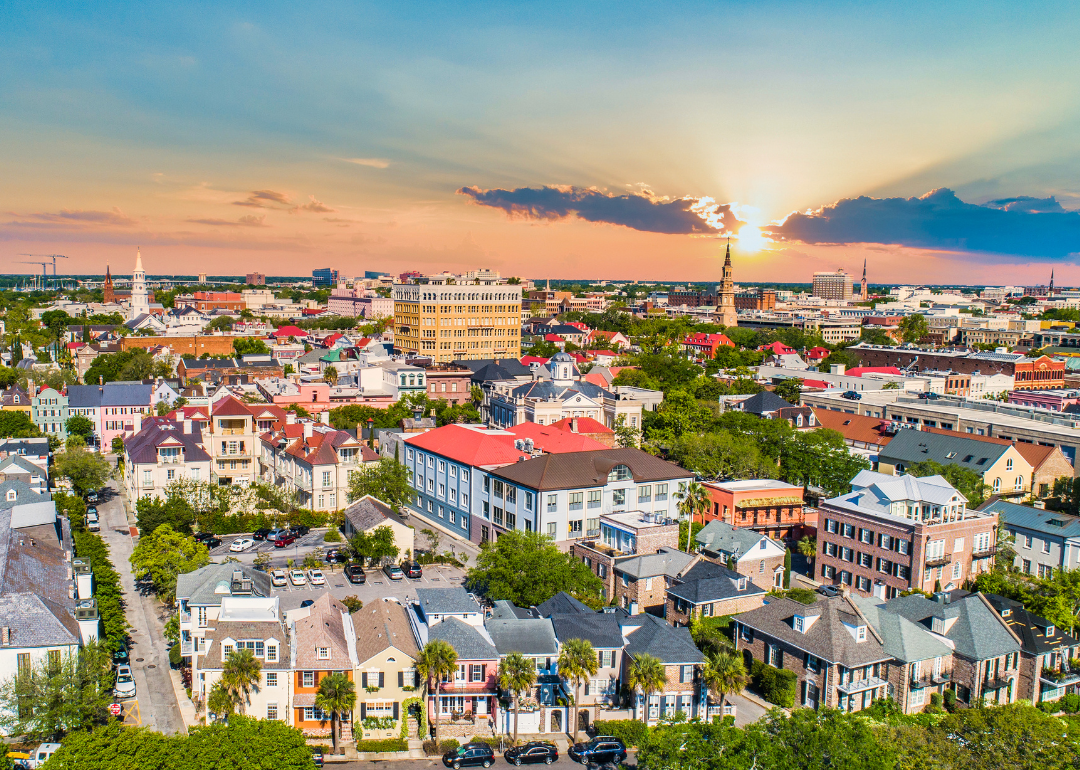
Homes and buildings in Charleston.

Canva

15 / 51

#37. South Carolina

- Student to school counselor ratio: 336:1
--- 2,282 counselors to 766,819 students
- Employment per 1,000 jobs: 2.62 (1.24 times the national average)

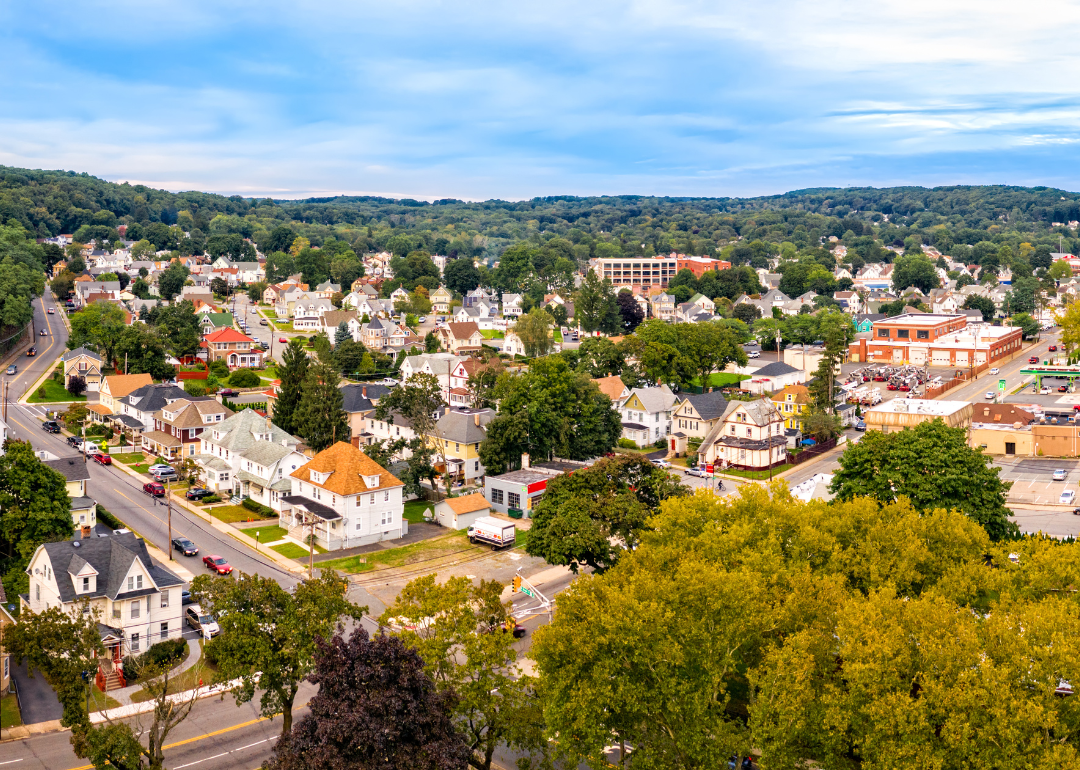
Aerial cityscape of Dover.

Canva

16 / 51

#36. New Jersey

- Student to school counselor ratio: 337:1
--- 4,072 counselors to 1,373,960 students
- Employment per 1,000 jobs: 1.74 (0.83 times the national average)

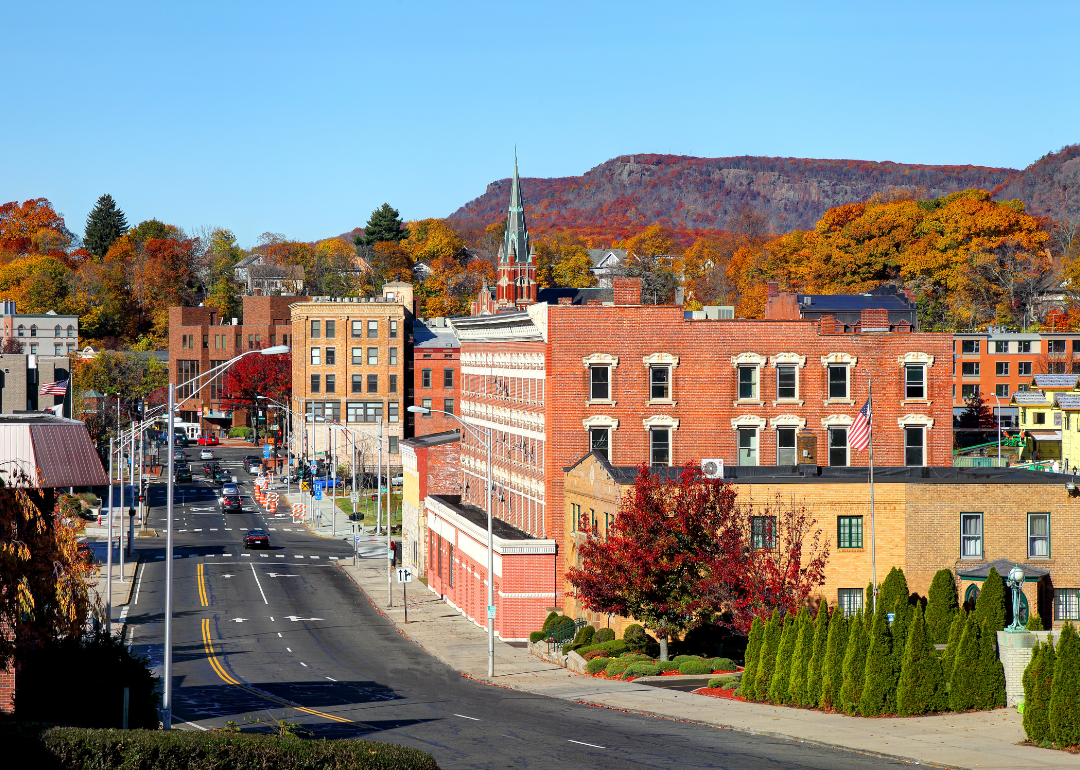
A downtown street of historic buildings in Meriden.

Canva

17 / 51

#35. Connecticut

- Student to school counselor ratio: 349:1
--- 1,458 counselors to 509,058 students
- Employment per 1,000 jobs: 2.11 (1.00 times the national average)

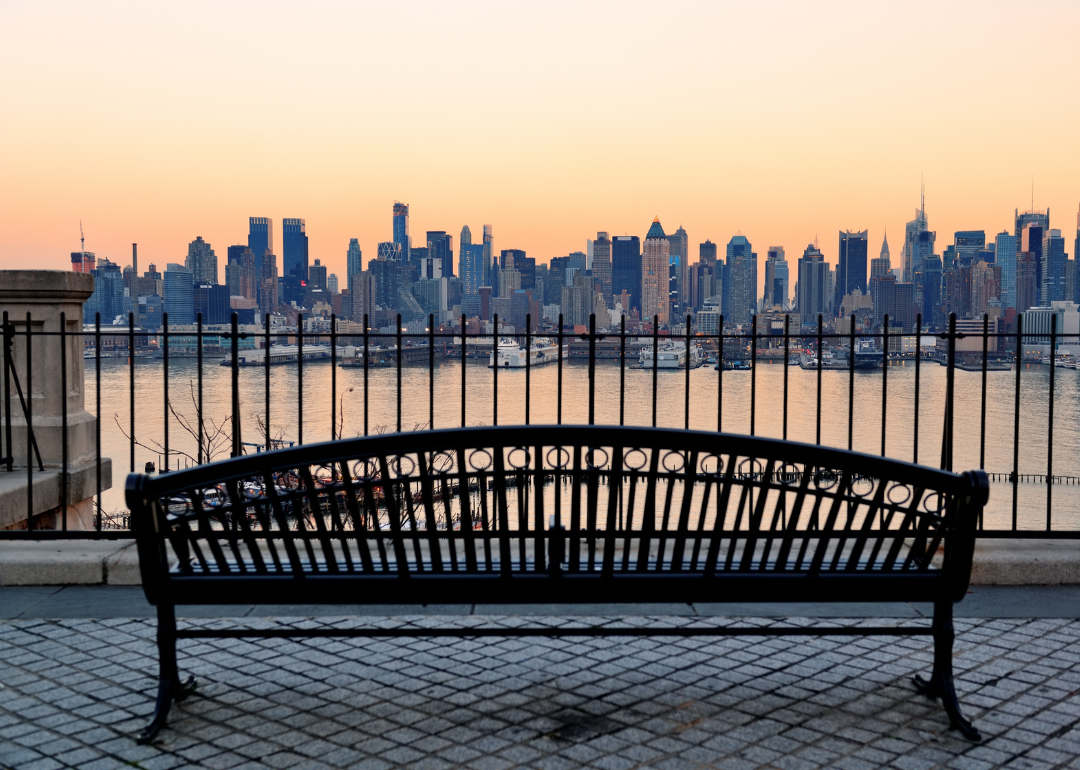
An empty park bench facing New York City across the water.

Canva

18 / 51

#34. New York

- Student to school counselor ratio: 350:1
--- 7,446 counselors to 2,606,748 students
- Employment per 1,000 jobs: 2.72 (1.29 times the national average)

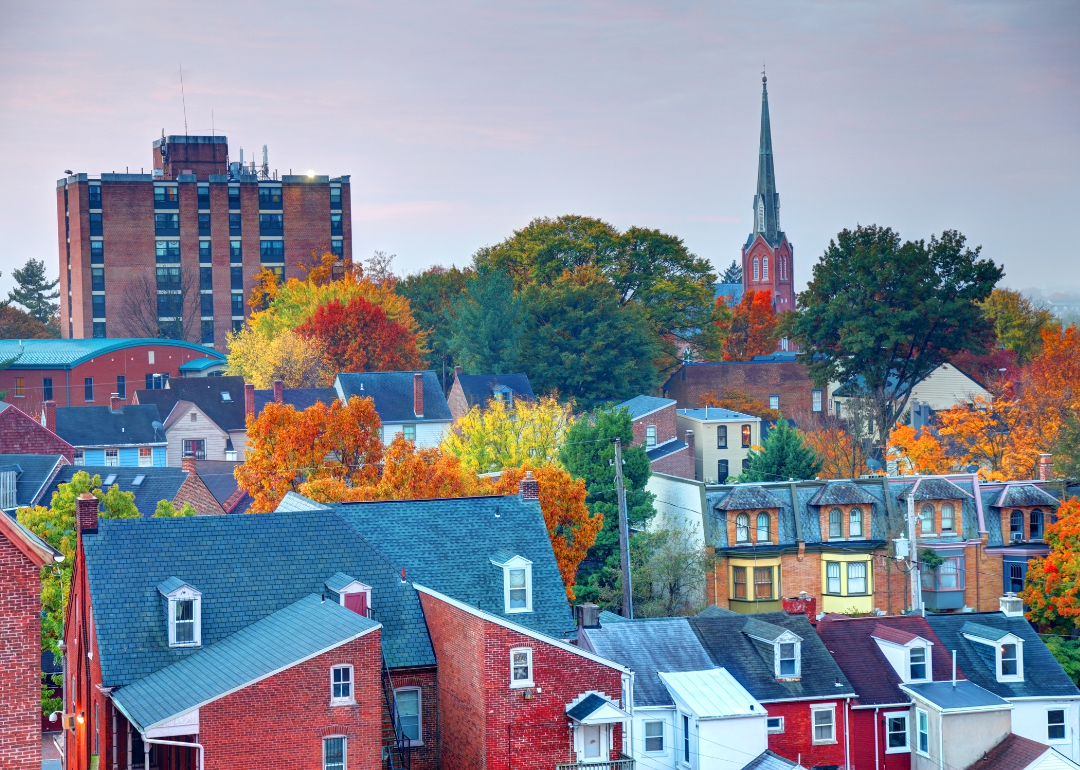
Brick homes and buildings in Lancaster.

Canva

19 / 51

#33. Pennsylvania

- Student to school counselor ratio: 353:1
--- 4,835 counselors to 1,704,396 students
- Employment per 1,000 jobs: 1.49 (0.71 times the national average)

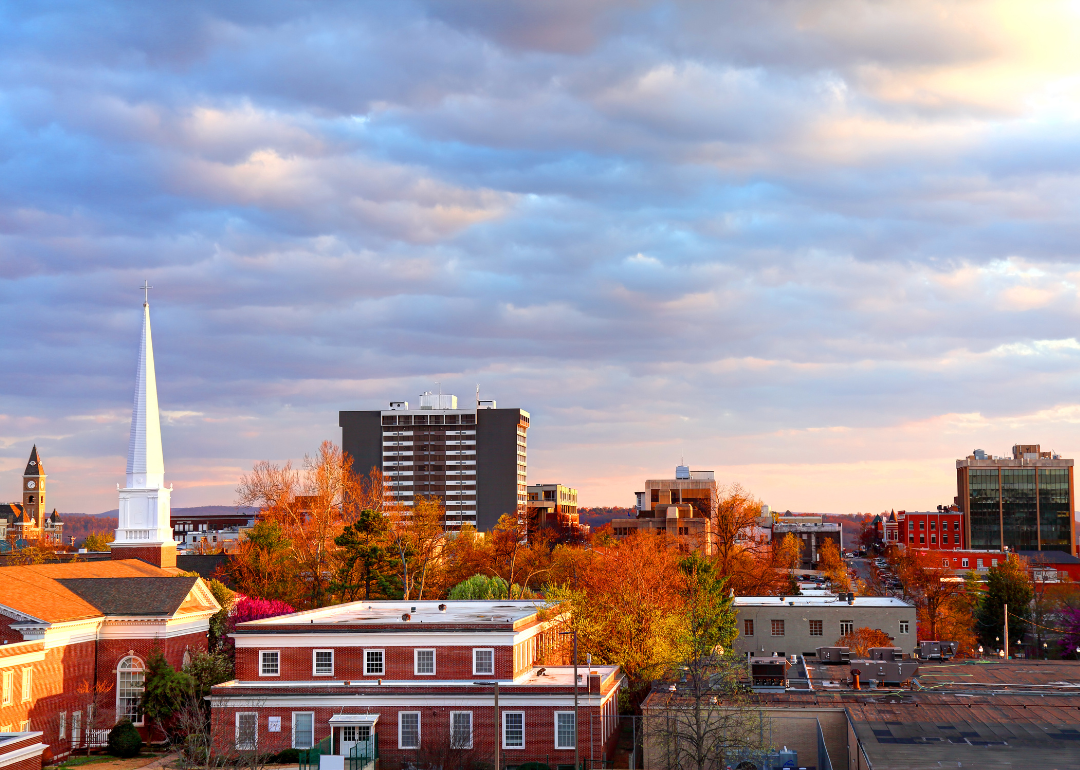
Aerial view of Fayetteville in Fall.

Canva

20 / 51

#32. Arkansas

- Student to school counselor ratio: 361:1
--- 1,346 counselors to 486,305 students
- Employment per 1,000 jobs: 1.73 (0.82 times the national average)

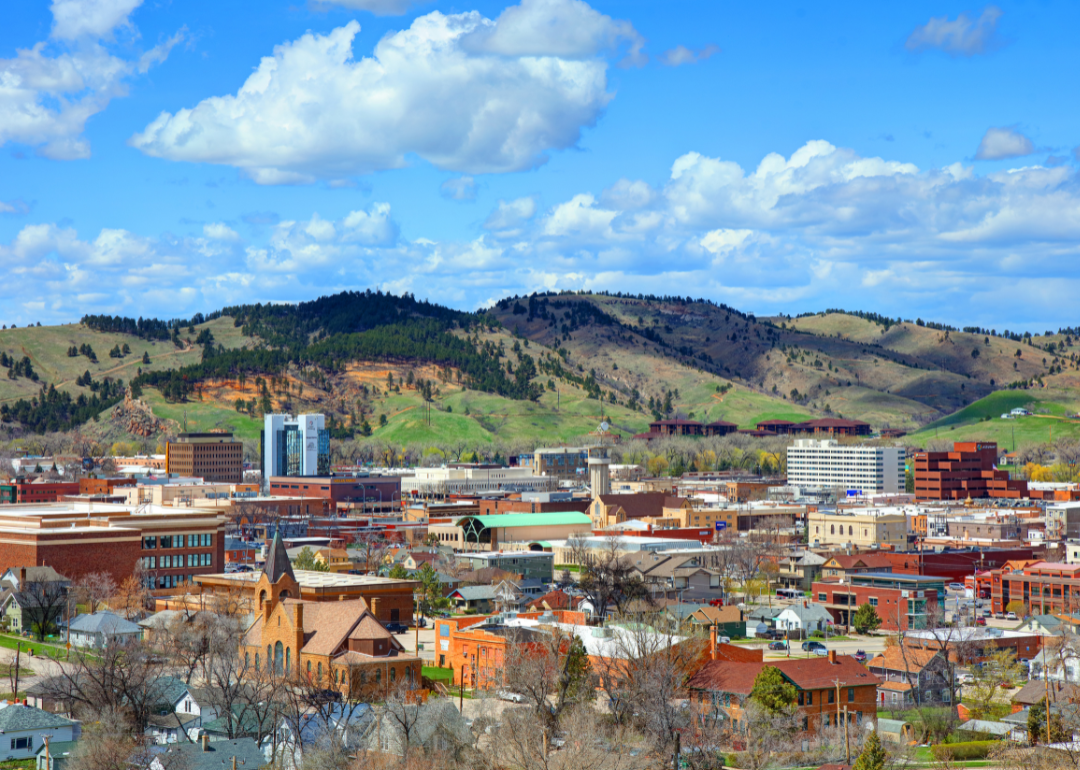
Aerial view of Rapid City backed by hills.
Canva

21 / 51

#31. South Dakota

- Student to school counselor ratio: 363:1
--- 385 counselors to 139,566 students
- Employment per 1,000 jobs: 2.16 (1.03 times the national average)

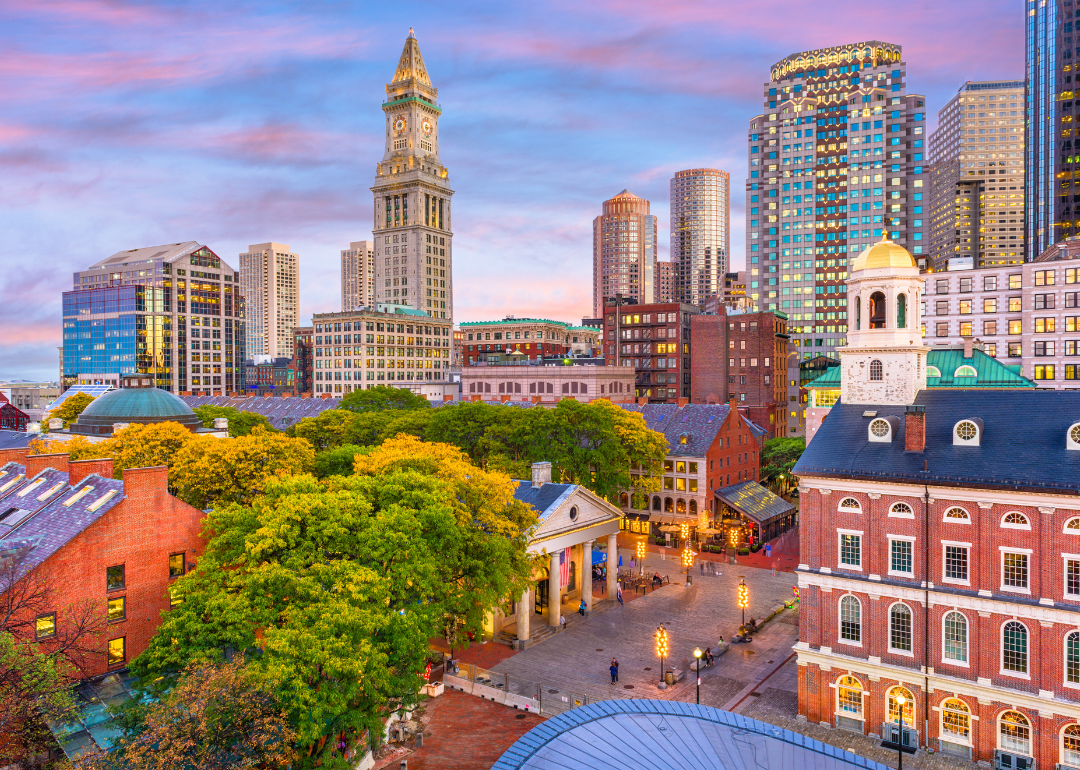
Downtown Boston.

Canva

22 / 51

#30. Massachusetts

- Student to school counselor ratio: 364:1
--- 2,534 counselors to 921,712 students
- Employment per 1,000 jobs: 2.53 (1.20 times the national average)

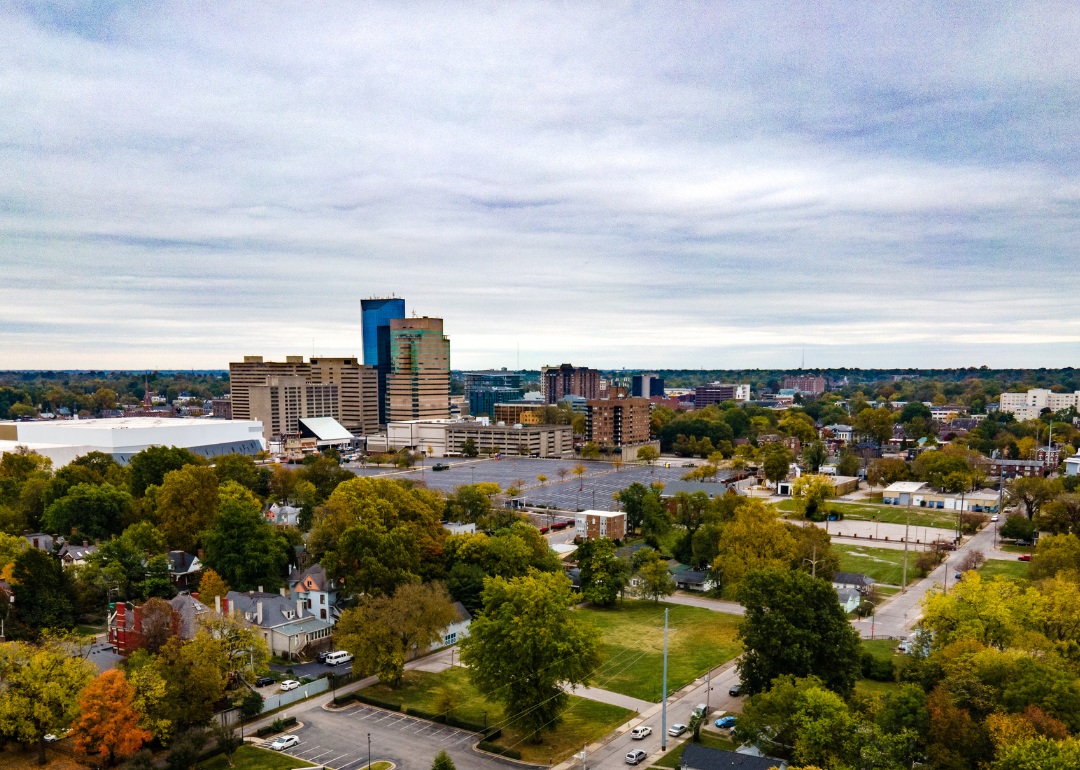
Aerial view of Lexington.

Canva

23 / 51

#29. Kentucky

- Student to school counselor ratio: 366:1
--- 1,798 counselors to 658,809 students
- Employment per 1,000 jobs: 2.27 (1.08 times the national average)

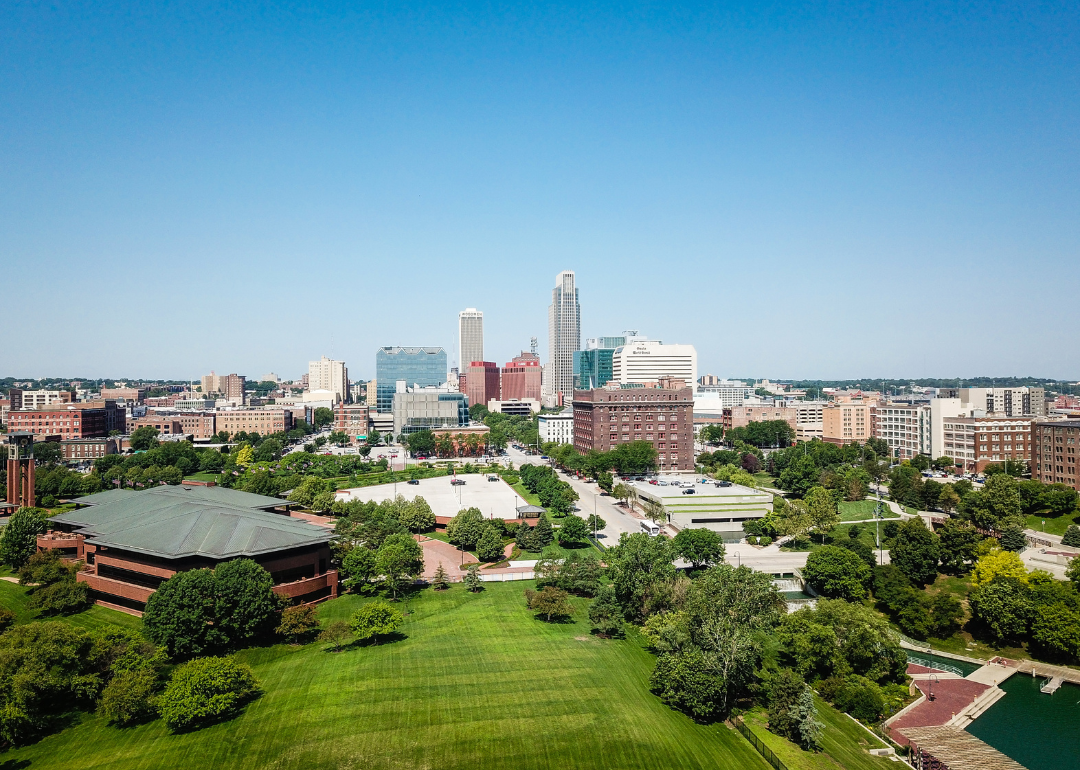
Aerial view of downtown Omaha.

Canva

24 / 51

#28. Nebraska

- Student to school counselor ratio: 369:1
--- 880 counselors to 324,697 students
- Employment per 1,000 jobs: 1.84 (0.88 times the national average)

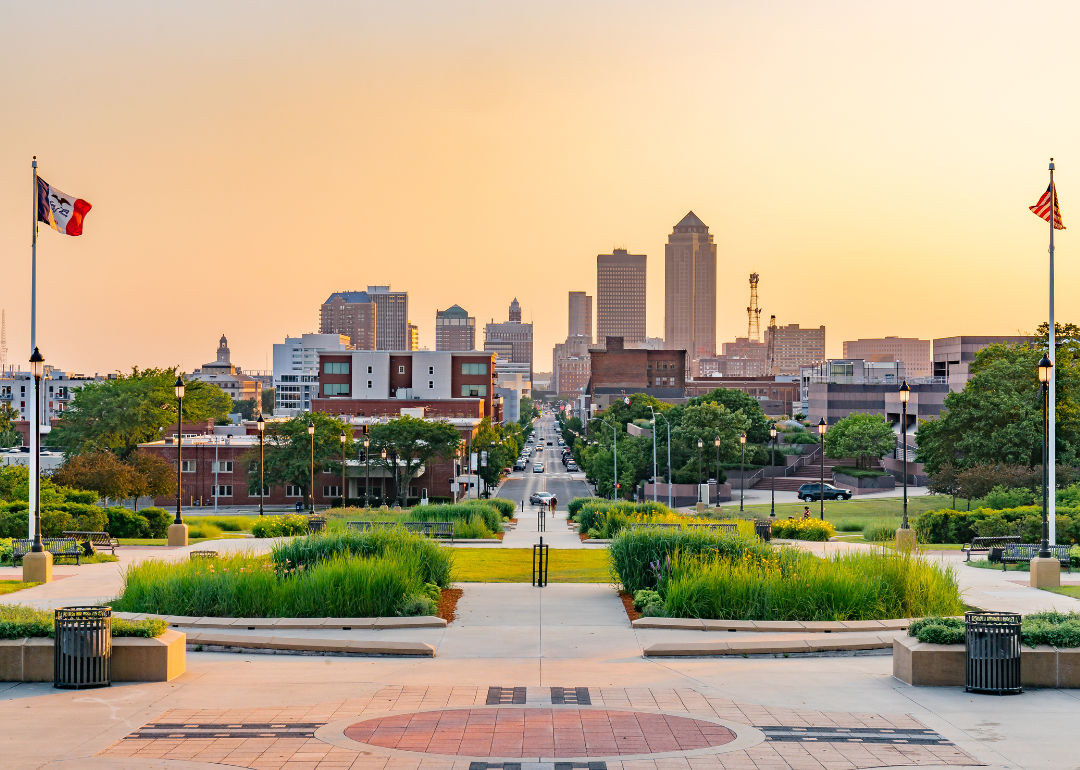
Des Moines skyline.

Canva

25 / 51

#27. Iowa

- Student to school counselor ratio: 370:1
--- 1,369 counselors to 506,656 students
- Employment per 1,000 jobs: 2.34 (1.11 times the national average)

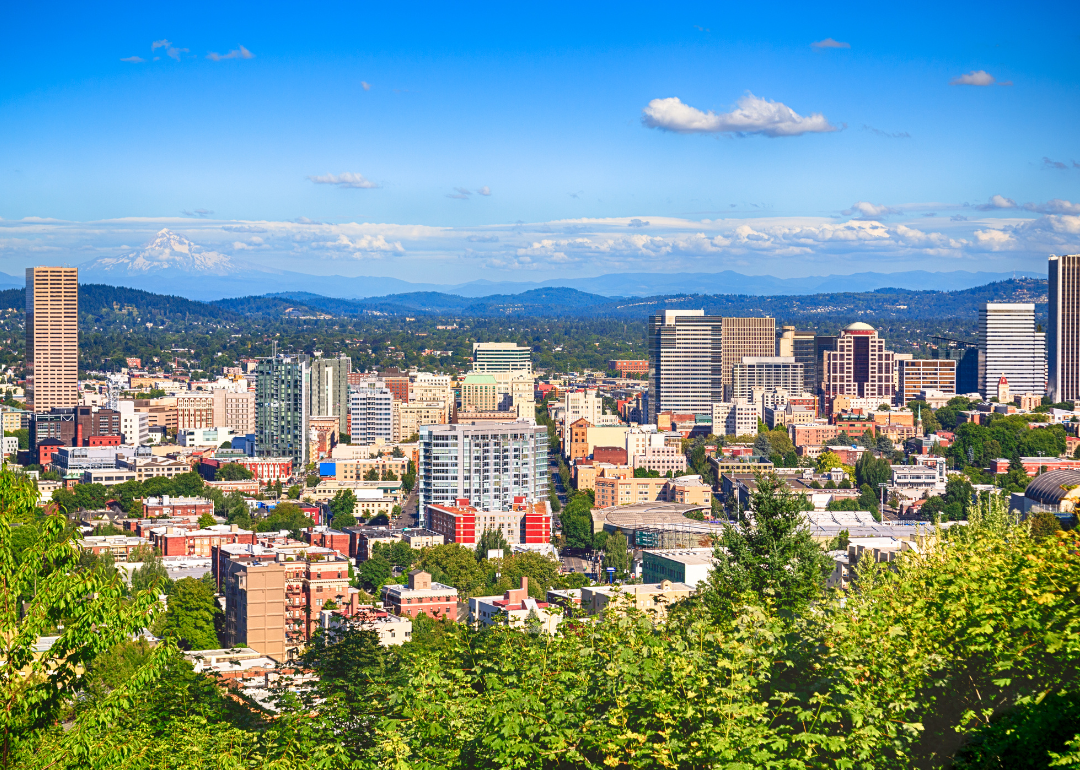
Downtown Portland on a sunny day, with mountains in the background.

Canva

26 / 51

#26. Oregon

- Student to school counselor ratio: 374:1
--- 1,499 counselors to 560,917 students
- Employment per 1,000 jobs: 1.46 (0.69 times the national average)

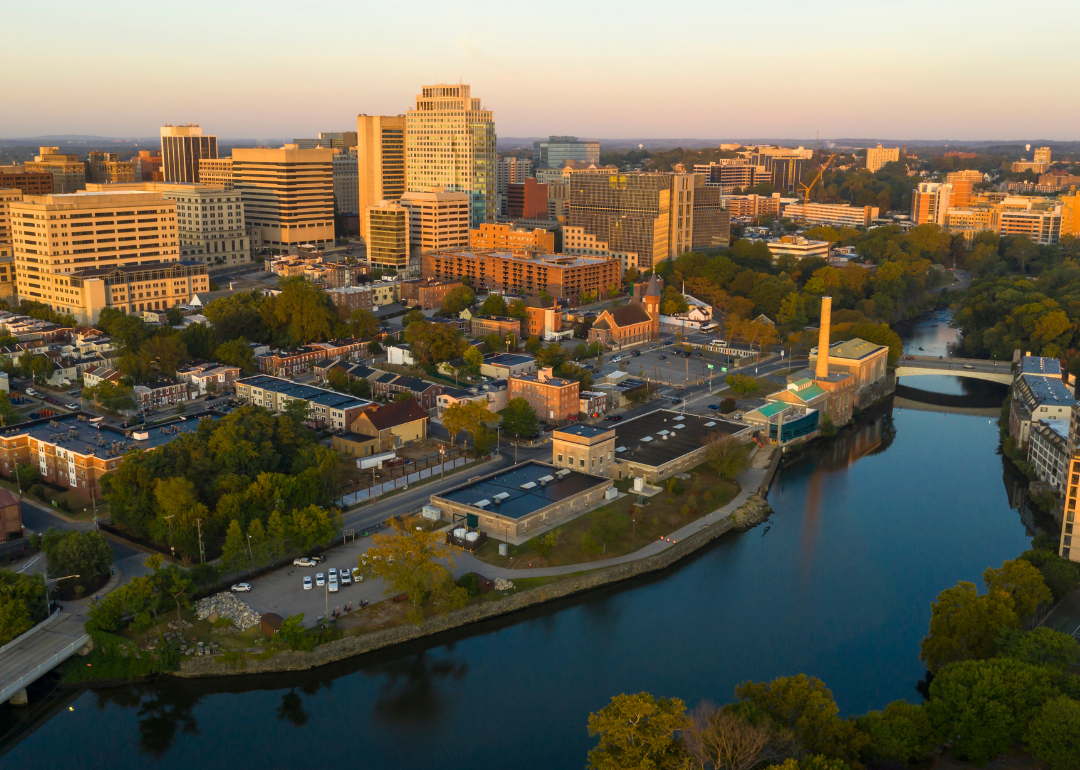
Aerial view of downtown Wilmington.

Canva

27 / 51

#25. Delaware

- Student to school counselor ratio: 381:1
--- 362 counselors to 138,092 students
- Employment per 1,000 jobs: 2.77 (1.32 times the national average)

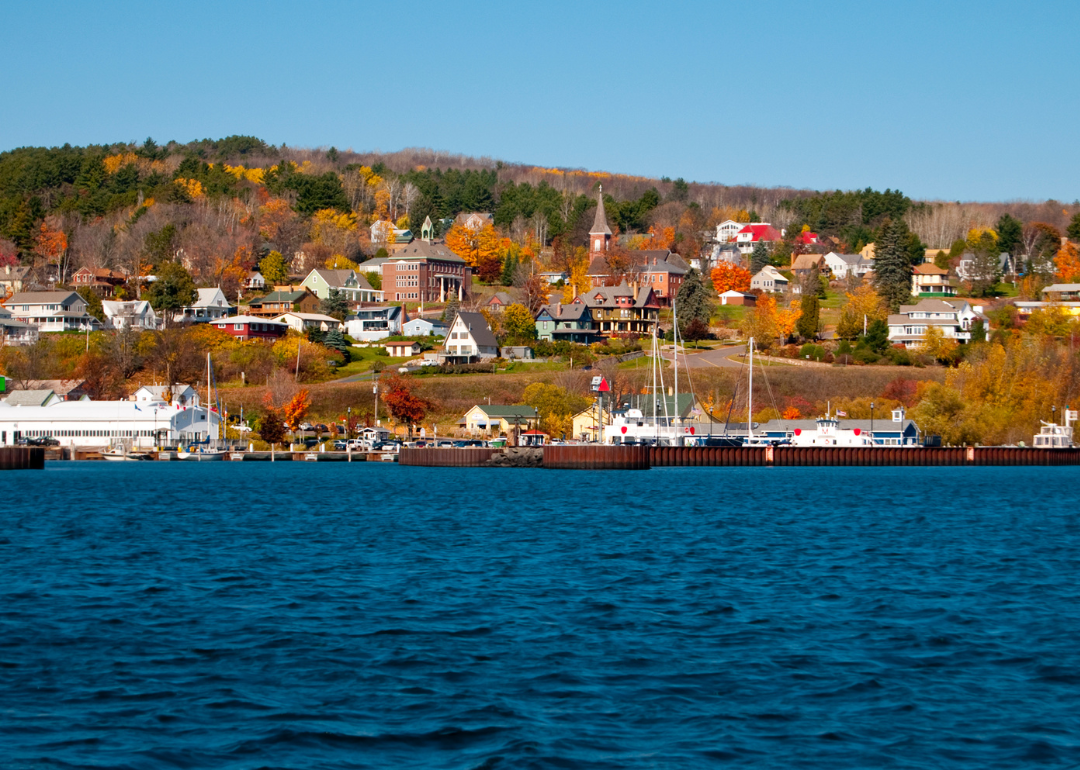
Homes and buildings in Bayfield from across the water.

Canva

28 / 51

#24. Wisconsin

- Student to school counselor ratio: 387:1
--- 2,143 counselors to 830,066 students
- Employment per 1,000 jobs: 1.44 (0.69 times the national average)

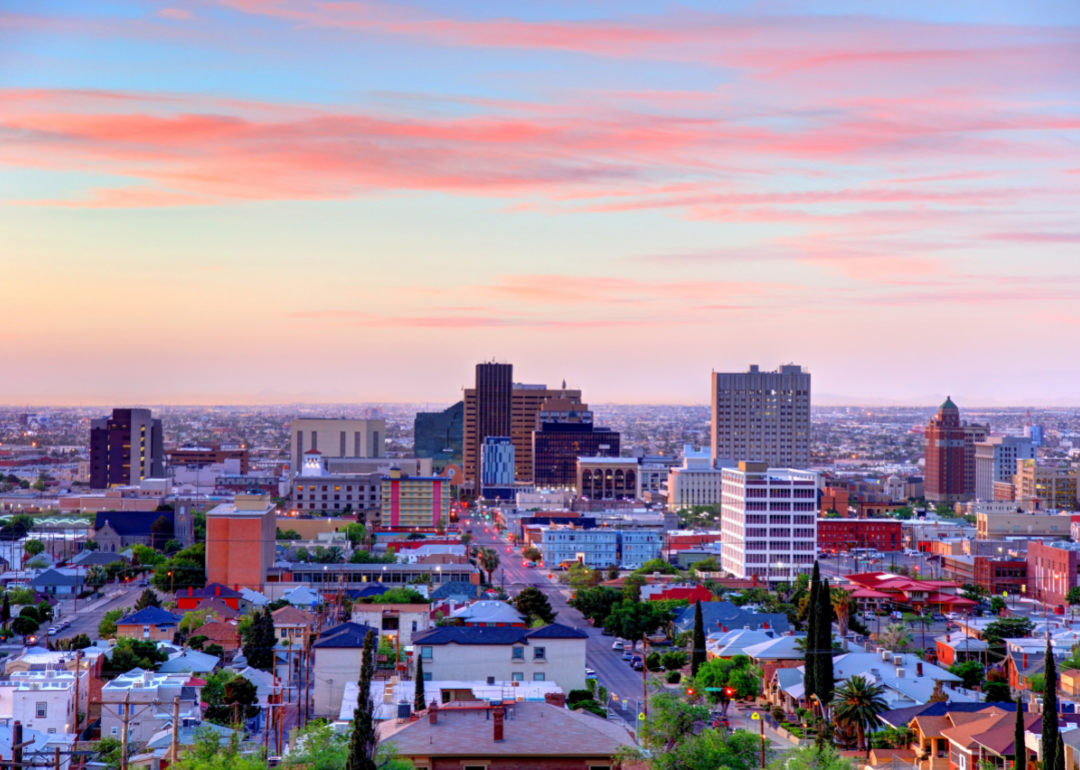
The expansive city of El Paso at sunset.

Canva

29 / 51

#23. Texas

- Student to school counselor ratio: 392:1
--- 13,696 counselors to 5,372,806 students
- Employment per 1,000 jobs: 2.27 (1.08 times the national average)

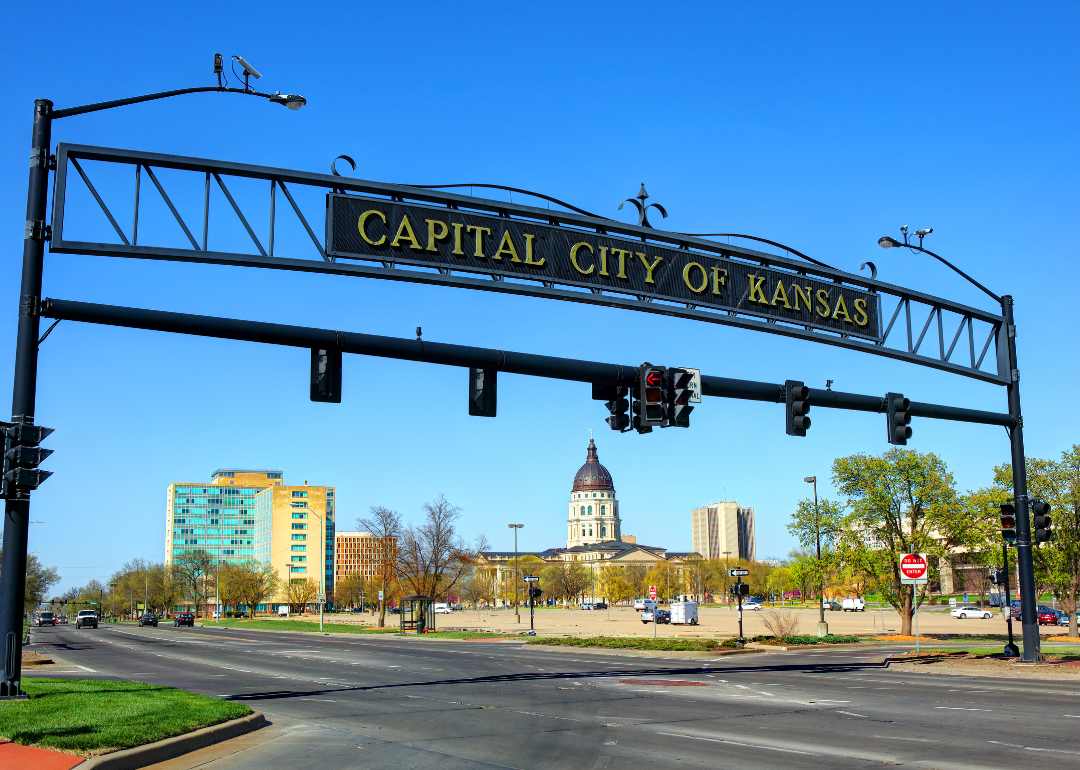
Entrance sign over the highway into Topeka.

Canva

30 / 51

#22. Kansas

- Student to school counselor ratio: 396:1
--- 1,217 counselors to 481,750 students
- Employment per 1,000 jobs: 1.98 (0.94 times the national average)

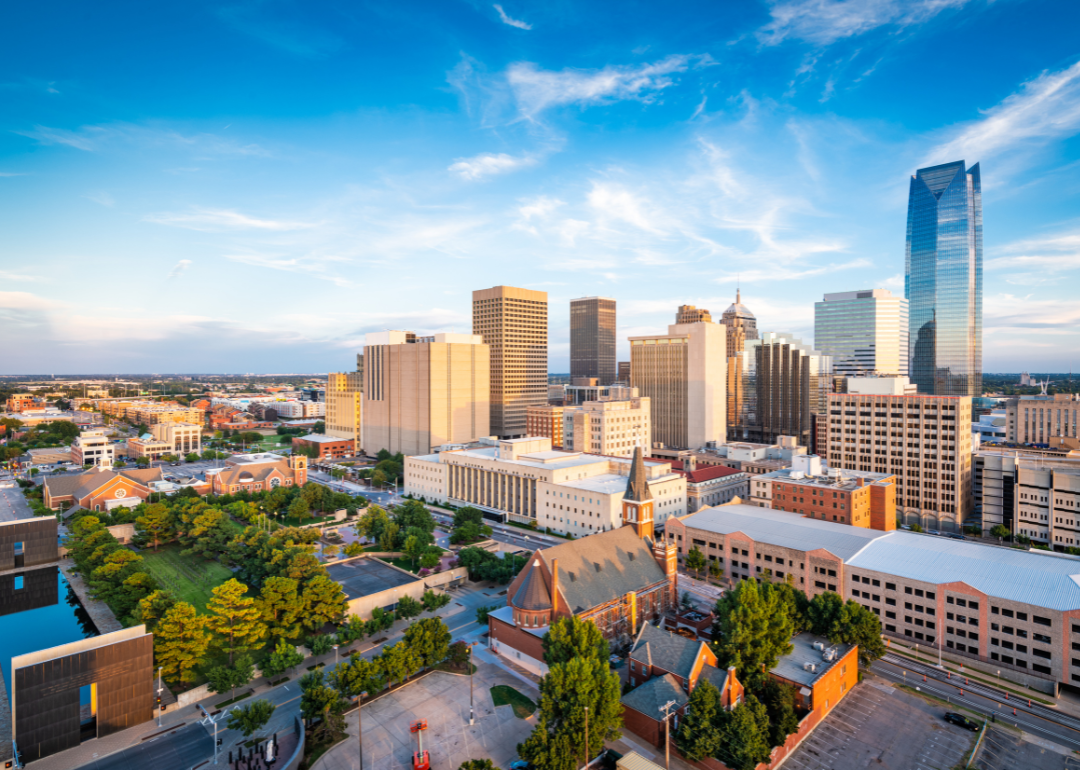
Aerial view of downtown Oklahoma City.

Canva

31 / 51

#20. Oklahoma (tie)

- Student to school counselor ratio: 398:1
--- 1,744 counselors to 694,113 students
- Employment per 1,000 jobs: 2.42 (1.15 times the national average)

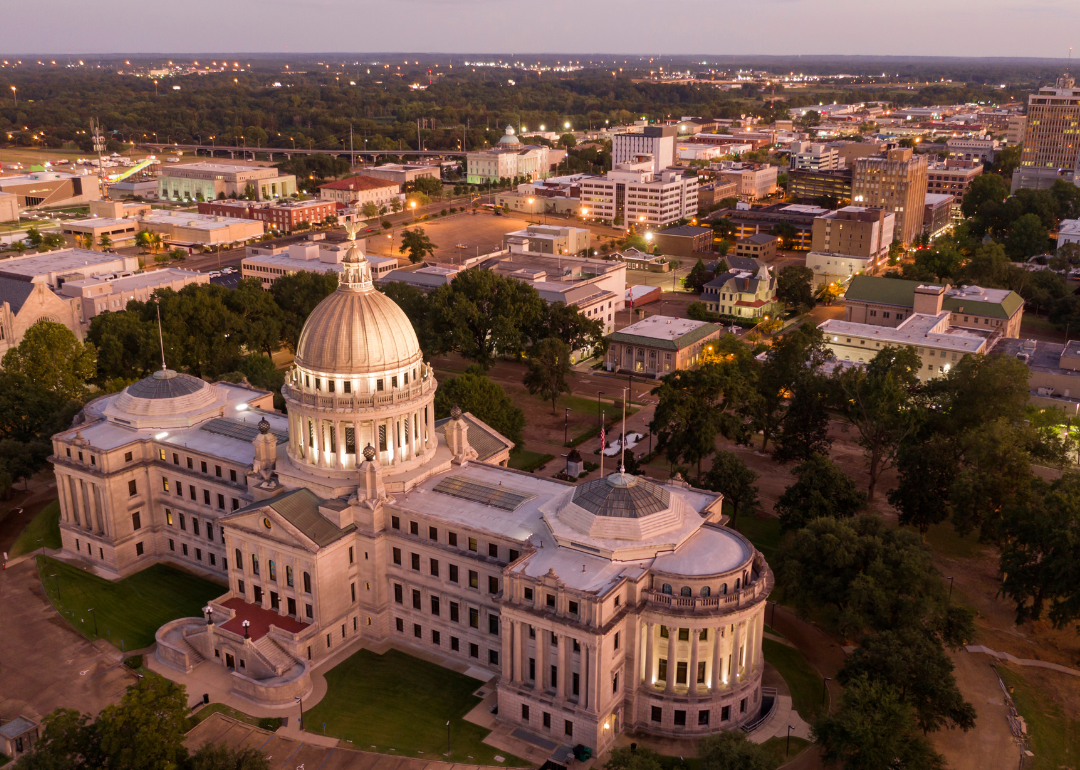
Aerial view of downtown and capital of Jackson.

Canva

32 / 51

#20. Mississippi (tie)

- Student to school counselor ratio: 398:1
--- 1,111 counselors to 442,627 students
- Employment per 1,000 jobs: 1.92 (0.91 times the national average)

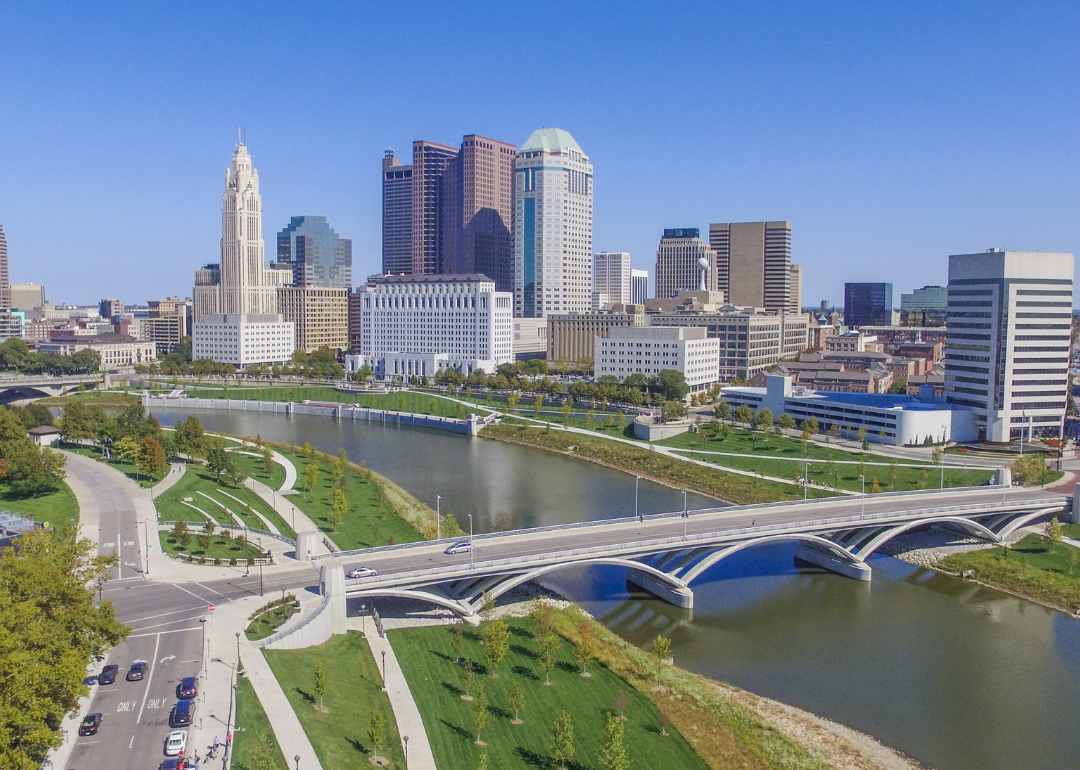
Aerial view of a bridge going over the river and downtown Columbus.
Canva

33 / 51

#19. Ohio
- Student to school counselor ratio: 403:1
--- 4,082 counselors to 1,645,412 students
- Employment per 1,000 jobs: 2.19 (1.04 times the national average)

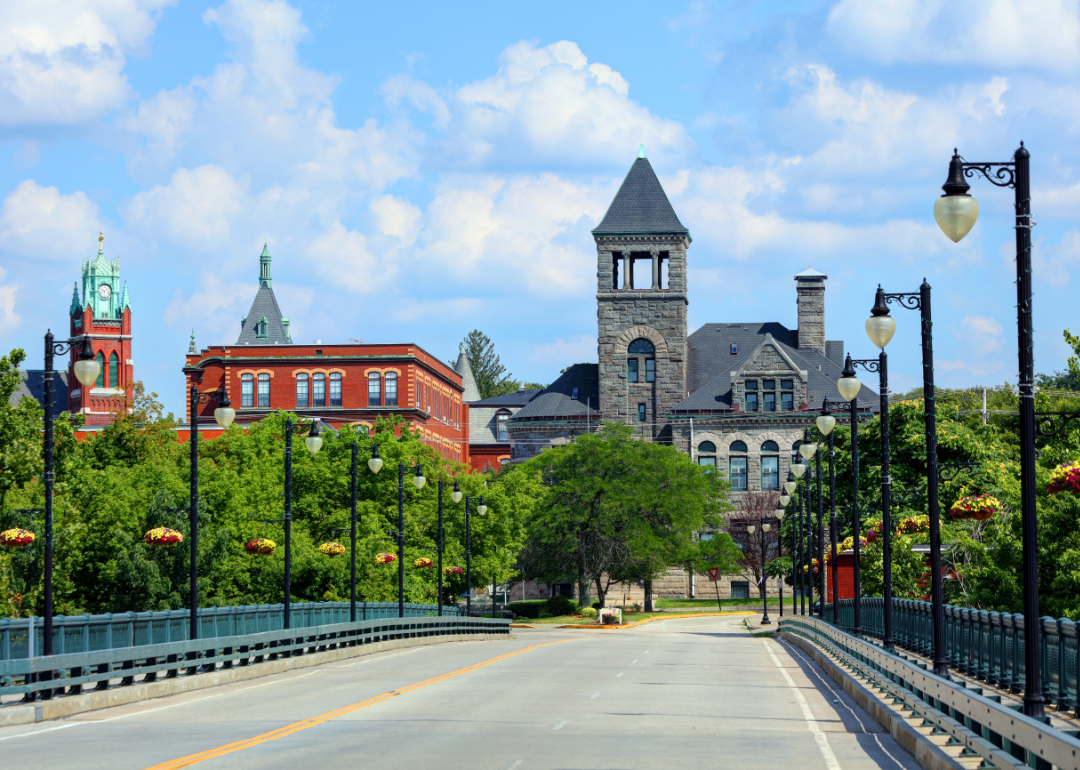
A bridge heading into Woonsocket with historic brick buildings.

Canva

34 / 51

#18. Rhode Island

- Student to school counselor ratio: 414:1
--- 336 counselors to 139,184 students
- Employment per 1,000 jobs: 2.16 (1.02 times the national average)

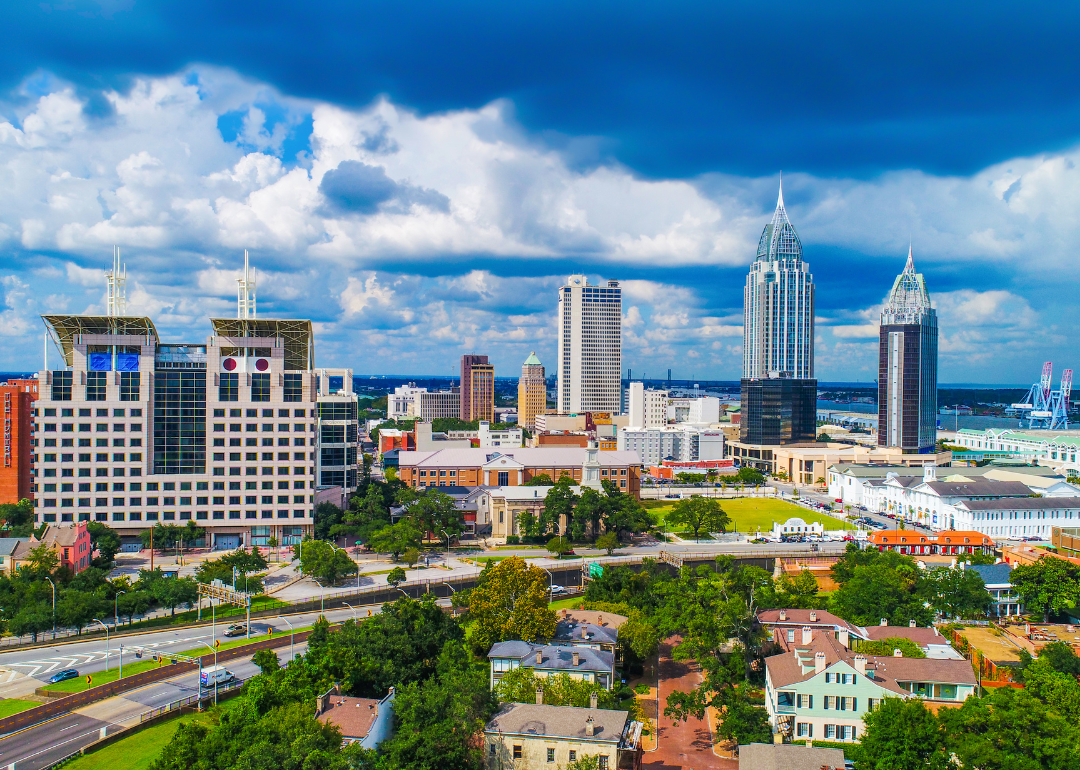
Aerial view of homes and tall buildings in downtown Mobile.

Canva

35 / 51

#17. Alabama

- Student to school counselor ratio: 415:1
--- 1,769 counselors to 734,559 students
- Employment per 1,000 jobs: 1.99 (0.94 times the national average)

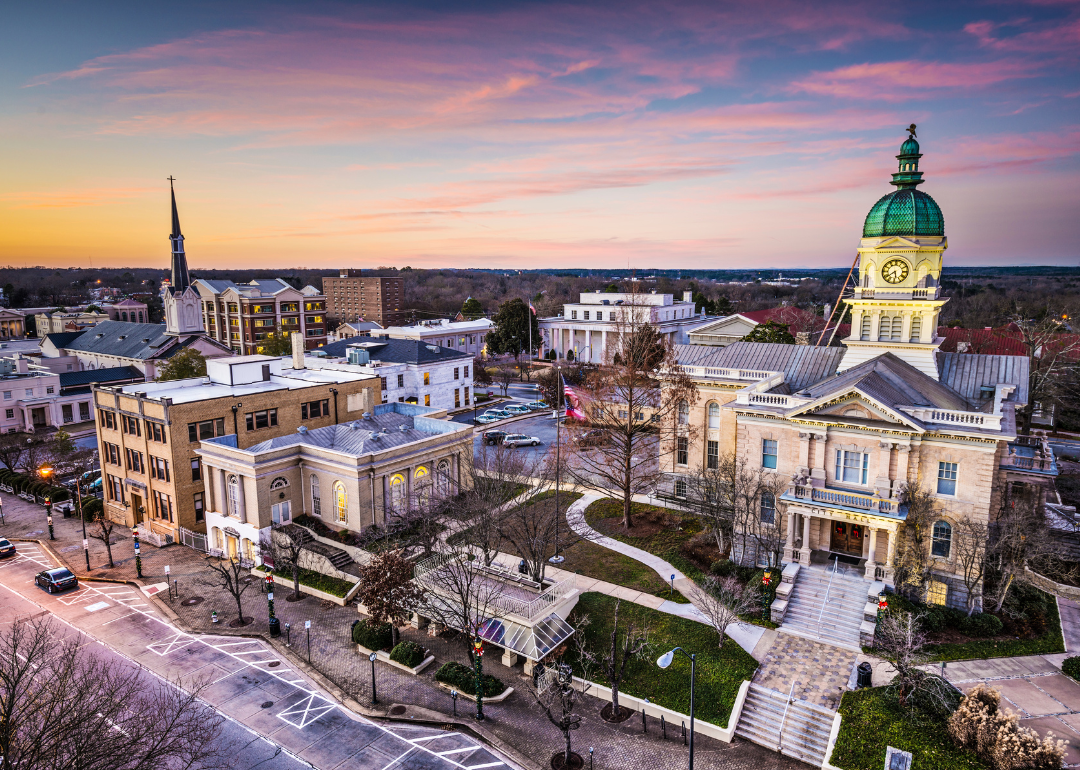
Historic stone buildings in downtown Athens.

Canva

36 / 51

#15. Georgia (tie)

- Student to school counselor ratio: 419:1
--- 4,130 counselors to 1,730,015 students
- Employment per 1,000 jobs: 2.45 (1.17 times the national average)

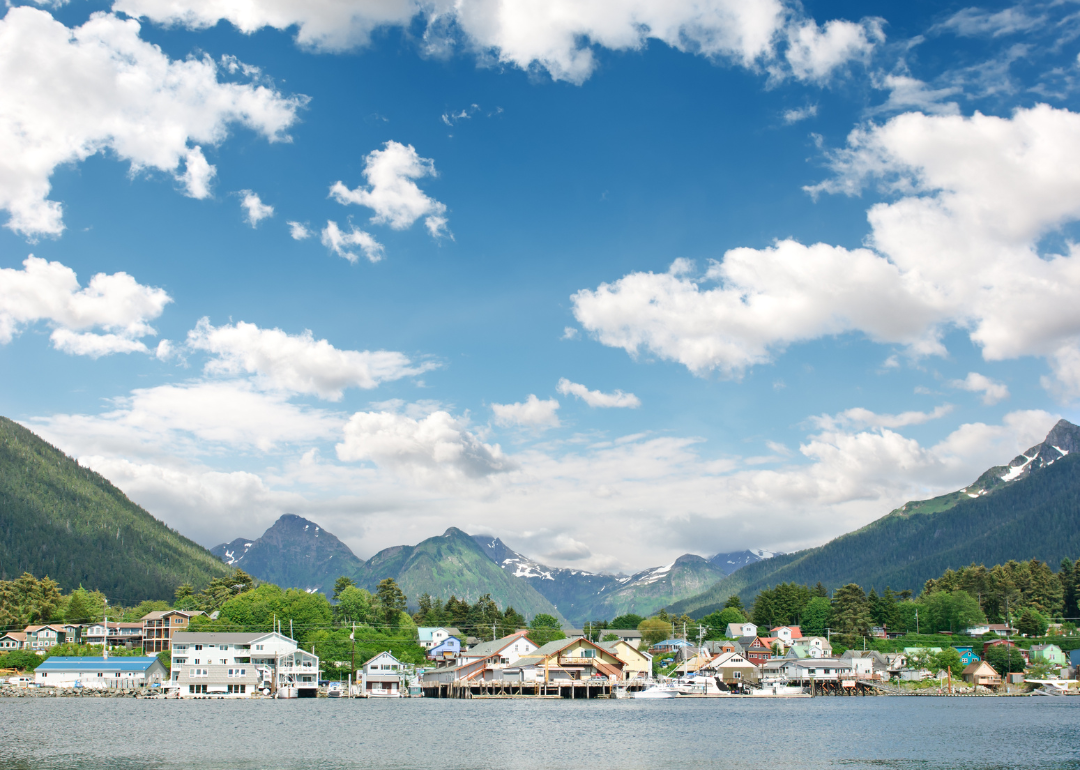
Homes on the water in Sitka with mountains in the background.

Canva

37 / 51

#15. Alaska (tie)

- Student to school counselor ratio: 419:1
--- 310 counselors to 129,872 students
- Employment per 1,000 jobs: 1.19 (0.57 times the national average)

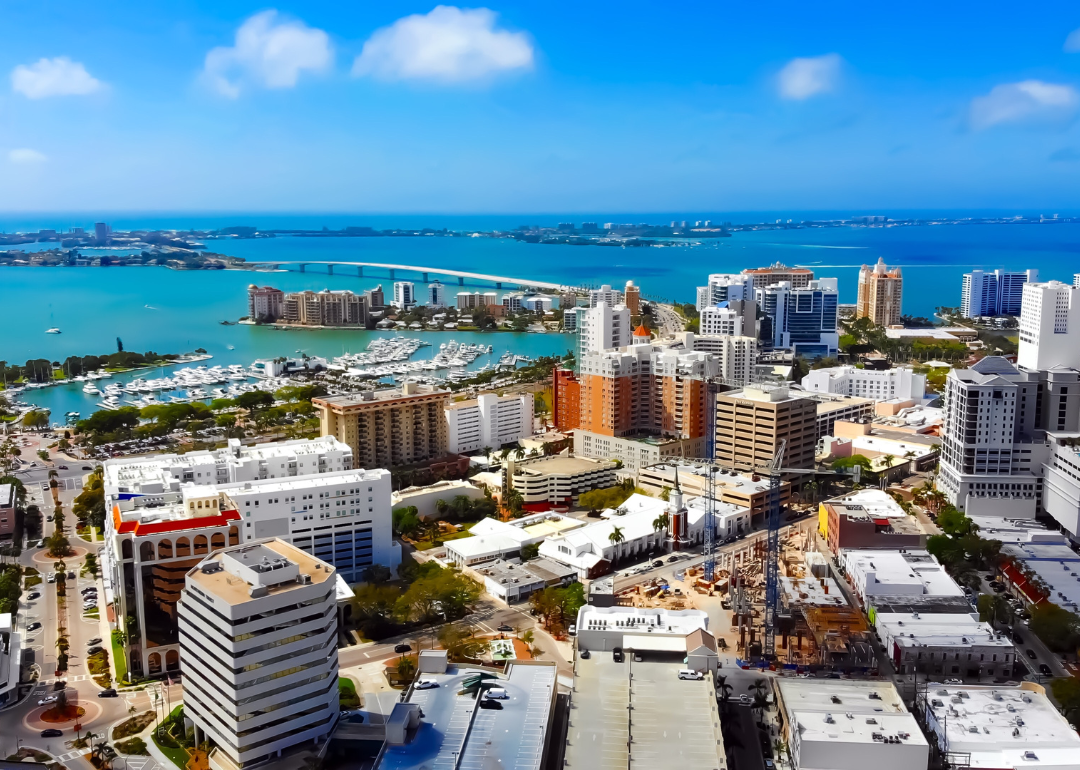
Downtown Sarasota on the water.

Canva

38 / 51

#14. Florida

- Student to school counselor ratio: 434:1
--- 6,428 counselors to 2,791,707 students
- Employment per 1,000 jobs: 1.84 (0.87 times the national average)

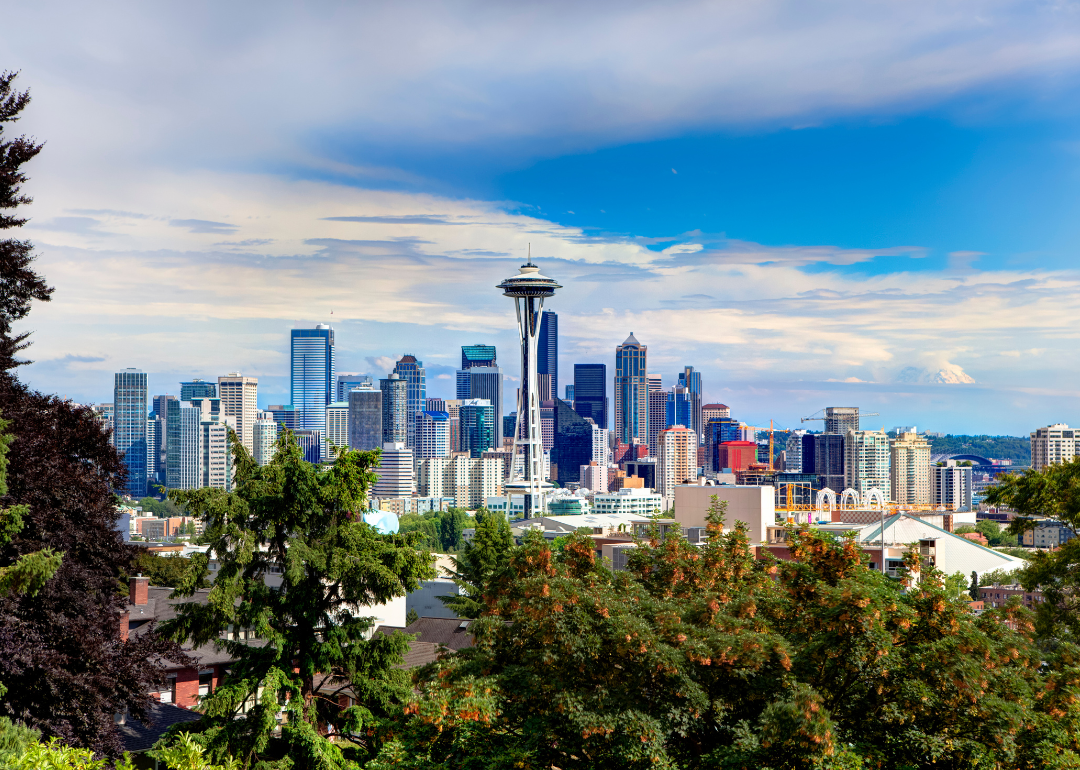
A view of downtown Seattle from behind the trees.

Canva

39 / 51

#13. Washington

- Student to school counselor ratio: 441:1
--- 2,465 counselors to 1,087,354 students
- Employment per 1,000 jobs: 1.76 (0.84 times the national average)

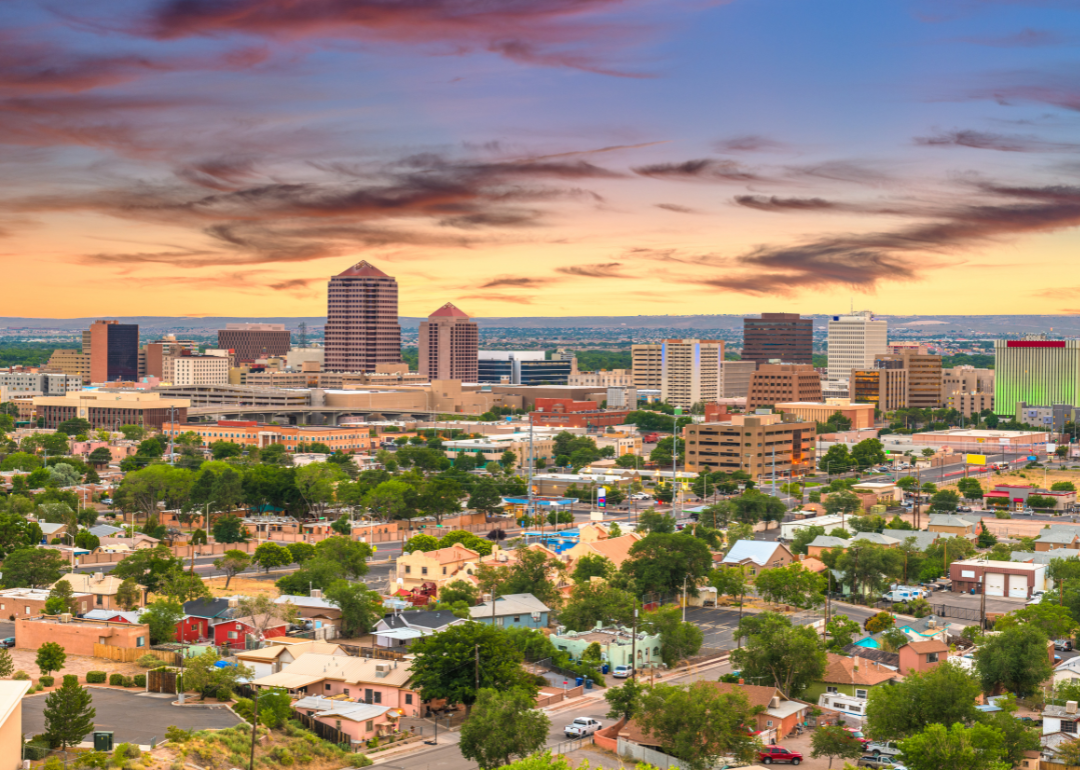
Aerial view of homes and downtown Albuquerque.

Canva

40 / 51

#12. New Mexico

- Student to school counselor ratio: 443:1
--- 716 counselors to 316,840 students
- Employment per 1,000 jobs: 2.05 (0.97 times the national average)

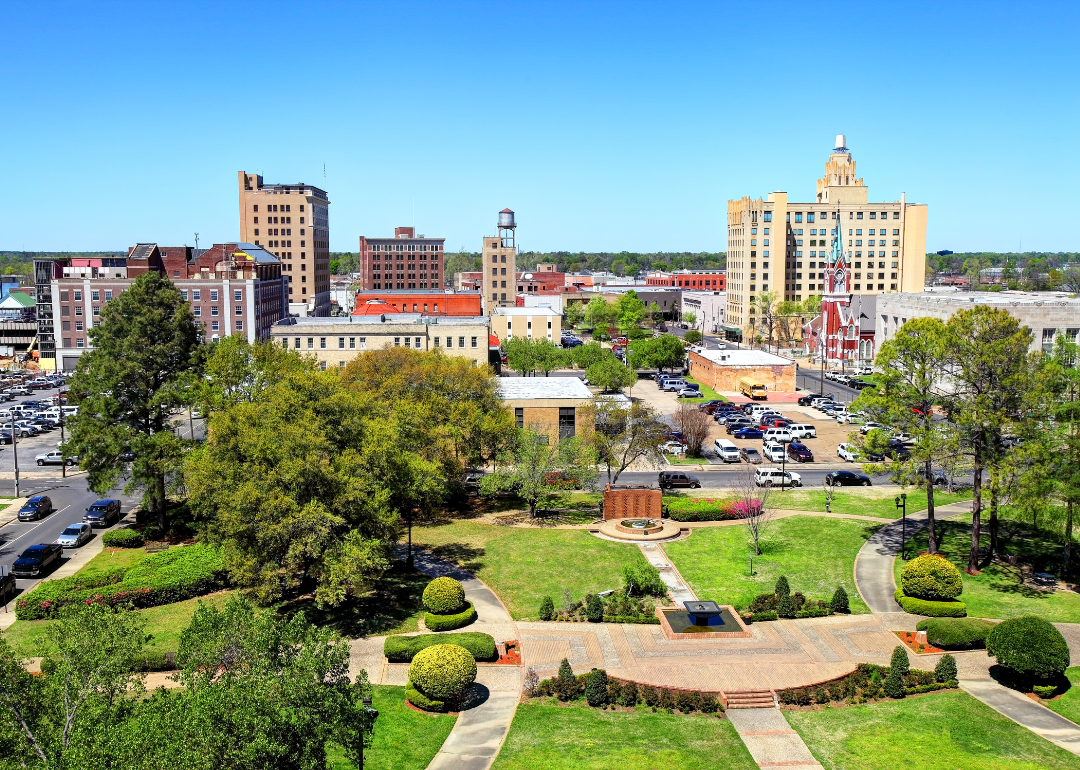
Aerial view of a park and downtown Monroe.

Canva

41 / 51

#10. Louisiana (tie)

- Student to school counselor ratio: 445:1
--- 1,557 counselors to 693,150 students
- Employment per 1,000 jobs: 3.24 (1.54 times the national average)

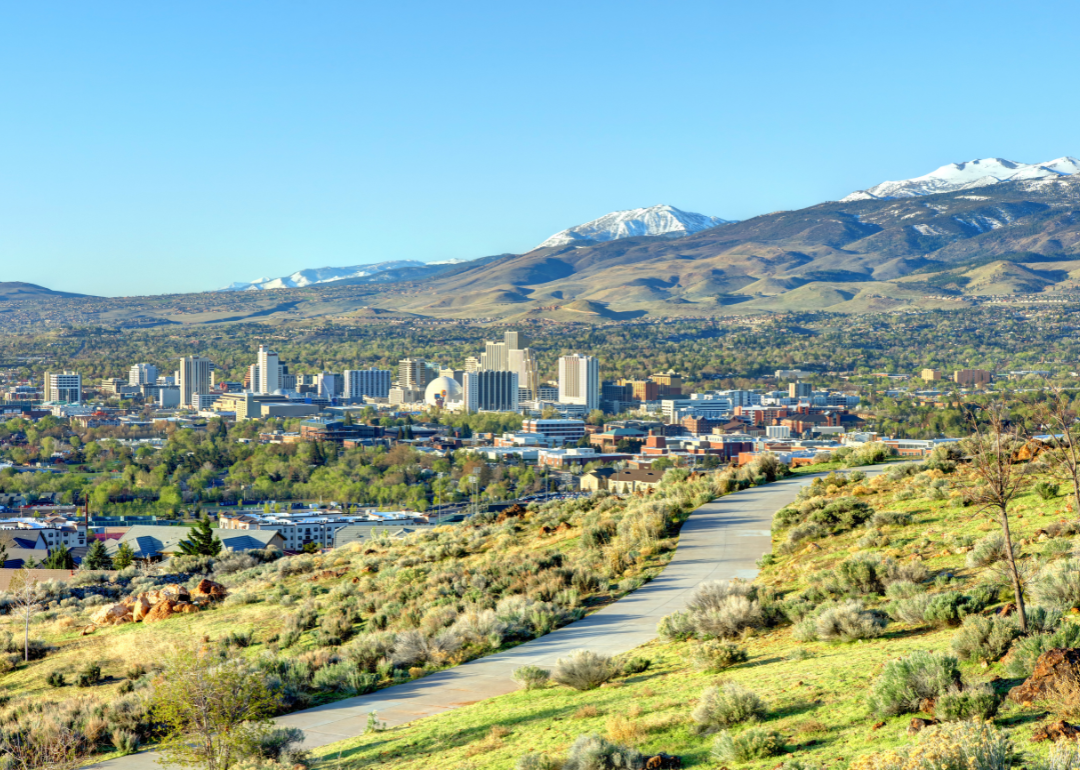
A view of downtown Reno from the hills above.

Canva

42 / 51

#10. Nevada (tie)

- Student to school counselor ratio: 445:1
--- 1,085 counselors to 482,348 students
- Employment per 1,000 jobs: 1.26 (0.60 times the national average)

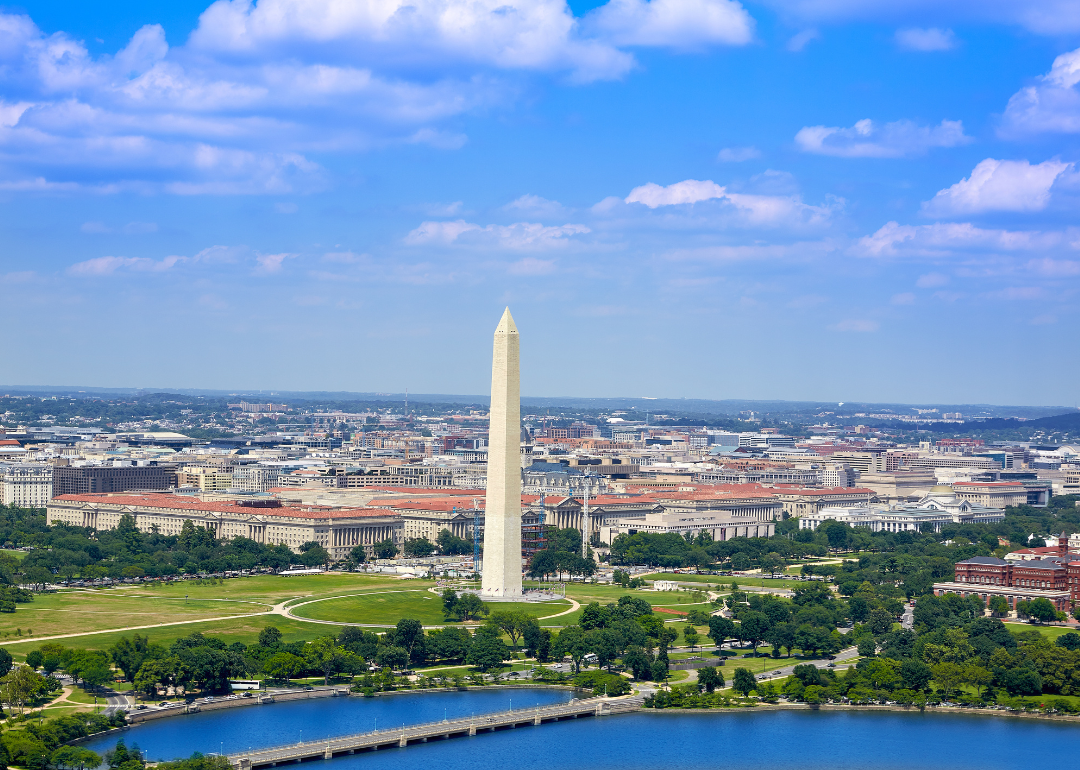
An aerial view of the Washington Monument and Washington D.C.

Canva

43 / 51

#9. District of Columbia

- Student to school counselor ratio: 460:1
--- 195 counselors to 89,883 students
- Employment per 1,000 jobs: 2.44 (1.16 times the national average)

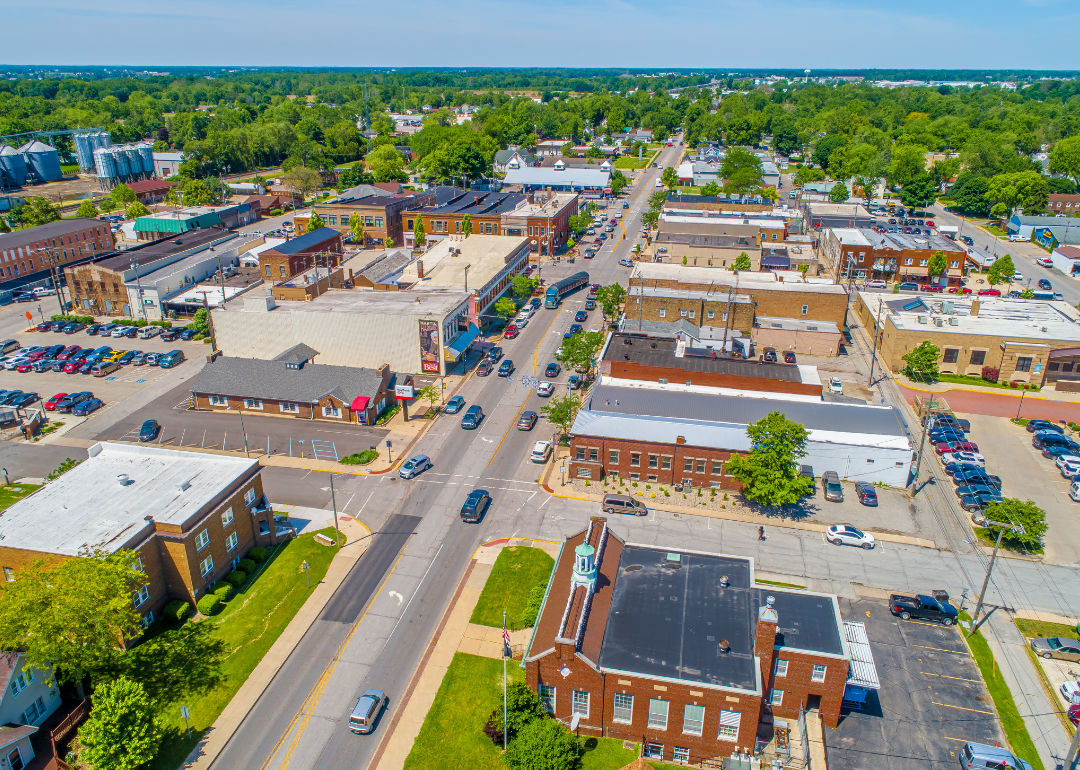
Aerial view of Nappanee.

Canva

44 / 51

#8. Indiana

- Student to school counselor ratio: 475:1
--- 2,176 counselors to 1,033,964 students
- Employment per 1,000 jobs: 1.70 (0.81 times the national average)

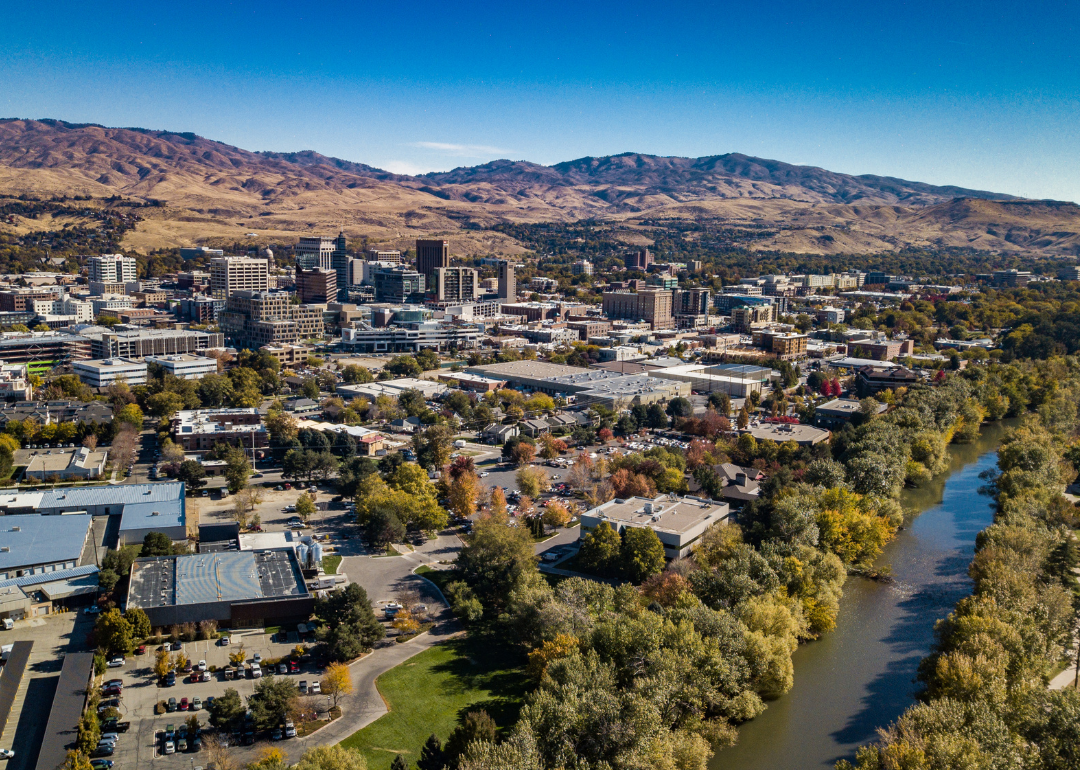
Aerial view of downtown Boise with mountains in the background.

Canva

45 / 51

#7. Idaho

- Student to school counselor ratio: 493:1
--- 623 counselors to 307,581 students
- Employment per 1,000 jobs: 2.81 (1.34 times the national average)

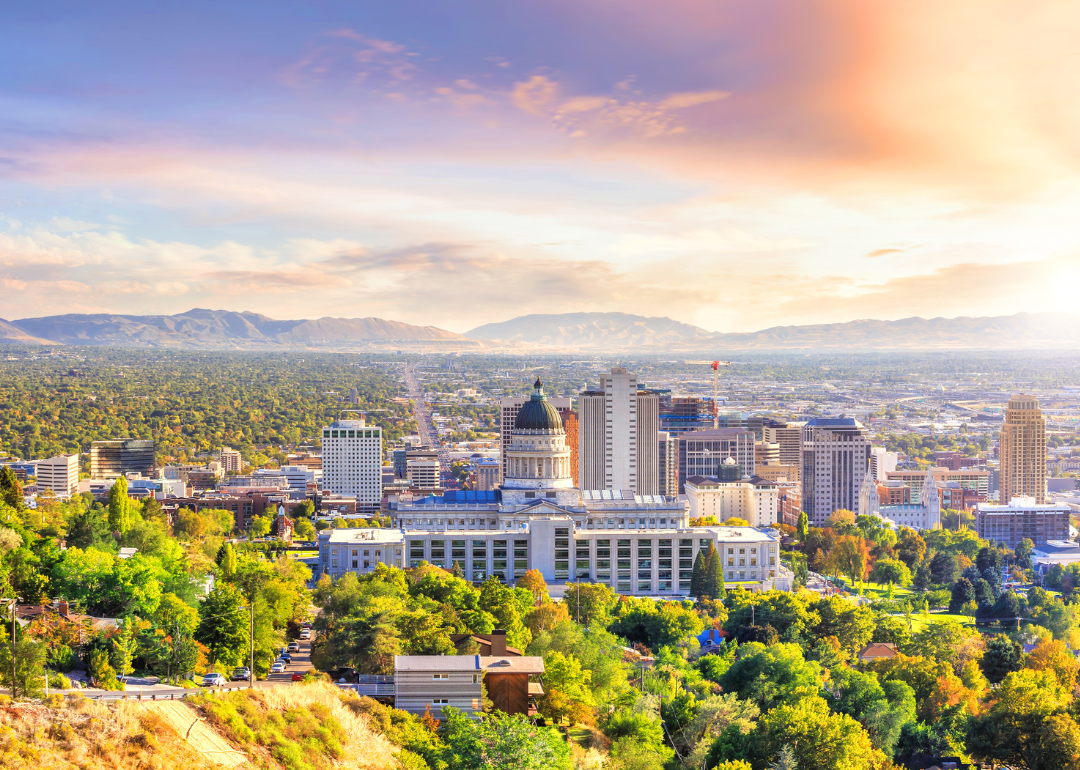
Aerial view of the capital and downtown Salt Lake City with mountains in the background.

Canva

46 / 51

#6. Utah

- Student to school counselor ratio: 544:1
--- 1,251 counselors to 680,659 students
- Employment per 1,000 jobs: 3.20 (1.52 times the national average)

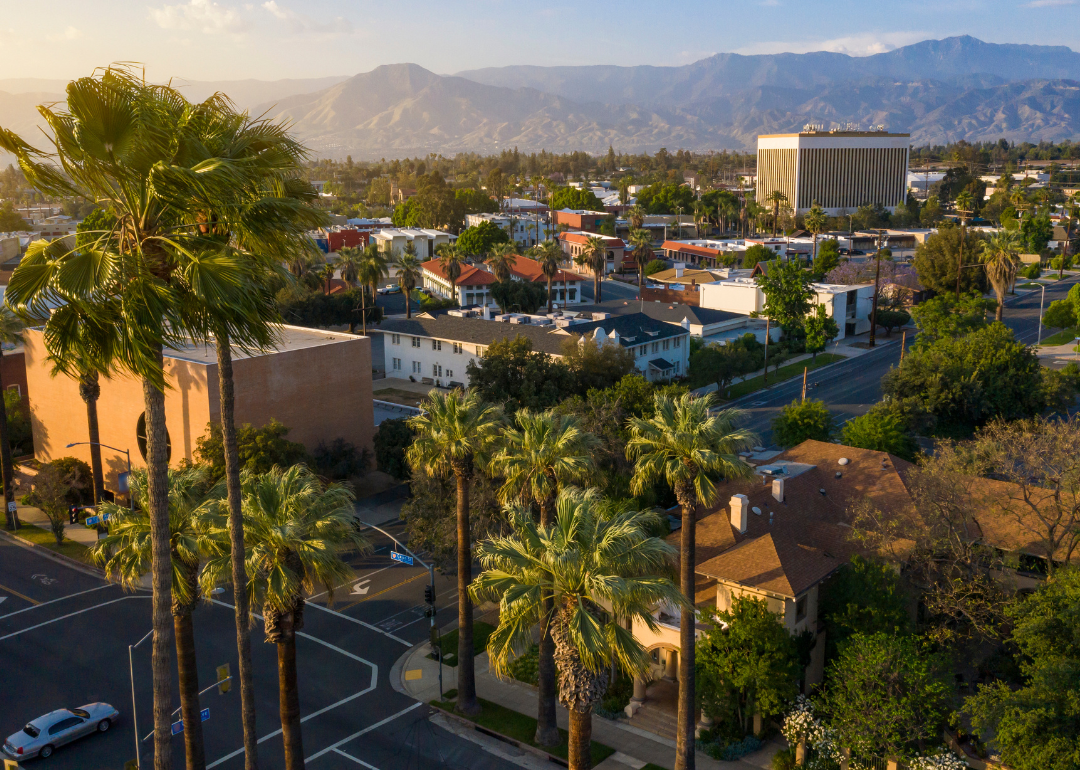
Homes and buildings among palm trees in Redlands.

Canva

47 / 51

#5. California

- Student to school counselor ratio: 572:1
--- 10,602 counselors to 6,064,504 students
- Employment per 1,000 jobs: 1.80 (0.85 times the national average)

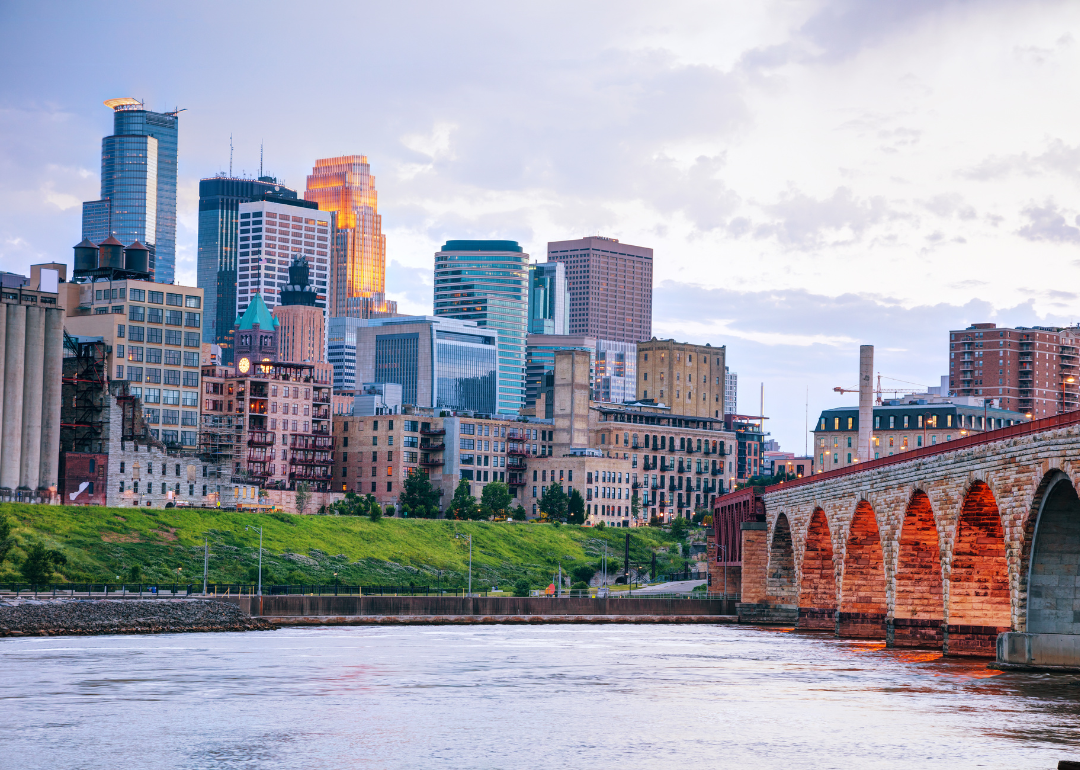
Bridge and downtown Minneapolis.

Canva

48 / 51

#4. Minnesota

- Student to school counselor ratio: 592:1
--- 1,473 counselors to 872,083 students
- Employment per 1,000 jobs: 1.42 (0.67 times the national average)

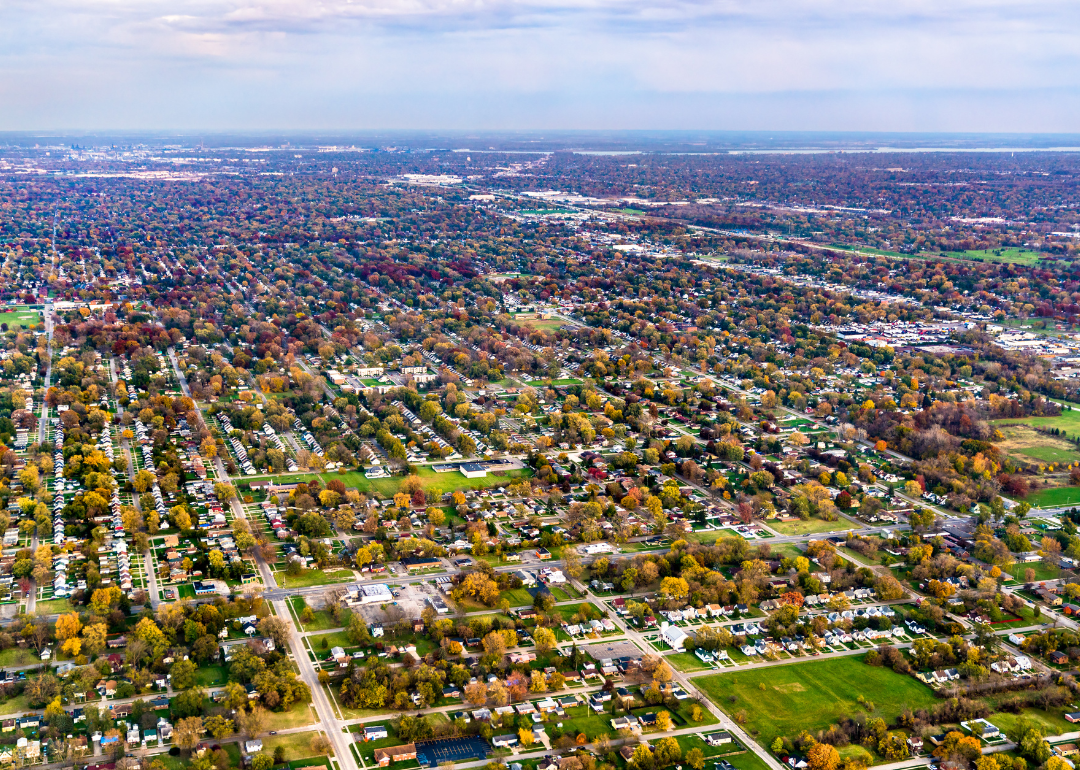
Aerial view of suburban Detroit.

Canva

49 / 51

#3. Michigan

- Student to school counselor ratio: 638:1
--- 2,246 counselors to 1,434,137 students
- Employment per 1,000 jobs: 1.71 (0.81 times the national average)

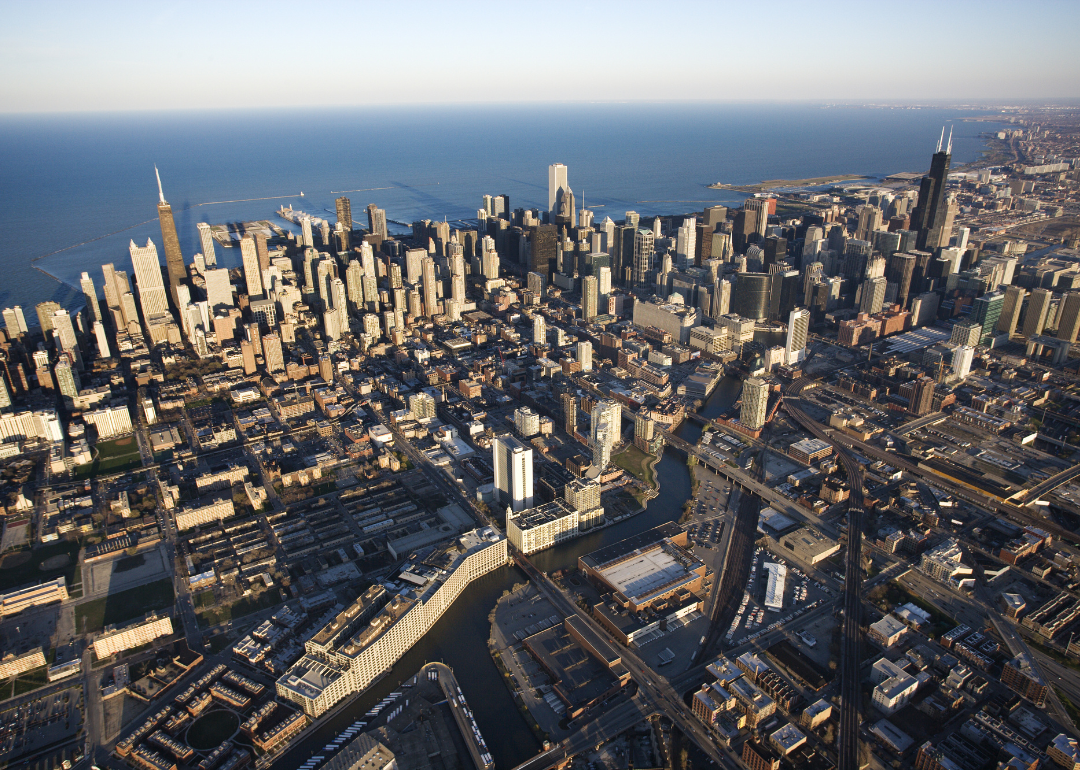
Aerial view of downtown Chicago.

Canva

50 / 51

#2. Illinois

- Student to school counselor ratio: 665:1
--- 2,838 counselors to 1,886,137 students
- Employment per 1,000 jobs: 2.57 (1.22 times the national average)

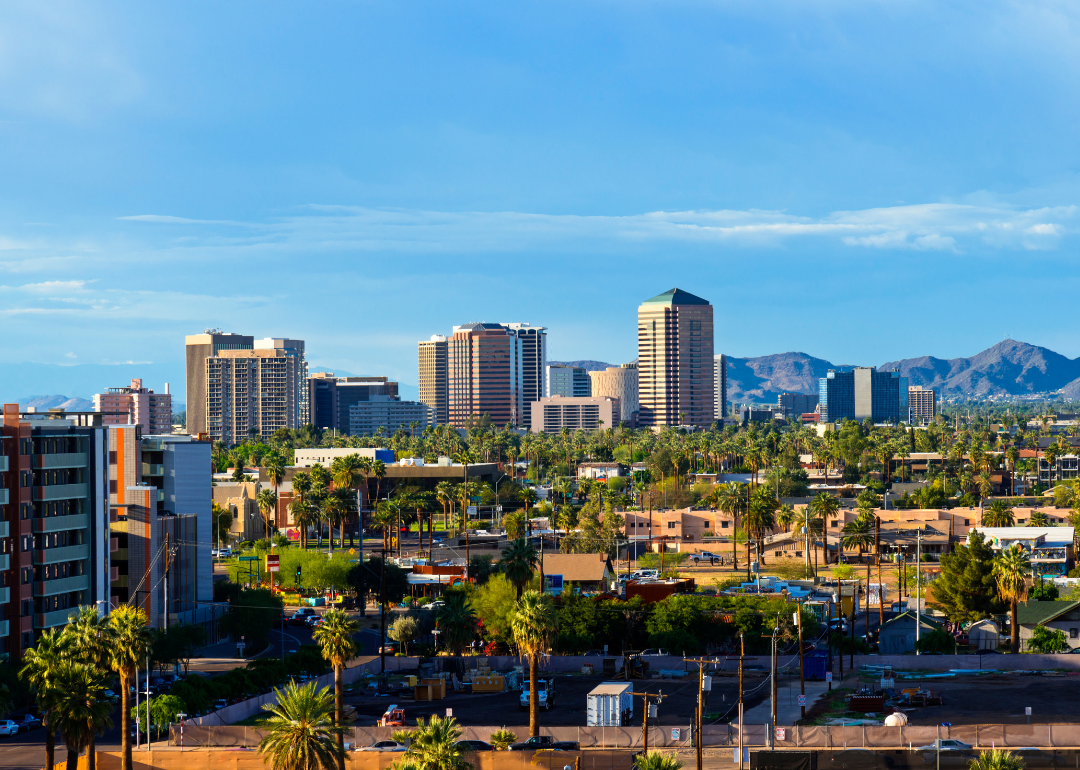
Aerial view of Scottsdale.

Canva

51 / 51

#1. Arizona

- Student to school counselor ratio: 716:1
--- 1,552 counselors to 1,111,500 students
- Employment per 1,000 jobs: 2.77 (1.32 times the national average)