Kris Primacio
1 / 3'Swapping the couch for the surfboard'
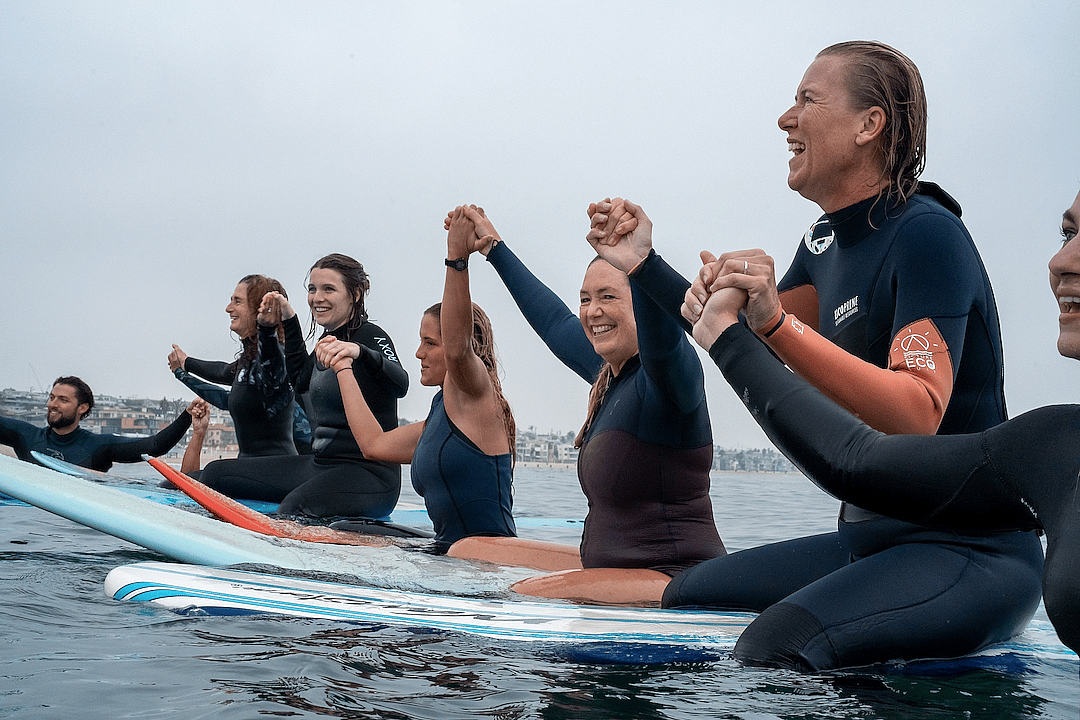
Small initially started inviting clients who had experienced trauma to the beach, and immediately noticed changes. "Already at the first beach session, the shift was phenomenal. The women's body language changed; they relaxed, became more open and connected to their bodies."
At first, she simply transferred her art and somatic therapy sessions to the beach. Then, slowly, Small started taking her clients into the water with body boards and surfboards. Many are anxious about navigating the waves. "Every participant decides herself how far she wants to go out. Maybe she just wants to lie on her stomach and catch a few waves," Small explains. "It doesn't matter. After each wave we check in with each other: How did this feel?"
Riding a wave of research pointing to its benefits, surf therapy has come to be seen by the psychological community as a legitimate and effective form of mental health care. In 2020, the British National Health Service (NHS) officially recognized it as therapy, and British doctors prescribe it, for instance, for depression and post-traumatic stress. The US Navy has been offering surf therapy since 2008 as standard medical care for active personnel and veterans.
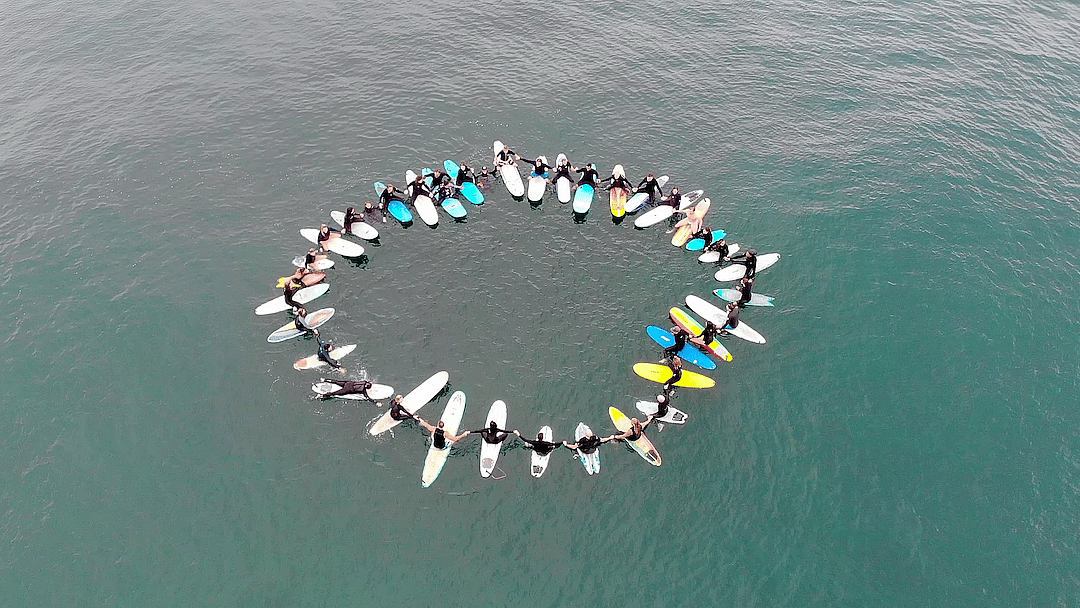
More than 130 organizations are members of the International Surf Therapy Organization (ISTO), offering this unique mental health treatment in 30 countries on six continents, from Scotland to South Africa, New Zealand to Mexico. ISTO director Kris Primacio defines surf therapy as "a method of intervention, combining surfing and structured individual or group activities that promote psychological, physical, and psychosocial well-being." Or, as she likes to put it, "We're swapping the couch for the surfboard."
That's not just a clever catchphrase. In Primacio's experience, moving therapy from an office to the ocean makes it more accessible to groups that might otherwise miss out.
"Psychotherapy still carries a stigma," Primacio says. "If you tell inner-city kids or tough guys to go to therapy, they'll often recoil. But invite them to go surfing? Everybody thinks surfing is cool!"
In addition to persuading skeptics, she finds people open up more easily in the natural, relaxed environment of surf and sand. "What brings you out today?" is an easy conversation starter on the beach, "but asking that question in a therapist's waiting room could come across as intrusive."
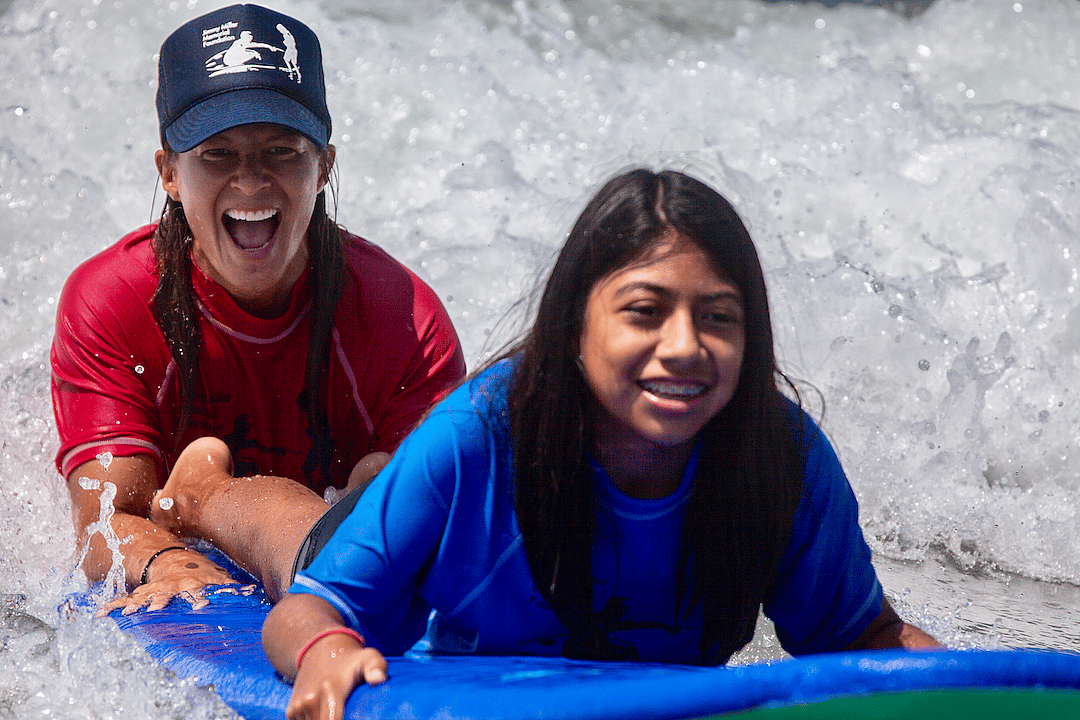
Primacio, pictured here helping a young girl on a bodyboard, views the sea as "the big equalizer. In the unending vastness of the ocean, one's own problems automatically become smaller, given that there is so much depth and expanse out there. The ocean is healing," she says. "On the water, you learn to be present in the moment."
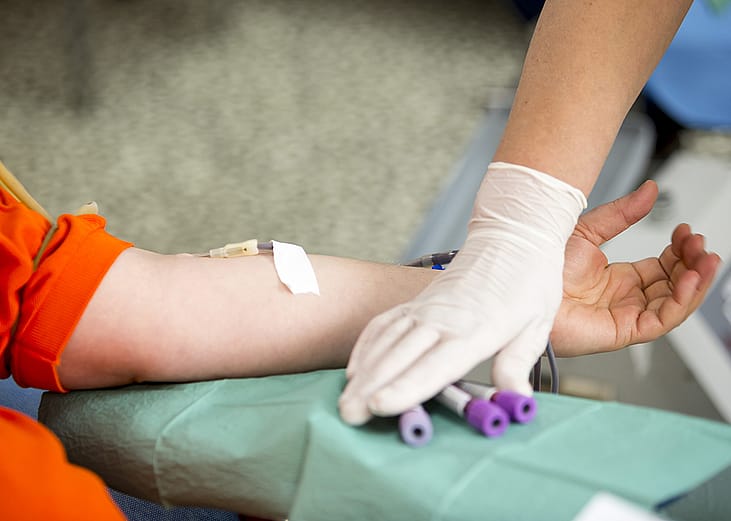
Primacio's observations are backed by a growing body of research. Kristen Walter, a clinical psychologist at the Naval Health Research Center and San Diego State University, received a $1 million grant from the Navy to research surf therapy for military personnel. "We see immediate benefits," Walter confirms. "Post-traumatic stress, depression, and anxiety decrease significantly."
Walter emphasizes that the effect on positive emotions is particularly noteworthy. "With depression and post-traumatic stress, people often are unable to feel joy. The fact that the participants feel more positive emotions is a unique aspect of surf therapy we don't usually observe with other forms of therapy."
What's more, Walter's research has shown that the effects of surf therapy are lasting: When she randomly assigned 96 military participants with mental health diagnoses to either hiking or surf therapy, both groups spent three to four hours per week in nature. After six weeks, both groups showed improvements — 55 percent of the surfers and 46 percent of the hikers were no longer considered clinically ill. "But when we checked again three months later, the improvements in the surfer group lasted significantly longer," Walter says. "74 percent of the surfers were considered healed versus only 47 percent of the hikers."
Some of the instructions at Ocean Beach resemble any other surf course. We practice paddling out into the surf and jumping up onto the board from a prone position. But many aspects are different: The course is accompanied by an online community where we can share confidential questions and insights. And while we celebrate every wave we catch with cheers and claps, at the end of the day, it's not important how many waves we rode, but how we feel.