Why hangovers happen (and what to do about them)
If you party a bit too hard over the holidays, there are still things you can do to mitigate the hangover and replenish key nutrients and minerals. But the question is: how? And what causes the hangover in the first place?
Below, performance and health coach Luis Villaseñor, co-founder of LMNT, explains the science behind hangovers and recovery strategies.
How We Metabolize Alcohol
When you ingest alcohol, your liver freaks out. It views any amount of alcohol (also called ethanol) as a toxin. This toxin must be processed and cleared as soon as it can be done.
The liver is your largest internal organ, just as crucial for survival as your brain and heart. It regulates blood sugar levels, manages cholesterol, helps digest food, and aids in blood clotting. But the liver is best known for detoxification.
The liver first detoxifies ethanol with three sets of enzymes: alcohol dehydrogenase (ADH), the microsomal ethanol oxidizing system, and catalase. ADH does about 80% of the work.
The term “detoxifies” is a little misleading, though. In fact, ADH turns ethanol into another toxin, acetaldehyde, that’s more toxic than ethanol itself. Fortunately, the liver has enzymes like aldehyde dehydrogenase (ALDH) to clean up the mess.
ALDH converts acetaldehyde (dangerous) into acetate (harmless). Finally, acetate is converted to water and carbon for easy disposal through the kidneys. Toxin cleared. Liver happy.
Here’s a quick review to solidify your memory:
- Alcohol travels from the gut to the liver via the portal vein.
- Alcohol dehydrogenase converts alcohol into acetaldehyde.
- Aldehyde dehydrogenase converts acetaldehyde into acetate.
- Acetate is converted to water and carbon.
- Obviously, alcohol isn’t zapped into water and carbon immediately. The process takes time. And when someone drinks loads of beer, the liver can’t keep up. Now we’re in hangover territory.
Hangover 101
Hangover is a catch-all term for the headaches, weakness, dry mouth, muscle aches, nausea, vomiting, stomach pain, light sensitivity, dizziness, and shakiness that may follow alcohol intoxication. The severity of the hangover depends on several factors.
Factors Influencing Hangover Severity
- The amount (and quality!) of alcohol consumed
- The time period over which the alcohol was consumed
- One’s capacity to metabolize alcohol and its toxic byproducts
- What you combine alcohol with (it’s not the same to drink straight or wine, versus a sugar-laden cocktail)
- Hydration status
The first two factors are straightforward. The more alcohol the liver must process, and the less time to process it, the greater the chance and the severity of the hangover symptoms. Most people know how many drinks they can tolerate without suffering the next day.
This drink limit, however, will vary from person to person. Why? Because some people are able to metabolize alcohol more efficiently than others.
For instance, studies have found that approximately 50% of Japanese people, 35% of Chinese people, and 40% of Vietnamese and Indonesian people have an inactive variant of the aldehyde dehydrogenase. With this inactive form, alcohol consumption causes uncomfortable reactions, including facial flushing, increased heart rate, and dysphoric sensations.
Finally, alcohol disrupts the delicate balance of fluids and electrolytes, called hydration. The good news is, hydration is within your control. More on that soon.
What Causes Hangover Symptoms? The Science, Explained
Most people think that alcohol causes hangovers. That’s mostly true — but it’s not the whole story.
Yes, drinking alcohol often means headache, fatigue, and nausea the next morning. But it’s not just one villain at work. Ethanol plays a role, and so do the byproducts your body creates while trying to clear it.
In other words: This is a team effort.
Here’s what’s actually going on.
1. Ethanol — the main character
Even before your body starts breaking it down, ethanol starts disrupting several systems that matter for how you feel the next day.
- It interferes with sleep architecture, fragmenting REM and deep sleep.
- It alters neurotransmitters — increasing glutamate rebound and nervous system irritability.
- It can impair glucose regulation, contributing to morning-after shakiness and fatigue.
- It increases oxidative stress as your body works to process it.
None of that feels great at sunrise.
2. Acetaldehyde — a toxic byproduct of alcohol
You remember acetaldehyde. It’s the nasty toxin jammed in the middle of alcohol metabolism.
The liver works hard to convert acetaldehyde to acetate. But when too much alcohol enters the body, acetaldehyde builds up faster than the liver can clear it — at least temporarily. And that’s when the tides of war can turn.
Because acetaldehyde is directly toxic and pro-inflammatory, researchers believe it’s a likely contributor to hangover symptoms. It can trigger an immune response, causing the body to mount an inflammatory reaction. And where there’s immune activity (or inflammation), symptoms often follow.
That said, hangovers are multifactorial. Studies haven’t consistently shown that acetaldehyde levels alone predict hangover severity. Immune activation, sleep disruption, dehydration, and metabolic effects also play important roles.
3. The diuretic effect: Why alcohol makes you dehydrated
Centuries ago, Shakespeare noticed that consuming alcohol increased the volume of his urine. This observation has since been confirmed by scientists and more than a few inebriated humans waiting in line for the Port-O-Potty.
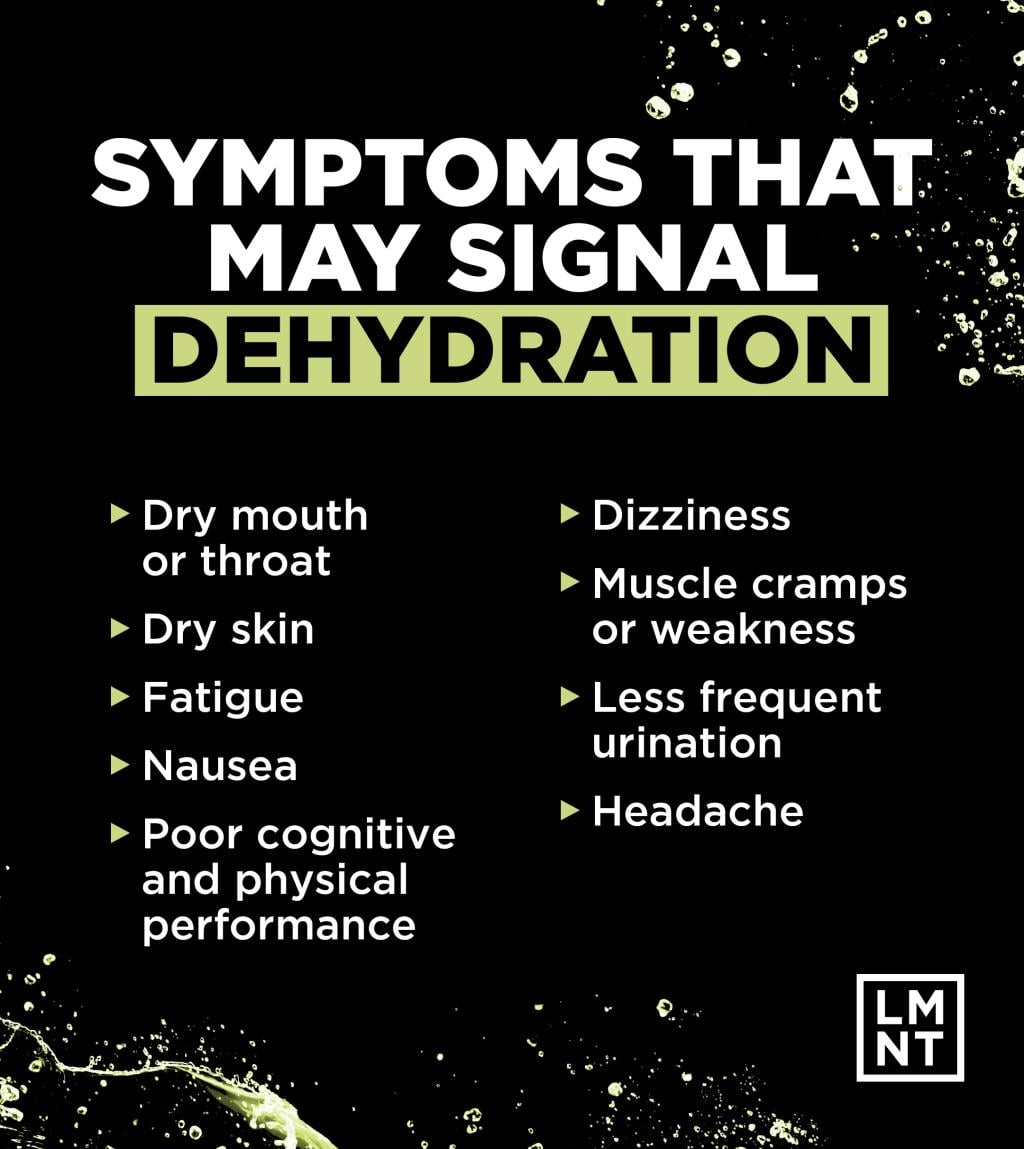
Yes, alcohol consumption has a diuretic effect, meaning it increases fluid loss through urine. And when more fluids leave the body than enter it, that’s called dehydration. The symptoms of dehydration — headaches, lethargy, dry mouth and dizziness — align nicely with our list of hangover symptoms.
Interestingly, the diuretic effect doesn’t last. When the drinking stops, and the withdrawal begins, antidiuretic hormone rises, and more water is retained. This, unfortunately, triggers electrolyte imbalances.
4. The sodium problem: Hyponatremia and hangovers
Electrolytes are charged minerals that conduct nerve impulses and balance your body water. How you feel is tied to your electrolyte levels, and alcohol throws these levels off.
In other words, electrolyte deficiencies — provoked by drinking alcohol — can cause hangover symptoms. Here are the main deficiencies to watch:
- Magnesium. Chronic heavy alcohol use can cause magnesium wasting. This is a big problem for alcoholics, who tend to suffer from clinical magnesium deficiency. During isolated episodes of acute drinking, the effect is milder but may contribute to overall symptoms in sensitive individuals.
- Potassium and phosphorus. Potassium and phosphorus deficiencies can develop when vomiting or diarrhea are combined with electrolyte-poor diets.
- Sodium. In the aftermath of heavy drinking, the body activates water retention mode. This dilutes blood sodium levels, leading to fatigue, weakness, muscle cramps, and headaches. The clinical term for low serum sodium is hyponatremia. It makes a hangover way worse.
5: Alcohol, leaky gut, and inflammation
Alcohol — especially in moderate to high amounts — can increase intestinal permeability, springing leaks in the delicate barrier separating your intestines from your body and triggering inflammation. This is called leaky gut.
When the gut becomes leaky, particles slip into the bloodstream, and a confused immune system attacks. Now you have inflammation, which in turn creates digestive symptoms that exacerbate hangover symptoms.
Hangover Remedies
Beyond moderation (or abstention), there are two main ways to mitigate hangover symptoms.
Take Supplements
A variety of herbs may alleviate hangover symptoms. Prickly pear extract, for instance, has been shown in a clinical trial to reduce nausea and dry mouth. Ginger can also soothe an upset stomach.
On the hangover prevention side, a compound called dihydromyricetin (DHM) has been shown (in mice) to reduce intoxication behaviors and withdrawal symptoms, but its effect on acetaldehyde clearance is unclear and not well demonstrated in humans. Many companies market DHM as a hangover cure, but this is likely a misleading claim.
Hydrate Properly
Heavy drinking raises the risk of dehydration and electrolyte deficiency. With a hydration strategy, some of this is preventable.
Take sodium, potassium, and magnesium along with your water. Try sipping on electrolyte water before, during, and after the party. Preload a few water bottles, and you’ll be better prepared than most. Health experts usually suggest drinking a glass of mineral-rich sparkling water for every drink of alcohol.
Yet, no amount of hydration planning will immunize you against hangovers. If you drink too much, your body will suffer. The best way to prevent a hangover is to be smart with alcohol. Less is more, as they say.
FAQ
How long does a hangover last?
Most hangovers last between eight to 24 hours, though heavy drinking can cause symptoms that persist up to 48 to 72 hours. The duration depends on several factors: how much you drank, how quickly you drank it, your ability to metabolize alcohol (thanks, liver enzymes), and your hydration status.
Can you prevent a hangover completely?
Avoiding alcohol consumption is the only 100% guaranteed prevention method. If you choose to drink, moderation is your best bet. A few things may help you reduce hangover severity (though not eliminate it). These include drinking water and electrolytes before, during, and after alcohol consumption, eating a substantial meal before drinking to slow alcohol absorption, and pacing yourself — giving your liver time to process the alcohol.
Do electrolytes help with hangovers?
Electrolytes don't "cure" hangovers. They can't speed up your liver's processing of acetaldehyde, which is the primary culprit behind your misery. But they do help with several hangover symptoms, particularly those related to dehydration and electrolyte imbalances.
Are hangover pills and supplements effective?
Mostly no. There’s limited evidence for a few things that might help a little:
- Prickly pear extract: One clinical trial showed it reduced nausea and dry mouth. Not a cure, but potentially helpful for symptom relief.
- Ginger: Can soothe an upset stomach, which is useful when you're nauseous. But it won't address the underlying acetaldehyde problem.
- Dihydromyricetin (DHM): Showed promise in mouse studies for speeding acetaldehyde clearance. Many companies market DHM as a hangover cure, but human evidence is lacking. Be suspicious of these claims.
But there is no evidence to suggest that “hangover cure supplements,” activated charcoal, milk thistle (traditionally used for liver support, but no hangover evidence), or B vitamins will cure a hangover. Focus on moderation, hydration with electrolytes, and giving your body time to process the alcohol and clear the acetaldehyde.
Does “hair of the dog” work?
No. The idea behind "hair of the dog" — drinking more alcohol to cure a hangover — comes from 16th-century medicine. Doctors back then thought you could cure rabies by drinking a potion made with hair from the dog that bit you. (Spoiler: that didn't work either.)
When you drink more alcohol in the morning, you might feel temporarily better because you're getting buzzed again. You're essentially delaying the inevitable by putting more ethanol in your system, which briefly masks the withdrawal and acetaldehyde effects. But you haven't fixed anything. You've just postponed the hangover. When it finally hits, it'll be worse because now your liver has even more alcohol to process. You're adding fuel to a fire and calling it firefighting.
Time is the only universal cure for hangover symptoms. There's no shortcut.
The Bottom Line
Hangovers are caused primarily by acetaldehyde (a toxic byproduct of alcohol metabolism), dehydration from alcohol's diuretic effect, electrolyte imbalances, and inflammation. You can reduce severity by staying hydrated with electrolytes before, during, and after drinking — and most importantly, by drinking alcohol in moderation.
This story was produced by LMNT and reviewed and distributed by Stacker.