Love, history and harmony: Valentine’s Day then and now
Love, history and harmony: Valentine’s Day then and now
Valentine’s Day is widely associated with romantic expression, though its origins and modern significance reflect a blend of ancient ritual, literary tradition, and changing social customs. In this article, PrayerSong examines how the holiday evolved and why music continues to play a role in how people mark romantic milestones.
From pagan ritual to poetic romance
Valentine’s Day did not begin as a celebration of love, but its roots can be traced back to ancient Rome and the mid-February holiday called Lupercalia. Lupercalia was a fertility festival that included matchmaking.
Early Christian leaders sought to replace the pagan festival with sanctioned feast days honoring one or more Christian martyrs named Valentine.
Those early Valentines were not initially associated with romance. One legend describes a priest who secretly married couples despite a royal ban. Another tells of a prisoner who signed a farewell letter “from your Valentine.” Whether historical or symbolic, such stories gained popularity over the centuries as the holiday evolved.
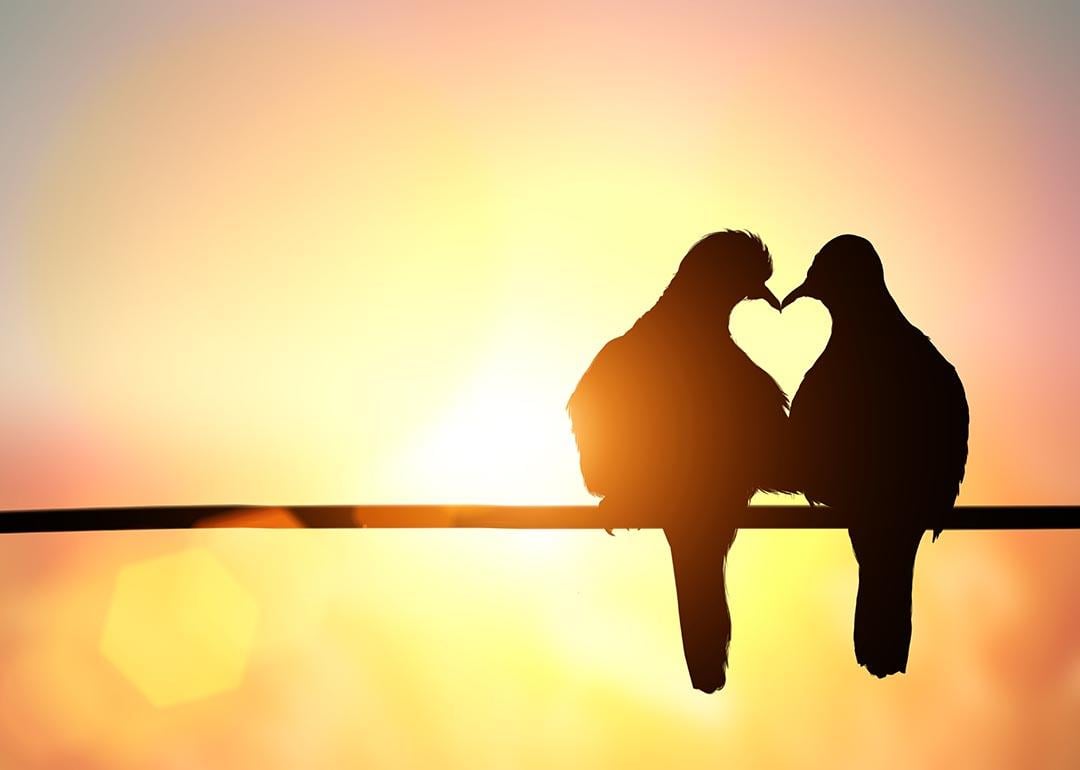
The association between Feb. 14 and romantic love did not take hold until the Middle Ages. English poet Geoffrey Chaucer helped establish the connection in his 14th-century poem “Parliament of Fowls,” which portrayed the date as a time when birds, and by extension people, chose their mates. Courtly love traditions soon followed, with lovers exchanging poems and handwritten notes.
Handwritten notes and commercial gifts
As the holiday became linked with romance, gift-giving emerged as a central custom. Early expressions of affection focused on handwritten letters and small tokens, but the Victorian era marked a turning point.
The mid-19th century saw the rise of mass-produced Valentine cards in the United States, driven by advances in printing technology and expanded mail services, helping transform Valentine’s Day into a widely observed cultural tradition. These cards helped standardize romantic expression and paved the way for other popular gifts, including chocolates, flowers, and jewelry.
Despite the holiday’s commercial expansion, public attitudes toward Valentine’s Day remain mixed. YouGov polling shows that many Americans continue to exchange gifts or plan special meals and that most people have a strong preference for cards, dinners (either out or at home), chocolates and candy, and flowers as gifts.
Why love is often set to music
Music has long played a central role in how people express and experience love. Across cultures, love songs have served as emotional touchstones, capturing feelings that can be difficult to articulate.
Research in psychology and sociology suggests that music strengthens emotional bonds by creating shared experiences and emotional alignment. Pew Research Center studies on religion and emotional expression have found that music often functions as a bridge between personal feeling and communal meaning, particularly during significant life moments.
From first dances to anniversaries, songs frequently become markers of romantic memory, tied to specific relationships and moments in time.
Beyond the Box: The Rise of Experience Gifts
As noted in YouGov polling, Generation Zers and Millennials are more likely to choose experiences, such as going to a concert, for their Valentines.
One of the most profound ways to create a lasting memory is through the gift of music. Companies allow individuals to commission a personalized song, transforming a couple's unique history or favorite Bible verse into a professional composition. Unlike a standard playlist, a custom song serves as a permanent sonic heirloom, echoing the ancient tradition of courtly love poems but updated for the modern era.
Other popular experience-based gifts that foster connection include:
- Interactive Workshops: From pottery classes to couples’ cooking lessons, these activities encourage teamwork and shared learning.
- Live Events: Tickets to concerts, theater performances, or comedy shows allow couples to bond over a shared cultural interest.
- Curated Adventures: "Date-night" subscription boxes or planned scavenger hunts turn a standard evening into an active journey.
- Wellness Retreats: Booking a spa day or a local getaway focuses on rejuvenation and quality time away from the distractions of daily life.
A holiday shaped by tradition and change
From ancient festivals to medieval poetry and modern customs, Valentine’s Day has continually adapted to cultural shifts. While its symbols and practices have changed, the holiday’s emphasis on intentional expression — whether through words, shared experiences, or music — remains consistent. As social habits evolve, Valentine’s Day continues to reflect broader patterns in how people communicate affection and meaning.
This story was produced by PrayerSong and reviewed and distributed by Stacker.