2026 home insurance audit: Is dwelling coverage keeping up with today’s rebuild costs?
2026 home insurance audit: Is dwelling coverage keeping up with today’s rebuild costs?
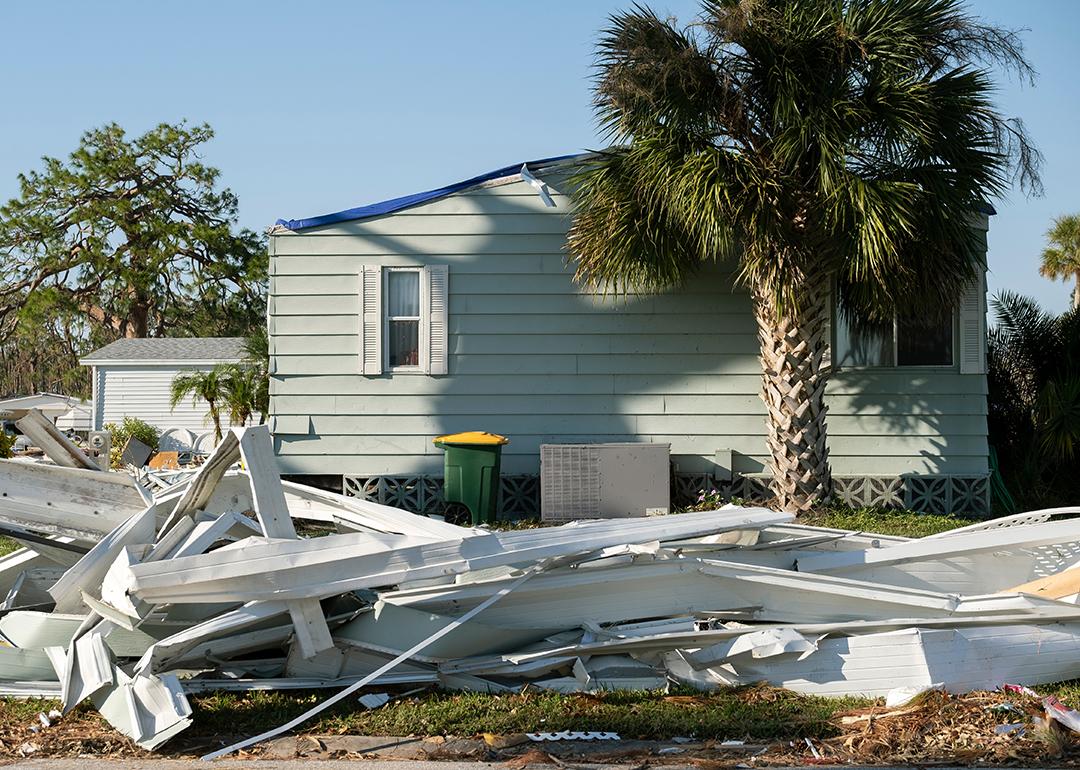
Homeowners insurance is often reviewed during renewal or after a premium increase. What receives far less attention is dwelling coverage, even though it represents the core financial protection of a homeowners policy. Cheap Insurance explains that as rebuilding costs continue to rise across the country, many homes are insured based on estimates that no longer reflect current construction realities.
This issue affects homeowners nationwide, from Alabama and Mississippi to California and Washington, as well as in less densely populated states such as Montana, Wyoming, North Dakota, and South Dakota. Heading into 2026, a home audit focused on dwelling coverage is becoming increasingly important. Construction inflation, regional labor shortages, and state-specific building requirements have significantly changed what it costs to rebuild a home after a total loss. Without regular review, coverage gaps can quietly grow over time.
What Dwelling Coverage Is Designed to Do
Dwelling coverage insures the physical structure of a home, including the roof, walls, foundation, and attached structures. Its purpose is not to mirror the home’s real estate value, but to cover the cost of rebuilding the structure to its prior condition following a covered loss.
Rebuild costs vary widely by state and even by local market. Labor rates in Colorado, Massachusetts, and New York often exceed national averages, while material transportation costs can significantly affect rebuild pricing in states like Alaska and Hawai’i. Architectural style, square footage, and construction quality all play a role.
When dwelling coverage does not align with these realities, policyholders in states such as Arizona, Nevada, Utah, and New Mexico may discover too late that coverage falls short of what rebuilding actually requires.
Why Rebuild Costs Have Changed So Quickly
Rebuilding a home today costs far more than it did just a few years ago. Across states such as Florida, Texas, Louisiana, and North Carolina, increased demand for contractors following hurricanes and severe storms has driven labor costs higher.
In the Midwest, supply chain disruptions have increased material pricing in Illinois, Indiana, Ohio, Michigan, Iowa, and Missouri, while rural states often face limited contractor availability.
In addition, many states and municipalities have adopted updated building codes. Oregon and New Jersey have implemented stricter structural and safety standards, while Connecticut has updated fire and construction requirements.
Although most policies include inflation adjustments, those increases may not keep pace with regional construction trends in Pennsylvania, Virginia, Maryland, and Delaware.
The Risk of Underinsuring a Home
Underinsurance often goes unnoticed until a major loss occurs. In partial losses, repairs may fall within policy limits. In total losses, the gap between insurance proceeds and actual rebuild costs becomes immediately apparent.
In high-cost construction states such as Washington, Massachusetts, and Hawai’i, even moderate underinsurance can translate into six-figure shortfalls. In growing markets like Tennessee, Idaho, South Carolina, and Texas, rapid development has also driven rebuild costs faster than many policies are updated.
Common Reasons Dwelling Insurance Coverage Falls Behind
One common reason dwelling insurance coverage becomes outdated is reliance on initial estimates that fail to account for custom features or later improvements. Renovations such as kitchen upgrades, room additions, or higher-end finishes may be completed without corresponding coverage updates, particularly in states with older housing stock like Maine, Vermont, New Hampshire, and Rhode Island.
Another frequent issue is confusion between market value and rebuild cost. In states with rapidly rising home prices like Arizona, Nevada, Colorado, and Texas, market value increases may give a false sense of adequate coverage. Conversely, declining real estate markets in West Virginia, Kentucky, Arkansas, and Mississippi do not reduce construction expenses.
What a 2026 Home Insurance Audit Should Include
A dwelling insurance coverage audit does not require a formal appraisal, but it should include a review of how coverage was calculated and whether it reflects current construction conditions.
Key factors include square footage, construction materials, roof type, interior finishes, and structural features. Local construction trends matter as well. For example, rebuild costs in coastal Florida differ significantly from those in inland Georgia. Mountain regions in Colorado and Utah may face higher labor and transportation costs, while plains states like Kansas, Nebraska, and Oklahoma often experience material pricing volatility.
Ordinance and Law Coverage Considerations
Rebuilding after a loss often requires compliance with current building codes, regardless of when the home was originally constructed. These requirements can substantially increase costs, particularly in states with evolving safety standards.
Many rebuild cost increases stem from updated building code requirements that mandate higher safety, energy efficiency, and structural standards, even when the original home was built under older regulations.
Ordinance and law coverage helps address these additional expenses. This coverage is especially relevant in states with frequent natural disasters like California, Florida, New York, Washington, and Oregon. In wildfire-prone areas of Arizona, New Mexico, Nevada, Idaho, and Montana, these costs can escalate further.
How Often Dwelling Coverage Should Be Reviewed
Dwelling coverage should be reviewed every two to three years, or sooner after significant renovations or changes in local construction markets. Following widespread weather events or material cost increases, earlier review may be warranted in states like Minnesota and Wisconsin.
The Bottom Line
Rebuilding a home in 2026 will cost more than many policies currently assume. Inflation adjustments alone may not fully capture regional labor costs, material pricing, or updated building standards.
A home audit focused on dwelling coverage is not about predicting disasters. It is about ensuring coverage reflects current rebuilding realities across every state, from Alaska to Florida, and from Washington to Maine.
Homeowners insurance works best when coverage evolves alongside construction costs. Reviewing dwelling limits before a loss occurs can help prevent financial gaps and support a smoother recovery should rebuilding ever become necessary.
This story was produced by CheapInsurance.com and reviewed and distributed by Stacker.