Why auto insurance might not cover major losses
Why auto insurance might not cover major losses
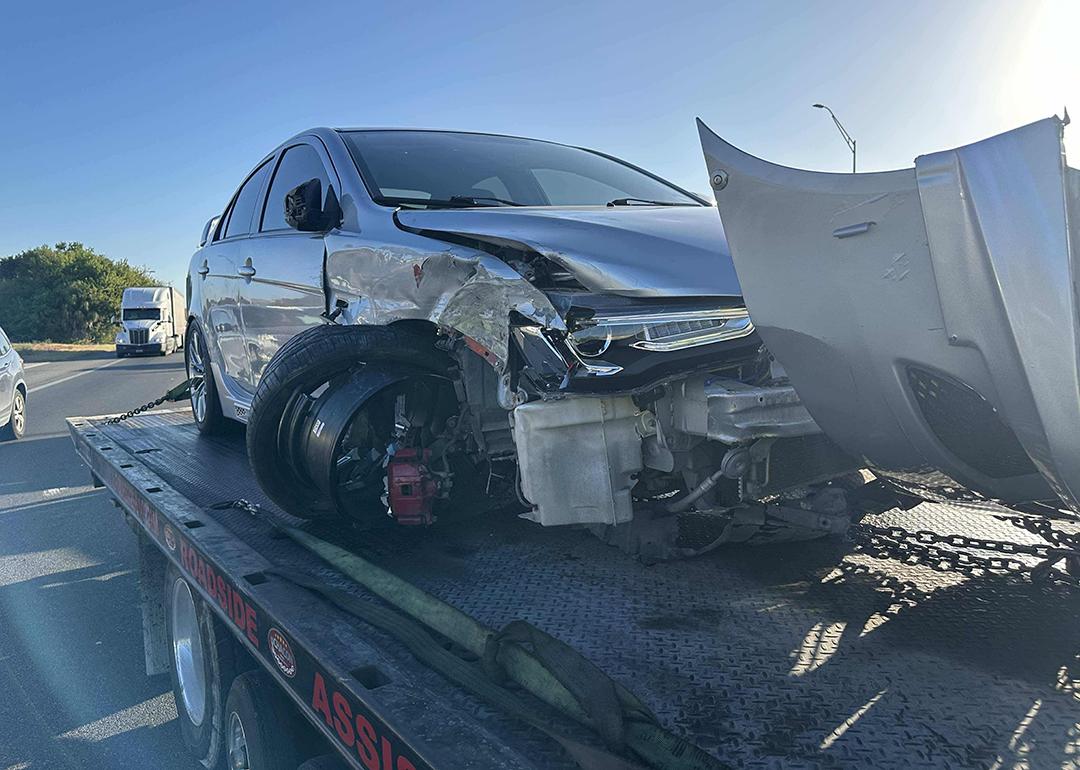
Most drivers operate under a sense of security provided by a monthly premium. There is a common assumption that as long as a car insurance policy is active, the financial consequences of a collision or theft are managed. However, the reality of insurance contracts is that they are designed to cover specific risks within rigid boundaries. When a catastrophic event occurs, policyholders frequently discover that the gap between their actual loss and their insurance payout is much wider than anticipated.
Cheap Insurance explains why these shortfalls happen and looks into the mechanics of depreciation, policy exclusions, and the limits of liability.
The Reality of Actual Cash Value
The most significant factor in insurance shortfalls is the distinction between what a vehicle is worth to the owner and what it is worth to the insurance market. Most standard policies are written based on Actual Cash Value (ACV). This represents the cost of the vehicle minus depreciation.
Vehicles are rapidly depreciating assets. From the moment a car is driven off the dealership lot, the market value begins to drop. If a vehicle is totaled three years into ownership, the insurer will only provide a check for the current market value of that specific make, model, and mileage. This amount is rarely enough to purchase a brand-new equivalent, leaving the owner to fund the difference for a replacement.
The Danger of the Financing Gap
For those who finance or lease their vehicles, depreciation creates a specific financial peril: being underwater on a loan. Because cars lose value faster than most loan principals are paid down, a total loss can result in a payout that is lower than the remaining balance owed to the bank.
Without a specific endorsement known as gap insurance, the owner remains legally responsible for paying the remainder of the loan for a vehicle that no longer exists. This is a primary example of how a major loss can transform from a physical inconvenience into a long-term debt burden.
Liability Limits and Catastrophic Damages
While damage to the vehicle is a concern, the greatest financial threats usually stem from liability. Most states require a minimum amount of liability coverage, but these figures are often stuck in the past, failing to account for modern medical costs and vehicle prices.
If a driver is found at fault for an accident involving multiple vehicles or serious injuries, the costs can easily exceed standard policy limits.
- Medical Expenses: A single week in intensive care or a series of complex surgeries can quickly surpass a $50,000 or $100,000 policy limit.
- Legal Fees: If the injured party sues for pain and suffering or lost wages, the insurer only defends the policyholder up to the limits of the contract.
- Property Damage: If an accident involves a luxury vehicle or public infrastructure, a $25,000 property damage limit is often insufficient.
Once the insurance company pays out the maximum limit defined in the policy, the individual is personally responsible for the remaining balance. This can lead to the seizure of assets or the garnishment of future wages.
Minimum Liability Limits are different in each state.
Alabama
Alaska
Arizona
Arkansas
California
Colorado
Connecticut
Delaware
Florida
Georgia
Hawai’i
Idaho
Illinois
Indiana
Iowa
Kansas
Kentucky
Louisiana
Maine
Maryland
Massachusetts
Michigan
Minnesota
Mississippi
Missouri
Montana
Nebraska
Nevada
New Hampshire
New Jersey
New Mexico
New York
North Carolina
North Dakota
Ohio
Oklahoma
Oregon
Pennsylvania
Rhode Island
South Carolina
South Dakota
Tennessee
Texas
Utah
Vermont
Virginia
Washington
West Virginia
Wisconsin
Wyoming
Regional Variations in Coverage and Risk
The geographical location of a driver significantly impacts the likelihood of a coverage gap. Liability laws and weather patterns vary from the rugged terrain of Alaska to the coastal risks of Florida. For instance, drivers in California, Texas, and New York often face higher litigation costs, making standard liability limits insufficient. Meanwhile, those in Michigan must navigate unique no-fault insurance structures that differ greatly from the tort systems found in Ohio or Pennsylvania.
In the Southeast, motorists in Georgia, North Carolina, and South Carolina frequently deal with different appraisal hurdles than those in Virginia or Maryland. Similarly, the risk of total loss due to environmental factors like hail or flooding is a primary concern for residents in Oklahoma, Kansas, Nebraska, and Iowa.
State-specific mandates also dictate how much protection a driver carries by default. A policy that meets the legal requirements in Mississippi, Alabama, or Louisiana might leave a traveler vulnerable if they have an accident while driving through Illinois or Indiana. Those moving between New Jersey, Connecticut, and Massachusetts often find that urban density increases the probability of multivehicle claims that exceed basic property damage caps.
In the West, expansive highway systems in Arizona, Nevada, and New Mexico contribute to high-speed collisions that result in more severe physical damage than the lower-speed traffic found in Rhode Island or Delaware. Drivers in Washington and Oregon must also account for seasonal hazards that can impact vehicle valuation differently than in Utah, Idaho, or Montana.
Whether operating a vehicle in the heart of Missouri, Arkansas, and Kentucky, or traversing the northern landscapes of Minnesota, Wisconsin, and North Dakota, the local legal environment dictates the payout. Even in smaller markets like West Virginia, New Hampshire, Maine, or Vermont, the cost of specialized labor can vary. From the islands of Hawai’i to the plains of South Dakota, understanding local statutes is the only way to ensure a policy truly covers the scope of a potential loss.
Hidden Exclusions in the Fine Print
Even comprehensive car insurance policies contain exclusions that can catch policyholders off guard. Many people assume that if a vehicle is damaged, the cause is irrelevant. However, insurers are very specific about what constitutes a covered peril.
Business Use of Personal Vehicles
With the rise of the gig economy, many individuals use their personal cars for delivery services or ride-sharing. Standard personal auto policies almost universally exclude coverage for accidents that occur while the vehicle is being used for profit. Unless a specific commercial rider is added, a major loss during a delivery shift could result in a total denial of the claim.
Modification and Custom Equipment
Aftermarket upgrades, such as custom wheels, high-end audio systems, or performance modifications, are generally not covered unless they are specifically appraised and added to the policy. If a vehicle with $10,000 in modifications is stolen, the insurer will likely only pay for the value of the factory-standard parts.
The Impact of Inflation on Repair Costs
The cost of repairing vehicles has risen sharply due to the complexity of modern automotive technology. Vehicles are now equipped with advanced driver-assistance systems (ADAS), including sensors, cameras, and radar units. A minor fender bender that once required a simple bumper replacement now involves recalibrating sophisticated electronics.
Insurance premiums do not always keep pace with the hyperinflation of specialized labor and parts. If a policy has a low cap on labor rates or specifies the use of aftermarket parts, the owner may find that the preferred repair shop charges significantly more than the insurer is willing to pay. This creates an out-of-pocket expense even for a covered claim.
Steps to Bridge the Coverage Gap
To avoid these financial pitfalls, it is necessary to move beyond the minimum requirements and evaluate personal risk.
- Increase Liability Limits: Moving from state minimums to higher limits, such as $250,000/$500,000, is often surprisingly affordable and provides a much sturdier shield against lawsuits.
- Evaluate Umbrella Insurance: For those with significant assets to protect, an umbrella policy provides an extra layer of liability coverage that kicks in after the auto policy is exhausted.
- Review Actual Cash Value vs. Replacement Cost: While rare in standard auto insurance, some specialty insurers offer agreed value or replacement cost coverage, which is essential for classic cars or brand-new luxury vehicles.
- Add Specific Endorsements: Ensure that any business use, custom equipment, or gap coverage needs are explicitly written into the policy.
Auto insurance is a tool for risk management, but it is not a catch-all solution. By identifying where a policy ends and personal liability begins, a driver can take proactive steps to ensure that a bad day on the road does not turn into a lifelong financial crisis.
This story was produced by CheapInsurance.com and reviewed and distributed by Stacker.