Why uninsured motorist coverage is more vital for bikers than drivers
Why uninsured motorist coverage is more vital for bikers than drivers
The choice to commute by motorcycle is often driven by a desire for efficiency, fuel economy, and the unique sense of freedom that two wheels provide. However, the reality of sharing the road with passenger vehicles introduces a specific set of risks that differ significantly from those faced by individuals in traditional cars. While every motorist should prioritize safety, the financial and physical stakes are disproportionately higher for motorcyclists. One of the most critical, yet frequently misunderstood, components of a robust motorcycle insurance strategy is uninsured motorist (UM) and underinsured motorist (UIM) coverage. For a biker, this protection is not merely an optional add-on; it is a fundamental safety net that addresses the unique vulnerabilities of the open road. Cheap Insurance allows riders to navigate these complexities and secure affordable motorcycle insurance that provides maximum protection without straining the monthly budget.
The Disparity of Physical Risk
The most immediate reason why UM coverage is vital for bikers involves the physics of a collision. Drivers of passenger cars are shielded by reinforced steel frames, crumple zones, and multiple airbag systems. In contrast, a motorcyclist lacks any structural barrier between the body and the environment. Data from the National Highway Traffic Safety Administration (NHTSA) consistently indicates that motorcyclists are significantly more likely to suffer catastrophic injuries or fatalities in the event of a crash compared to occupants of enclosed vehicles. This physical vulnerability is exactly why selecting the right motorcycle insurance policy is a matter of both financial and personal safety.
When a driver in a car is struck by a UM, the damage is often limited to property loss or minor soft-tissue injuries. For a biker, a similar incident frequently results in traumatic brain injuries, spinal cord trauma, or complex fractures. These injuries lead to medical expenses that can easily exceed $100,000 within the first few days of treatment. Without specific UM provisions within a motorcycle insurance policy, a rider who is not at fault may be left to bear these astronomical costs alone if the responsible party lacks insurance. Fortunately, finding affordable motorcycle insurance that includes this critical protection is possible, ensuring that a lack of funds does not stand in the way of necessary medical recovery.
The Reality of the Uninsured Driver Crisis
Despite mandatory insurance laws across the United States, a substantial percentage of the driving population remains uninsured. According to recent 2026 insurance industry reports, roughly 1 in 7 drivers on the road does not carry liability insurance. In certain high-traffic states, this ratio can be as high as 1 in 4
For a driver, an accident with an uninsured person is a frustration; for a biker, it is a financial crisis. Most individuals who fail to maintain insurance also lack the personal assets necessary to satisfy a legal judgment. Consequently, attempting to sue an uninsured driver for damages is often a futile exercise. UM coverage allows a rider to turn to their own insurance provider to recover the compensation they would have otherwise received from the at-fault driver.
Bridging the Gap with UIM Protection
Even when the at-fault driver has the legally required insurance, the coverage limits are often shockingly low. In many jurisdictions, the mandatory minimum for bodily injury liability remains at $15,000 or $25,000. While this might cover a bumper repair and a diagnostic check for a car driver, it barely scratches the surface of a motorcyclist's trauma surgery and rehabilitation costs.
This is where UIM coverage becomes essential. If a biker sustains $150,000 in damages but the at-fault driver only has a $25,000 policy, the rider's own UIM coverage can bridge that $125,000 gap. Given the high probability of severe injury in motorcycle accidents, relying on the minimum limits of a stranger is a significant gamble.
Regional Risk Assessment: UM Rates by State
When a motorcyclist chooses a daily route, the statistical likelihood of an accident with an uninsured party depends heavily on local geography. In some regions, nearly 1 in 3 drivers may be operating a vehicle without the required liability coverage. This list serves as a guide for riders to understand the level of financial risk present in their specific state. The list is ranked by the highest percentage rate of uninsured motorists.
- Mississippi – 28.2%
- New Mexico – 24.1%
- Michigan – 22.3%
- Tennessee – 21.3%
- Missouri – 20.7%
- Florida – 20.6%
- California – 20.4%
- Colorado – 19.7%
- Washington – 19.1%
- Alabama – 18.9%
- Georgia – 18.1%
- Arkansas – 17.5%
- Ohio – 17.1%
- Kentucky – 16.8%
- Rhode Island – 16.5%
- Indiana – 14.2%
- Maryland – 14.1%
- Oklahoma – 13.4%
- Wisconsin – 13.3%
- Alaska – 12.8%
- Louisiana – 12.7%
- Arizona – 12.2%
- Illinois – 11.8%
- North Dakota – 11.5%
- Minnesota – 11.3%
- Texas – 11.2%
- Iowa – 10.9%
- Kansas – 10.9%
- Oregon – 10.7%
- South Carolina – 10.4%
- Virginia – 10.2%
- Nevada – 10.1%
- Nebraska – 9.5%
- South Dakota – 9.4%
- New Jersey – 9.4%
- Hawaii – 9.3%
- Pennsylvania – 9.2%
- North Carolina – 9.1%
- Vermont – 8.8%
- New York – 8.6%
- Delaware – 8.5%
- Massachusetts – 7.9%
- West Virginia – 7.8%
- New Hampshire – 7.8%
- Montana – 7.2%
- Connecticut – 6.8%
- Wyoming – 6.7%
- Idaho – 6.4%
- Utah – 6.2%
- Maine – 5.7%
The Impact of State Laws on Biker Protection
From the data above, the risk from an accident with an UM is clearly higher in states like Mississippi or New Mexico; however, motorcyclists in every jurisdiction face the same physical vulnerabilities. The presence of UM coverage is particularly critical because state minimum liability limits have failed to keep pace with the rising costs of medical care. For instance, even in a state with a lower uninsured rate like North Carolina, the legal minimum for bodily injury is often insufficient to cover a single night in a trauma ward following a motorcycle crash.
Furthermore, the legal landscape is shifting. Several states have recently enacted "no pay, no play" laws, which prevent uninsured drivers from suing for noneconomic damages like pain and suffering. While these laws aim to encourage insurance compliance, they do little to help a responsible biker who is struck by a driver with no assets. This reinforces the need for riders to take their financial destiny into their own hands by securing inexpensive motorcycle insurance.
The Hit-and-Run Protection Factor
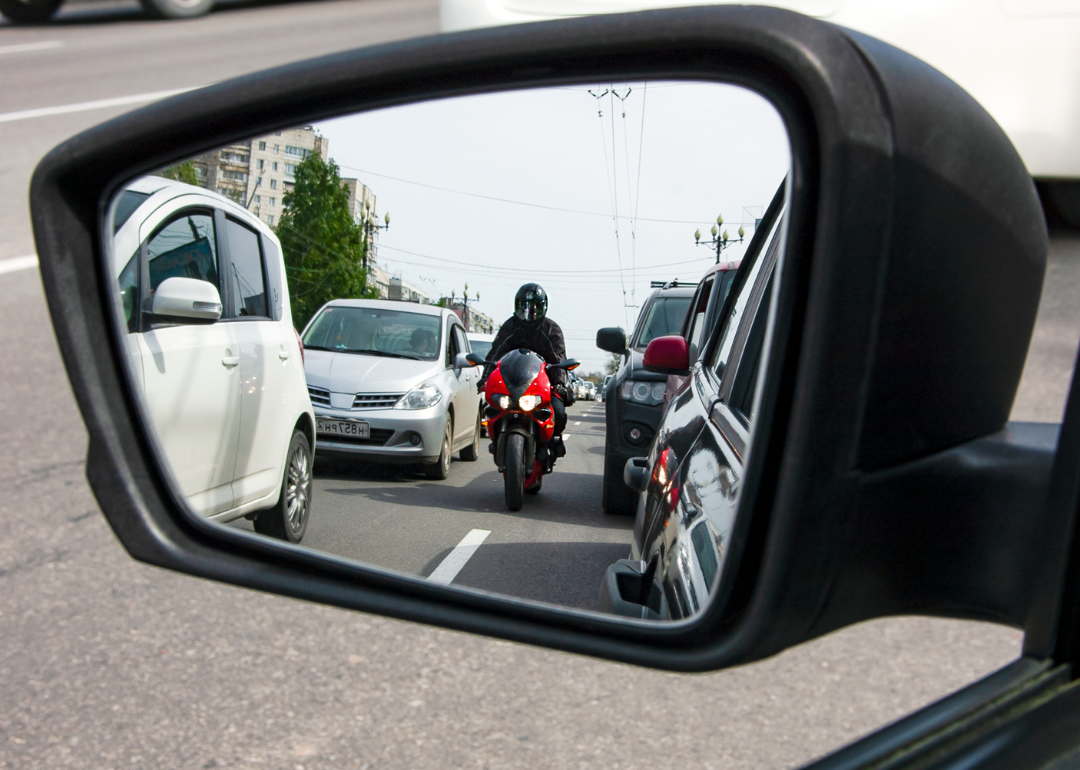
Commuters on motorcycles are particularly susceptible to hit-and-run incidents. The smaller profile of a bike makes it easier for negligent drivers to claim they "never saw" the rider before fleeing the scene. In a hit-and-run scenario where the driver is never identified, there is no third-party insurance company to file a claim against.
Standard UM coverage typically treats a hit-and-run driver as an UM. This ensures that the rider can still receive funds for medical bills, lost wages, and pain and suffering, even if the perpetrator is never caught. For those who commute through busy urban corridors where hit-and-run rates are higher, this benefit alone justifies the premium.
Noneconomic Damages: Beyond the Hospital Bill
One aspect of UM coverage that is often overlooked is the ability to recover non-economic damages. Health insurance may cover a portion of the hospital stay, but it does not provide compensation for:
- Lost Wages: Serious motorcycle injuries can sideline a professional for months, leading to a total loss of income.
- Pain and Suffering: The physical and emotional trauma of a crash can have lifelong effects.
- Loss of Quality of Life: Permanent disabilities can prevent a rider from returning to their career or hobbies.
A standard car driver might recover from a fender bender in a week. A biker facing a year of physical therapy needs a policy that accounts for the totality of the impact on their life. UM coverage is the primary vehicle through which these critical funds are secured when the at-fault party is unable to pay.
Finding Affordable Motorcycle Insurance
Many riders hesitate to add UM/UIM coverage because of concerns regarding the cost. However, the premium increase is generally minimal compared to the level of protection provided.
In many cases, the annual cost of a high-limit UM policy is less than a single month of gas for a daily commuter. When viewed as an investment in financial survival, the value proposition is undeniable.
The Professional Standards of Riding
Choosing to ride a motorcycle involves an acceptance of risk, but it should not involve an acceptance of financial ruin. A professional approach to commuting includes wearing the right gear, maintaining the machine, and securing a policy that recognizes the unique dangers of the road.
Ultimately, UM coverage serves as the final layer of armor for the rider. It ensures that even when others on the road fail to act responsibly or follow the law, the biker is not the one left to pay the price. Protecting one’s health and future through affordable motorcycle insurance is the most important decision a rider can make before kicking up the kickstand.
This story was produced by CheapInsurance.com and reviewed and distributed by Stacker.