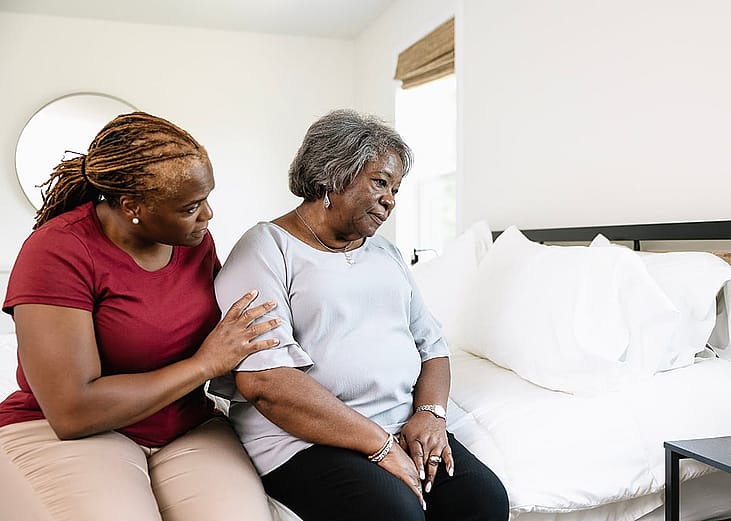
Exploring the benefits of in-home care vs. nursing homes

Exploring the benefits of in-home care vs. nursing homes
When an elderly loved one requires extra support, you have a big decision to make — do you go the in-home care or nursing home route? Both options have their benefits.
We all want what’s best for our senior loved ones. While it’s a natural part of aging, senior care isn’t always something that families like to discuss. But having open discussions about care options can ensure quality of life for those who matter most.
This guide by Village Caregiving explores the advantages of in-home care and nursing homes to help you make the best choice for your loved one. Learn more about the level of care, costs and independence associated with each option.
Key Takeaways
- In-home care offers seniors personalized comfort and familiarity. Nursing homes provide larger staff volumes to support seniors with more pressing health issues.
- In-home care can provide more independence and flexibility. Nursing home care offers all-inclusive living, structure and customized accessibility.
- Nursing homes typically cost more. In-home care usually involves paying for the hours a family caregiver works.
- Choosing the right option for a loved one involves open communication, long-term care considerations and evaluating day-to-day care needs.
- Families will typically have more say and freedom with in-home care options, while nursing homes are more structured.
- Asking the right questions about emergency procedures, staff levels and hidden fees can ensure a good quality of life without unexpected extra costs.
Understanding In-Home Care
In-home care allows seniors to age in place. It typically involves a family caregiver coming into the home and providing various care services for your senior loved ones. As remaining in one’s home offers a sense of familiarity, in-home care is often a top choice for seniors suffering from age-related diseases like dementia and other ailments.
According to a 2024 study by the American Association of Retired Persons (AARP), 75% of adults aged 50 and above want to remain in their homes as they age. In-home family caregivers can perform many different duties to accommodate these needs.
An in-home family caregiver’s role depends on the senior’s needs. For example, some seniors may have mobility issues and need assistance moving from one room to another. Others may live far away from their families and require companionship services to feel less isolated. Having the freedom to select services ensures your loved one receives the correct type and level of support.
Benefits of In-Home Care Assistance
In-home care offers many benefits for senior adults and their loved ones. Many of them are essential to long-term care and overall good health. Here are just some reasons why people may prefer to age in place and choose an in-home care assistance option:
- Personal relationships: In-home family caregivers work with senior adults one-on-one. This enables them to get to know your loved one and anticipate their needs. This is an important part of developing trust and familiarity, as a personal relationship isn’t just about assisting with tasks.
- Greater independence: You can customize the level of in-home care, which enables capable seniors to do some tasks unassisted. For senior relatives, this is a big part of remaining independent. Allowing seniors to hold onto their autonomy helps them experience a sense of purpose.
- Extra comfort: In-home care means seniors can continue to enjoy the comforts of home. They can sit in their favorite chair, surrounded by cherished belongings, and have the same neighbors and surroundings. Feeling at ease in their own home can reduce stress and anxiety.
- Flexibility: Family caregivers can adjust their level of care as the senior’s needs change. It may begin with just a few hours a week, but it can be comforting for families to know that there’s extra support available when needed.
Effective home care requires open and honest conversations, with significant family involvement when weighing up options. What matters most is prioritizing your senior loved one’s needs and quality of life.

Exploring Nursing Home Facilities
A nursing home provides round-the-clock care for seniors. Unlike in-home family caregivers, nursing home staff are generally qualified medical professionals, making it a good option for those with severe health issues that may continue to worsen over time. Seniors with conditions that require clinical monitoring with medical equipment are usually better suited to a nursing home.
While it lacks the familiarity of in-home care, these facilities provide strong social structures. Seniors in nursing homes can stay in a shared or private room and receive all their meals. Individuals who enjoy regular social interaction value the company of nursing staff and other residents. The built-in community and regular social events with other residents may be more appealing to some seniors than living alone.
Benefits of Nursing Home Care
Nursing homes often come at a higher cost but deliver several benefits. Many families choose this option if it means getting the right care for their loved ones. Knowing what to expect at these facilities is an important part of making that choice. Below are the main benefits of nursing home care:
- Comprehensive medical care: Nursing homes have the facilities and trained staff to assist with various health conditions. Those with chronic illnesses or advanced cognitive diseases will have access to the support they need.
- Assistance with daily tasks: Having round-the-clock care means fewer worries about your loved one having issues bathing or going to the bathroom. Seniors can enjoy a dignified experience where medical professionals are available constantly. While in-home care will also offer 24/7 support, it won’t have as many on-hand medical staff as a nursing home.
- Greater security: Nursing homes are secure and safe environments. The premises are typically built with accessibility in mind. Seniors can move at their own pace, with extra support from ramps and grab bars. If a senior person is prone to wandering, you may worry about their safety. Nursing homes often take great care to secure the premises.
- All-inclusive living: A nursing home takes care of meals, housekeeping and social activities. While in-home care may involve some of these things, nursing homes have staff teams that handle everything. This inclusive style of care can be personalized, offering private rooms, shared rooms and dietary accommodations.
- Peace of mind: Families can rest assured that their loved ones are getting 24/7 care. This can remove any worries about loved ones experiencing falls or forgetting to feed themselves.
Discussing a potential move into a nursing home can be a sensitive topic. But the most important part of this choice is ensuring that those you love can age with grace and live comfortably.
Senior Care Cost Comparisons
The price of nursing homes and in-home care differs from state to state. The 2024 Cost of Care Survey reported on the average median costs for both options. The average monthly cost of in-home care is $6,292 for homemaker services like laundry and meal preparation. For nursing home care, monthly costs can range from $9,277 for a semiprivate room to $10,646 for a private one.
Nursing homes will generally have higher fixed monthly costs but provide comprehensive 24/7 care. In-home care generally involves paying only for the time a family caregiver spends with your loved one. This expense can sometimes be broken down into a more manageable hourly amount for in-home visits.
The level of care needed can also determine the overall cost of these services.
How to Choose the Best Care Option for Your Loved One

There’s no single right answer — every family is different. The right option will depend entirely on what’s best for the seniors in your life. Making this choice can feel overwhelming at times. But keeping conversations focused on care, health and long-term solutions can reduce these worries.
Here are some considerations when choosing the best care option for your loved one:
- Specific needs: Many families know their senior loved one better than they know themselves. This offers a unique perspective about their daily needs and care requirements. A senior may not admit to needing care at all — even if you know they have medical needs, such as specific medications or medical injections at set times.
- Long-term perspective: A loved one may just need some help with meal preparation and getting out of bed. However, it’s important to consider long-term care needs. It’s not easy to picture the decline in health of those who matter most. Having an idea of how their health may change over the next few years can help determine the right choice for their dignity and care.
- Considering variables: Cost is an understandably big part of making a choice. Potential payment options from Medicaid or Medicare insurance may help cover in-home care costs. It can also highlight what isn’t covered, providing practical cost-related insights to inform your decision.
- Open conversations: Making this choice is a responsibility. While done out of love, it’s still a decision that affects someone’s life. Take the time to sit and openly discuss options as a family. If it’s done with care and sensitivity, these conversations can form stronger bonds and inform the choice made.
Some families prefer to test the water by trying in-home care on an intermittent basis. This reduces the chances of disruption if a permanent nursing home move doesn’t work out.
Quality of Life
The right senior living option can enhance a person’s quality of life. It’s the very least that seniors deserve. It ensures that they’re still able to feel good, active and socially included in activities or part of important decisions. A senior’s physical, emotional and mental needs can be met in different ways, depending on your choice of care.
Both in-home care and nursing home facilities cater to seniors’ emotional needs through:
- Social activities: Nursing homes often facilitate activities like card games, crafts or tea in a shared space. In-home family caregivers have more freedom to tailor social activities to the person’s interests or hobbies.
- Independence: Nursing home costs often include transportation services, which allow residents to go to the shops, church or public parks. Seniors using in-home transportation services enjoy greater flexibility, as they can go where they want when they want.
- Companionship: Those living in nursing homes socialize with nurses, residents and other staff regularly. In-home companionship services allow seniors to choose how much social time they want.
While both nursing homes and in-home family caregivers prioritize seniors’ social needs, in-home services give the person more control in these situations. Similarly, in-home transport services ensure greater independence. There’s no right or wrong choice. It’s about finding ways to stimulate seniors in care, while reducing families’ concerns for their well-being.
Daily Life Considerations
As people age, their families become increasingly concerned about their safety and care. With over 19% of the national population aged 65 or older, it’s something most people will experience with their loved ones. Comparing some serious day-to-day situations that seniors will experience and benefit from is important.
Here are some areas of care that in-home caregivers and nursing homes regularly deal with, and what they involve.
Safety measures
In-home family caregivers gain a realistic idea of the safety hazards in a senior’s home. It’s natural to worry about your loved one’s safety — almost 319,000 seniors are hospitalized with fractured hips from falls each year, making safe environments an important part of any decision. Caregivers receive extensive staff training and are knowledgeable about emergency protocols. But living alone comes with other safety risks, like kitchen fires, crime and security.
People who want to age in place have a set environment where safety hazards can be dealt with. A regular in-home family caregiver can put measures in place to reduce these safety risks around the home. Family caregivers are also required to undergo extensive training to respond quickly to emergency protocols. Nursing homes also prioritize safety. They have the resources to equip premises with closed-circuit television (CCTV), access gates and additional security personnel.
Nutrition and meals
A good meal can mean a lot to a senior who struggles to make their own food. In-home family caregivers provide varying levels of assistance in meal preparation, allowing seniors to take more ownership of what they eat. Some providers offer individualized nutrition plans, ensuring your senior loved ones get all the nutrients they need.
Nursing homes are mindful of dietary requirements and will customize individual menus accordingly. However, as these menus are more structured, there is less opportunity to tailor dinners to a person’s specific tastes.
Respite care
It’s common for a family member to take up the bulk of in-home caregiving tasks. Yet, additional care can lead to burnout when relatives have their own families and work commitments.
Respite care allows family members to temporarily shift care responsibilities to trained caregivers. It enables family members to take a break, go on holiday or simply take a step back from continuous care.
In-home care providers allow you to take a break when needed. You can also book senior family members into a nursing home for short-term care, but there are often more requirements to meet for this approach.
Family involvement
Some people may prefer to have more family involvement in their loved one’s care. Others may prefer to rely on qualified experts to look after these matters. Either way, families may encounter some differences between in-home and nursing home care, including:
- Choice and voice: A nursing home will have a set roster of staff members. In-home options typically offer more say in choosing the right companion or family caregiver.
- Visiting and activities: Nursing homes have schedules for meals, care, activities and rest. This typically includes set visiting hours. Open visitation isn’t guaranteed for families who like drop-in visits and spontaneous activities.
- Communication: Nursing homes have robust staffing structures for peace of mind. However, this may mean a lack of communication between revolving staff and family, rather than speaking directly to an in-home family caregiver.
- Comfort: In-home family caregivers can work with the home’s furniture and surroundings to create a comfortable atmosphere. Families who visit loved ones in nursing homes will benefit from a high level of medical care, but may worry over how comfortable a senior relative feels in a more static-looking environment.
These factors all contribute toward a decision that pleases all family members. It may be a matter of choosing staff numbers and expense over comfort, familiarity and personal care. But these aren’t mutually exclusive, and the right choice will likely include a little of both.
Questions to Ask When Considering In-Home Care or a Nursing Home
When you’re close to making a decision, there will likely be several unanswered questions. These should be aimed at any potential in-home care agencies or nursing homes you’re considering. A trusted, experienced care company should have no issue answering these. Their answers can also help steer you in a direction that suits your senior loved ones and other family members.
These are the questions to ask when considering in-home care or a nursing home:
- Staffing needs: What is the caregiver-to-senior ratio?
- Emergency procedures: What happens if there’s a medical emergency?
- Consistency in staff: Will we see the same people, or will there be different staff each day?
- Costs and hidden fees: Are there extra charges for laundry and weekend work?
- Care philosophy: How do you handle personalized requests or changes in routine?
- Personality and mood: What would you do if a senior were being difficult or aggressive?
Asking these questions allows you to dig deeper into some realistic scenarios, deciding if the care provider aligns with your loved one and family’s needs.
Making a Choice That’s Fair and Dignified
No one should forget the human element of making this choice. Seniors need social interaction, independence and support to maintain a good quality of life. They also deserve it. Whether it’s aging in place or moving into a nursing home, this aspect of aging can be difficult.
With communication, care and sensitivity, this process can be less stressful. Considering all of the above factors can lead to open conversations, where love and respect are priorities. In time, this can lead to the right choice for everyone involved.
This story was produced by Village Caregiving and reviewed and distributed by Stacker.