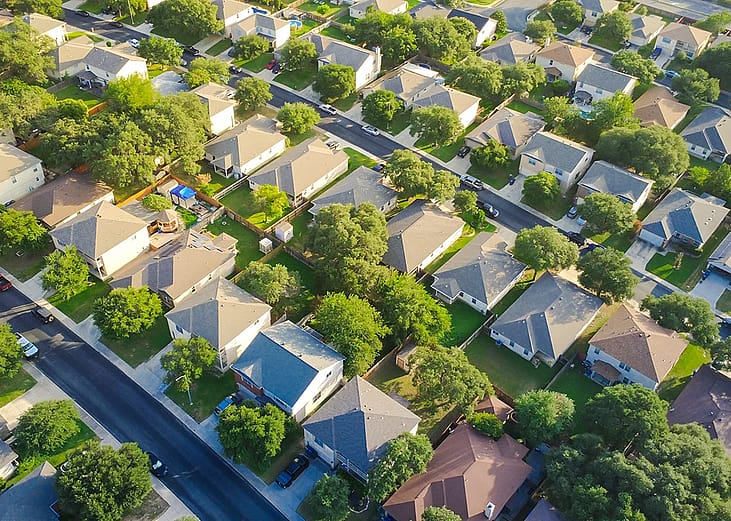
The complete cost of buying and selling a home in 2026: Fees most people don't expect

The complete cost of buying and selling a home in 2026: Fees most people don't expect
Hometap analyzed the full spectrum of costs associated with buying and selling a home, drawing on data from government sources, lenders, and real estate industry research.
The listing price of a home is just the beginning. Between down payments, inspection fees, agent commissions, and ongoing maintenance expenses, the actual cost of buying or selling a home can significantly exceed what most people anticipate.
For buyers and sellers alike — particularly those navigating both transactions simultaneously — understanding the full picture of expenses can make the difference between a smooth move and a financial surprise. Using a $400,000 home as a baseline for easy comparison, here's a breakdown of the most common costs involved in both sides of a real estate transaction.
The Upfront Costs of Buying a Home
Down Payment
The down payment is the buyer's initial equity contribution. Conventional loans typically require between 5% and 20% of the purchase price, though some government-backed programs allow as little as 3% down, and VA (Veterans Affairs) loans may require no down payment at all. On a $400,000 home, that means a buyer could need anywhere from $12,000 to $80,000 before factoring in any other costs.
A larger down payment reduces the outstanding mortgage balance and lowers the total interest paid over the life of the loan. Borrowers with weaker credit or higher-risk properties may face requirements for a larger down payment or limited loan program options.
Earnest Money
Buyers typically submit an earnest money deposit — commonly 1%-3% of the purchase price — to demonstrate serious intent, according to data from Rocket Mortgage. On a $400,000 home, that's $4,000-$12,000 held in escrow, which is later applied to the down payment or closing costs.
Buyers who back out due to allowed contingencies — such as a failed inspection — can typically recover this deposit. Backing out without a valid contingency, however, can mean forfeiting the full amount.
Home Inspection Fees
A home inspection evaluates the property's plumbing, electrical, roof, foundation, and other systems. According to HomeGuide, costs for a standard single-family home typically range from $200 to $500, with specialized inspections (mold, radon, HVAC) potentially adding $100-$400 each.
Appraisal Fees
Lenders require an independent appraisal to verify that the home's value supports the loan amount. According to Bankrate, appraisal fees generally fall between $300 and $500, though they vary by region and home size.
Closing Costs
Buyer closing costs — which include loan origination fees, title search and insurance, escrow, recording fees, and prepaid taxes — typically run 2%-6% of the purchase price, according to Bankrate. On a $400,000 home, that's $8,000-$24,000 at closing, on top of the down payment.
Sellers or lenders may cover a portion of these fees through concessions, though that often comes with trade-offs such as a higher purchase price.
Ongoing Costs of Homeownership
While you only pay closing costs on a home once, the financial obligations of homeownership continue long after move-in day.
Monthly Mortgage Payment (PITI)
A standard mortgage payment includes principal, interest, taxes, and insurance — often referred to as PITI. For a $400,000 mortgage at approximately 6% interest over 30 years, the principal and interest portion alone is roughly $2,397 per month. The Department of Housing and Urban Development (HUD) has long recommended that total housing costs remain below 30% of one’s gross monthly income, though many homeowners in competitive markets exceed that threshold.
Property Taxes
Property taxes vary considerably by location. According to the Tax Foundation, effective rates range from below 0.5% in some states to more than 2% in others. At a 1.5% effective rate, the annual tax bill on a $400,000 home would be $6,000, or $500 per month.
Homeowners Insurance
Annual premiums depend on location, coverage level, and risk factors such as flood or fire exposure. On a $400,000 home, insurance typically runs $1,000-$3,000 per year — though premiums in high-risk areas can climb considerably higher.
Private Mortgage Insurance (PMI)
Buyers who put down less than 20% on a conventional loan are generally required to carry private mortgage insurance. PMI typically costs 0.3%-1.5% of the original loan amount annually — between $1,200 and $6,000 per year on a $400,000 loan. FHA loans carry a mortgage insurance premium (MIP) that may last the life of the loan if the initial down payment is low.
Homeowners Association (HOA) Fees
Homes that are part of homeowners associations carry monthly dues that can range from $25 to $500 or more, depending on amenities and services covered. Some HOAs also levy special assessments — large, one-time charges that homeowners are responsible for paying, sometimes with little notice.
Maintenance and Repairs
A common rule of thumb among financial planners is to budget 1%-4% of a home's value each year for maintenance and repairs, according to Hometap's research. For a $400,000 home, that's $4,000-$12,000 annually to cover routine upkeep such as HVAC servicing and gutter cleaning, as well as larger system replacements.
Older homes or those in harsher climates tend to fall toward the higher end of that range.
The Costs of Selling a Home
Sellers face their own set of costs, all of which reduce net proceeds from the sale.
Real Estate Agent Commissions
Agent commissions are typically 5%-6% of the sale price, according to Zillow — and they’re split between the listing agent and the buyer's agent. On a $400,000 sale, that's $20,000-$24,000.
Home Preparation, Repairs, and Staging
Many sellers invest in cosmetic updates, light repairs, or landscaping before listing. Professional staging — renting furniture and décor to improve presentation — can run from $800 to several thousand dollars per month, depending on the home's market, according to HomeAdvisor.
Prelisting inspections (roof, structural, termite) typically cost $300-$800 each, according to Bankrate, but can help prevent buyer renegotiation and reduce concession requests later in the process.
Seller Closing Costs and Transaction Fees
Seller-side closing costs generally include title insurance for the buyer, transfer taxes, escrow and attorney fees, recording fees, and any agreed-upon contributions to the buyer's closing costs. These typically total 1%-3% of the sale price.
Mortgage Payoff
Any remaining mortgage balance — plus interest accrued through the closing date — must be paid off at the time of sale. Sellers should also check whether their loan carries a prepayment penalty.
Buying and Selling at the Same Time
One of the more complex financial challenges in real estate is buying a new home while still owning — or trying to sell — your current one. The overlap can create cash flow constraints, timing pressure, and competing obligations.
Common challenges include carrying two mortgage payments simultaneously, lacking the liquidity for a new down payment before the existing home sells, and submitting contingent offers that may be less competitive in active markets.
Bridge Loans
A bridge loan is a short-term financing tool that allows homeowners to borrow against the equity in their current home to fund a down payment on a new one — or to pay off an existing mortgage temporarily. Terms typically range from 3 to 12 months.
Bridge loans carry higher costs than conventional mortgages. Interest rates often fall between 10% and 12% or more, according to Vaster, and closing and origination fees can add 1%-3% of the loan amount, per LendingTree. Many lenders also require borrowers to have their current home actively listed and a clear payoff strategy in place before approving the loan, according to NerdWallet.
Home Equity Investments
A home equity investment (HEI) offers an alternative approach. The homeowner receives a lump sum in exchange for a percentage of the home's future value or appreciation, depending on the company. No monthly payments are required for the life of the investment.
At settlement — which can be through a home sale, refinance, savings, or loan — the investor receives a share of the home's value at that time. Some providers use tiered pricing structures that make shorter-term investments less costly than longer ones.
Key Takeaways for Buyers and Sellers
- Budget conservatively and estimate costs at the high end of reported ranges to build in a financial buffer.
- Negotiate where possible — agent commissions, inspection fees, and some closing costs may have room for adjustment.
- Get multiple quotes from inspectors, title companies, movers, and contractors before committing.
- Factor in long-term costs — property taxes, insurance increases, and deferred maintenance — when evaluating overall affordability, not just the upfront price.
All cost estimates use a $400,000 home as a consistent baseline for comparison. Actual costs vary significantly by location, market conditions, loan type, and individual property characteristics.
This story was produced by Hometap and reviewed and distributed by Stacker.