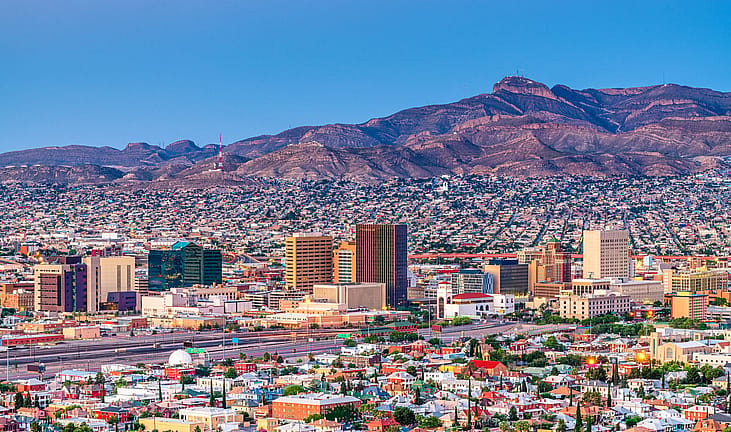
The impact of insurance costs on homeownership

The impact of insurance costs on homeownership
Homeowners insurance has traditionally been a background cost of owning a home, but in many markets, it is becoming a defining factor in housing affordability. Recent industry research and real estate surveys show that insurance premiums are rising faster than many household expenses, driven by climate-related risk, higher construction costs, and increased claim severity.
In this article, Cheap Insurance explores how rising home insurance costs are affecting homeownership decisions, insurer risk exposure, and the broader housing market—focusing on why premiums continue to increase and what these trends mean for buyers, homeowners, and lenders.
The Rising Cost of Homeowners Insurance
Homeowners Insurance Costs Are Increasing Nationwide
Homeowners insurance rates have risen steadily over the past several years, with many regions experiencing double-digit premium increases. These higher costs reflect a growing mismatch between risk exposure and historical pricing models.
Insurance carriers are responding to:
- Higher claim frequency
- Larger claim payouts
- Greater volatility from weather-related losses
As a result, homeowners insurance costs are becoming a more prominent line item in monthly housing expenses.
Climate Change and Home Insurance Risk
How Climate Risk Impacts Home Insurance Availability
Climate-driven events such as wildfires, hurricanes, floods, and severe storms are increasing both in frequency and severity. This has led insurers to reassess their exposure in certain regions, particularly coastal areas, wildfire-prone zones, and regions experiencing extreme weather volatility.
In response, insurers may:
- Raise homeowners insurance premiums
- Reduce coverage limits
- Increase deductibles
- Decline to write new policies in high-risk areas
These changes directly affect buyers’ ability to secure financing, as lenders typically require adequate home insurance coverage.
The Cost to Rebuild Is Driving Higher Claims
Inflation, Labor Shortages, and Material Costs
One of the biggest drivers of rising homeowners insurance costs is the increasing cost to settle claims. Even modest property damage now requires significantly higher payouts due to:
- Inflation affecting construction services
- Skilled labor shortages in the building trades
- Rising costs for core materials such as lumber, concrete, steel, and roofing products
- Additional cost pressures tied to tariffs and global supply constraints
When insurers project higher future claim costs, those expectations are reflected in premium pricing.
Real Estate Agents Report Growing Home Insurance Challenges
Insurance Issues Are Becoming More Common in Home Sales
Recent real estate agent survey findings from Redfin highlight how home insurance is increasingly affecting residential transactions. Nearly half of all surveyed agents (47%) reported encountering more insurance-related issues during home sales compared to the prior year. This suggests that insurance availability and affordability are becoming more frequent obstacles during the closing process.
The impact is especially pronounced in higher-risk states. Agents in California and Florida reported significantly elevated levels of insurance-related complications, with more than seven in ten agents in each state encountering increased insurance issues during transactions. These regions face heightened exposure to wildfires, hurricanes, and other climate-driven risks, which directly influence underwriting decisions and premium pricing.
Insurance Issues Are Not Universal—but Are Concentrated
Despite the overall increase, insurance challenges are not affecting every transaction equally. When agents were asked what percentage of their customers experienced insurance-related issues during a sale:
- 37.6% of agents said none of their customers had insurance issues
- 25% of agents said only a few customers were affected (defined as 1%–19% of transactions)
This suggests that while insurance problems are becoming more common, they tend to be geographically and risk-profile concentrated rather than evenly distributed across the housing market.
Certain States Face Disproportionate Insurance Friction
Agents operating in Florida, California, and Texas were more likely to report clients encountering insurance challenges during home purchases. These states share several risk characteristics that influence homeowners insurance costs and availability, including:
- High exposure to climate-related events
- Rapid increases in rebuilding and labor costs
- Greater insurer loss volatility
As insurers reassess risk in these regions, buyers and sellers are increasingly facing higher premiums, coverage limitations, or delays in securing acceptable homeowners insurance policies. These insurance challenges can complicate transactions and, in some cases, prevent sales from moving forward.
Risk Exposure for Home Insurance Carriers
Why Insurers Are Repricing Risk
Home insurance carriers rely on long-term risk modeling. As weather patterns change and rebuilding costs rise faster than premiums historically did, insurers face margin pressure and capital risk.
To remain solvent, insurers must:
- Adjust pricing to reflect future loss projections
- Limit concentration of risk in certain geographic areas
- Increase underwriting standards for older or higher-risk homes
This repricing of risk is a structural shift, not a temporary market cycle.
How Home Insurance Costs Affect Homeownership
Affordability and Mortgage Qualification
Higher homeowners insurance costs reduce affordability by increasing a buyer’s total monthly housing payment. For mortgage applicants, insurance premiums are factored into debt-to-income ratios, meaning higher premiums can limit borrowing capacity.
In some cases:
- Buyers qualify for smaller loans
- Purchases fall through due to insurance availability issues
- Certain neighborhoods become less accessible to first-time buyers
Geographic Shifts in Housing Demand
Insurance Costs Are Influencing Where People Buy Homes
As homeowners insurance costs rise unevenly across regions, buyers are becoming more sensitive to long-term insurance affordability. Areas with persistent climate exposure may see reduced demand or slower price growth, while regions with lower insurance volatility may become more attractive.
This trend suggests that home insurance is becoming a location-based affordability factor, alongside taxes and utilities.
The Long-Term Outlook for Homeowners Insurance
Why Insurance Costs Are Expected to Keep Rising
Most industry forecasts suggest continued upward pressure on homeowners insurance costs due to:
- Ongoing climate volatility
- Persistent rebuilding cost inflation
- Regulatory lag between losses and rate approvals
- Increased use of reinsurance by primary carriers
While rates may stabilize in some markets, broad declines are unlikely without significant changes in risk exposure or construction economics.
What This Means for Homeowners and Buyers
Homeowners insurance is no longer a static expense—it is a dynamic and increasingly influential factor in homeownership decisions. Buyers, sellers, lenders, and policymakers are all being forced to account for insurance costs as part of the broader housing affordability conversation.
Understanding how insurance risk, climate exposure, and rebuilding costs interact is essential for anyone navigating today’s housing market.
This story was produced by CheapInsurance.com and reviewed and distributed by Stacker.