15 inventions that changed America
The course of American history has been changed by countless inventions, from the tiny things that made everyday life different to huge landmark projects that made history. To compile a list of 15 inventions that changed America, Stacker looked at lists like ones from the Atlantic and philosophical STEM brain trust Edge.org along with a healthy dose of food history. The rest is a mix of marquee events like the launch of Sputnik and the invention of the internet and some wildcards that you probably can't imagine your life without.
What are the parameters here? Well, we've left out inventions from before the idea of "America" even existed, so a rough cutoff of the year 1500. Yes, the Gutenberg printing press influenced America, but it already existed when maps first began to reflect Amerigo Vespucci's name in the 1500s. The compass, many kinds of clocks, many kinds of weapons, the scientific method—these ideas date way back and underpin the development of much of the world, not just America. Eyeglasses and steel already existed.
We can't promise everything you imagine will be on this list, but the items represent everything from manufacturing and computers to personal care and convenience foods. Ice cream wasn't invented in the United States, but Thomas Jefferson brought the first recipe known to be made in the U.S. after his travels in France. Some major inventors were known briefly but largely forgotten, like the handwashing pioneer who helped Florence Nightingale save lives during the Crimean War. Other breakthroughs, like aspirin, were only formal inventions following years of, in that case, treatments made from willow bark.
Some of the best ideas aren't inventions, so you won't find those here either. Democracy and evolution are great, but we're sticking with concrete inventions or at least concrete methods, like the calculus that helps describe how real objects act and the notation system people made up to use it. Charles Darwin didn't invent the idea of evolution, but scientists who began to sequence the human genome invented the techniques and systems to do that laboratory work. Let's jump in and learn about some important inventions.

1950s: Advanced semiconductors
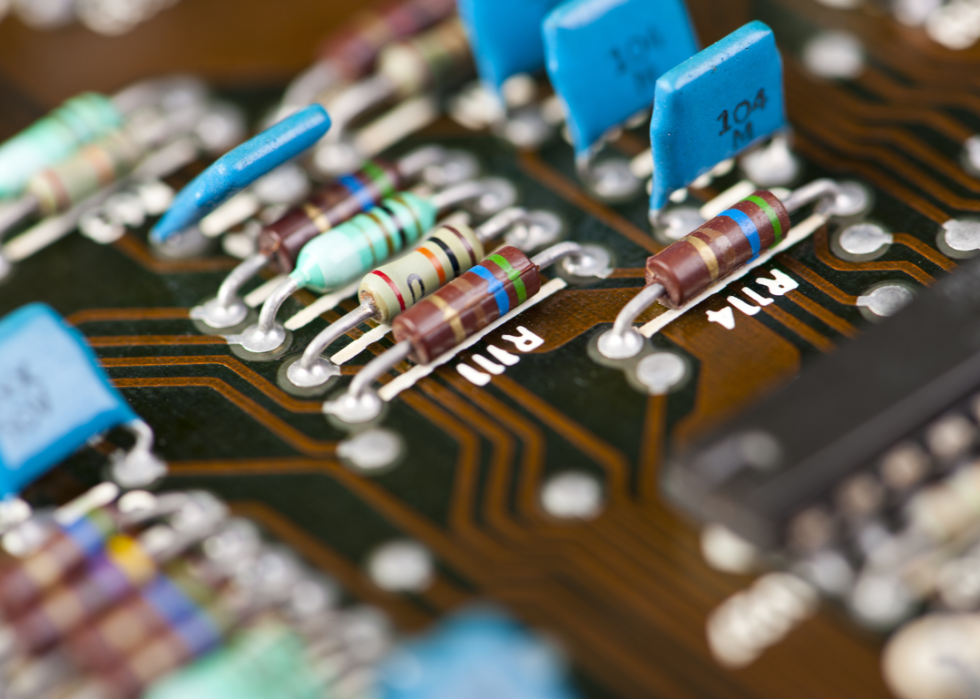
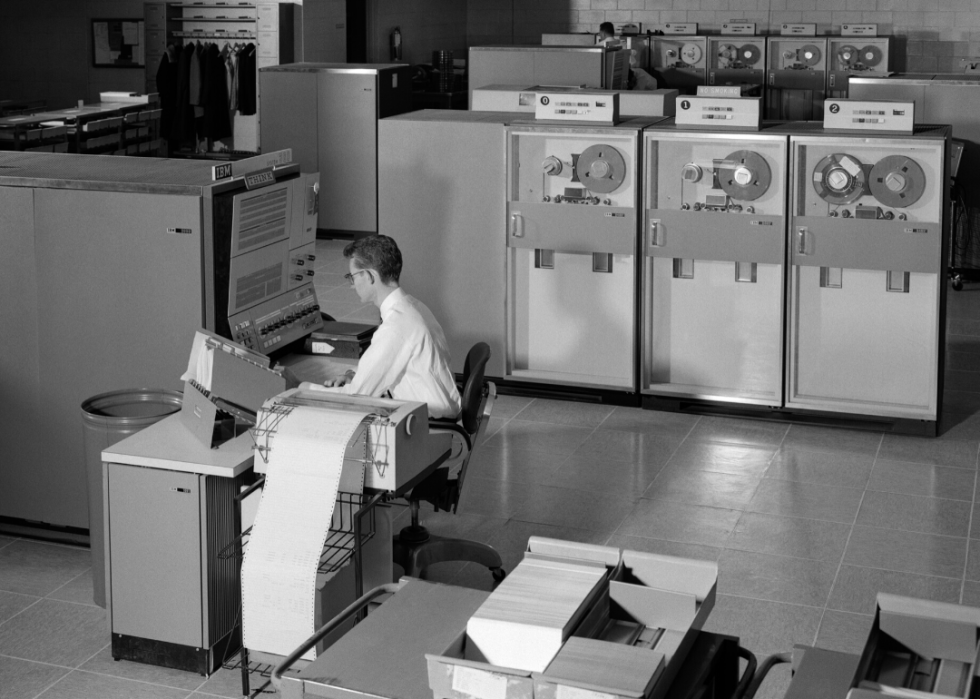
The semiconductor is what enables computer microchips, which turned computers from huge collections of vacuum tubes into smaller and smaller machines that now fit easily in our pockets. The secret lies in using the right semiconductor materials to build tiny electrical circuitry that sends signals in order to operate.
1957: Satellite
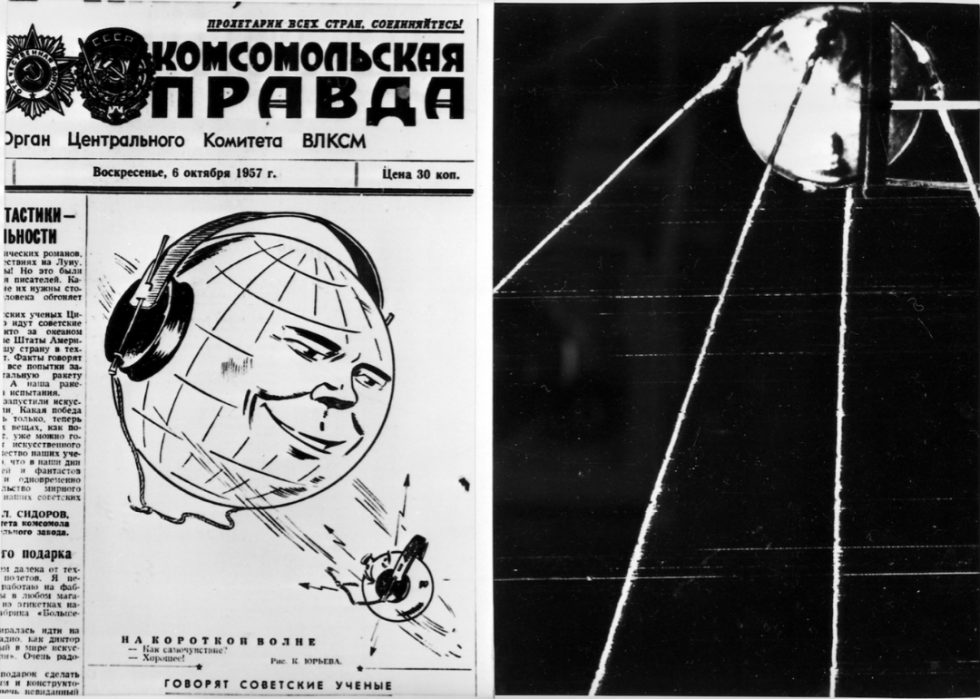
Sputnik was the beep heard 'round the world, but the technology itself rivaled the satellite's international security threat. Today, satellites form a mesh that blankets the world for communications, navigation, and more.
1958: Nuclear power plant
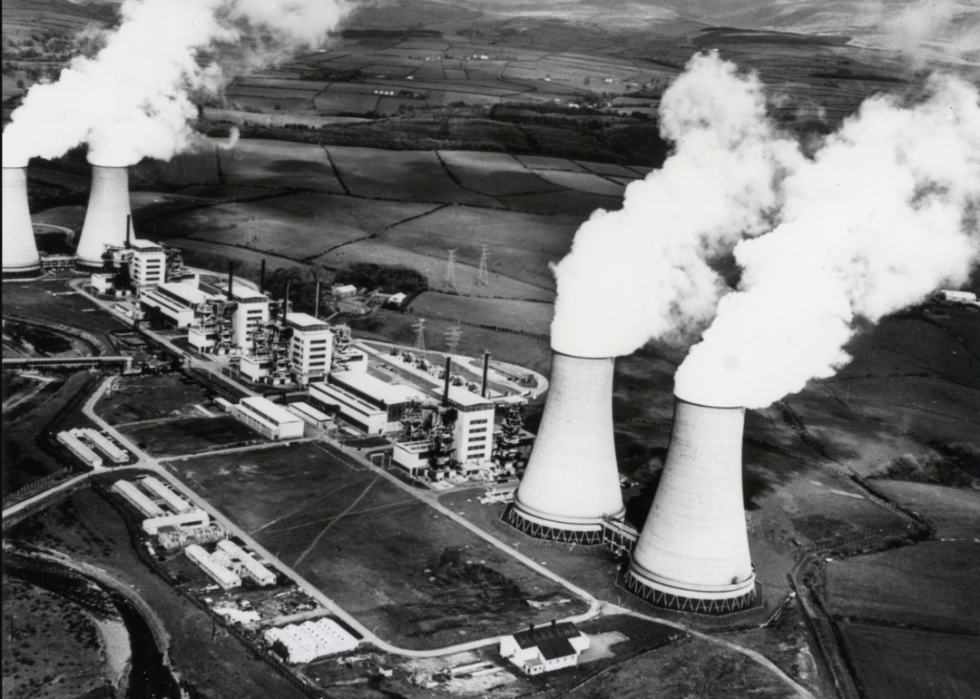
Nuclear fission discovered in the 1930s quickly led to the idea of the nuclear power plant, the first of which appeared in the United States in 1958, just a few years after similar plants in Russia and Europe. Plants grew larger and larger with subsequent generations, providing power for entire cities.
1960: Database/search
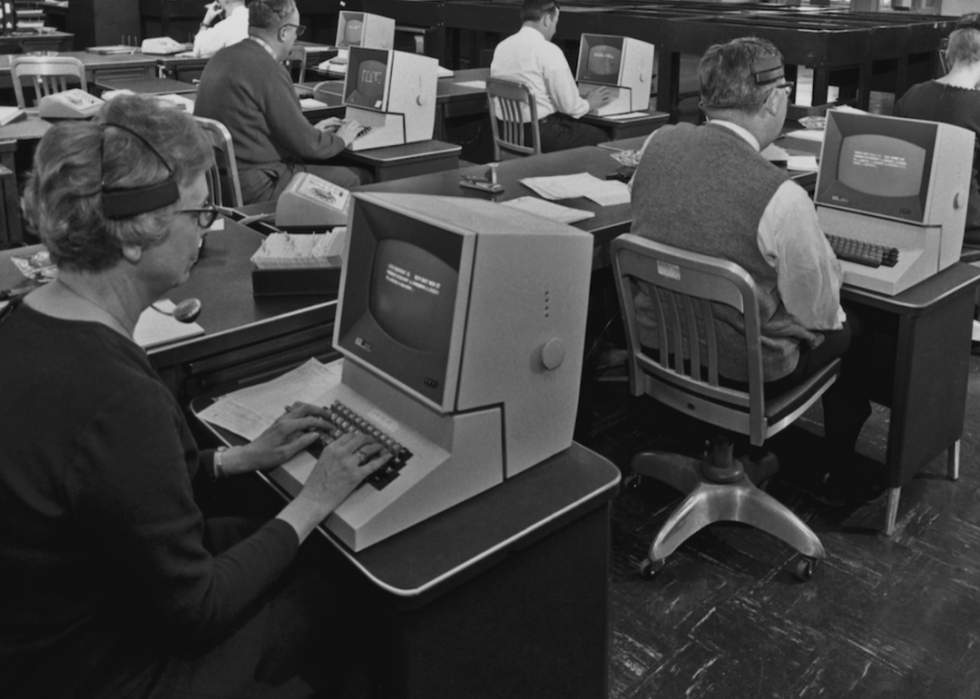
Today we use Google to find single words from the entire internet; however, that technology dates back to both compiled databases and the idea of full text search. Instead of human eyes scanning entire printed documents, computers consider documents as collections of characters that are scannable one at a time for keywords.
1960: Computer aided design
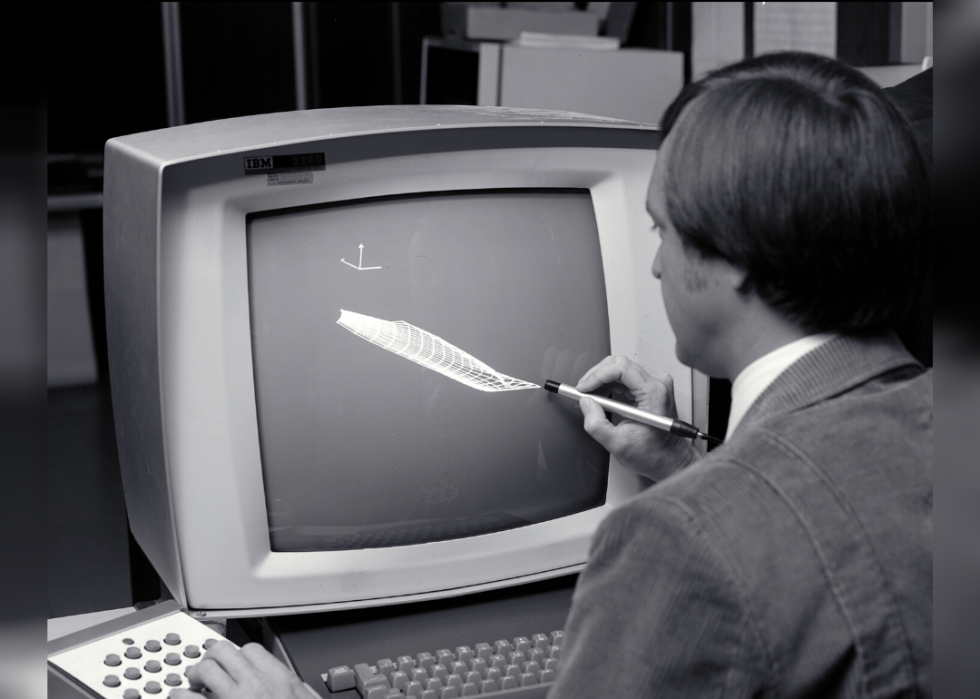
The first semblance of modern computer aided design, or CAD, was 1960's revolutionary Sketchpad software. Like a computer-boosted Etch-a-Sketch, the program let users see what they were drawing and carefully control an image for the first time.
1960s: Internet
The overall computer network we call the internet dates back decades to a government-built network. Like telephones, the internet is enabled by a physical web of cables that blanket the nation, and at first they connected sites like government labs and university computers.
1960s: Birth control pill
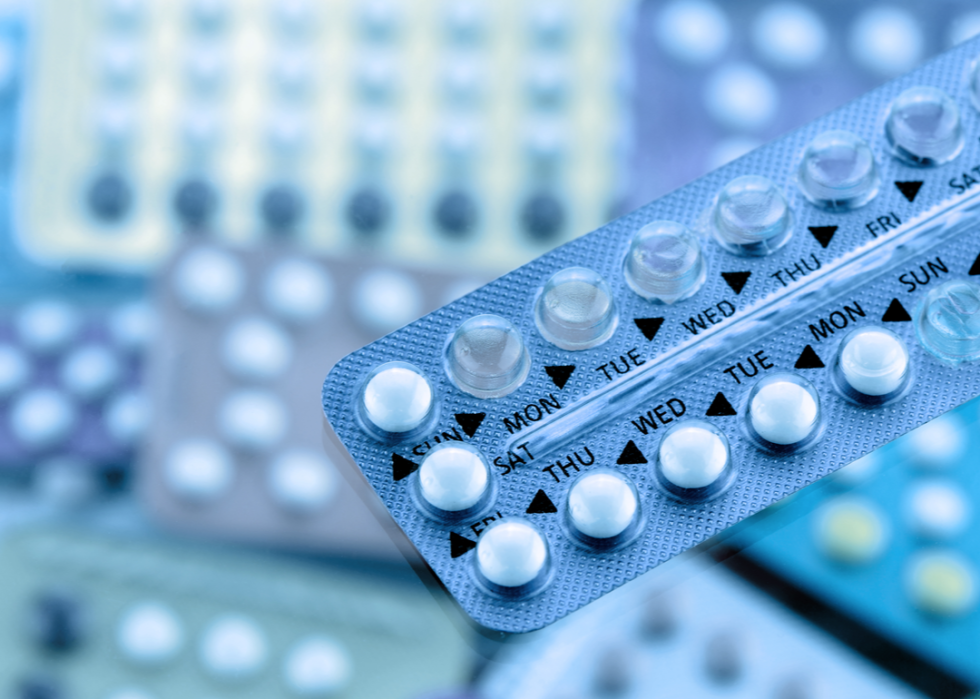
The World Health Organization considers contraception access to be a human right, but the first reliable chemical contraceptive pill didn't become widely available until the 1960s. Today, there are dozens of varieties with different formulations.
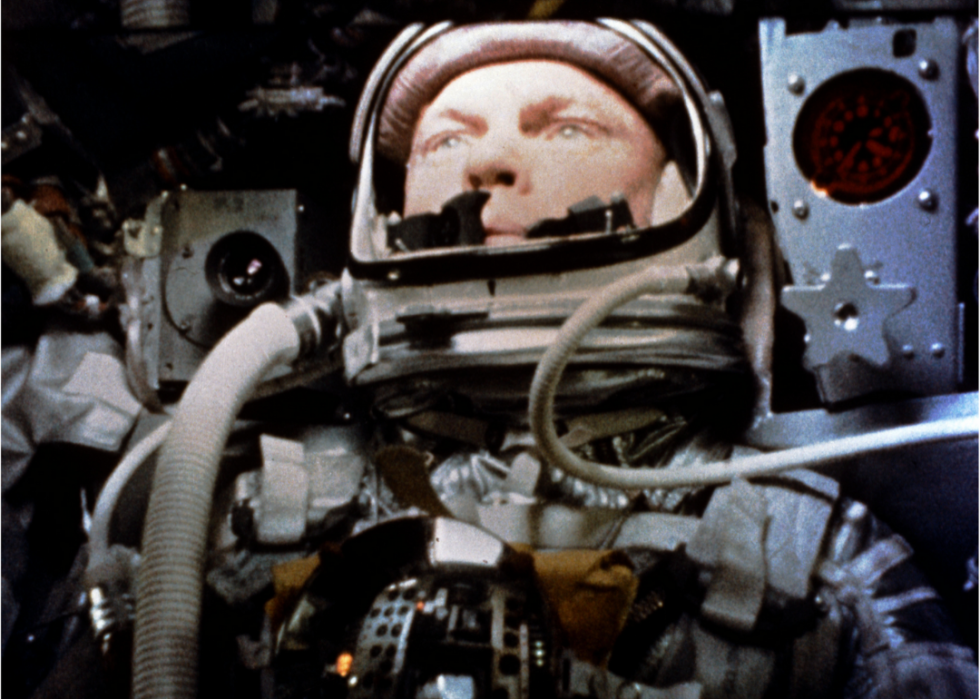
1961: Mercury mission
Project Mercury put the first Americans in space. Over several years and half a dozen trips, astronauts mostly drafted from test pilot programs rode in tiny capsules positioned on the nose of single-use rocket boosters.
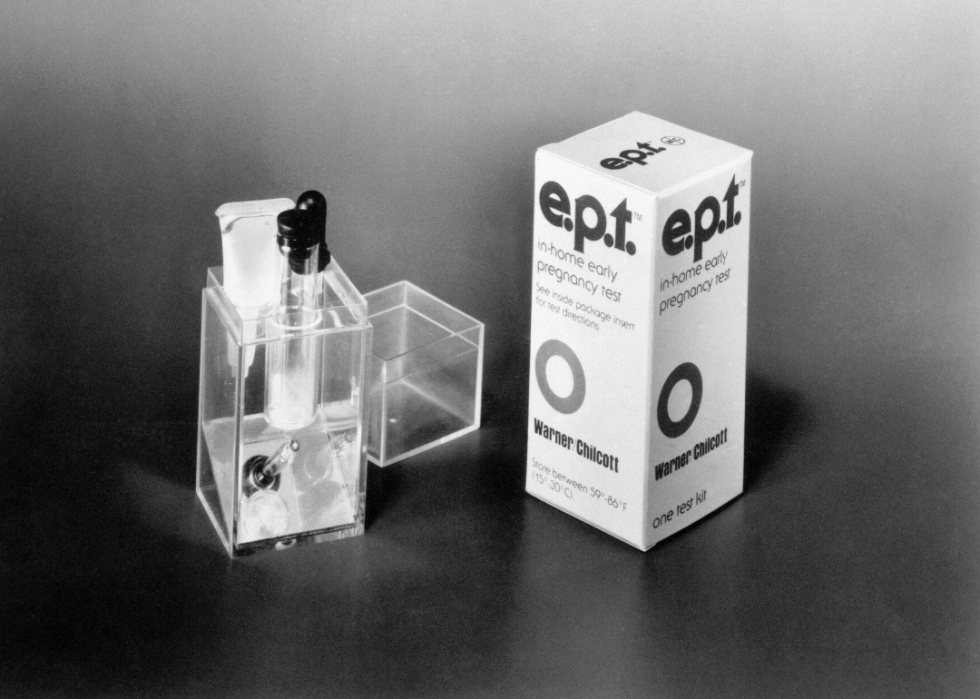
1969: Home pregnancy test
Before the invention of the reliable home pregnancy test, only a doctor could run the blood test that identifies pregnancy. Putting that power in the hands of families in their own homes reduced cost, increased access, and gave people a lot more decision-making power over their own bodies.
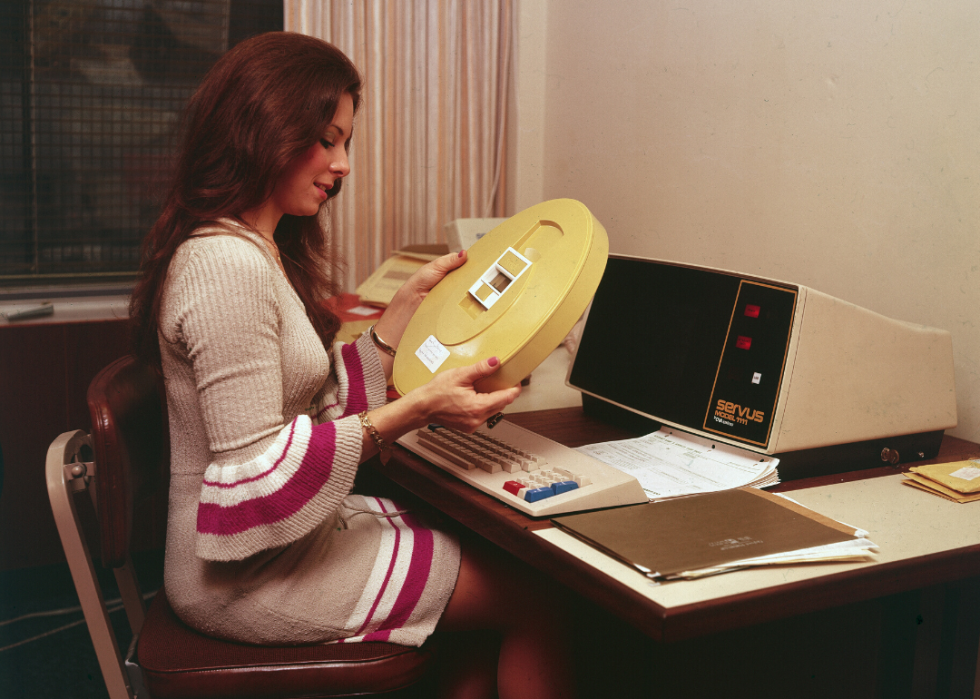
1970s: Personal computer
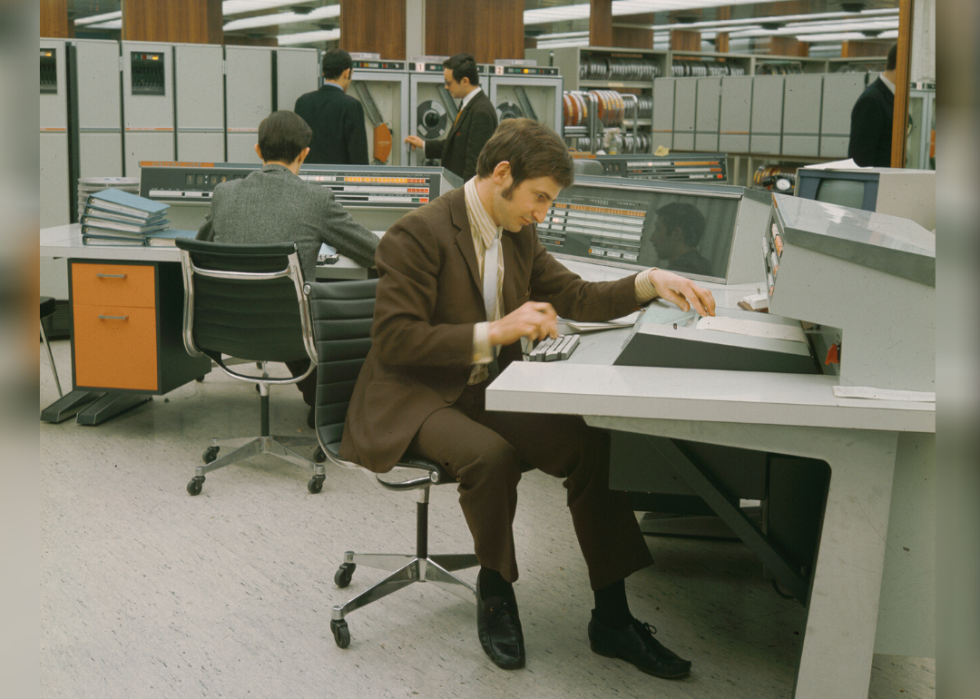
Unlike the bulky research and government computers found in labs around the world, the personal computer had to be small enough to fit into a home setting and be used by a civilian. From there, technology rapidly evolved, from huge floppy disks to CD-ROMS and beyond.
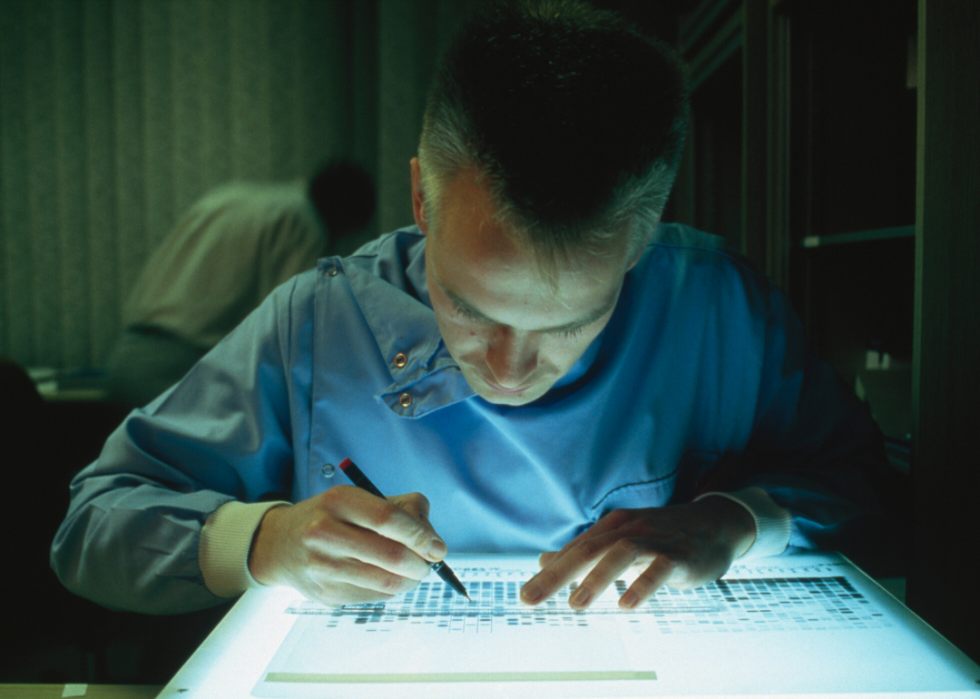
1970s: Gene sequencing
Sequencing the human genome is a complex mix of computing, microscopy, and of course the very DNA itself. With the ability to search and identify patterns, scientists have unlocked secrets, repetitions, and genetic "switches" that reveal health and even human nature.
1970s: Public key crypto
Cryptography dates back thousands of years, but public key cryptography, where the scramble comes in the form of complex math rather than secrecy and hidden information, changed the game for computing over brand-new public networks. For now, the math has stayed ahead of the most powerful computers trying to hack it.
1973: Cell phone
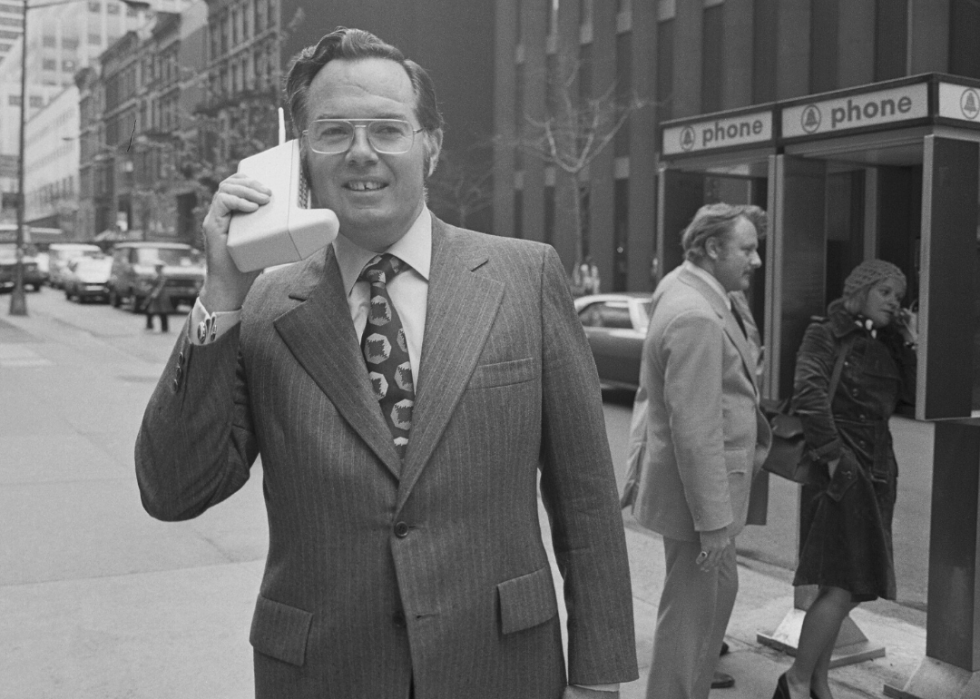
The ancestors of the phone you carry around today date back to the early 1970s. What was initially a glorified walky-talky transformed into the bulky portable phones spotted in '80s movies and then Zack Morris's hand on "Saved by the Bell." Better batteries and computer chips continue to both shrink and expand the "cell phone."
1981: Space shuttle
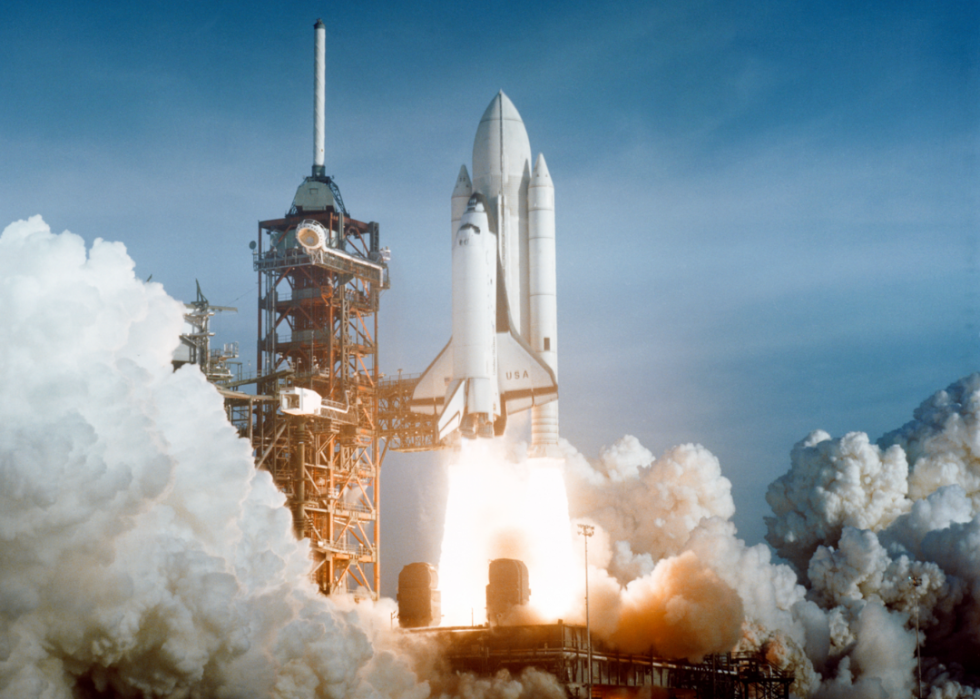
The U.S. Space Shuttle was a groundbreaking reusable spacecraft that operated for decades. It took off vertically as a rocket but landed horizontally like an airplane, creating a blueprint that other spacecrafts still follow.
2019: Quantum supremacy?
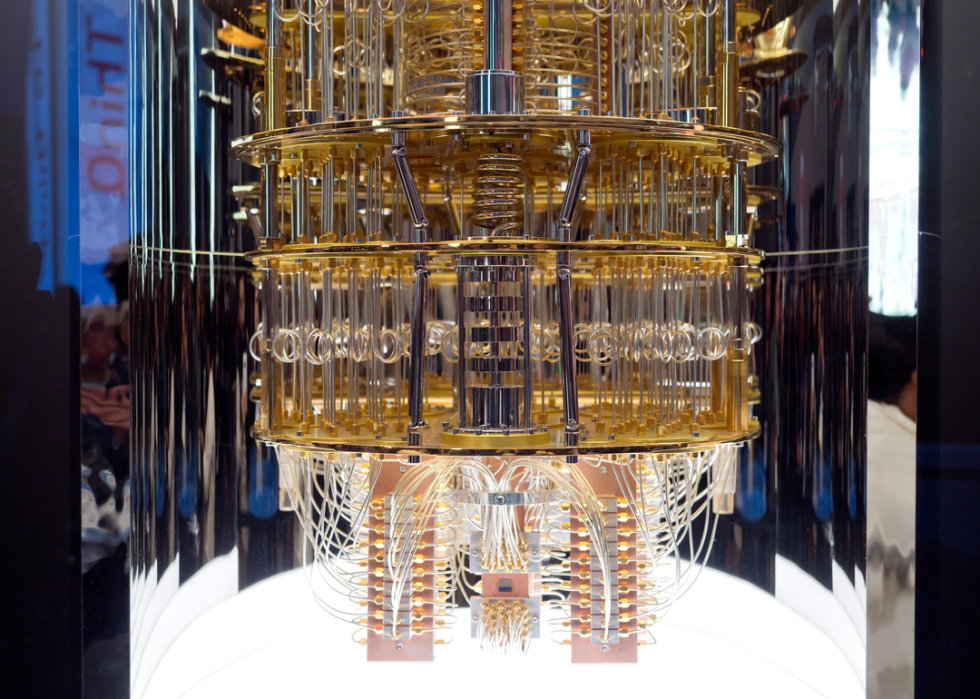
What will the next invention be that changes America forever? The roots of the things changing our lives today date back years or even decades. But in 2019, Google made headlines when they claimed to have reached quantum supremacy. That's the hypothetical state where quantum computers reach the warp-speed promise that scientists have suggested since the notion of quantum computing began decades ago.