Survey finds 3 in 5 women have felt unsafe in a rideshare, with most using fake phone calls as a safety tactic

Survey finds 3 in 5 women have felt unsafe in a rideshare, with most using fake phone calls as a safety tactic
A new survey of 1,000 women across the United States found that nearly 3 in 5 (59.3%) have felt unsafe during a rideshare trip at least once, and that 72.3% use fake phone calls or deceptive texting as a safety tactic when riding alone at night.
The survey, conducted in April by A Case For Women via Pollfish, polled adult women who use rideshare services and asked about their experiences with safety incidents, reporting behavior, trust in rideshare companies, and views on regulation. The findings arrive as the rideshare industry faces mounting legal pressure, including a recent $8.5 million jury verdict against Uber in an Arizona sexual assault case and more than 3,000 federal lawsuits stacking up against major rideshare companies.
The release of the survey also follows Uber's March 2026 nationwide rollout of its Women Drivers feature, a program the company has pitched as a direct response to rising safety concerns among female riders.
Key Findings
According to the survey, women reported the following:
- 59.3% have felt unsafe during a rideshare ride, with Gen Z women reporting repeated incidents at nearly three times the rate of Baby Boomers.
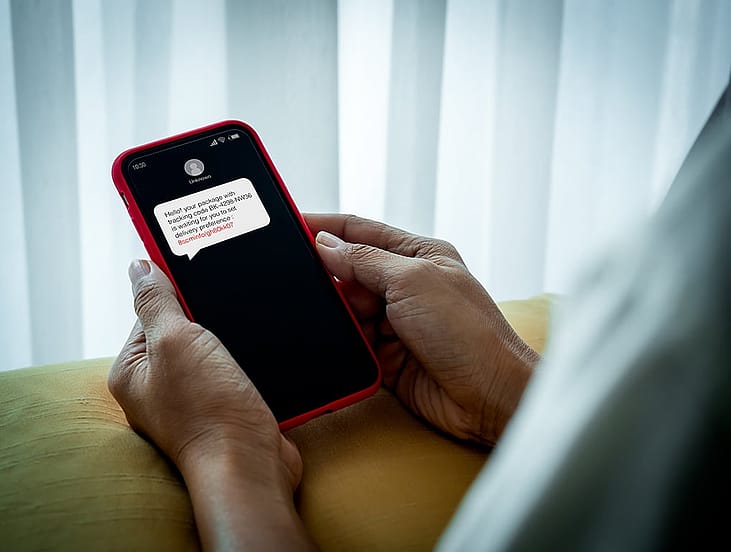
- 72.3% use fake phone calls or deceptive texting as a safety tactic when riding alone at night.
- 35.6% of women who felt unsafe never reported the incident.
- 71.5% want rideshare safety regulated by law rather than left to company self-governance.
- 46.1% refuse to pay extra for a female driver, saying safety should not be a paid upgrade.
- 77.8% would stop using or reconsider a rideshare app tied to thousands of pending sexual assault lawsuits.
Frequent Riders Report the Most Repeated Incidents

The survey found that frequency of use correlated with frequency of unsafe experiences. Among women who use rideshare weekly, 33% reported feeling unsafe on multiple occasions, compared with 15.4% of occasional users.
Generational differences were also pronounced. Gen Z women, who use rideshare apps most heavily, reported multiple unsafe experiences at a rate of 29.6%, compared with 10.3% of Baby Boomers.
"The women who depend on rideshares the most face the most risk," the report states, noting that opting out is not a realistic option for women who rely on the service to commute to work, school, or home.
Fake Phone Calls Now a Standard Safety Tactic

The use of fake phone calls and deceptive texting has become routine among female riders, according to the data. Among Gen Z women, 43.6% said they use the tactic on every ride. Among Hispanic women, the every-ride figure was 39%.
The behavior is not connected to any app feature. The survey frames it as a workaround women have built on their own, outside of platform safety tools.
"The company provides the app. The woman provides the workaround," the report states.
More Than a Third of Women Stay Silent After Feeling Unsafe

Of the women who reported feeling unsafe, 35.6% said they never reported the incident to the rideshare company or to authorities. The most common reason was uncertainty about whether the incident was serious enough to flag.
According to the survey:
- 25.3% were not sure the incident was serious enough to report.
- 16.7% did not trust the company to take it seriously.
- 13.9% feared retaliation from the driver.
The report argues that the reporting gap distorts the safety data rideshare companies use internally, because a significant share of incidents never makes it into corporate reporting systems.
Wide Support for Legal Regulation of Rideshare Safety
The survey found broad agreement across demographic groups that rideshare safety should be regulated by law rather than left to companies to manage internally.

At least 7 in 10 (71.5%) women said they want rideshare safety regulated by law. Support was highest among Baby Boomers at 82.8%, but it carried across age, income, and education levels. Among weekly riders, 73.6% backed legal regulation.
On the question of whether women should pay extra for a female driver, 46.1% said they refused, with that figure climbing to 72.7% among women earning $250,000 or more, and to 54.2% among postgraduate women.
"Tiered safety is not innovation. It is an admission that the baseline product was never safe enough," the report states.
Methodology
To understand how American women approach rideshare safety, A Case For Women surveyed 1,000 adult women across the country who use rideshare services. The survey was conducted via Pollfish. Participants answered questions about their experiences with safety incidents, reporting behavior, trust in rideshare companies, personal safety tactics, and views on regulation and corporate accountability. Responses were analyzed by demographic groups, including age, income, education, ethnicity, and usage frequency, to identify trends and disparities.
This story was produced by A Case For Women and reviewed and distributed by Stacker.