
Canva
1 / 20#20. Lincoln County and Marathon County
- Lincoln County population: 28,405
- Marathon County population: 138,612
- Social connectedness index: 1,880,019

In today's digital age, social media platforms enable people to bridge geographic distances and connect with their friends, family, and community, no matter where they are. According to a 2022 Gallup and Meta study, at least 1 in 3 people across seven countries, including the U.S., said they used social media to interact with others at least once a day in the past week.
While social media has its drawbacks—such as pulling attention away from other tasks or fostering a problematic comparison culture—it remains a vital tool for helping people stay connected.
A majority of students in grades 3 to 12 said social media helped them develop relationships, learn social skills, and make a positive impact in their community, according to a 2024 report from The Social Institute.
Spokeo compiled a ranking of the most socially connected counties in Wisconsin using 2021 data from Facebook, based on a national analysis. County pairs were ranked by their social connectedness index, which measures the relative probability that two individuals across two locations are friends with each other on Facebook. The social connectedness index is a scaled value up to a billion. Larger indexes indicate a greater share of Facebook friends between county pairs.
Canva
1 / 20- Lincoln County population: 28,405
- Marathon County population: 138,612
- Social connectedness index: 1,880,019

Canva
2 / 20- Barron County population: 46,833
- Rusk County population: 14,143
- Social connectedness index: 2,091,041

Canva
3 / 20- Pierce County population: 43,026
- St. Croix County population: 96,763
- Social connectedness index: 2,259,947
Canva
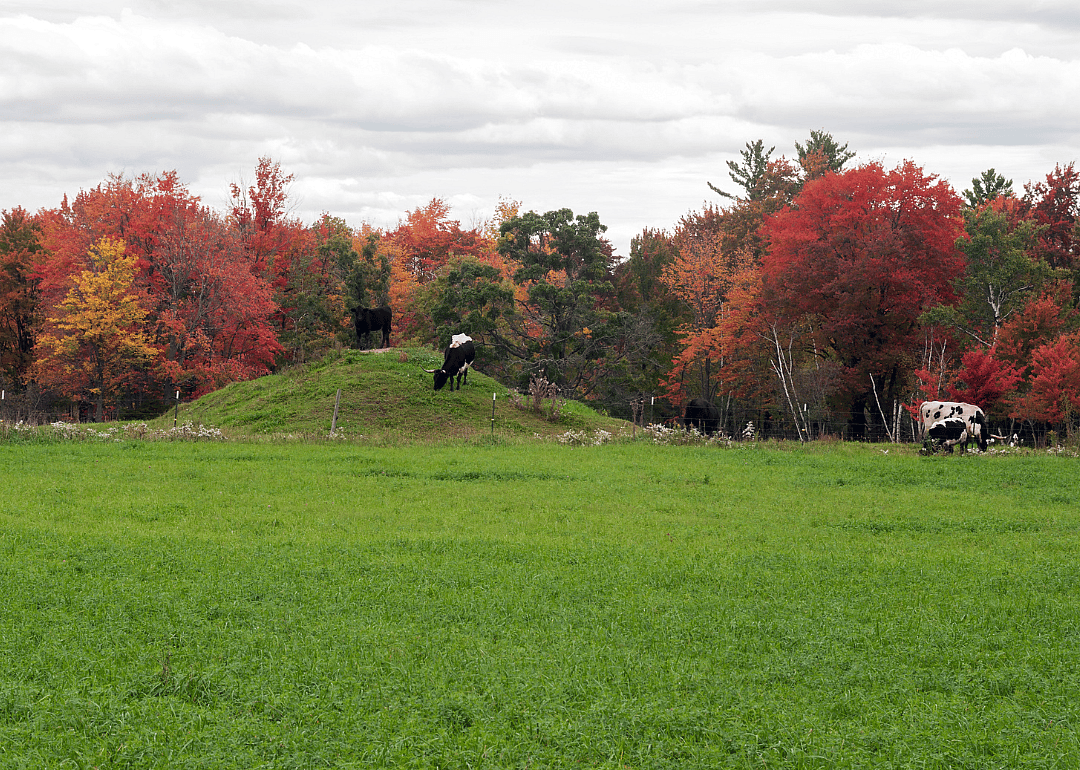
4 / 20- Juneau County population: 26,594
- Monroe County population: 46,151
- Social connectedness index: 2,516,508

Jordan Krey // Shutterstock
5 / 20- Adams County population: 21,449
- Marquette County population: 15,838
- Social connectedness index: 2,654,831
Canva
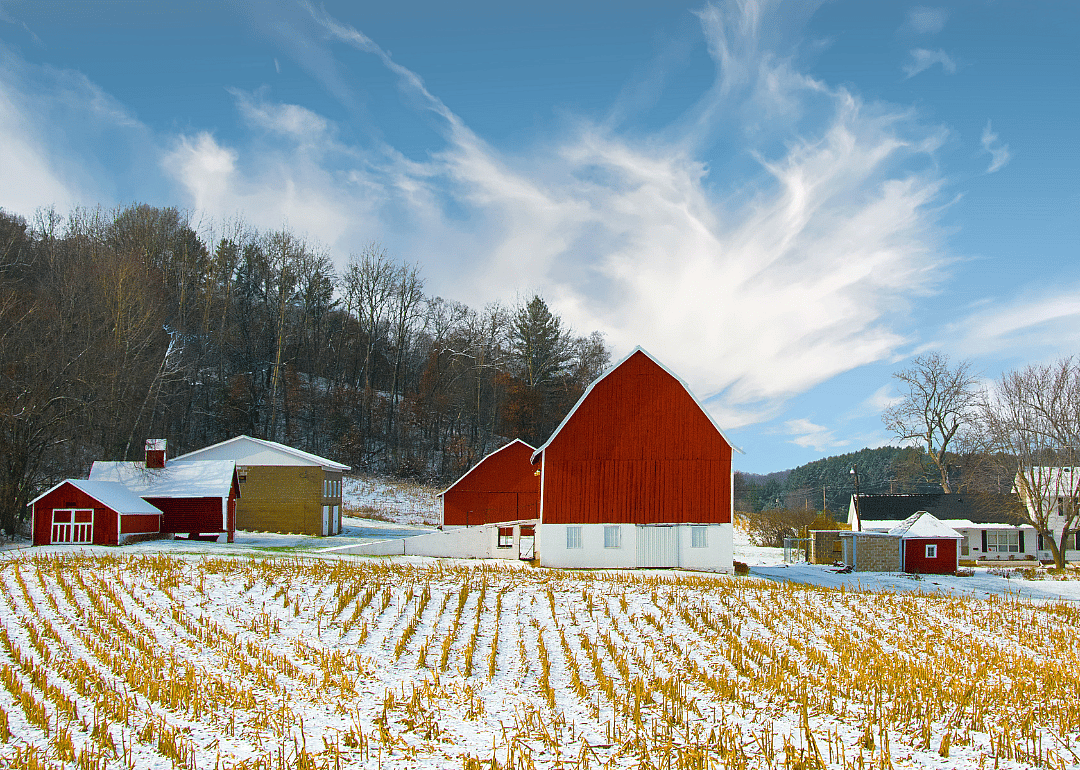
6 / 20- Eau Claire County population: 107,903
- Chippewa County population: 66,970
- Social connectedness index: 2,712,377
SevenMaps // Shutterstock
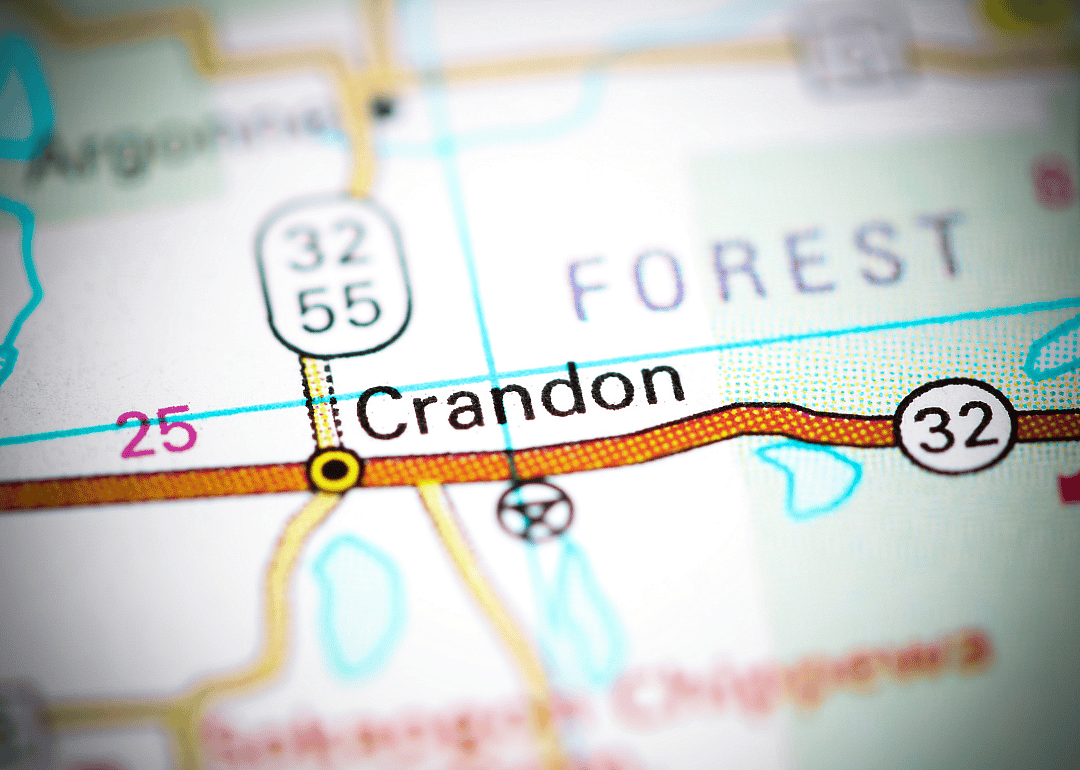
7 / 20- Langlade County population: 19,404
- Forest County population: 9,325
- Social connectedness index: 3,036,764
Aaron of L.A. Photography // Shutterstock
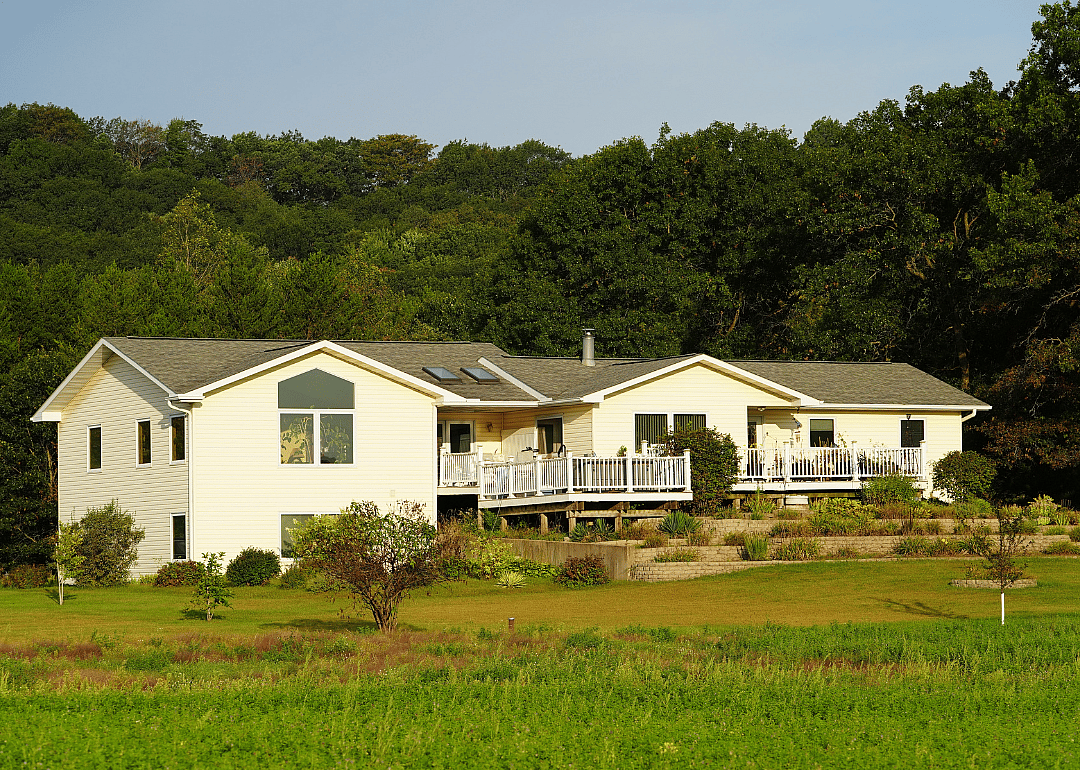
8 / 20- Richland County population: 17,197
- Vernon County population: 31,170
- Social connectedness index: 3,202,290
Canva
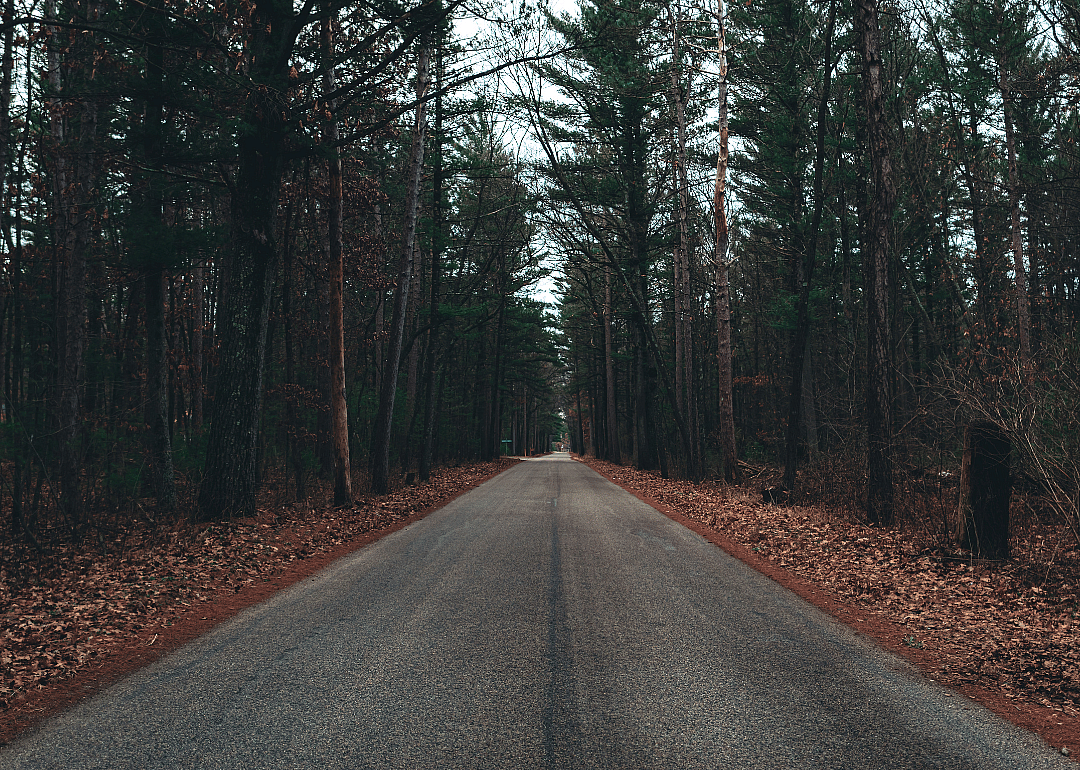
9 / 20- Green Lake County population: 19,344
- Waushara County population: 24,934
- Social connectedness index: 3,220,536

Ken Wolter // Shutterstock
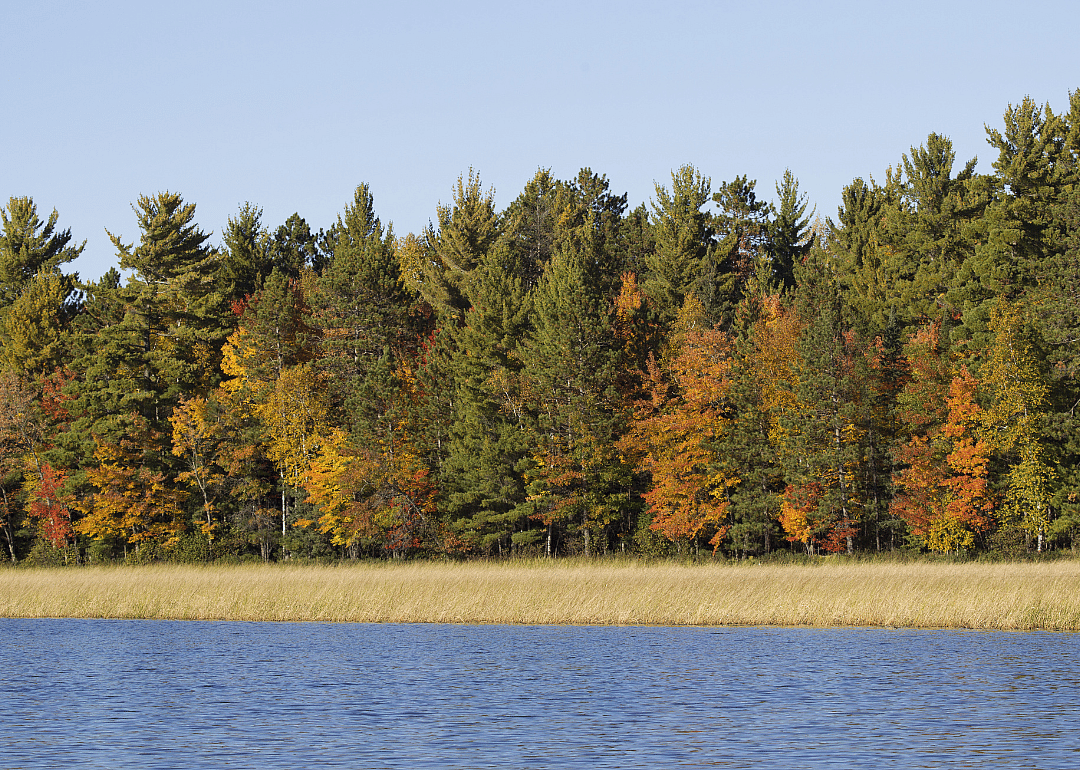
10 / 20- Polk County population: 45,762
- Burnett County population: 17,092
- Social connectedness index: 3,224,172
Keith Bell // Shutterstock
11 / 20- Oneida County population: 38,226
- Vilas County population: 23,885
- Social connectedness index: 3,326,062

Canva
12 / 20- Door County population: 30,562
- Kewaunee County population: 20,690
- Social connectedness index: 3,652,611

Rebecca Decker // Shutterstock
13 / 20- Clark County population: 34,774
- Taylor County population: 20,058
- Social connectedness index: 3,838,341

Canva
14 / 20- Crawford County population: 15,944
- Grant County population: 51,409
- Social connectedness index: 3,893,623
Canva
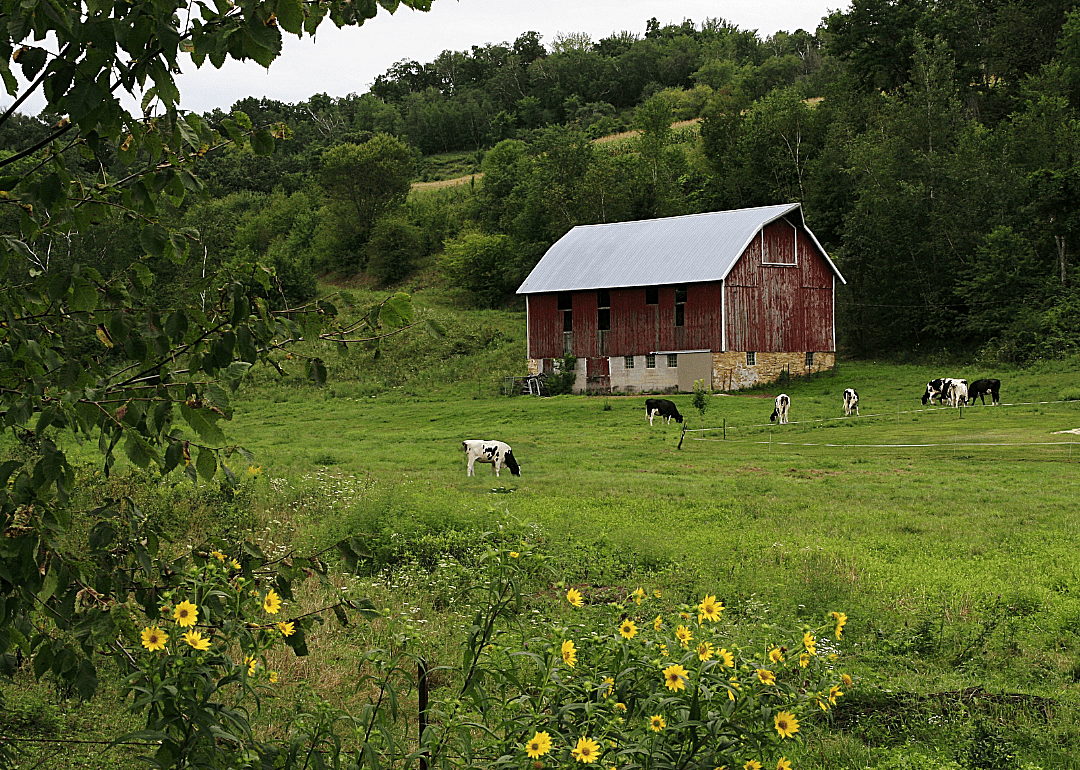
15 / 20- Jackson County population: 20,855
- Trempealeau County population: 30,899
- Social connectedness index: 3,907,200

Canva
16 / 20- Sawyer County population: 18,552
- Washburn County population: 16,930
- Social connectedness index: 4,020,784

Canva
17 / 20- Lafayette County population: 16,945
- Iowa County population: 23,956
- Social connectedness index: 5,901,414
Canva
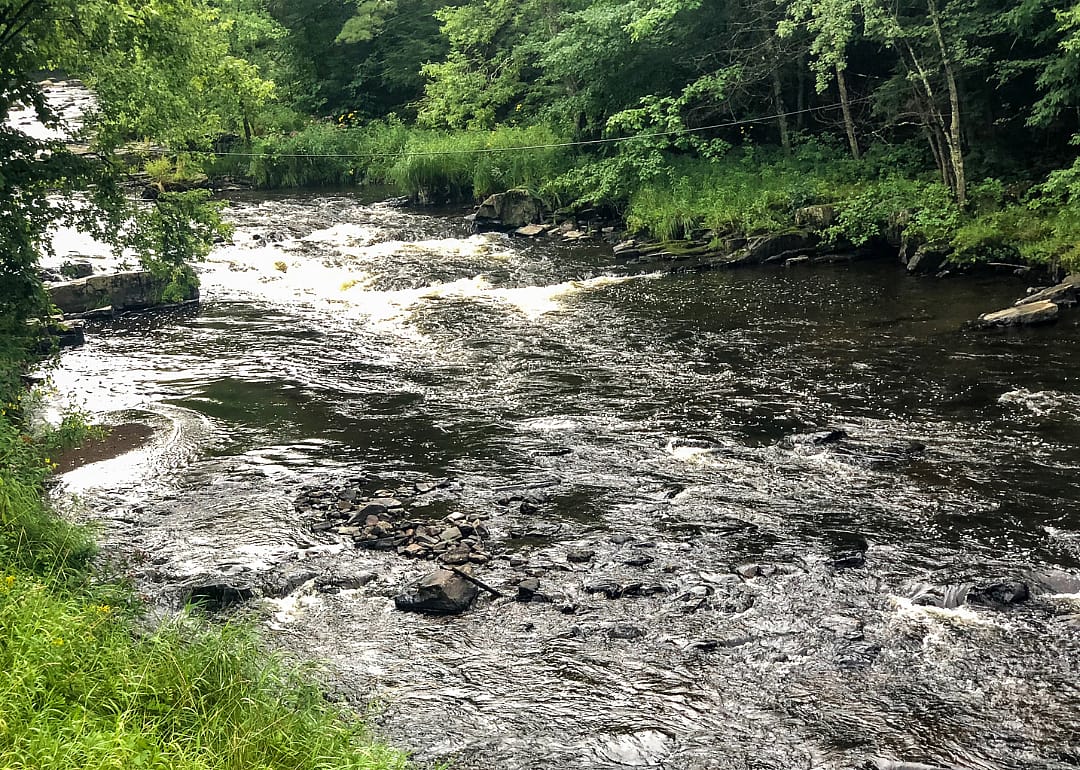
18 / 20- Shawano County population: 41,109
- Menominee County population: 4,226
- Social connectedness index: 11,789,954
Canva
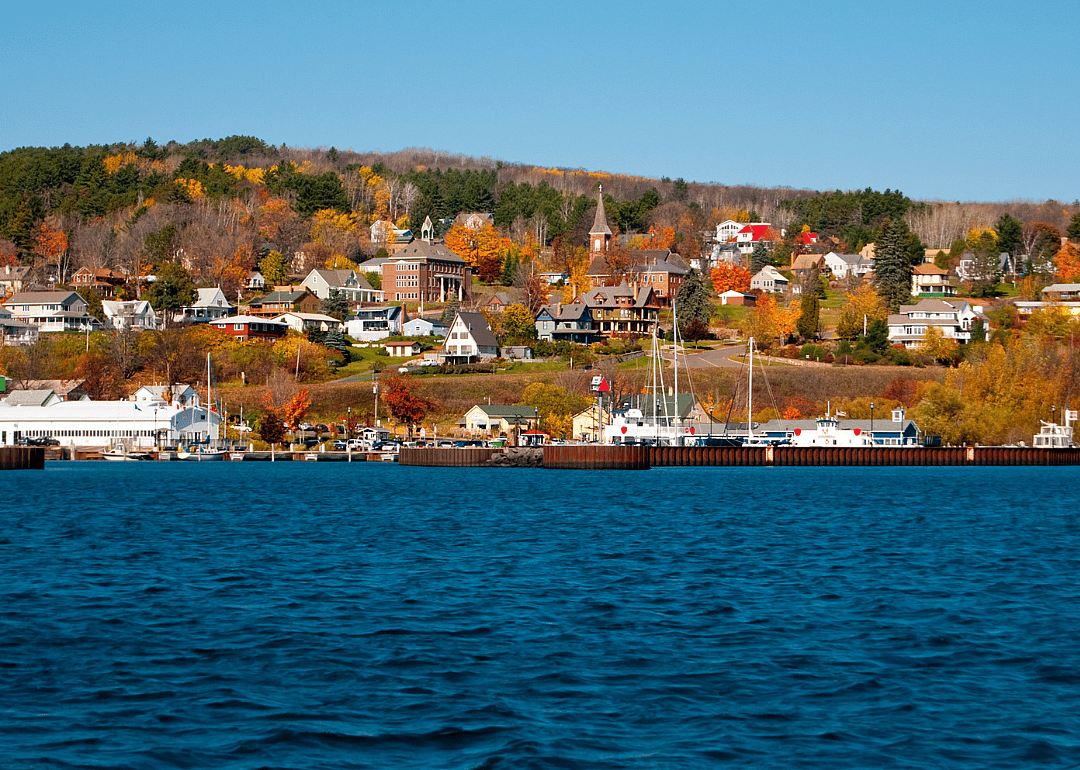
19 / 20- Bayfield County population: 16,769
- Ashland County population: 16,079
- Social connectedness index: 11,888,369
Maarten Daams // Shutterstock
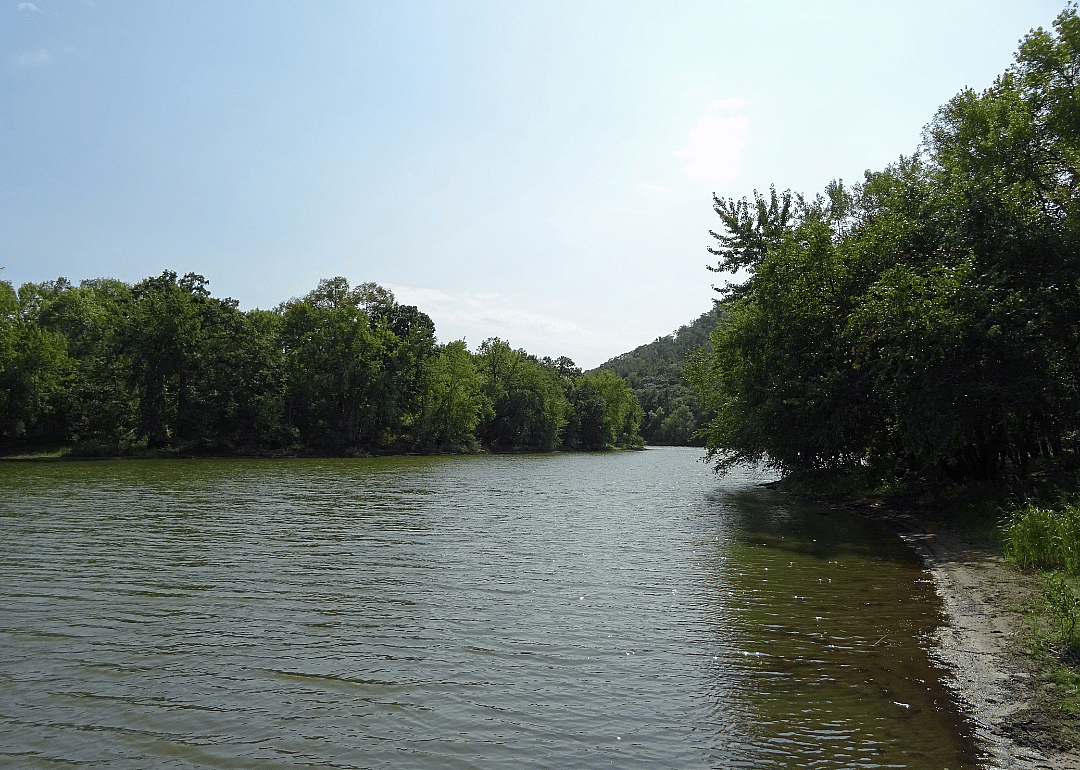
20 / 20- Buffalo County population: 13,419
- Pepin County population: 7,441
- Social connectedness index: 11,956,333
This story features data reporting by Karim Noorani, writing by Kayla Zhu, and is part of a series utilizing data automation across 46 states.