Aspects and Angles // Shutterstock
1 / 3Transitional style 101
What are some basics of the transitional interior design look? Not every transitional space will check every box, but you're likely to find a medley of the following features.
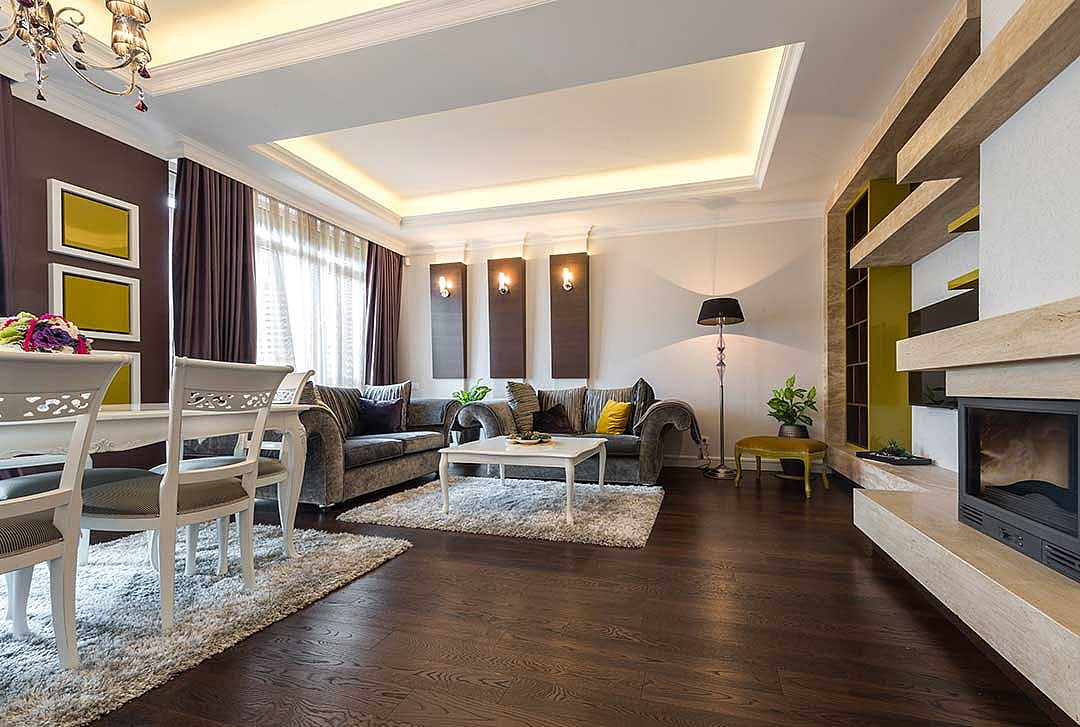
- Neutral color palette: One of the hallmarks of transitional design is a largely neutral color palette. Think beiges, grays, creams and tans, which serve as a base. This doesn't mean color is absent; rather, pops of color are introduced sparingly through accessories, art and accent pieces.
- Clean lines with curved profiles: Furniture in transitional spaces combines the straight lines seen in more contemporary pieces with the curves and detailing of traditional designs. For instance, a sofa might have clean, minimalist lines but be upholstered in a classic fabric or have tufted details.
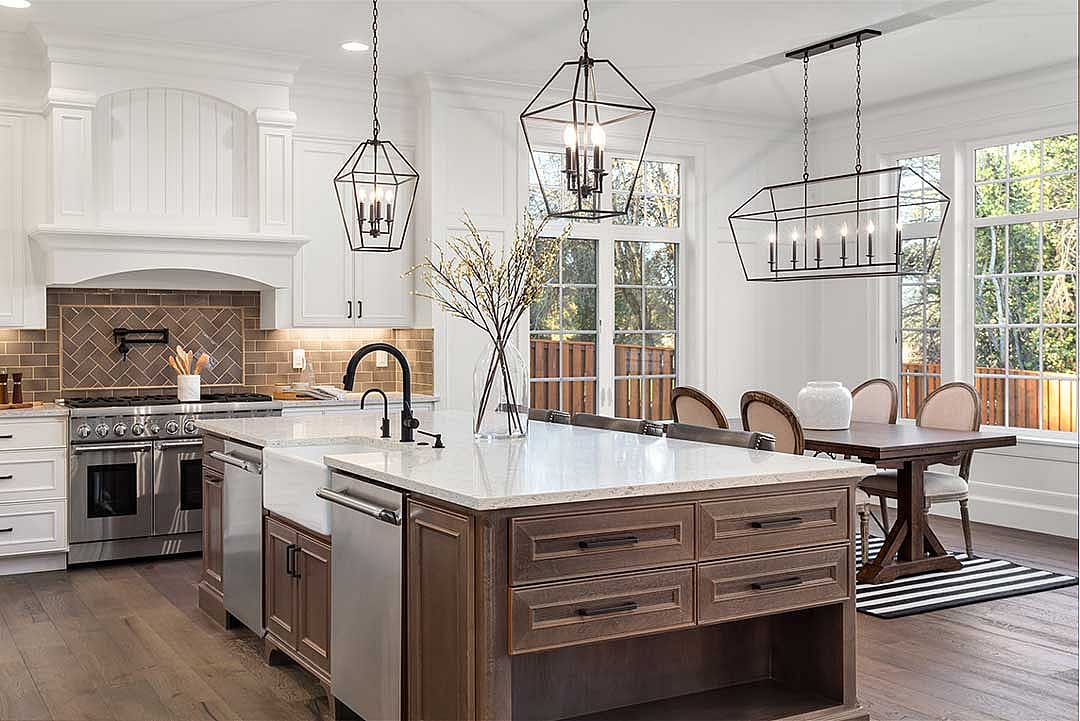
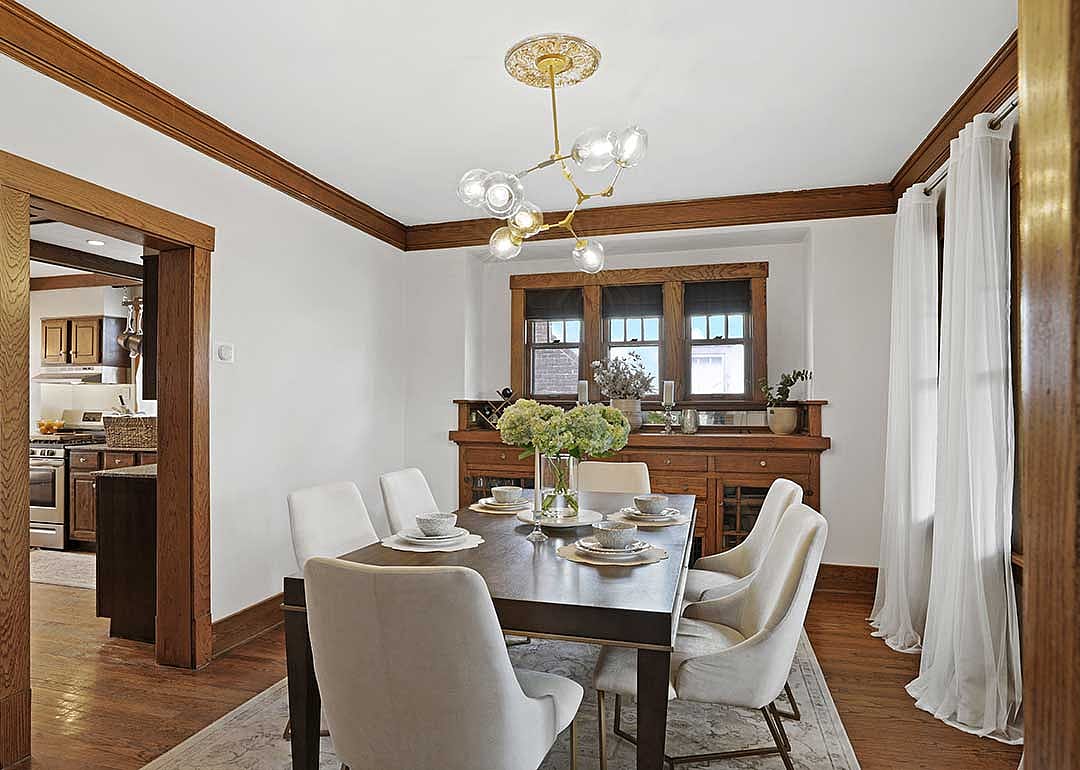
- Mix of materials: You'll often see a mix of materials in transitional design. This might mean a glass coffee table with an ornate wooden base, or a modern metal light fixture above a traditional dining set. The juxtaposition of these materials creates visual interest.
- Texture and fabric: With a neutral color palette, texture plays a big role in transitional style. Think tufted rugs, linen drapes and textured cushions. A variety of fabrics from leather to velvet can be used — in moderation — to bring depth, warmth and drama to any space.
- Less ornamentation: Unlike traditional design, which might include heavy moldings or detailed woodworking, transitional spaces tend to be on the simpler side. However, they're not as stark or minimalist as traditional Scandinavian or Japanese interior design styles.
- Art and accessories: Transitional apartments might showcase modern art in ornate frames, or traditional art in sleek, minimalist frames. Accessories, like vases or lamps, should strike a balance between the contemporary and traditional. It's all about toeing the line between styles without leaning too far in one direction.
- Functional and uncluttered spaces: While the look is balanced, transitional design embraces functionality. This means adequate storage solutions to ensure spaces are free of unnecessary items, which is especially important in apartment settings where space may be at a premium.
- Natural light: Embracing natural light is key in transitional design. Light and airy window treatments that allow for plenty of sunlight help make the space feel open and welcoming without requiring additional accessories or loud colors.
- Area rugs: To define spaces, especially in an open-concept apartment, use area rugs. This helps to visually break up the space while also adding warmth and texture.
- Consistency: Even though transitional style is about blending, it's important to maintain a sense of consistency. This means not every piece in a room should be a mix of modern and traditional. The goal in transitional design is that the room — as a whole — achieves this balance.