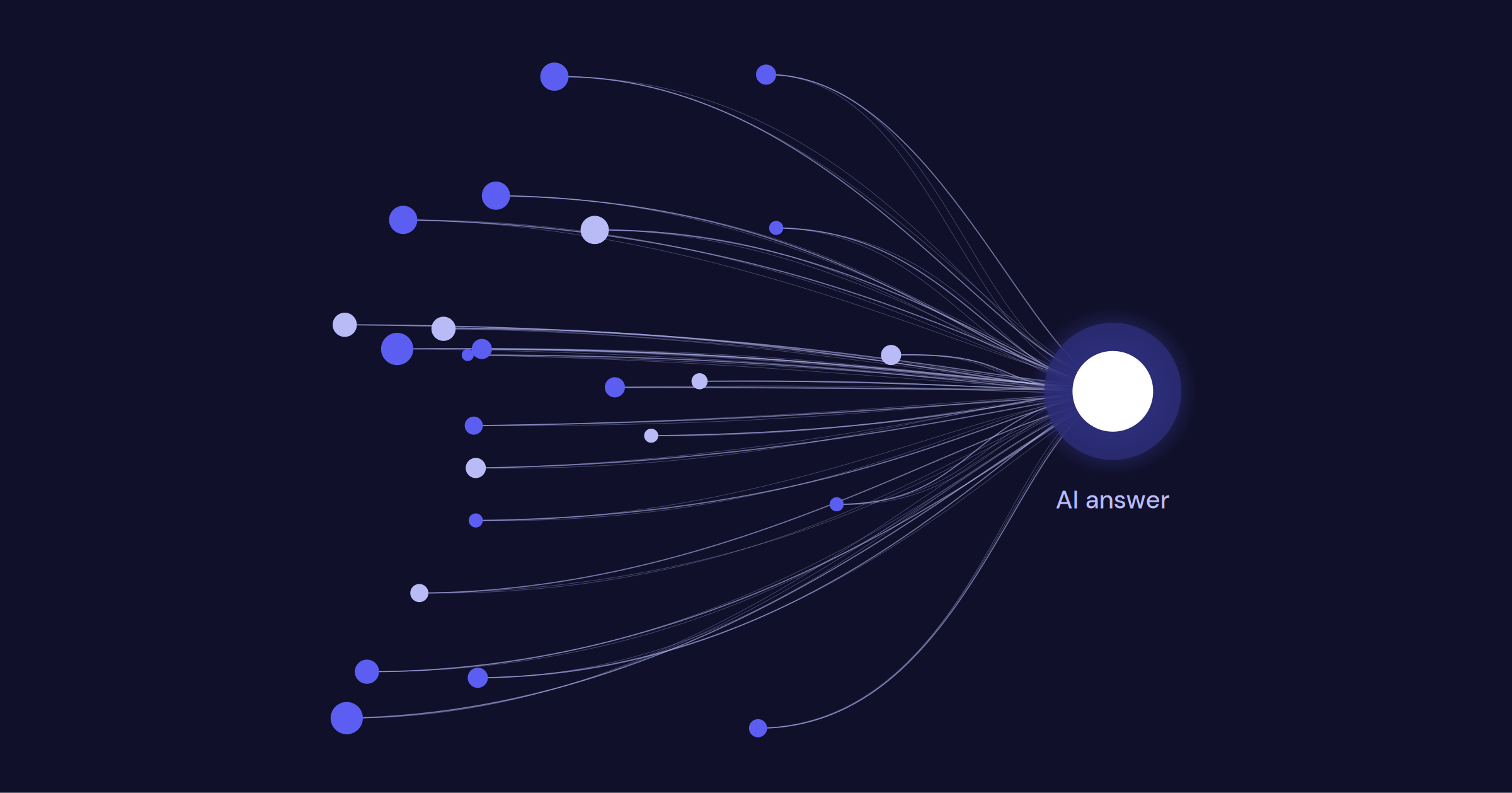

Every quarter, we dig into data from the Stacker network to better understand which stories earn the most attention from publishers and AI platforms.
For this quarter's edition, we looked at 1,063 stories that were published between July 1 and September 25, 2026. The Stacker Newswire generated more than 244,000 qualified pickups in that time period, a 78% year-over-year increase. Stories distributed over the Newswire also earned an estimated 28.5 million pageviews in the third quarter of 2026, a 114% year-over-year increase.
The data from Q3 showed that the brands who performed most consistently leaned into specificity over generalizations. Plus, the stories that were cited most often were not necessarily the ones that publishers picked up most. The strongest content strategies are built to earn both.
In this report, we'll walk you through the top stories in terms of pickups and AI citations, plus share some concrete lessons for content teams.
Four Big Takeaways
- Stories are working harder — Average pickups per story rose to 230, an 11% increase over Q2, meaning that stories are traveling further than before.
- Specificity wins — Continuing the trend from last quarter, health content outperformed. However, it was the highly specific stories in the Medical Care and Mental Health subcategories that did best, rather than the more general stories in the Wellness subcategory.
-
Headlines that mimic how people actually search outperform — Seven of the top 10 stories had headlines phrased as questions or "Here's X." These headline conventions promise readers a payoff if they click into the story, and they also mirror how people are likely to type in questions on AI platforms and in traditional search.
- Distribution builds AI visibility — Across the more than 700 stories enrolled in GEO tracking, AI search engines cited brands or their distributed content nearly three times as often after Stacker distribution as before. Stacker calls this impact Citation Lift, and Q3 stories saw a 189% lift.
Category Winners
The first part of our analysis looked at the categories that had the highest average pickups per story.
The category winners were:
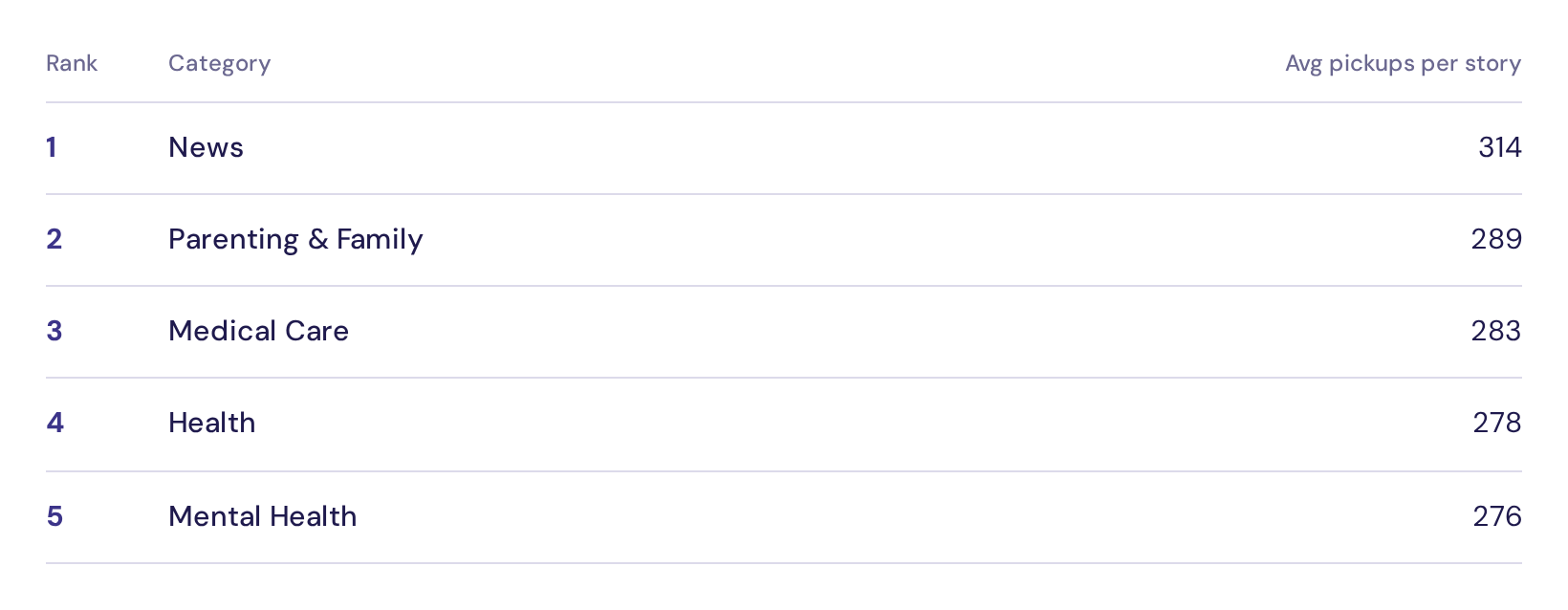 Medical Care and Mental Health are both subcategories of Health. Stories were categorized as "Health" when they covered everyday-health topics — things like sunscreen or sleep medications — that didn't fit neatly into one of the subcategories.
Interestingly, the categories with the highest average pickups weren't necessarily the ones AI cited the most. For example, the Autos & Transportation and Financial Protection categories had below-average pickups but earned the most AI citations. On the other hand, Parenting & Family was a top-five pickup-earner but saw only middling citations.
Some stories win on broad newsroom appeal. Others win with the specificity that AI platforms reward with citations. Geographic data helps with both.
We'll take a more in-depth look at the top stories from a GEO perspective later on in this report.
Q3's Biggest Movers
In the chart below, you'll see the categories that gained the most — and lost the most — in average pickups per story.
Parenting & Family had a breakout quarter, thanks to popular baby-name data stories and back-to-school season. Crime & Safety also outperformed in Q3 compared to Q2, helped in part by a ranking of America's safest big cities.
The network as a whole saw average pickups increase by nearly 11% over the previous quarter. Only a handful of categories — Medical Care, Careers & Education, Mental Health, Women’s Health, and Wellness — saw their average pickups soften in Q3.
However, it's important to note that health-related categories are operating from a higher baseline, as these topics continue to be very popular with our publishers and their readers. Eight of the top 10 articles from the third quarter fell into one of Stacker's health categories.
.png?width=1640&height=1574&name=qoq-category-pickups%20(1).png)
In short, seasonal stories and timely data can drive big results, but health stories remain the Stacker network's most reliable performers.
Q3's Top-Performing Articles
We also looked at the stories that earned the most publisher pickups across the Stacker network in Q3.
The table below shows the headline and category for each of the 10 top-performing stories.
The Main Takeaways
- Health content dominates the list — Eight of the top 10 stories were health-related. They leaned on medical research to answer common questions about specific conditions, medications, and concerns.
- Publishers are interested in stories about how Americans live — The other two top-performing stories were data studies covering population trends and moving.
- The top-performing headlines promised a payoff — Seven of the top 10 stories either led with a question or used "Here's X" framing.
What a Winning Headline Looked Like in Q3
In our Q2 report, we introduced what we call the "Golden Formula," a repeatable headline structure that clearly communicates the value of a story to readers.
It typically contains the following elements:

This story from Q3 was a strong example of the Golden Formula at work.
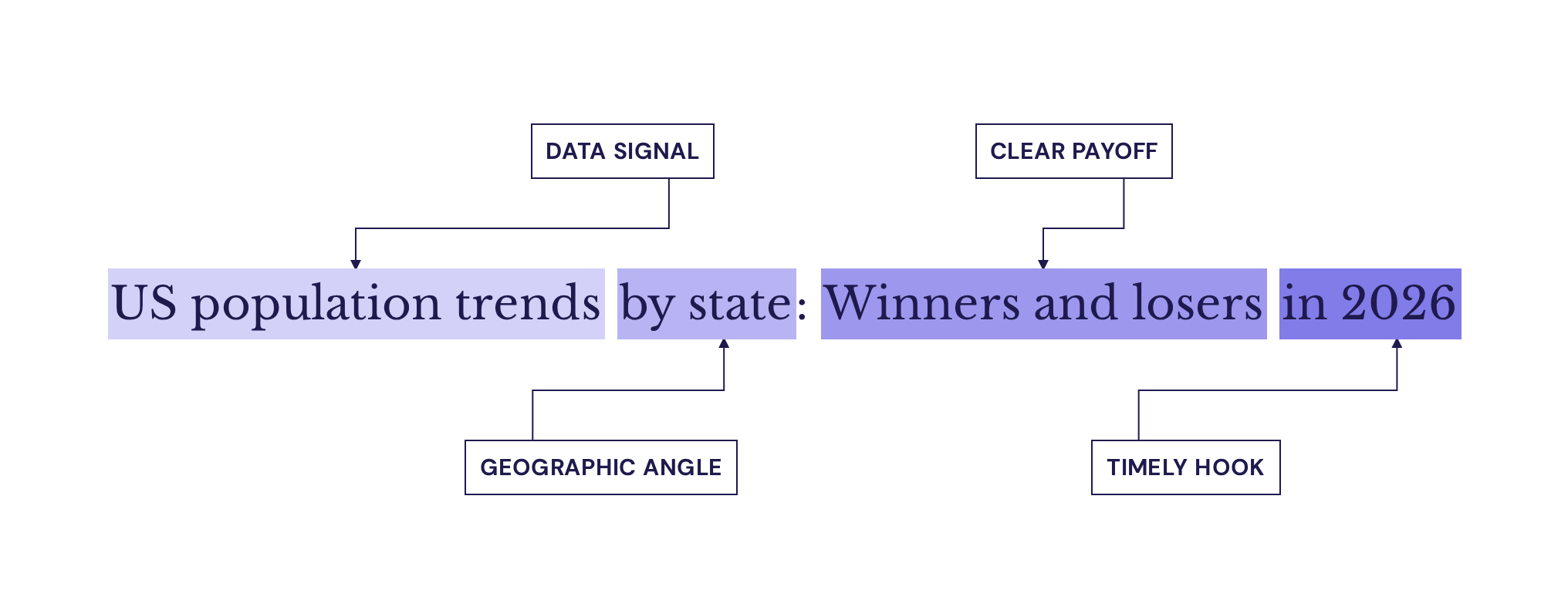
Not every headline will contain all four elements, but this quarter's top articles gave readers a clear idea of what they could expect from the content before they clicked in.
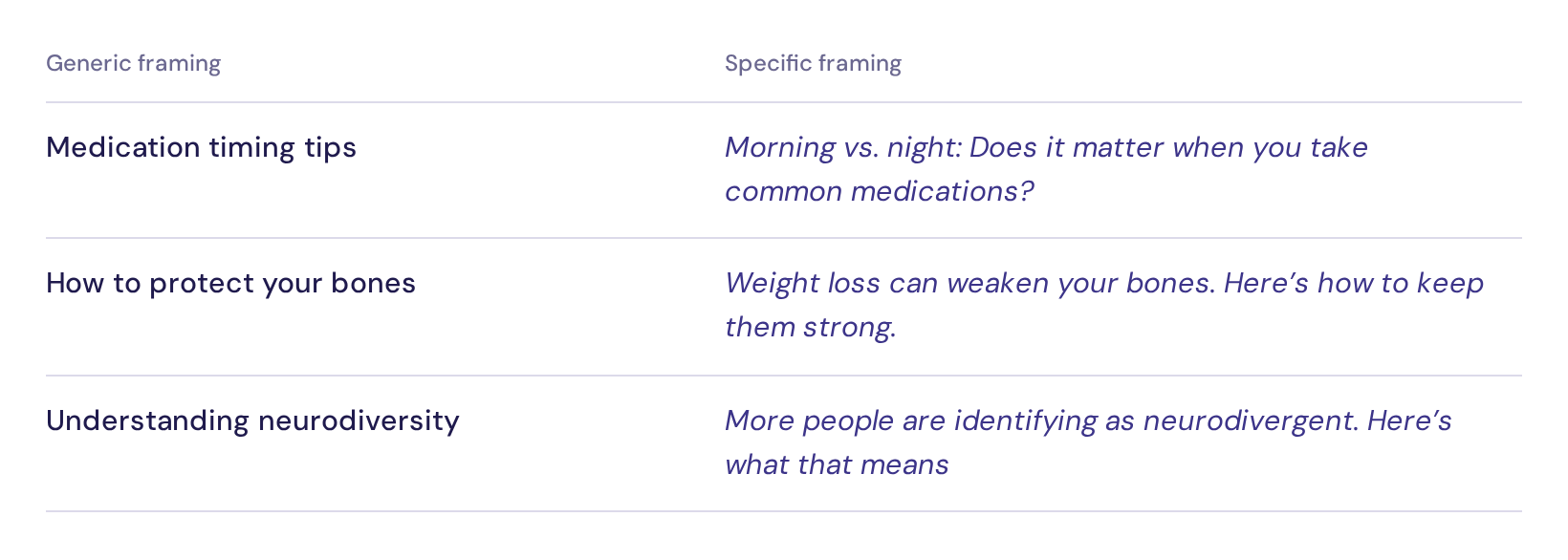
Here are some more Q3 examples of how a topic could have been framed more generally, paired with the more descriptive headline a content team chose instead.
GEO Winners
We also looked at the Q3 stories that were cited most often by AI platforms.
These were the Stacker-distributed stories that earned the most AI citations in Q3, according to our tracking with data partner Scrunch:
When we analyzed the stories that performed best from a GEO perspective, a few things stood out. The top performers covered:
- Niche product questions — Answering a question that few other sources address increases the likelihood that AI will cite your content.
- State-level data — When users ask AI platforms questions specific to where they live, LLMs look for data that can be broken down to a granular level. Your content can provide those answers.
- Original surveys — Proprietary survey data gives brands a unique angle on a topic and turns them into a source that AI engines are more likely to cite when covering it.
A Tip for Content Teams: Offer an answer or data analysis that doesn't exist anywhere else to give AI engines a reason to cite your content.
The Bottom Line
The Stacker Newswire continued to grow in Q3, with pickups up 78% and pageviews up 114% year over year.
Here are some ways content teams can apply this quarter's lessons to the quarters ahead:
- Get specific — Swap out generic content for pieces that address specific audiences, conditions, or questions.
- Frame your headlines around a question — Lead with a question that your target audience is already asking, and promise a resolution that's worth the click.
- Break data down by state or city — Geographically targeted articles won on both pickups and AI citations.
- Own an answer that no one else has — Original surveys and proprietary data give AI engines a reason to cite your brand and not someone else's.
The stories that won in Q3 earned the attention of publishers and AI platforms alike. With more than 244,000 pickups and a Citation Lift of 189% across all tracked stories, distribution via the Stacker network helps brands do both.

Madeline Stone is the Content Manager for Editorial & Insights at Stacker. She was previously a longtime business and tech journalist at Business Insider and a content and communications consultant for startups.