Joshua Royte / The Nature Conservancy via Reasons to Be Cheerful
1 / 3A river in crisis
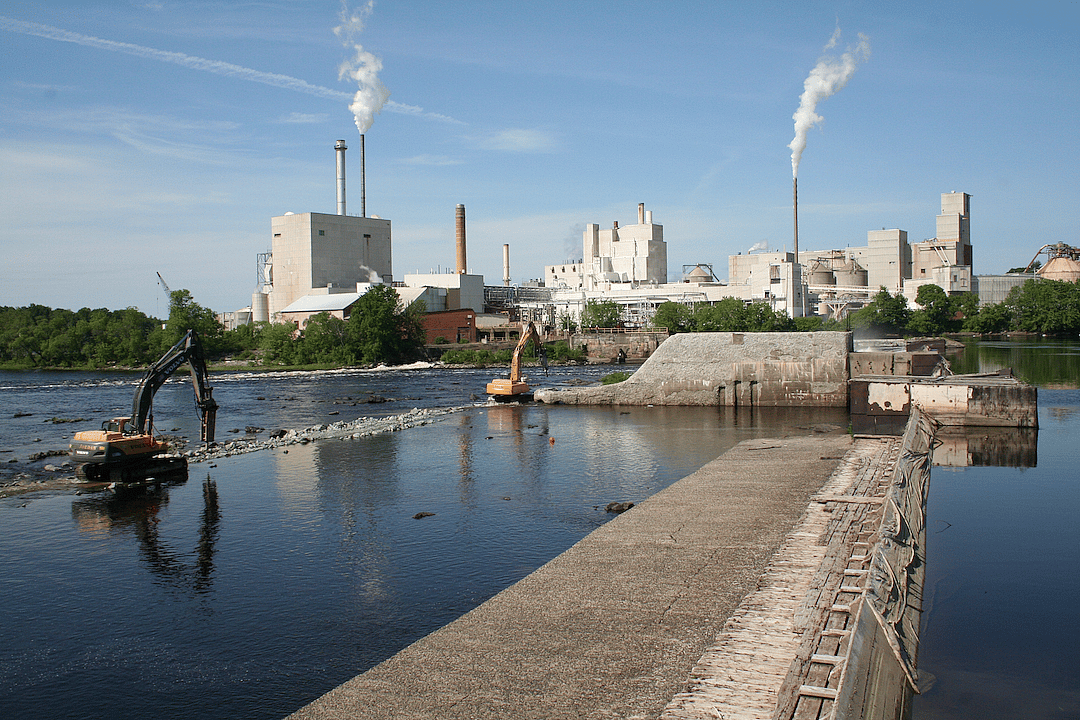
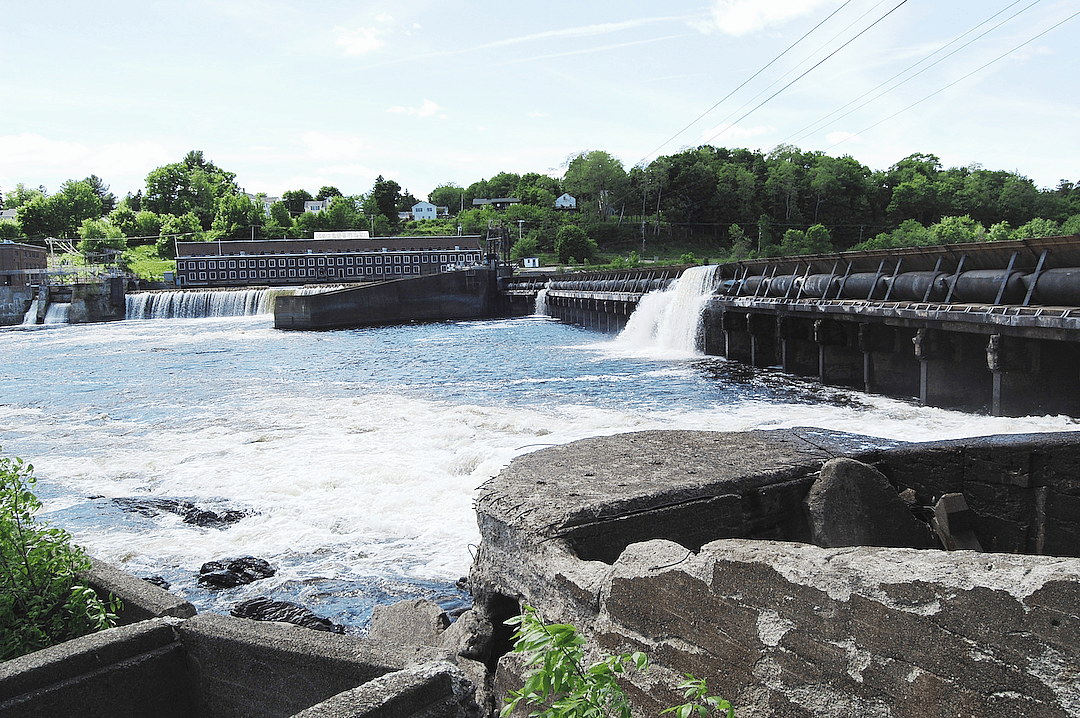
Photo: The Veazie Dam before removal.
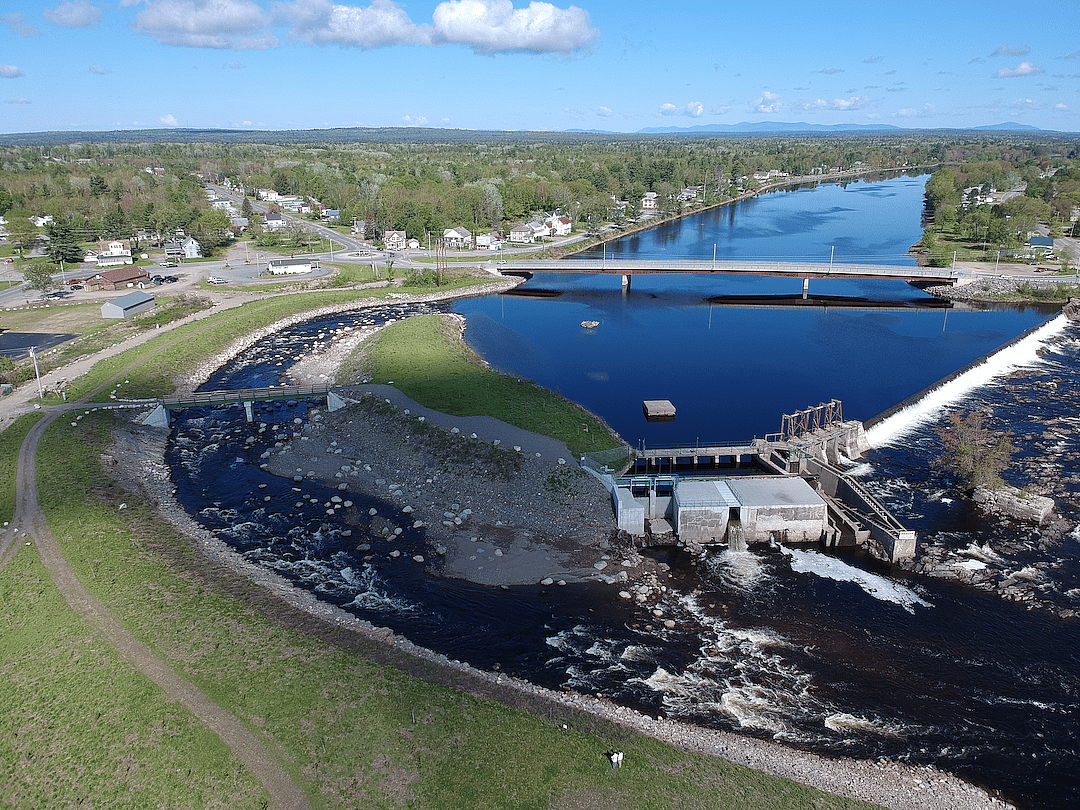
These were the stakes when the dams' licenses were up for renewal in 1998, and leaders of the Penobscot Nation saw an opportunity to make a significant change to the status quo. The tribe's plan was to purchase the dams — and then destroy them. So they joined with the Atlantic Salmon Federation to open a dialogue with the dam owner, a company called PPL Maine, to buy them. The cohort gathered more participants — American Rivers, the Natural Resources Council of Maine, and Trout Unlimited — and formed an alliance called the Penobscot River Restoration Trust.
The river was in crisis: In addition to the dwindling salmon population, only two alewives were counted at the Veazie Dam in 2010 (NOAA estimates historically the river had 14 to 20 million), arguably one of its most alarming health indicators yet. Alewives, a type of river herring native to the Penobscot, feed just about everything and everyone, from the bottom of the food chain up. With no alewives, there would be no otters or fishers or osprey or eagles.
"The impacts of a dam are especially local," says Laura Rose Day, executive director of the Penobscot River Restoration Trust. So while the Trust engaged in years-long negotiations with PPL, community outreach became an equally key component to the project's success. Rose Day, along with Cheryl Daigle, an outreach coordinator for the project, and Butch Phillips, who was tapped as an ambassador for the Penobscot people, set out on a lengthy effort to share the good news of the project with the community. Individually, they logged hours of knocking on doors, maintaining tables and booths at sports shows, hosting the Penobscot River Revival Festival and just persistently showing up for people who came to them with questions and concerns.
It wasn't always easy to find receptive minds. "In the broadest sense, change is an obstacle," Molly Payne Wynne, the project's monitoring coordinator and project associate, explains. "You're essentially coming into a community, and you're asking that the one thing that they see every day, or the one constant that they know — this structure in the river — you want to remove that and totally change the visual and what that means for them."
"The key to all of these projects is finding the right equation to meet public and business and Indigenous and other rights and interests and needs, based on the place," Rose Day reflects. Daigle says she often found herself translating the science of the project for people and also managing the varying perspectives of how a river should be: "Part of it is not being afraid to venture into that territory where there's conflicting views about use of a resource."
For his part, Phillips discovered that there was a dearth of knowledge community-wide when it came to the tribe's relationship to the river. "My ancestors have been on this river for literally thousands of years," he notes. "And that connection goes really deep because through those many, many generations, the people depended on the river and the surrounding land for their everyday living: Their food, their shelter, their weapons, their transportation, clothing, everything came from the river and the land."
Phillips felt it was crucial to add that perspective to the project. "I was talking about the connection of Penobscot to the river and the fish and all the creatures, and to many of those listening, it was the first time they heard it," he says.
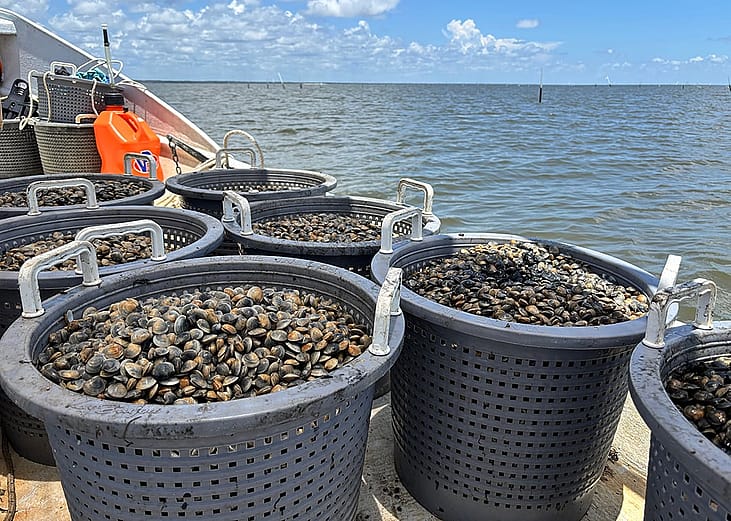
Daigle's experience reflected a similar revelation: that communicating the science was important but, perhaps, what mattered more were small moments of communion that involved the river itself. After the dams were purchased, as some of their impoundments were being let out, there was an effort to move the river's freshwater mussels to safety. For several weeks, Daigle, along with close to seventy volunteers, waded through the waters of Penobscot, moving the mollusks out of harm's way. "It was sort of this intimate act to move these mussels, and build a little sense of community around that," Daigle recalls.