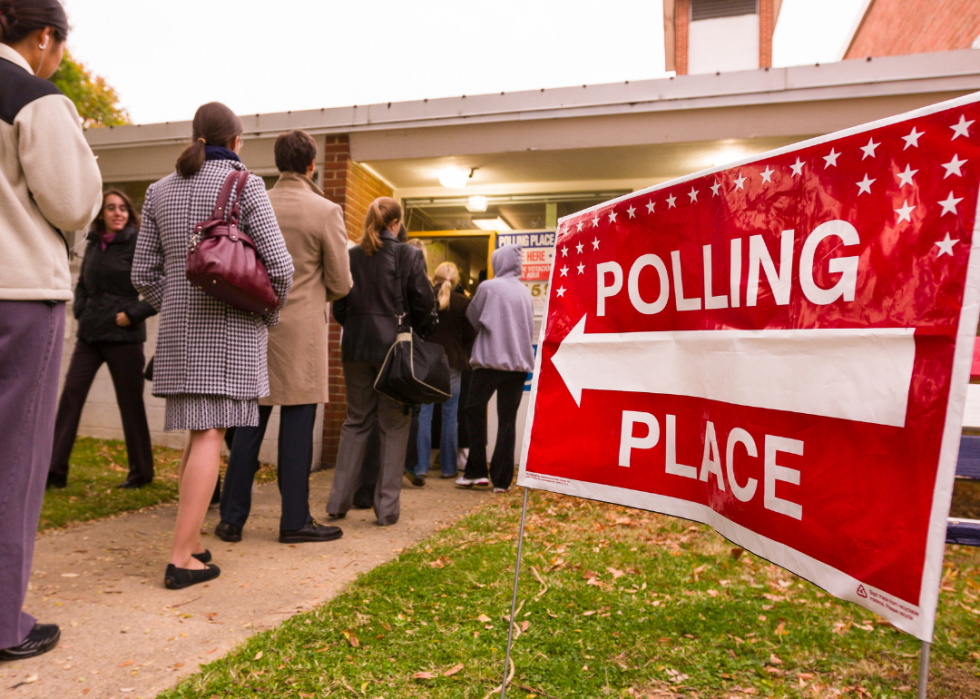
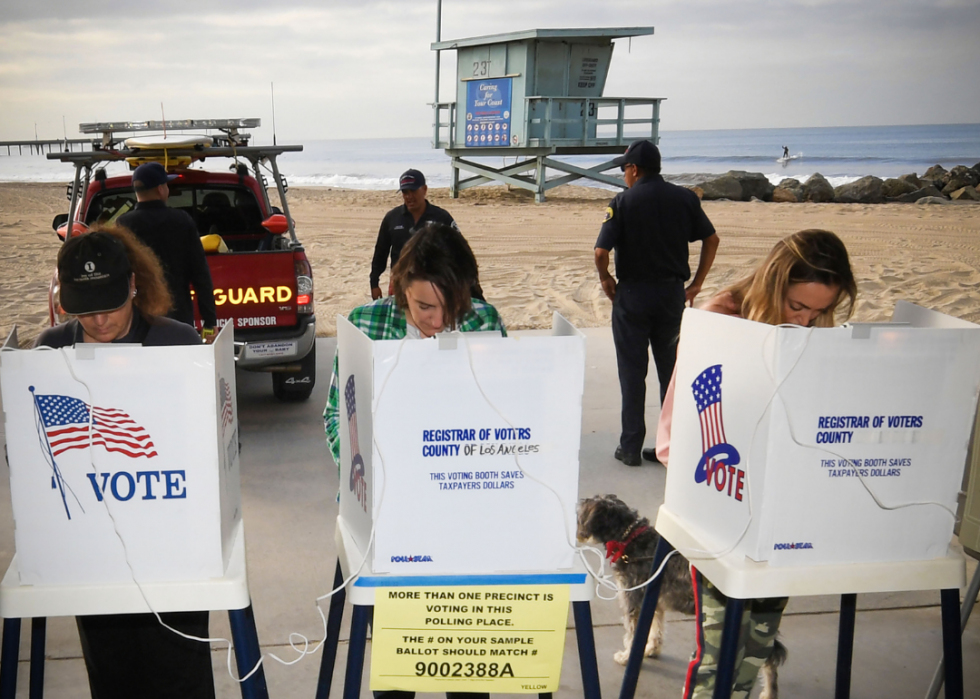
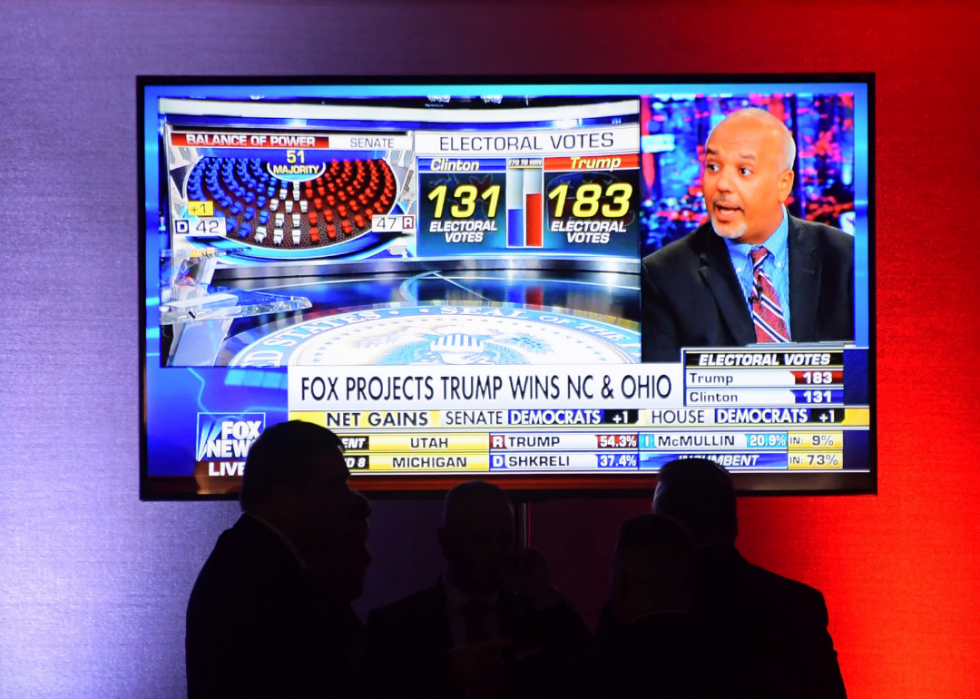
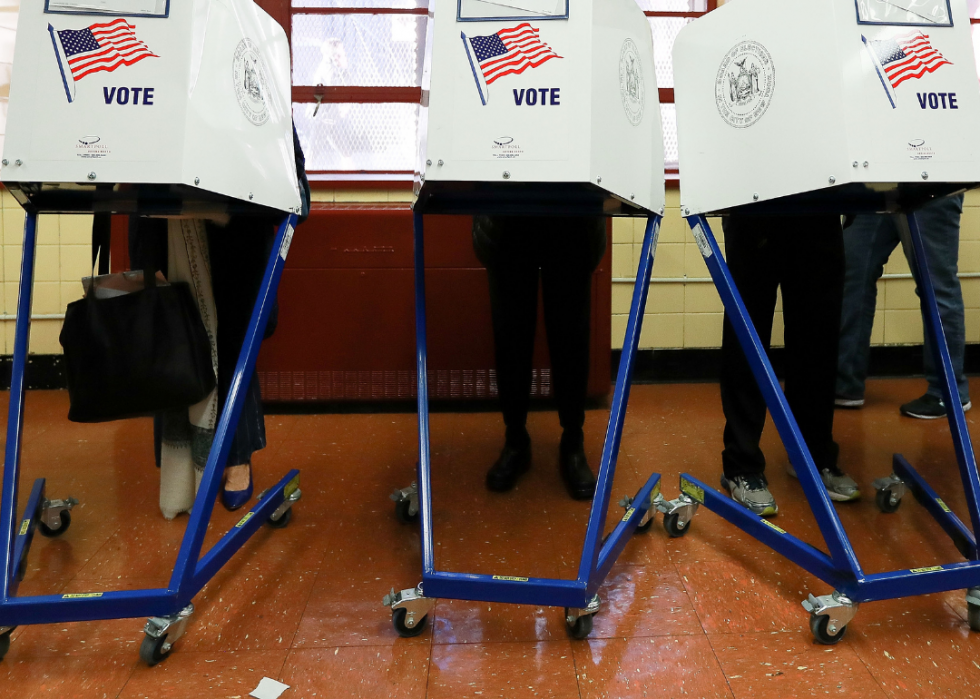
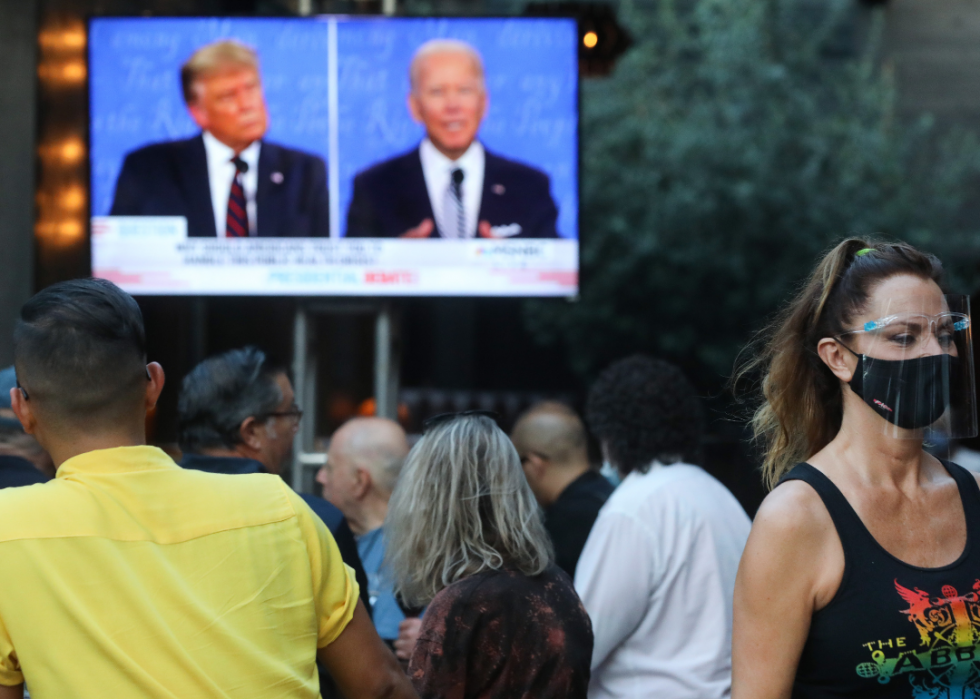
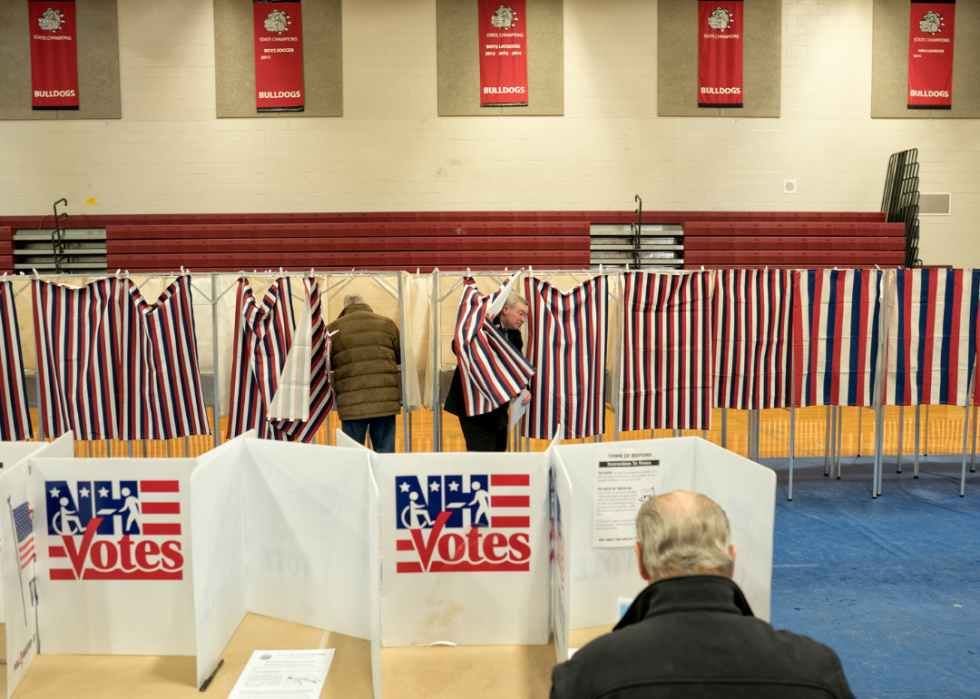
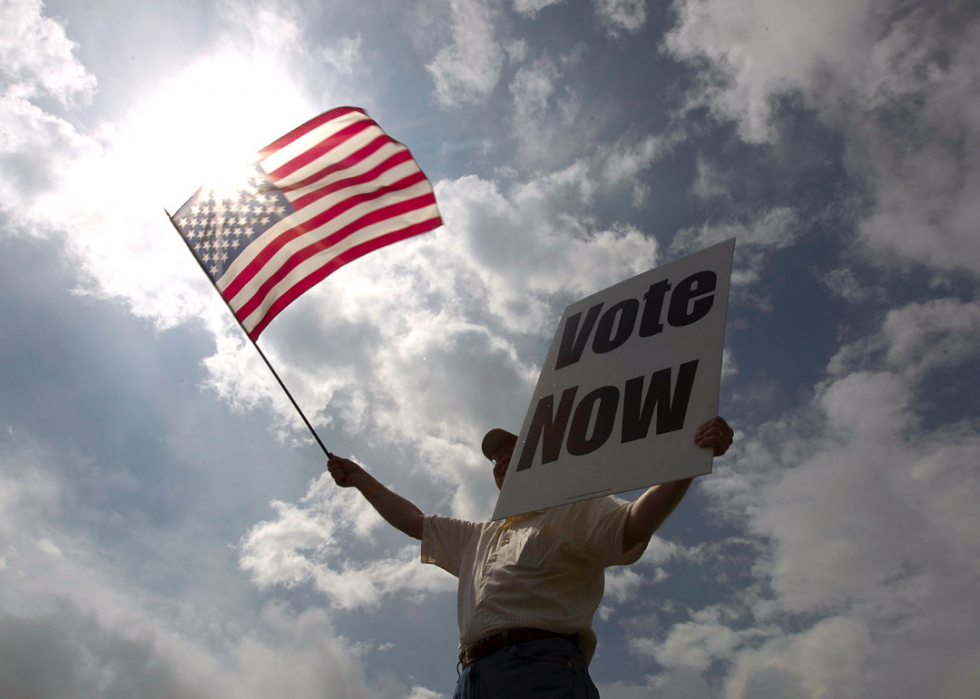
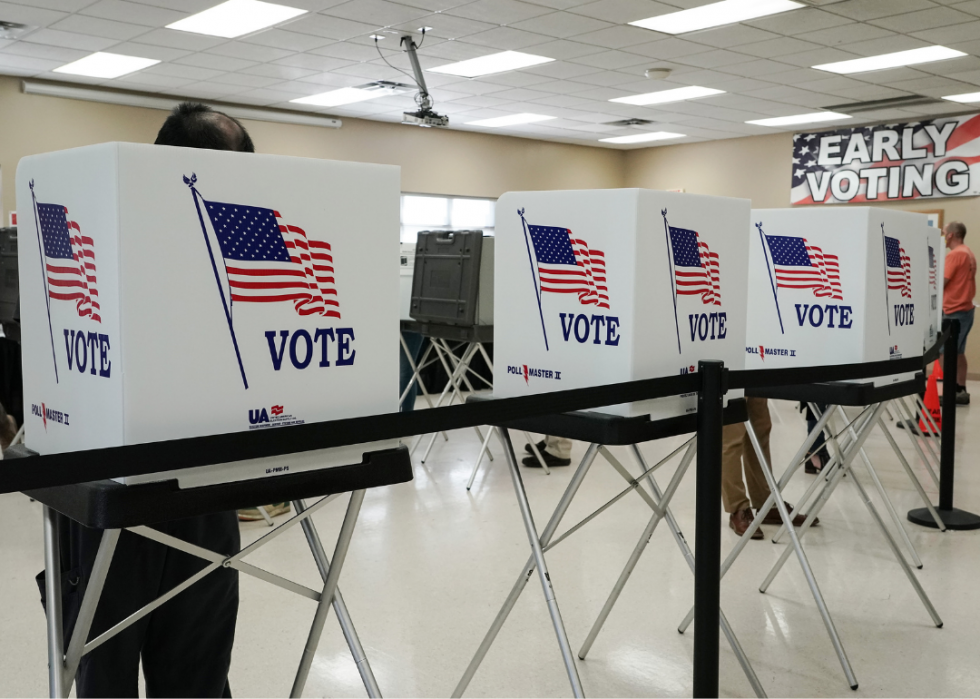
The 2020 presidential election is fast approaching, and it is sure to be a major event of the 21st century and in the history of the United States. However, did you know that when you cast your vote on Election Day, you're actually voting for the electors who will represent your state in the Electoral College?
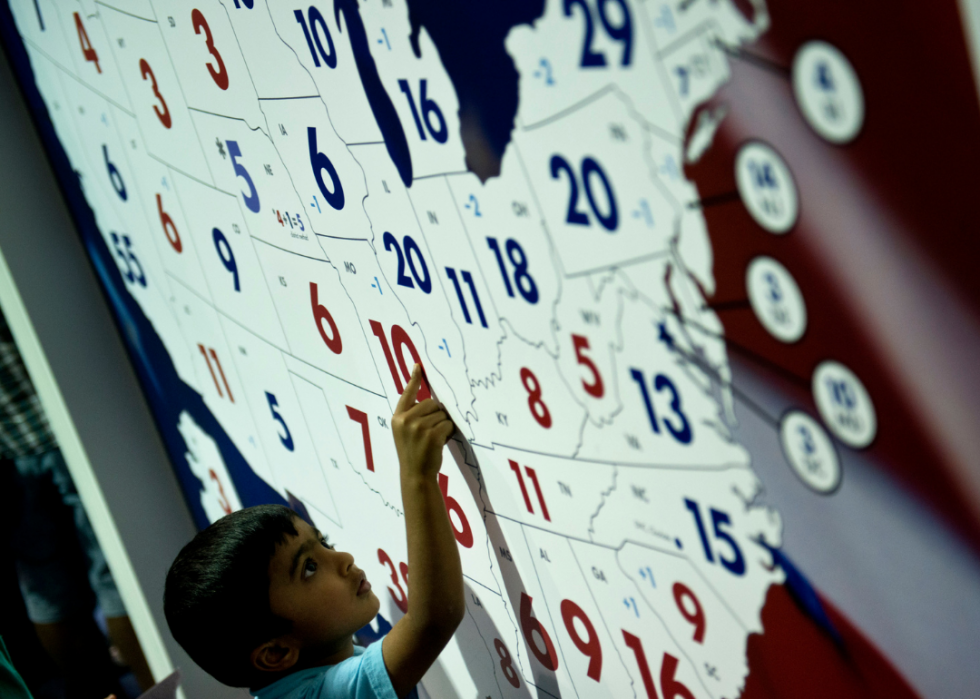
While voters contribute to the nation's popular vote, the Electoral College is where representatives from every state and the District of Columbia (but not American territories) cast their votes for president. To win, a presidential candidate must receive 270 electoral votes. In effect, a typical electoral vote represents over 600,000 American citizens!
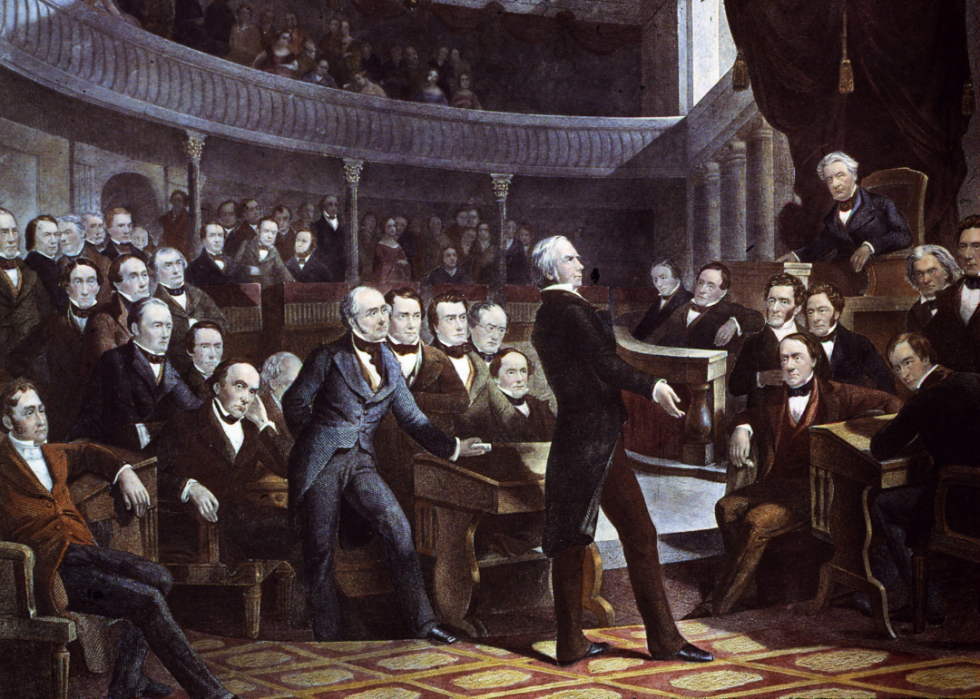
Established at the Founding Fathers' Constitutional Convention of 1787, the College was established with the aim of avoiding the overuse of partisan politics. It has survived three amendments, electors who went against their promised votes, and many attempts to abolish or change its makeup entirely.
For instance, did you know that it could have been abolished way back in the year 1968? While Republicans tend to be more in favor of the system than Democrats, many Americans also support utilizing the popular vote. Some states, as well as the District of Columbia, have even pledged to give their electoral votes to whoever wins the state's popular election.
Although electors are typically composed of those already connected to their state's politics (whether through a party or through donorship), it's important to be informed about how this specific branch of our democracy functions to produce the next president.
Stacker compiled 50 interesting facts about the Electoral College using a variety of different, thoroughly factual news, research, and government reports.
As you spend the next two weeks making a voting plan and checking in with friends and family about theirs, take a moment to learn about how this not-so-academic College influences our national politics, and how it could potentially change and evolve in the future.

GraphicaArtis // Getty Images
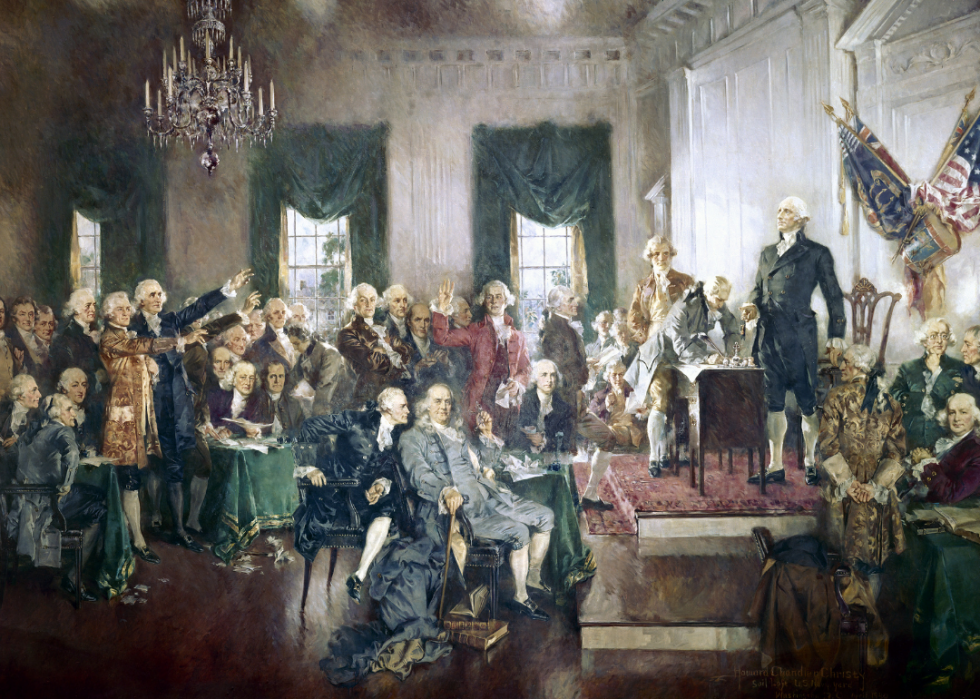
1 / 50The Electoral College system was created in 1787
It was established as part of the Constitutional Convention. Additionally, it was the work of the Founding Fathers, who were also obviously responsible for the Constitution.
Hulton Archive // Getty Images
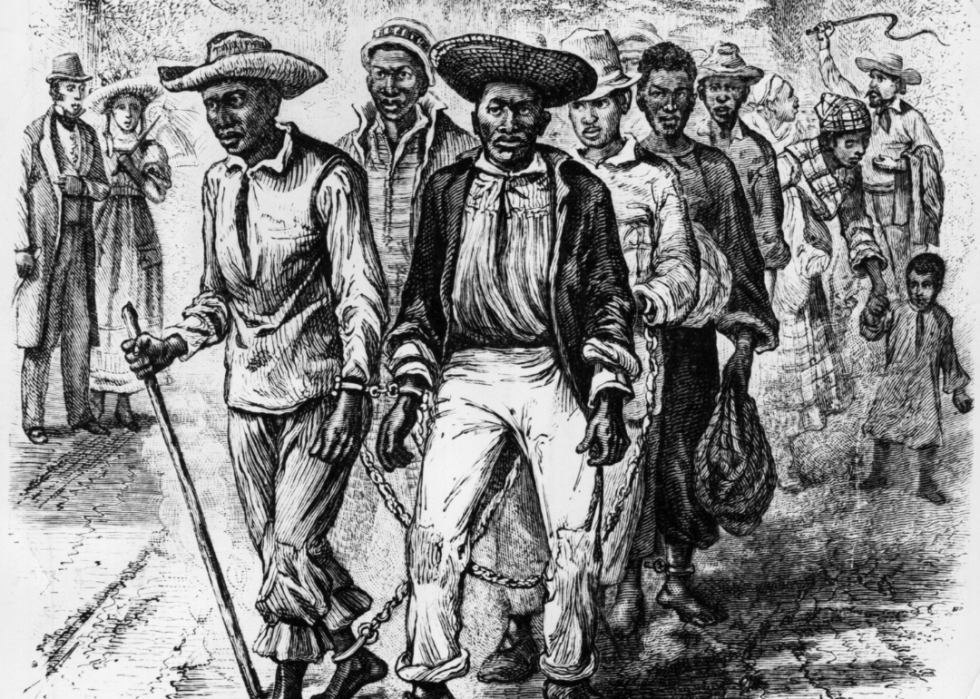
2 / 50Many Southern politicians supported its creation
This support largely originated out of fear. At the time, Southern politicians were worried that a direct popular vote would lessen the South’s influence, since a great deal of its population was non-voting enslaved people.
MPI // Getty Images
3 / 50At least four alternatives were proposed
Attendees of the Constitutional Convention had some other ideas for how to ultimately choose the president and vice president. They included election by Congress, election by state legislatures, election by state governors, and direct election by voters.
Bettmann // Getty Images
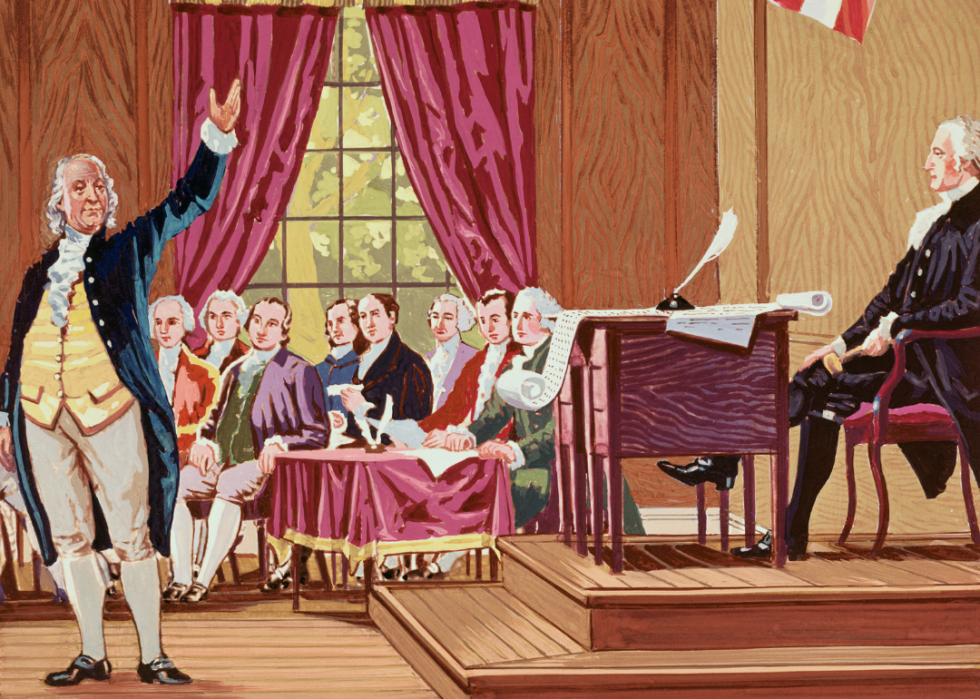
4 / 50The Electoral College was meant to discourage partisanship
In creating the system, the Founding Fathers aimed to ensure that partisan politics wouldn’t dominate our country’s electoral process. Instead, they hoped that electors would choose the best man running, regardless of party membership.
Culture Club // Getty Images
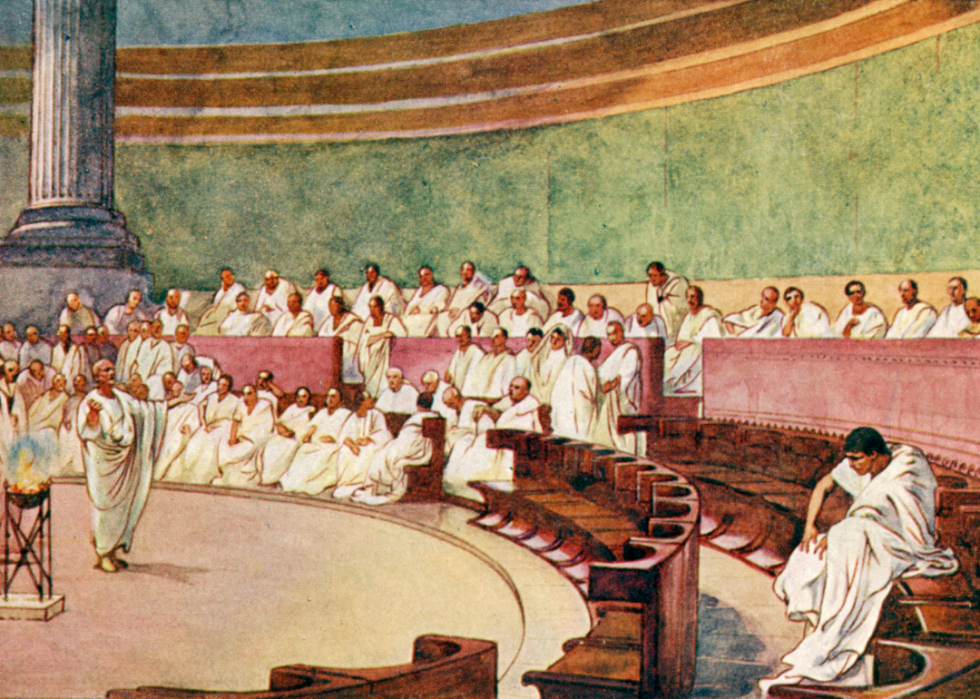
5 / 50The Holy Roman Empire used a similar system
MPI // Getty Images
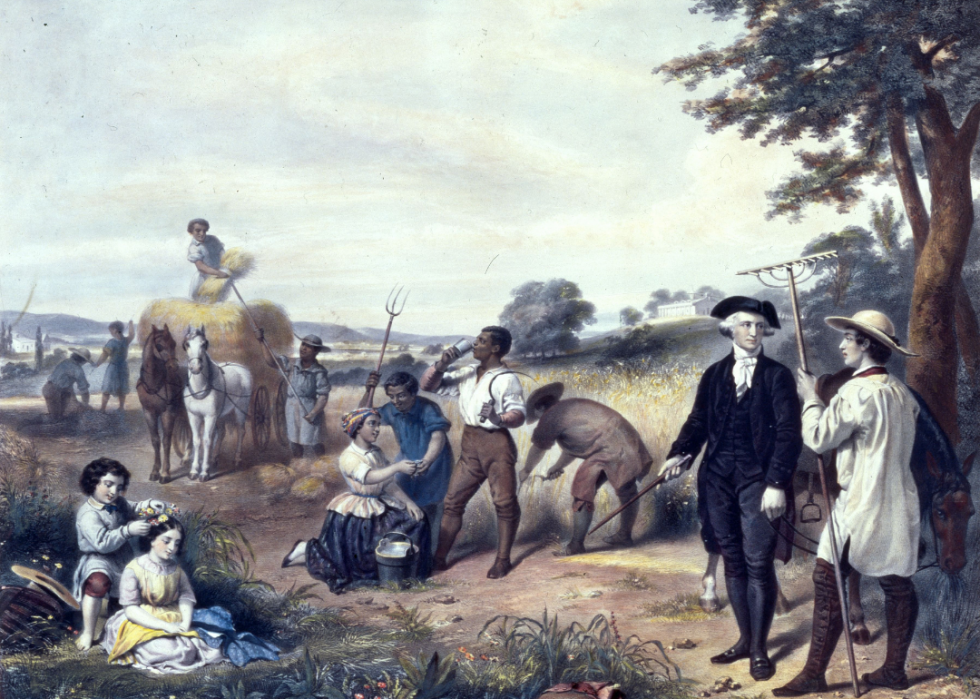
6 / 50Slavery is ultimately tied to the Electoral College
At the time, the process of allocating congresspeople (who are tied to the number of a state’s electors) was tied to the 3/5 Compromise, in which each enslaved person in a state counted as a fraction of a person when apportioning congressional seats. This gave Southern states with many enslaved people more power. But it did not give enslaved people the vote.
Epics // Getty Images
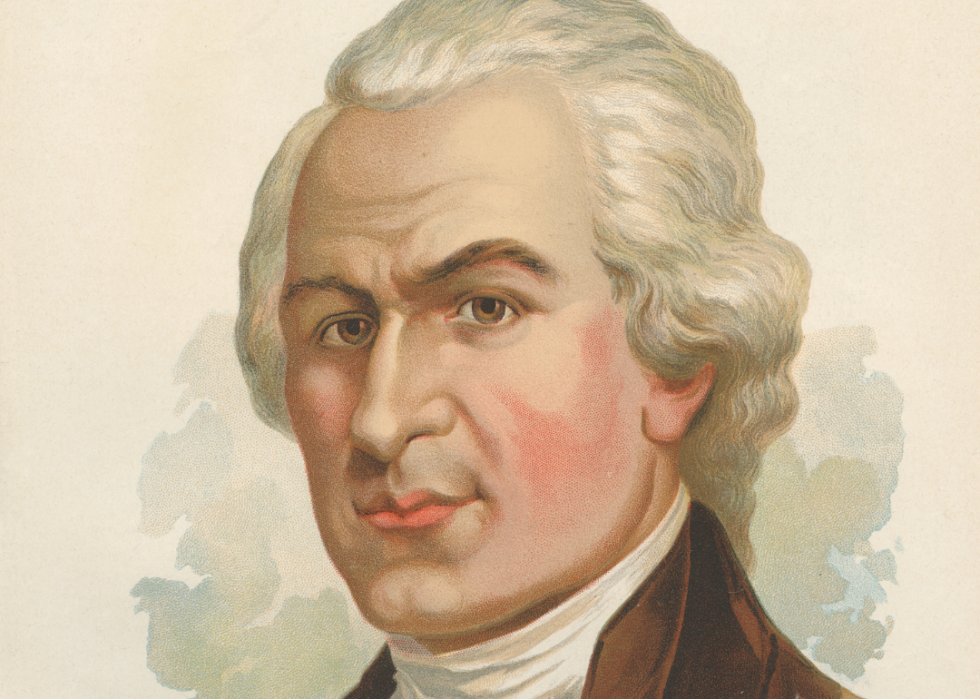
7 / 50Alexander Hamilton supported the Electoral College
Hamilton argued that while it might not be perfect, it was “at least excellent.” In the Federalist Papers, he wrote that the point of the College is to preserve “the sense of the people,” while also making sure that the president is chosen by “men most capable of analyzing the qualities adapted to the station.”
Bettmann // Getty Images
8 / 50Many proposals have called for its abolishment
Over 700 proposals to amend or abolish the system have been introduced since its inception. That means that more Constitutional amendment proposals have been introduced relating to the Electoral College than any other subject.
HENNY RAY ABRAMS/AFP // Getty Images
9 / 50Presidents need the Electoral College majority vote
A presidential candidate can only win if they receive 270 electoral votes. If they receive any less, they will not have secured the majority vote.
Rob Crandall // Shutterstock
10 / 50Voters don't vote directly for presidential candidates
Mark Makela // Getty Images
11 / 50It has been increasingly scrutinized in recent decades
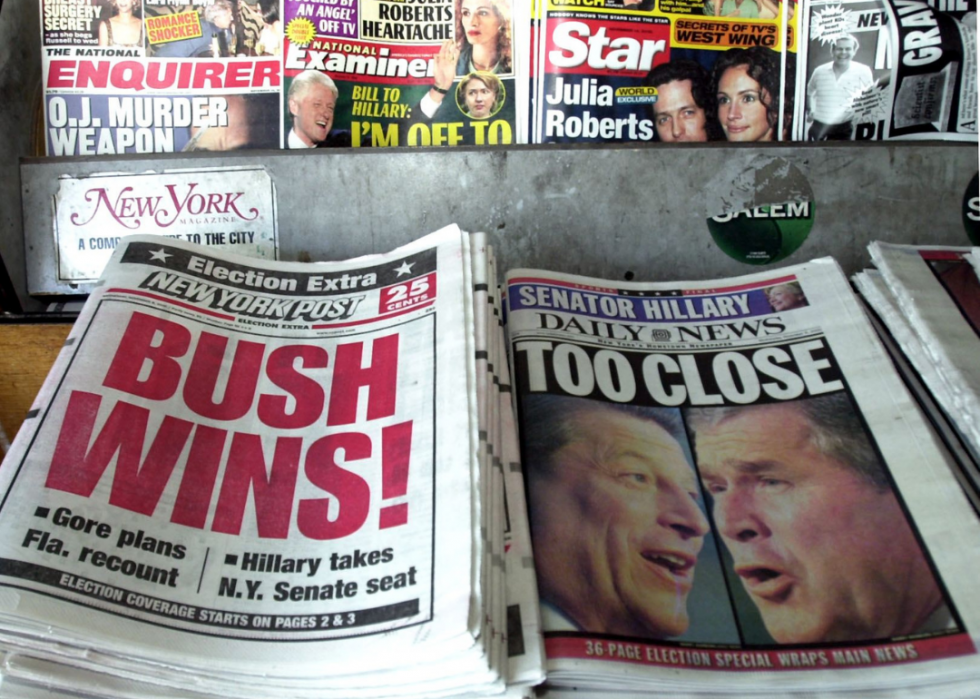
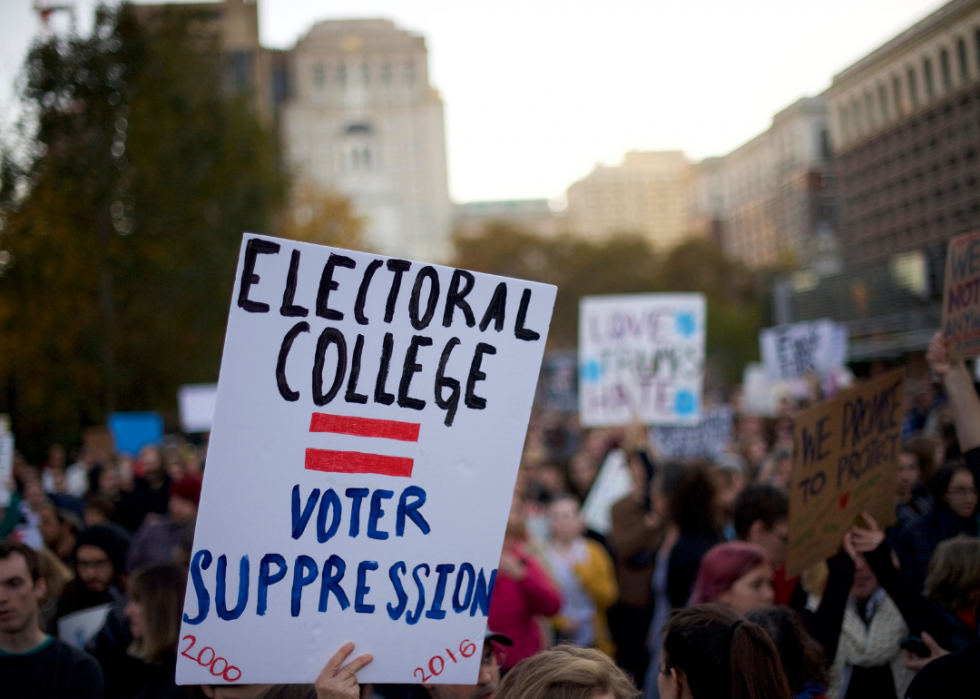
This is largely because of the controversial outcomes of the 2000 and 2016 presidential elections. In both, the winners of the presidency (George W. Bush and Donald Trump) won the electoral college vote, but lost the popular vote.
MARK RALSTON/AFP // Getty Images
12 / 50California has the most electoral votes
CHRIS SCHNEIDER/AFP // Getty Images
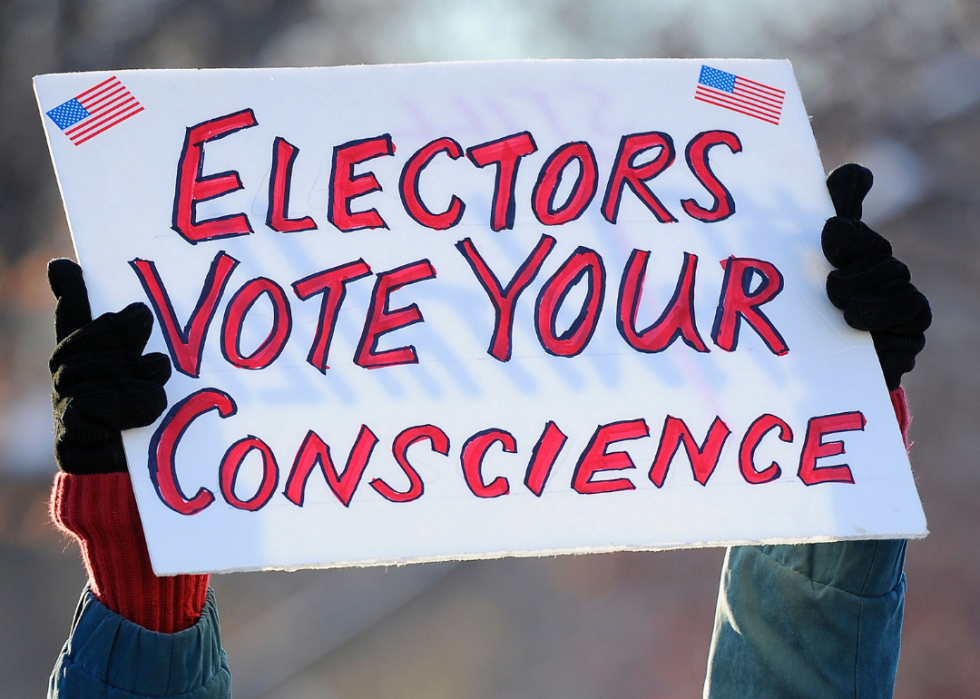
13 / 50There have been 167 cases of "faithless electors"
A “faithless elector” is someone who votes for someone other than their political party’s candidate. For instance, in the 1796 election, Federalist elector Samuel Miles voted for Democratic-Republican candidate Thomas Jefferson.
karanik yimpat // Shutterstock
14 / 50Faithless electors can be punished
CrackerClips Stock Media // Shutterstock
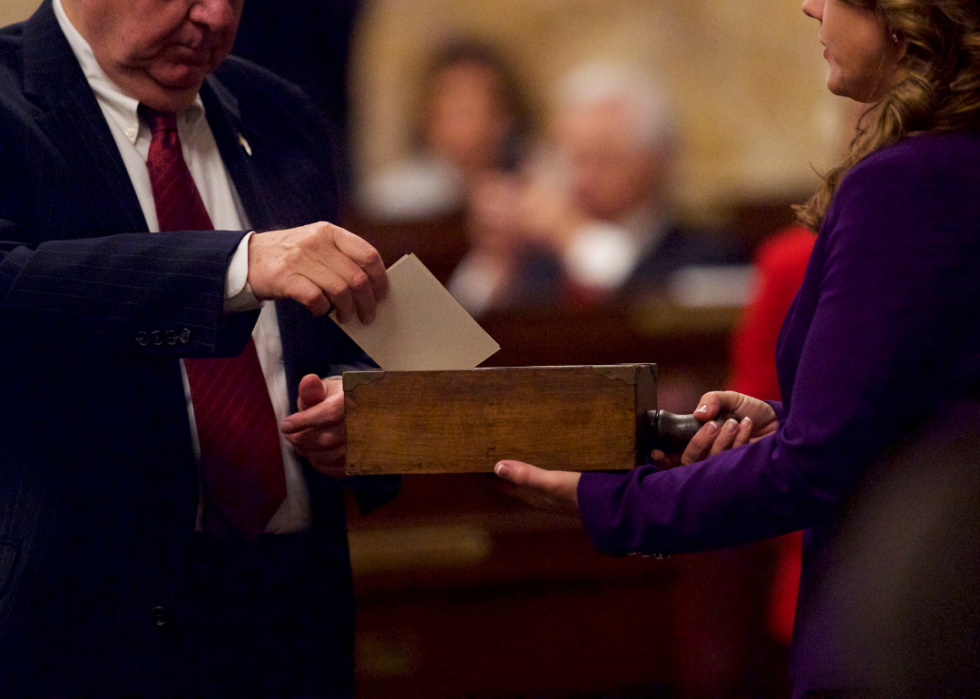
15 / 50Electors can't gather in one location
Matthew Brady/Buyenlarge // Getty Images
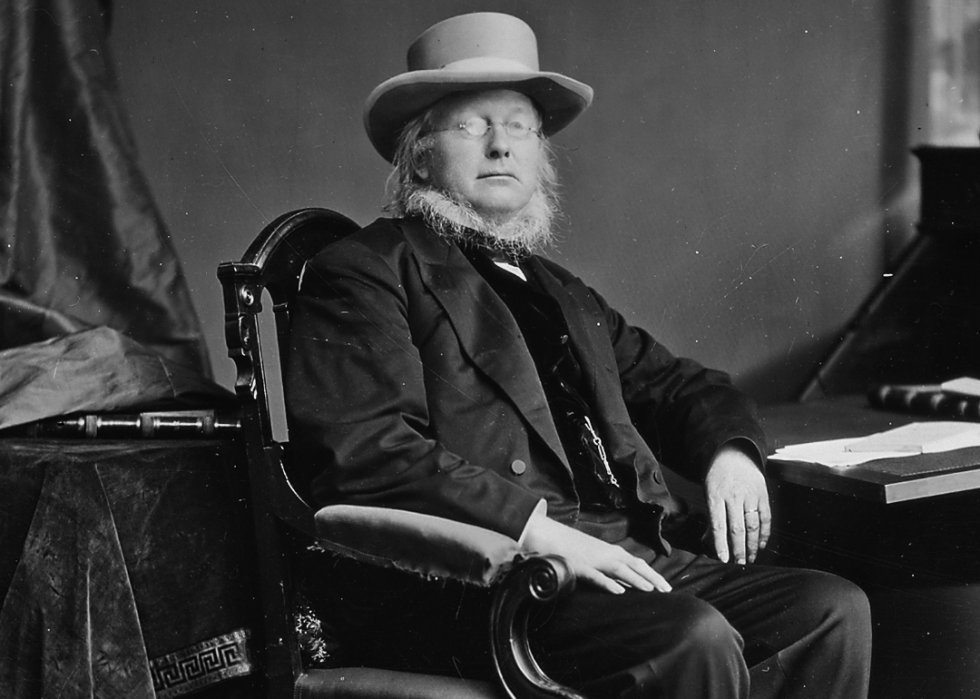
16 / 50Electors have voted for a dead man
In 1872, Democratic candidate Horace Greeley died after Election Day, but before the Electoral College voted. Three votes were cast for Greeley, but Congress did not count them.
Bettmann // Getty Images
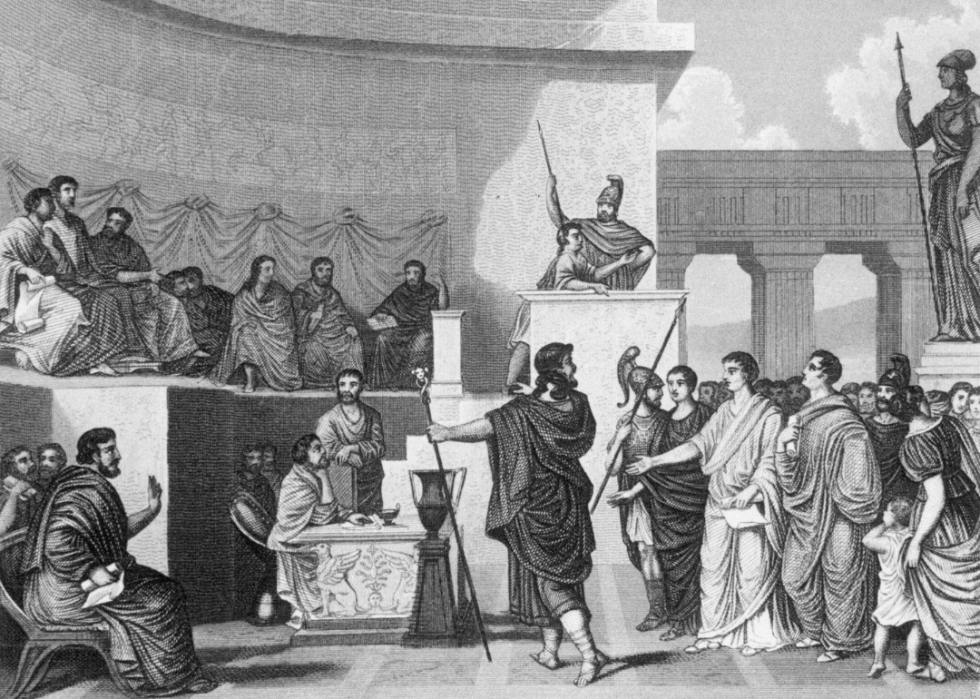
17 / 50The Holy Roman Empire used a similar system
Holy Roman Empire leaders were elected by a college of electors from different states. This practice continued from the 12th century to the 18th century.
Bill Greenblatt // Getty Images
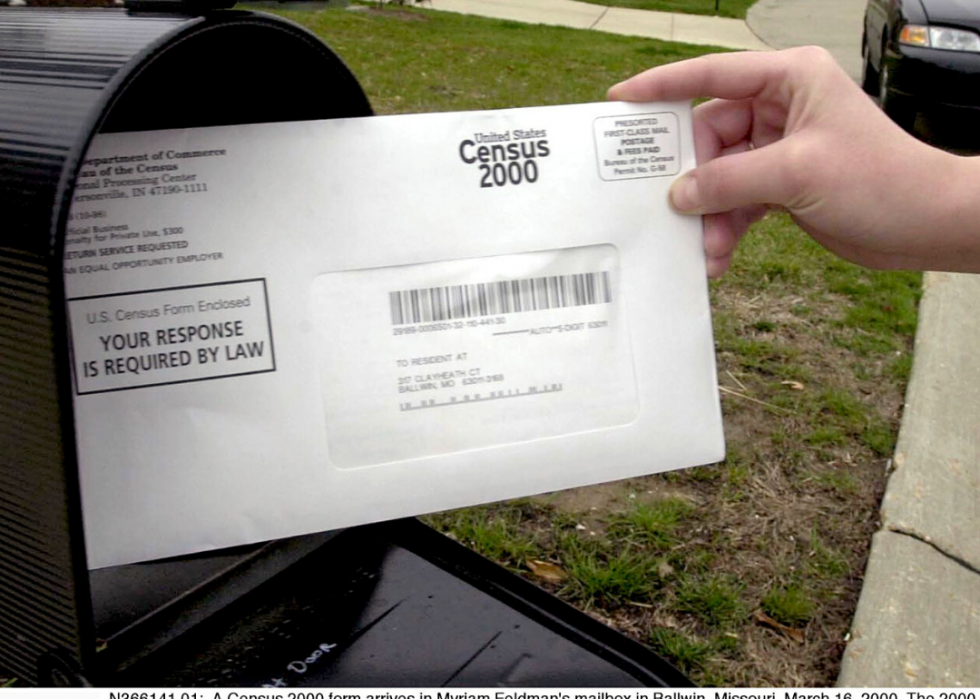
18 / 50Electoral votes are allocated according to the Census
BRENDAN SMIALOWSKI/AFP // Getty Images
19 / 50Three is the lowest number of electoral votes
The seven least populous states—Alaska, Delaware, Montana, North Dakota, South Dakota, Vermont, and Wyoming—each have three electors. The District of Columbia is also allocated three electors.
BAY ISMOYO/AFP // Getty Images
20 / 50The electoral college votes on a set date
There is a brief time gap between the general election and the Electoral College vote. The electors meet on the first Monday after the second Wednesday in December following the general election.
Chip Somodevilla // Getty Images
21 / 50Ties mean that the House of Representatives intervenes
Portland Press Herald // Getty Images
22 / 50More Americans support the popular vote
In a June 2018 PRRI/Atlantic survey, 65% of Americans surveyed said that they support electing the president by popular vote. In contrast, 32% said that they preferred the Electoral College.
Robert Alexander // Getty Images
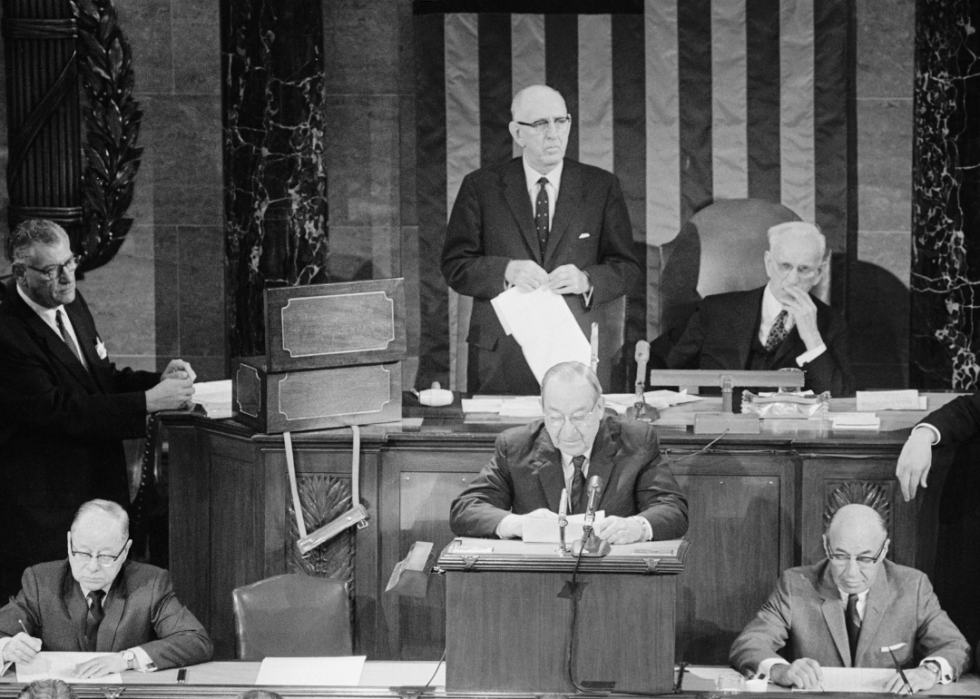
23 / 50The Electoral College could have been abolished in 1969
In that year, a proposal to replace the Electoral College with a popular vote system passed the House. However, it was ultimately filibustered in the Senate.
Robert Daemmrich Photography Inc // Getty Images
24 / 50The Electoral College has been changed three times
Justin Sullivan // Getty Images
25 / 50Voters in non-state territories get no electoral votes
Voters in non-state territories like Puerto Rico aren't allocated any electors. However, citizens of these territories can take part in presidential primaries.
vesperstock // Shutterstock
26 / 50Most states have a winner-takes-all electoral vote system
This means that the winner of the popular vote receives all of the state’s electoral votes. When the election ends, the governor declares the winning candidate and which electors will represent the state.
Andrey_Popov // Shutterstock
27 / 50The 12th Amendment was passed after a tie election
This law was introduced after the tie election of 1800. The Amendment ultimately made it so that electors vote for a president and vice president, instead of for two presidential candidates.
Rob Carr // Getty Images
28 / 50The 20th Amendment changed term limits
Before the 20th Amendment was passed, the president and vice president’s terms ended on March 4. However, this law made it so that their terms now end on January 20.
Orhan Cam // Shutterstock
29 / 50The 23rd Amendment gave D.C. electors
Through this amendment, the District of Columbia was granted electoral votes. Currently, the District has three electors.
Mark Makela // Getty Images
30 / 50The date of the vote count has changed
SeventyFour // Shutterstock
31 / 50There are exceptions to the “winner-take-all” system
JIM WATSON/AFP // Getty Images
32 / 50Popular vote winners don't always become president
There have been five instances in which the winner of the popular vote has not become president. Instead, the electoral college winner came away victorious. These cases include the 1824 election, the 1876 election, the 1888 election, the 2000 election, and the 2016 election.
MPI // Getty Images
33 / 50Originally, Congress could have chosen the president
The original debate at the Constitutional Convention focused on whether or not Congress should choose the president, not whether the popular vote or Electoral College should determine the outcome. The convention ultimately voted that Congress should elect the president at the time.
Michael Reaves // Getty Images
34 / 50The College wasn’t designed to protect states’ rights
It’s a common misconception that the Electoral College was designed with the protection of federalism and states’ rights in mind. However, while the College allows state legislatures to decide how electors are chosen, it wasn’t designed to protect the influence of state governments.
Mark Makela // Getty Images
35 / 50YAN MCBRIDE/AFP// Getty Images
36 / 50Electoral College ties are unlikely, but not impossible
Because of the winner-takes-all system in place in most states, it’s unlikely that a presidential election tie will occur. However, this happened in 1800, when two candidates received exactly 73 electoral votes.
Billie Weiss/Boston Red Sox // Getty Images
37 / 50One electoral vote represents about 607,000 people
Mario Tama // Getty Images
38 / 50The Electoral College has created battleground states
This means that candidates target certain states with more votes up for grabs, in hopes of increasing their electoral chances. Key 2020 battleground states include Florida, Iowa, Ohio, and Georgia.
Peter Turnley // Getty Images
39 / 50It has elected candidates with a plurality
Some presidents actually received a plurality of the popular vote (or less than 50 percent). Cases of this include Abraham Lincoln in 1860, John F. Kennedy in 1960, and Bill Clinton in 1992 and 1996.
Steven Frame // Shutterstock
40 / 50States can require electors to abide by candidates
In July 2020, the Supreme Court unanimously ruled that states can require electors to stand by their promise to support a specific candidate. Electors who violate their pledges in these states can be removed or punished.
Ethan Miller // Getty Images
41 / 50Many electors aren't allowed to change their votes
Even before the recent Supreme Court decision, 32 states and the District of Columbia already had laws requiring electors to vote as promised. Other states replace electors and cancel their votes.
The Washington Post // Getty Images
42 / 50There were seven faithless electors in 2016
Five of them were Democrats, and two were Republicans. This number constituted the most “faithless electors” in history, with electors voting for candidates like Bernie Sanders, Ron Paul, and Colin Powell on the ballot.
Jillian Cain Photography // Shutterstock
43 / 50Some states penalize faithless electors
EDUARDO MUNOZ ALVAREZ // Getty Images
44 / 50It’s not a college in the educational sense
Instead, the “college” in Electoral College refers to a collegium (group of colleagues). Overall, “college” in this context designates a group of people who are associated with a common pursuit.
Paul Zimmerman // Getty Images for Turner
45 / 50Choosing electors can be an "insider's game"
Electors are often already heavily involved in state politics. According to University of Baltimore professor Kimberly Wehle, electors tend to be party leaders, state legislators, or donors.
George Frey // Getty Images
46 / 50Democrats like it less than Republicans
According to Gallup, although 61% of Americans support abolishing the Electoral College, this support is largely divided among political parties. This support comes from 23% of Republicans, but 89% of Democrats.
Mark Wilson // Getty Images
47 / 50The College could be changed through a constitutional amendment
This requires two-thirds approval from the House and the Senate. It then requires ratification by a constitutional convention called by two-thirds of the state legislatures, or the states themselves.
Brandon Bourdages // Shutterstock
48 / 50It could go to the Supreme Court
University of Baltimore Professor Kimberly Wehle said that an election case could go to the Supreme Court. “It only takes five people with life tenure to actually amend this Constitution through a judicial opinion,” she noted.
Win McNamee // Getty Images
49 / 50Some want to reduce its importance without amendments
The District of Columbia and 15 states, which control 196 electoral votes, signed onto an interstate compact. This means that they pledge to grant their votes to the winner of the national popular vote.
J. Countess // Getty Images
50 / 50Republicans benefit from the College
A big reason why Republicans overwhelmingly support the Electoral College is that the party benefits from many rural states' electoral numbers. States like Tennessee, Louisiana, and Kentucky are solid Republican states.