The insurance mistake 1 in 5 delivery drivers are making this year
The insurance mistake 1 in 5 delivery drivers are making this year
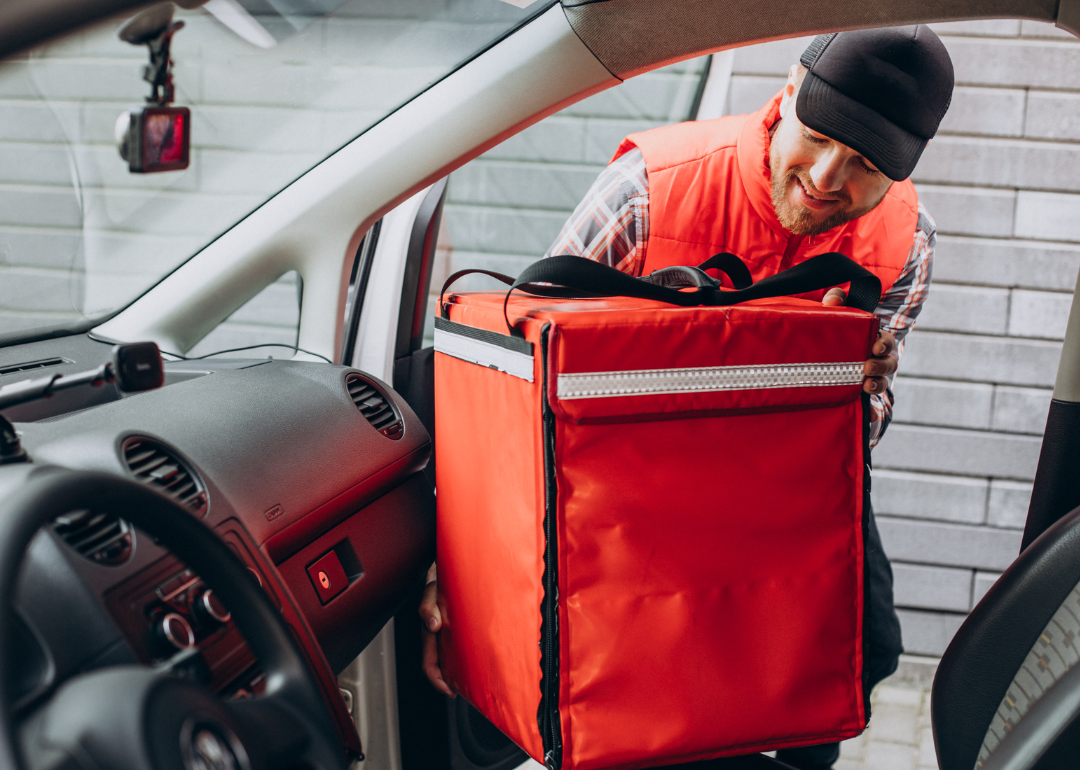
The rapid expansion of the gig economy has transformed how goods move across the country. Millions of individuals now use their vehicles for profit, serving as a vital link in the modern supply chain. However, a significant portion of this workforce is operating under a dangerous misconception regarding their financial protection. Recent data suggests that approximately 1 in 5 delivery drivers are making a critical auto insurance mistake: relying solely on a personal car insurance policy while performing commercial work.
This oversight is not merely a technicality. Cheap Insurance helps explain this fundamental breach of contract that can lead to denied claims, cancelled car insurance policies, and personal financial ruin.
The Myth of Universal Protection
Most motorists assume that as long as they pay their premiums, any accident is covered by their auto insurance. This is incorrect. Personal car insurance is priced based on predictable, low-risk activities like commuting to a single office or running errands. When a vehicle is used for delivery, the risk profile changes instantly due to time pressure, frequent stops, and heavy interaction with navigation apps.
According to Federal Reserve Board research on gig work participation, millions of adults now engage in these flexible earning models, but few have evaluated how this shift impacts their liability. Because of these factors, standard auto insurance policies explicitly exclude business use or hire and reward activities.
The Three Phases of Delivery Risk
Understanding where the gap exists requires looking at how car insurance companies view a delivery shift. Most app-based platforms provide some level of contingent liability, but the protection is often inconsistent. As noted in the National Association of Insurance Commissioners guide on sharing economy risks, the transition between personal and commercial use creates a "gray area" where coverage may not exist at all.
- Phase One: The app is open, but no delivery is accepted. Most platform-provided auto insurance does not apply here. If an accident occurs while waiting for a request, a personal car insurance provider may deny the claim because the driver was available for hire.
- Phase Two: A delivery is accepted, and the driver is en route to the pickup. This is a high-risk window where auto insurance coverage varies wildly depending on the specific platform and state regulations.
- Phase Three: The goods are in the vehicle. While platforms often provide the highest level of liability car insurance here, they rarely cover the driver's own vehicle repairs unless the driver carries specific endorsements.
Consequences of Policy Invalidation
If a car insurance provider discovers a vehicle was being used for delivery without a proper rider, the results are often catastrophic. The auto insurance company can void the policy entirely. This means they will not pay for medical bills or car repairs. Furthermore, if the driver is at fault for hitting a luxury vehicle or causing an injury, they are personally liable for every cent of the damages. In states with high litigation rates, this can lead to a lifetime of wage garnishment because the underlying car insurance failed to trigger.
Bridging the Gap Across the Nation
Avoiding this 1-in-5 statistic requires a proactive approach to risk management. Whether driving in California, Texas, or New York, there are specific steps to ensure full auto insurance protection.
Honesty is the most important step. Informing the car insurance provider about delivery work allows them to add a rideshare endorsement or a business use rider.
Studies show that as many as 40% of full-time college students work while attending school, with many of these students driving for rideshare and delivery services.
Drivers should verify platform limits against the minimum requirements in their specific state.
Alabama
Alaska
Arizona
Arkansas
California
Colorado
Connecticut
Delaware
Florida
Georgia
Hawai’i
Idaho
Illinois
Indiana
Iowa
Kansas
Kentucky
Louisiana
Maine
Maryland
Massachusetts
Michigan
Minnesota
Mississippi
Missouri
Montana
Nebraska
Nevada
New Hampshire
New Jersey
New Mexico
New York
North Carolina
North Dakota
Ohio
Oklahoma
Oregon
Pennsylvania
Rhode Island
South Carolina
South Dakota
Tennessee
Texas
Utah
Vermont
Virginia
Washington
West Virginia
Wisconsin
Wyoming
Risk profiles shift further when moving between the busy streets of Maryland, Missouri, or Wisconsin and the expansive highways of Colorado, Minnesota, or South Carolina. Even in states like Alabama, Louisiana, or Kentucky, the cost of specialized labor for modern vehicle repairs is rising. Drivers in Oregon, Oklahoma, or Connecticut who suffer a total loss while off the clock but during a work shift may find their car insurance claim rejected.
From the mountains of Utah, Nevada, and New Mexico to the plains of Kansas, insurance investigators are becoming more adept at spotting undeclared business use. This applies equally to drivers in Iowa, West Virginia, and Idaho, and those in smaller markets like New Hampshire, Maine, and Rhode Island. The convenience of app-based delivery should not come at the cost of personal financial security.
By addressing the delivery gap today, motorists can ensure that a single accident on the job does not lead to a total loss of assets because of insufficient auto insurance.
This story was produced by CheapInsurance.com and reviewed and distributed by Stacker.