The 25 best places to retire in the US in 2026, ranked by what retirees value most
What’s the best place to retire? To answer that question, The Motley Fool surveyed 2,000 retired Americans to understand what matters most in retirement and used those insights to rank the best places to retire across the United States.
Based on the survey results, The Motley Fool identified seven key retirement factors and weighted each according to retiree preferences: quality of life (31%), healthcare access and quality (15%), housing affordability (13%), crime and safety (12%), weather and climate (12%), state and local taxes (11%), and non-housing affordability (6%).
These weightings were applied to secondary data from eight public and institutional datasets to calculate a final retirement score for every U.S. county, reflecting real retiree needs and preferences rather than assumptions about where people “should” retire. Counties were excluded if their population was below 40,000, their quality-of-life score was below 35, or their housing affordability score was below 35. The survey of U.S. retirees 55 years old and older was conducted by Pollfish for The Motley Fool in December 2025, and scores were computed at both the county and state levels. The survey methodology employed techniques to reflect nationally representative data based on age and gender, as well as to minimize selection bias and ensure a diverse participant pool.
The Motley Fool’s Best Places to Retire list reflects what retirees value most on average, but there’s no single “right” retirement destination for everyone. The best place to retire depends on personal priorities, retirement planning, and expected retirement income. For some, that means keeping costs low so that savings and investments in their retirement accounts go further. Others may place more weight on access to amenities or choosing a more expensive location with great weather.
With that in mind, here’s The Motley Fool’s Best Places to Retire list.
1. Fort Lauderdale, Broward County, Florida
Quality of life: 78 | Healthcare: 33 | Housing: 45 | Cost of living: 64 | Crime: 61 | Tax: 62 | Climate: 88 | Total retirement score: 64
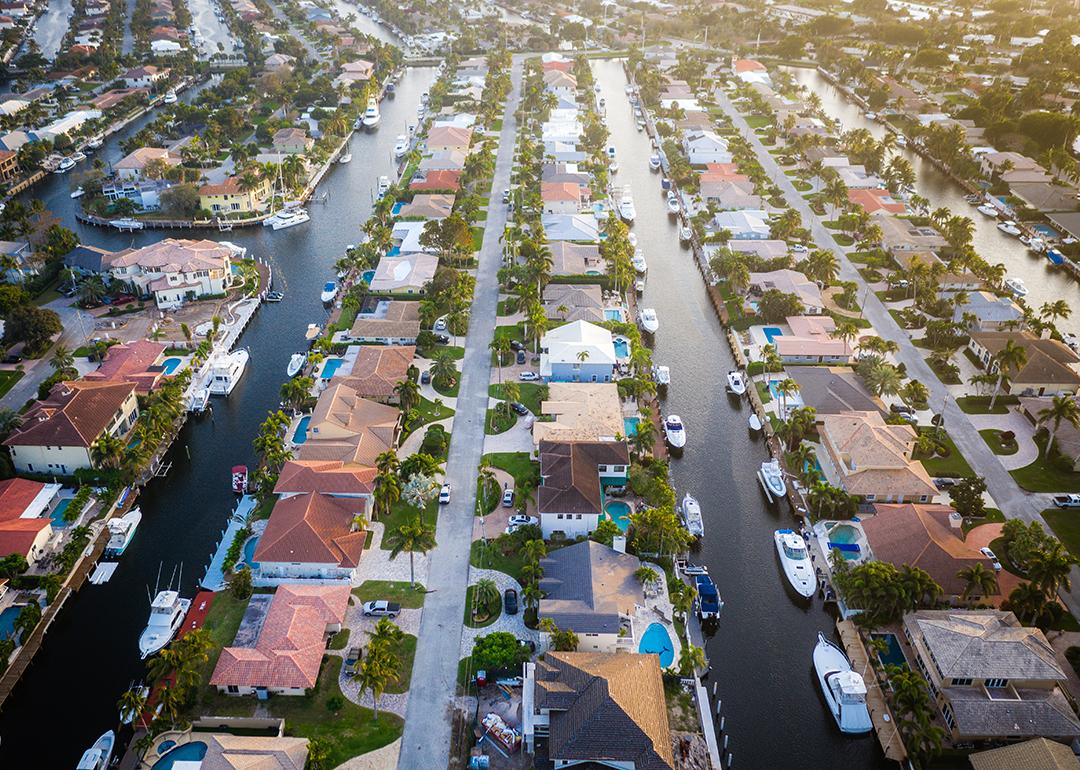
Sometimes dubbed the Venice of America, Fort Lauderdale averages 246 days of sunshine and offers miles of waterfront, including Atlantic beaches and boating canals.
- Pros: Easy access to beaches, including Fort Lauderdale Beach and Las Olas Beach; year-round sunshine; outdoor activities centered around Hugh Taylor Birch State Park; and a strong cultural, shopping, and dining scene, including NSU Art Museum and the Broward Center for the Performing Arts.
- Cons: Housing and rent costs above the national average; below-average healthcare outcomes; and crime rates that are higher than in many other communities in South Florida.
2. St. Augustine, St. Johns County, Florida
Quality of life: 70 | Healthcare: 17 | Housing: 42 | Cost of living: 57 | Crime: 74 | Tax: 64 | Climate: 84 | Total retirement score: 59
St. Augustine offers walkability, Atlantic beaches, a thriving downtown, and a strong history as the oldest European-established settlement in the continental United States.
- Pros: A historic downtown offering easy access to museums, shops, and restaurants along St. George Street; outdoor activities, including birdwatching, fishing, and beach-going at Anastasia State Park and St. Augustine Beach; and a humid subtropical climate with plenty of sunshine.
- Cons: A hurricane-prone region means insurance is expensive and flooding risks are high, while heavy tourism means historic areas are crowded for much of the year.
3. Quincy, Gadsden County, Florida
Quality of life: 41 | Healthcare: 61 | Housing: 63 | Cost of living: 80 | Crime: 61 | Tax: 65 | Climate: 80 | Total retirement score: 59
Quincy is a small city near Tallahassee with the feel of a classic old Florida town, an expansive historic district, and a diverse population that enjoys modest living expenses.
- Pros: Traditional small-town feel; a growing, diverse population; below-average cost of living; and a historic downtown including cultural attractions like the Gadsden Arts Center.
- Cons: Healthcare, retail, and restaurant options are more limited than in other cities, so driving to Tallahassee may be necessary; summer heat and humidity can be uncomfortable.
4. Cleveland, Cuyahoga County, Ohio
Quality of life: 53 | Healthcare: 43 | Housing: 61 | Cost of living: 79 | Crime: 78 | Tax: 48 | Climate: 68 | Total retirement score: 58
Cleveland’s location on the southern shore of Lake Erie offers lakefront neighborhoods with a relatively low cost of living, while the Cleveland Clinic and UH Cleveland Medical Center ensure there’s no shortage of top-notch medical care.
- Pros: Below-average cost of living; affordable housing; world-class healthcare; major cultural attractions, including the Cleveland Museum of Art and the Rock & Roll Hall of Fame; and outdoor lakefront recreational opportunities at Edgewater Park.
- Cons: Freezing and snowy winters; higher-than-average crime rates in some parts of the city; and more urban decay resulting from industrial decline than in many Sun Belt retirement destinations.
5. Little Rock, Pulaski County, Arkansas
Quality of life: 52 | Healthcare: 48 | Housing: 62 | Cost of living: 80 | Crime: 55 | Tax: 56 | Climate: 75 | Total retirement score: 58
More than just Arkansas’s capital, Little Rock offers an active downtown, an attractive riverfront, and an affordable cost of living for a mid-sized city.
- Pros: Plenty of restaurants and museums in the River Market District; below-average cost of living; quality healthcare options, including UAMS Medical Center; and opportunities for outdoor activity at Riverfront Park and along the Arkansas River.
- Cons: Sweltering summers with high humidity and many days above 90 degrees; above-average crime in some parts of the city; and low median incomes, which affect the tax base and public service funding.
6. Philadelphia, Philadelphia County, Pennsylvania
Quality of life: 46 | Healthcare: 52 | Housing: 59 | Cost of living: 85 | Crime: 69 | Tax: 53 | Climate: 71 | Total retirement score: 57
Philadelphia offers big-city amenities, is home to numerous historical sites, and boasts a regional rail network that makes car-free living possible.
- Pros: Revolution-era history; home to the Liberty Bell and Independence Hall; a strong public transit system; top-notch healthcare at Penn Medicine; professional sports teams; and plenty of culture, including fine-dining establishments and the Philadelphia Museum of Art.
- Cons: Expensive property and sales tax; cold winters; and high crime in some parts of the city.
7. Saint Paul, Ramsey County, Minnesota
Quality of life: 67 | Healthcare: 27 | Housing: 51 | Cost of living: 79 | Crime: 74 | Tax: 39 | Climate: 64 | Total retirement score: 57
Minnesota’s capital city of Saint Paul offers a robust park system, access to the cultural scene in the Twin Cities, and plenty of historic neighborhoods with tree-lined streets and affordable homes.
- Pros: Affordable home prices; below-average cost of living; large park system, including the Como Park complex; recreational activities like the Como Park Zoo & Conservatory, and access to the Twin Cities cultural scene.
- Cons: Long, cold, and snowy winters; higher crime rates in some parts of the city; higher taxes than most Sun Belt states, including taxes on Social Security for higher earners; and aging public infrastructure.
8. Milwaukee, Milwaukee County, Wisconsin
Quality of life: 54 | Healthcare: 45 | Housing: 55 | Cost of living: 87 | Crime: 72 | Tax: 42 | Climate: 66 | Total retirement score: 57
Milwaukee’s location on the western shore of Lake Michigan means retirees can enjoy waterfront property and plenty of outdoor activities, along with brewery tours and visits to cultural icons like the Milwaukee Art Museum.
- Pros: Recreational activities and community events, including Summerfest; access to decent healthcare options, including the highly ranked Aurora St. Luke’s Medical Center; and a below-average cost of living, especially for a major metro area.
- Cons: Cold and snowy winters, including lake-effect snow; higher property tax rates than other popular retirement areas; high crime rates and urban blight in some areas, characteristic of older industrial cities.
9. Miami, Miami-Dade County, Florida
Quality of life: 58 | Healthcare: 34 | Housing: 40 | Cost of living: 62 | Crime: 61 | Tax: 63 | Climate: 88 | Total retirement score: 57
Miami is best known for its famous shoreline and Latin-influenced culture, but it also offers a tropical climate, proximity to the Everglades, and plenty of opportunities for shopping and dining.
- Pros: Warm winters; world-famous neighborhoods and beaches; shopping and dining options along Ocean Drive and Lincoln Road; major sports teams, and easy access to renowned museums, including the Pérez Art Museum Miami (PAMM) and the Phillip and Patricia Frost Museum of Science.
- Cons: Expensive housing market with high price-to-rent ratios; significant risk of extreme weather events and damage due to rising sea levels; large tourist presence can cause crowds, especially during certain times of the year.
10. Armstrong County, Pennsylvania
Quality of life: 44 | Healthcare: 37 | Housing: 69 | Cost of living: 90 | Crime: 86 | Tax: 48 | Climate: 65 | Total retirement score: 57
Armstrong County offers the best of rural living, with low living costs, outdoor activities along the Allegheny and Kiskiminetas Rivers, and very affordable prices on housing and everyday essentials.
- Pros: Low housing costs and an extremely low cost of living, outdoor activities, including the Armstrong Trails, a 50-mile trail running along the Allegheny and Kiskiminetas Rivers, and very low crime.
- Cons: Few options for public transportation; may need to visit a larger city for medical specialists or to access more shopping and dining options than the rural location provides; cold and snowy winters can lead to icy driving conditions.
11. Dallas, Dallas County, Texas
Quality of life: 45 | Healthcare: 38 | Housing: 53 | Cost of living: 78 | Crime: 74 | Tax: 60 | Climate: 82 | Total retirement score: 57
Dallas boasts diverse neighborhoods, a strong economy, and big-city amenities while still providing a moderate cost of living.
- Pros: Vibrant art and culture scene, including the Dallas Museum of Art, the AT&T Performing Arts Center, and the Morton H. Meyerson Symphony Center; Katy Trail and White Rock Lake Park offer outdoor recreation; warm winters; and average housing costs but a low cost of living, and decent tax burden.
- Cons: Heavy traffic along major corridors; limited public transportation outside of core areas; and extreme heat in the summers, with temperatures sometimes topping 100 degrees.
12. Austin, Travis County, Texas
Quality of life: 56 | Healthcare: 24 | Housing: 43 | Cost of living: 69 | Crime: 72 | Tax: 62 | Climate: 86 | Total retirement score: 56
Austin offers all the amenities you’d expect from the capital of Texas, including a strong music culture and plenty of outdoor recreational activities.
- Pros: Vibrant food and cultural scene, including many live music venues; no state income tax; the University of Texas offers community engagement and educational opportunities; access to quality healthcare options but outcomes are mixed; and extensive opportunities for outdoor recreation at Barton Springs and Lady Bird Lake Trail.
- Cons: Rent, housing, and other costs of living are rapidly rising; high levels of traffic congestion; above-average property taxes; a large tourist presence that creates crowds; and very hot summers with days above 100 degrees, although winters are mild.
13. Pittsburgh, Allegheny County, Pennsylvania
Quality of life: 48 | Healthcare: 31 | Housing: 59 | Cost of living: 85 | Crime: 86 | Tax: 47 | Climate: 68 | Total retirement score: 56
Pittsburgh is a hilly city with historic neighborhoods, rich cultural attractions, and an extensive system of riverfront parks and trails.
- Pros: Below-average cost of living for a metro area; low housing costs; extensive park and riverfront trail system, including the Three Rivers Heritage Trail and Point State Park; Carnegie Museum, Heinz Hall, and other cultural activities; and a good public transportation system that includes buses and light rail.
- Cons: Hilly streets and an abundance of public staircases create mobility challenges; periodic air quality issues; above-average property taxes; economic inequality means some areas lack services; and cold winters with snowy, icy weather.
14. Killeen, Bell County, Texas
Quality of life: 35 | Healthcare: 40 | Housing: 57 | Cost of living: 87 | Crime: 81 | Tax: 61 | Climate: 85 | Total retirement score: 56
Killeen is best known for its proximity to Fort Hood and offers an easy drive to Austin and Waco while allowing retirees to live life at a slower pace.
- Pros: Lower housing costs and lower overall cost of living than other Texas metros; strong community built around Fort Hood; outdoor recreational activities nearby at Belton Lake and Stillhouse Hollow Lake; relatively mild winters; and proximity to Austin and Waco with easy freeway access.
- Cons: Fewer cultural opportunities and more limited entertainment options compared with larger cities; limited public transportation options; and local healthcare is limited.
15. Birmingham, Jefferson County, Alabama
Quality of life: 41 | Healthcare: 46 | Housing: 61 | Cost of living: 66 | Crime: 73 | Tax: 60 | Climate: 75 | Total retirement score: 56
Birmingham may be a historic city, but its revitalized downtown districts offer plenty of cultural attractions along with affordable housing.
- Pros: Below-average cost of living, including affordable housing; downtown redevelopment means many restaurants and stores are available around Uptown and Railroad Park; outdoor recreational opportunities at Ruffner Mountain and Red Mountain Park; and milder winters than many northern states.
- Cons: Summers are hot and humid with frequent storms; limited access to public transportation and many areas aren’t very walkable; infrastructure is aging in some areas, and inequality means some parts of the city lack services.
16. Baltimore, Baltimore City, Maryland
Quality of life: 44 | Healthcare: 58 | Housing: 65 | Cost of living: 69 | Crime: 64 | Tax: 43 | Climate: 73 | Total retirement score: 56
Baltimore’s museums and historic districts make it a favorite for those who prioritize cultural experiences, while its Inner Harbor offers scenic views and walkable waterfront areas.
- Pros: Historic waterfront and harbor areas provide recreational opportunities at Inner Harbor and Fell’s Point; professional sports teams; architectural character with historic row houses; cultural activities abound, including the Baltimore Museum of Art; world-class healthcare at Johns Hopkins Hospital and University of Maryland Medical Center; and excellent public transportation, including connections to Washington, D.C., and Philadelphia.
- Cons: Higher-than-average crime rates in certain parts of the city; rush hour traffic congestion is high; above-average property tax rates; aging infrastructure in some parts of the city; and cold winters with snowy and icy roads.
17. San Marcos, Caldwell County, Texas
Quality of life: 36 | Healthcare: 47 | Housing: 54 | Cost of living: 74 | Crime: 72 | Tax: 63 | Climate: 88 | Total retirement score: 56
Located along the San Marcos River, San Marcos offers a college-town feel as well as proximity to both Austin and San Antonio.
- Pros: Presence of Texas State University creates vibrant college-town feel; cost of living and housing expenses below those of nearby metros; mild winters but hot summers; easy access to both Austin and San Antonio; and plenty of outdoor recreational opportunities along the San Marcos River.
- Cons: Limited healthcare options; influx of students during the school year can cause congestion in certain areas; flooding risks along low-lying areas; and limited dining and entertainment options.
18. St. Petersburg, Pinellas County, Florida
Quality of life: 48 | Healthcare: 34 | Housing: 49 | Cost of living: 72 | Crime: 61 | Tax: 64 | Climate: 87 | Total retirement score: 56
St. Petersburg is home to some of the most popular Gulf beaches in Florida, and it also offers a walkable downtown and thriving arts scene.
- Pros: Abundant sunshine and warm winters; world-class beaches including Fort De Soto and St. Pete Beach; walkable downtown with dining and shopping options; vibrant arts scene including the Salvador Dali Museum; and an active retirement community with many events for seniors.
- Cons: High housing costs and very expensive homeowners’ insurance; limited public transit; flooding and hurricane risks; and crowds during many parts of the year due to tourist influx.
19. Fort Worth, Tarrant County, Texas
Quality of life: 42 | Healthcare: 35 | Housing: 52 | Cost of living: 76 | Crime: 74 | Tax: 60 | Climate: 83 | Total retirement score: 55
Fort Worth’s cost of living is lower than that of many metro areas, but it still offers big-city amenities, including the Kimbell Art Museum and the extensive Trinity Trails network for outdoor lovers.
- Pros: Strong Southwestern culture, including the Fort Worth stockyards; cost of living below that of many other large metros; many cultural opportunities like the Modern Art Museum and the Kimbell Art museum; DFW International Airport is very close by; and plenty of opportunities for outdoor activities, including through river walks on Trinity Trails.
- Cons: Above-average property taxes; limited public transportation and lots of traffic; air quality issues; and very hot summers with long heat waves and both tornado and thunderstorm risks.
20. Denver, Denver County, Colorado
Quality of life: 61 | Healthcare: 31 | Housing: 40 | Cost of living: 66 | Crime: 56 | Tax: 62 | Climate: 72 | Total retirement score: 55
Denver’s access to the Rocky Mountains is its claim to fame, while the city’s surprisingly mild climate makes the area ideal for outdoor lovers who want to explore its extensive parks and trail networks year-round.
- Pros: Proximity to the Rocky Mountains offers summer and winter recreational opportunities, including world-class skiing and hiking; the Denver Art Museum is the center of a vibrant arts and culture world; the climate is mild and sunny; decent public transportation options, including commuter and light rail lines; and access to top healthcare options like UCHealth University of Colorado Hospital, although overall healthcare outcomes are mixed.
- Cons: Housing costs have soared in recent years; snow and ice can make winter driving difficult, especially if traveling into the mountains; air quality can suffer due to seasonal wildfires; traffic congestion is high, especially during some parts of the year; and the high altitude can worsen cardiac or respiratory conditions.
21. Tampa, Hillsborough County, Florida
Quality of life: 47 | Healthcare: 33 | Housing: 48 | Cost of living: 69 | Crime: 61 | Tax: 63 | Climate: 86 | Total retirement score: 55
Tampa is known for warm, sunny weather, the Tampa Riverwalk, its pro sports teams, and its easy access to Gulf beaches.
- Pros: Waterfront recreational opportunities, including Riverwalk; access to nearby Gulf beaches; many dining and entertainment options, especially in Ybor City; a low cost of living; and no state income tax.
- Cons: Expensive housing and very high homeowners’ insurance costs; hurricane risk and flooding risks in many areas; crowds during tourist season, causing lots of traffic congestion; and hot, humid summers.
22. Palm Bay, Brevard County, Florida
Quality of life: 44 | Healthcare: 36 | Housing: 50 | Cost of living: 75 | Crime: 61 | Tax: 64 | Climate: 86 | Total retirement score: 55
Palm Bay provides a suburban lifestyle with less hustle and bustle than some Florida cities, but there’s still plenty to do, including beaches, nature preserves, and outdoor activities at the nearby Indian River Lagoon.
- Pros: Lower housing costs than in many other Florida metro areas plus a low overall cost of living; outdoor recreational activities including Turkey Creek Sanctuary, Indian River Lagoon, and nearby Atlantic beaches; suburban lifestyle; and mild winters.
- Cons: Not a walkable area and few public transportation options make retirees car dependent; limited cultural, dining, and entertainment venues within city limits; and intense heat and humidity during the summer months, although winters are very mild.
23. Lapeer, Lapeer County, Michigan
Quality of life: 43 | Healthcare: 32 | Housing: 54 | Cost of living: 80 | Crime: 76 | Tax: 66 | Climate: 66 | Total retirement score: 55
Lapeer is perfect for small-town lovers with beautiful architecture, plenty of outdoor amenities, including fishing lakes, Torzewski County Park, and a historic downtown that’s home to the Lapeer Heritage Museum.
- Pros: Cost of living below the national average; close to Flint and Detroit for many healthcare and recreational options; small-town living with community events like farmers’ markets; and low traffic congestion.
- Cons: Limited access to healthcare, dining, and retail within city limits; many homes are older; car-dependent areas without much public transportation; cold and snowy winters that are characteristic of central Michigan.
24. Lynchburg, Lynchburg City, Virginia
Quality of life: 43 | Healthcare: 35 | Housing: 58 | Cost of living: 84 | Crime: 85 | Tax: 39 | Climate: 72 | Total retirement score: 54
Lynchburg’s location at the foothills of the Blue Ridge Mountains makes the scenery unbelievable, especially when combined with its riverfront and historic downtown districts that ooze small-town charm.
- Pros: Affordable housing and cost of living below national averages; attractive area with hill-country landscapes and historic architecture; revitalized downtown with riverfront districts and dining opportunities; Liberty University and University of Lynchburg create a college-town feel.
- Cons: Limited options for public transportation; lacks the cultural and event venues characteristic of larger cities; specialized healthcare needs may require traveling to nearby Roanoke or Charlottesville; and walkability is limited by hilly terrain.
25. Lorain, Lorain County, Ohio
Quality of life: 43 | Healthcare: 37 | Housing: 57 | Cost of living: 79 | Crime: 78 | Tax: 52 | Climate: 68 | Total retirement score: 54
Located to the west of Cleveland, Lorain is a quiet lakefront community that provides beach and marina access as well as affordable housing options.
- Pros: Close to Cleveland for healthcare and other activities; affordable housing; below-average cost of living; access to Lake Erie’s beaches for boating, fishing, and recreation; community parks; and fun local attractions, including the Lorain Lighthouse.
- Cons: Few options for healthcare within city limits; older houses could require more maintenance and repairs; economic challenges may lead to limited services in some areas; limited dining and cultural attractions in town; and winters are cold and blustery.
Methodology
How The Motley Fool Identified the Best Places to Retire in America
Choosing where to retire is a deeply personal decision, but retirees consistently prioritize a few key needs: affordability, safety, access to healthcare, and quality of life.
The Motley Fool’s Best Places to Retire Index combines secondary data about each location with primary data on what retired Americans say matters most when picking where to live.
This hybrid approach creates a ranking that is both data-driven and human-centered – a methodology built by retirees for retirees.
Survey-Informed Weights
The Motley Fool surveyed 2,000 retired Americans aged 55 and above in December 2025 via Pollfish and employed a constant-sum approach (100 points), allowing respondents to clearly allocate points across the factors that mattered most to them when choosing a place to retire. Their average point allocations formed the weights given to scores for each retirement-location factor.
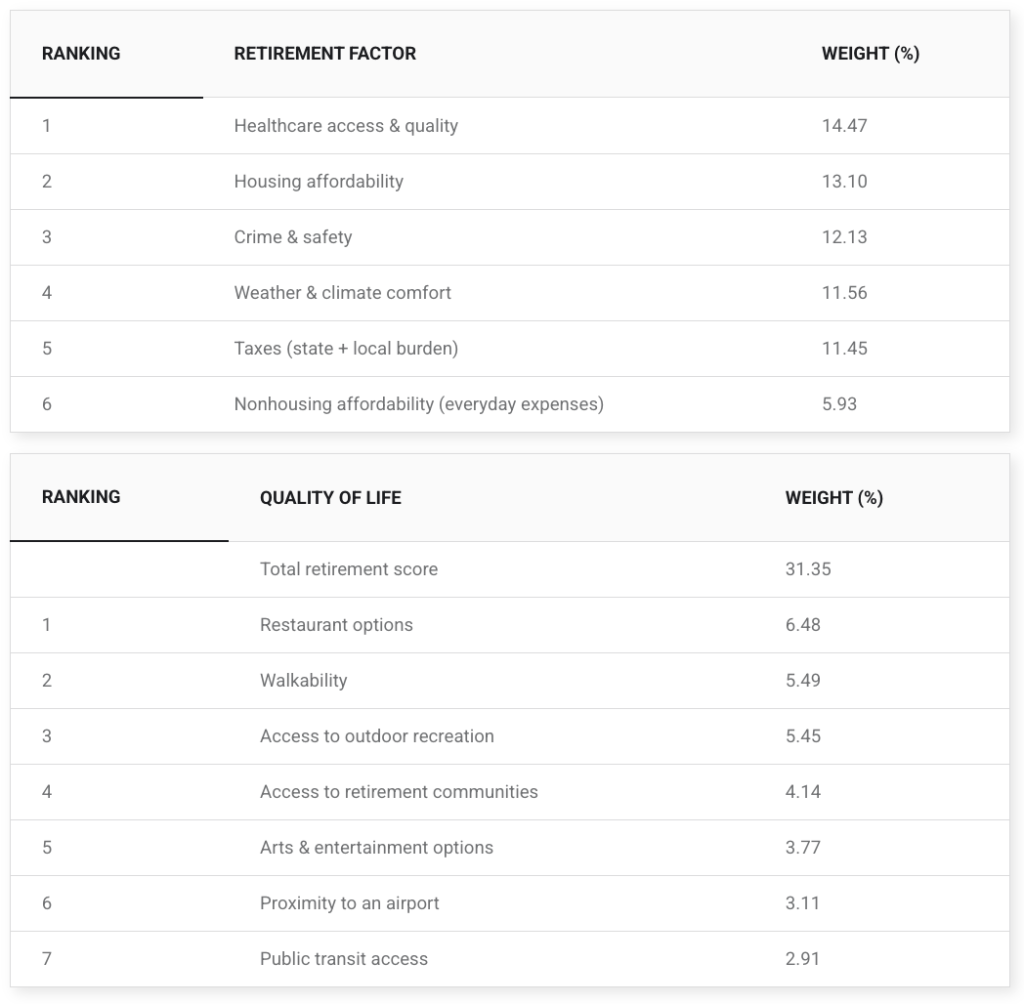
Final scores reflect what retirees value most, not what The Motley Fool assumes they value.
Survey Method Details
- Survey was conducted online on Dec. 2, 2025, via Pollfish.
- Survey respondents were U.S. retirees 55 years and older.
- Survey results were post-stratified to reflect nationally representative data based on age and gender.
- Pollfish employs organic random device engagement sampling, a statistical method that recruits respondents through a randomized invitation process across various digital platforms. This technique helps to minimize selection bias and ensure a diverse participant pool.
How Each Factor Was Scored
Scores were computed at both the county and state levels. All data were normalized on a min–max scale before applying survey weights.
Each factor below includes the justification readers care about most: why it matters to retirees.
Healthcare Access & Quality
Why it matters: Aging well requires reliable care, specialists, and strong healthcare outcomes. Healthcare outcomes measure whether people get healthier, live longer, and maintain a good quality of life.
Sources:
- University of Wisconsin County Health Rankings (local outcomes & access)
- United Health Foundation’s 2025 Senior Report (state-level system performance)
Housing Affordability
Why it matters: Home costs are the No. 1 expense in retirement and drive relocation decisions.
Source: Zillow Home Value Index (October 2025)
Counties with a housing affordability score below 35 were excluded.
Nonhousing Affordability
Why it matters: Day-to-day expenses – food, transportation, utilities – determine how far savings stretch.
Source: Economic Policy Institute Family Budget Calculator
Taxes
Why it matters: State and local tax burdens directly affect retirement income sustainability.
Sources:
- Tax Foundation (effective tax burden)
- EPI Family Budget Calculator (county-level effective rates)
Weather & Climate Comfort
Why it matters: Retirees seek comfortable climates that support year-round activity.
Source: NOAA NCEI temperature & precipitation averages (2020–2025)
Crime & Safety
Why it matters: Personal safety ranks as a top emotional and financial priority.
Source: FBI Crime Data Explorer – violent, property, and social offense rates
Quality-of-Life Components
Retirement isn’t only about saving money, it’s about living well.
The Motley Fool measured features that enable connection, mobility, recreation, and fulfilling lifestyles:
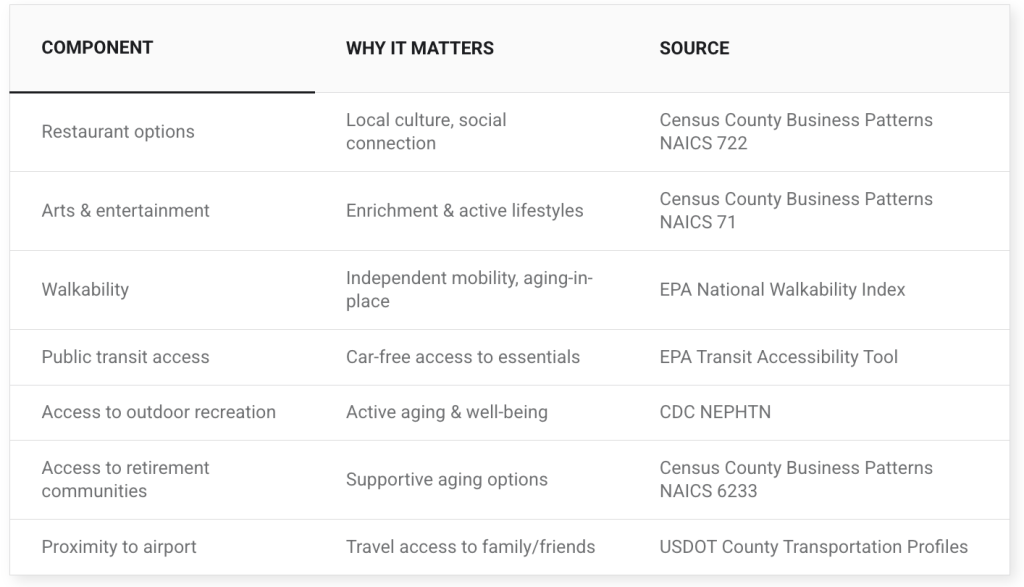
Data sets were spatially aligned to counties and aggregated to states when necessary for consistency and national comparison.
Counties with a quality-of-life score below 35 were excluded.
Counties with a population of less than 40,000 were excluded.
This story was produced by The Motley Fool and reviewed and distributed by Stacker.