Canva
1 / 5Student loan debt has declined since the start of the repayment pause
Federally owned student loans were first paused, and payments were suspended, in March 2020 as one of many government responses to the pandemic. The pause was subsequently extended numerous times by the Trump and Biden administrations well into 2023. Those pauses will end with certainty on August 31, with payments due once again beginning in October.
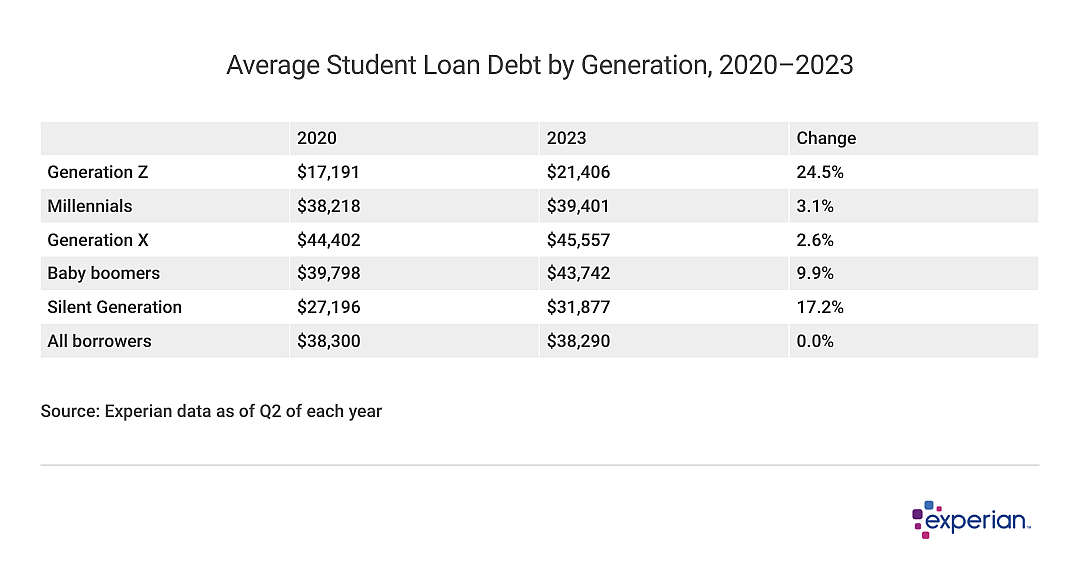
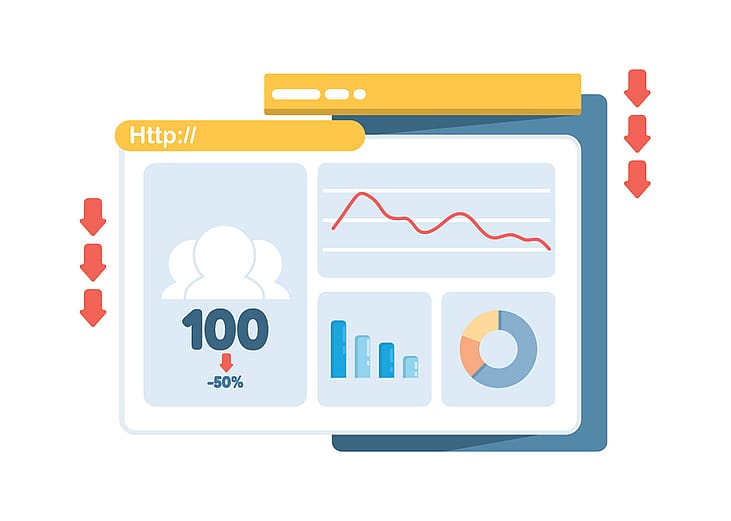
But during that time, according to Experian data, since the repayment pause began, total student loan debt has dropped by just over 10% from $1.544 trillion in March 2020 to $1.388 trillion as of June 2023, just days after the Supreme Court's decision to disallow the Biden administration's plan. (Note that these totals include both federal and some private student loans, though federal loans comprise the overwhelming majority of student loans.)
What accounts for the $157 billion net reduction in student loan debt, which, prior to 2020, had been increasing with predictability for the past 20 years? It's a mix of various administrative remedies, as well as initiative by some borrowers:
- Loan forgiveness programs: Solutions include the Public Student Loan Forgiveness (PSLF) program, which has eliminated over $42 billion in loans for more than 600,000 borrowers.
- Government action on for-profit college student loans: More than 1.3 million students who attended some educational institutions may have as much as $22 billion relieved as settlements between the Department of Education and those institutions are finalized. The loan relief is based on misleading information provided by those schools to students.
- Continued payments: Even though they weren't required to make payments, some borrowers paid down their student loan debt during the pause anyway. As many as 9 million borrowers were making payments at some point during the pause.
- Re-accounting of payments previously made by borrowers: Although it's not yet apparent in the data, an additional $39 billion of student loans is set to be forgiven in the coming months, as the Department of Education has determined that some borrowers had already made sufficient loan repayments toward their loans that weren't properly captured by loan servicers and other entities during the life of the loan.
Meanwhile, some student loans that weren't part of the loan payment pause, such as private loans, continued to accrue interest. And recent graduates, although not yet making payments, will now have their own student loan balances to attend to shortly. Both add to overall student loan debt, even as others have had loans forgiven and still others paid down their loans.
But starting September 1, interest on federally owned student loan balances will once again begin to accrue. This resumption will end the 42-month pause on interest being assessed on what was more than $1.5 trillion in federally owned student loan debt when the pause began.
There's more potential relief to come for other student loan borrowers, however. A new income-based repayment plan, known as the Saving on a Valuable Education, or SAVE, plan, intends to lower or eliminate minimum monthly payments depending on the borrower's current annual income.