
When a well-built content engine hits its ceiling
Intuit QuickBooks already had the machine most brands are still building. An in-house SEO team. Active social channels. A paid native-advertising platform. By any traditional measure, their content was getting found.
AI search changed the scoreboard. When a small business owner asks ChatGPT or Perplexity how to handle overdue invoices, the answer draws on sources the model trusts. Owned channels and paid placements only go so far in earning that trust.
So QuickBooks added a new lever. Since April 2026, the team has distributed 17 stories through Stacker's network, earning 3,920+ publisher pickups, roughly 272,700 views and a 223% average citation lift in AI-generated answers. Stacker defines citation lift as the increase in citations that a brand gains as a result of earned media distribution. It's calculated by comparing a brand's total presence with the number of citations the brand earned across Stacker's network.
Here's how it came together, and what other brands can take from it.
The challenge: reach past the audience you already own
QuickBooks had two goals. First, reach readers beyond the audiences its existing channels already covered. Second, show up consistently enough to build lasting authority in AI search responses.
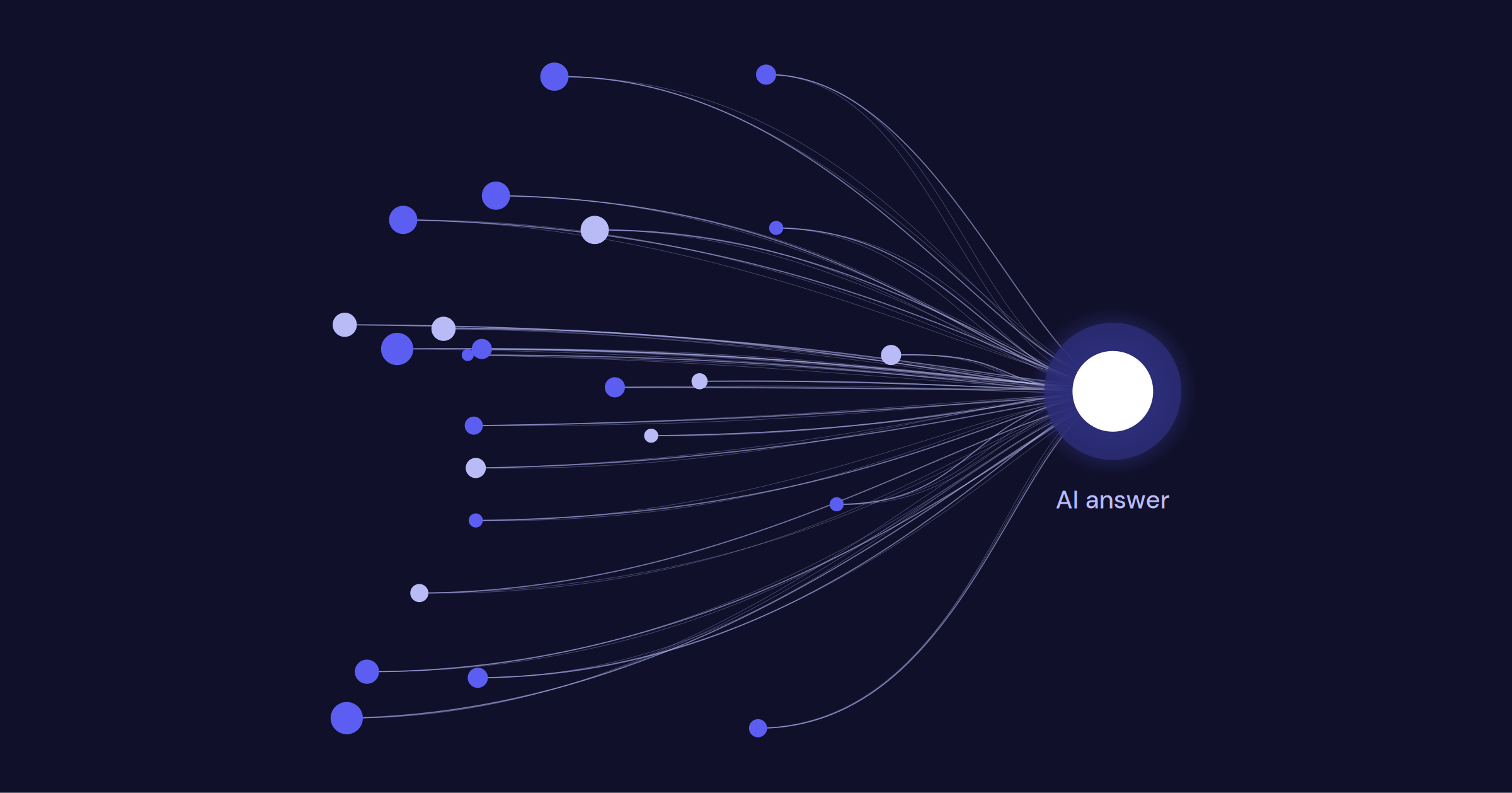
The second goal is the harder one. AI models favor sources that appear across many credible outlets. While a single article on a brand's own blog is a useful signal, the same story republished by dozens of trusted local and national publishers is a pattern a model learns to cite.
"With how rapidly GEO is evolving, we wanted multiple levers to pull," Erica Chappell, Content Amplification Lead at Intuit QuickBooks, said.
The approach: earned distribution as a top-of-funnel channel
QuickBooks isn't the only Intuit brand to work with Stacker. TurboTax and Credit Karma came first, which gave the team a proven model to follow.
Three choices shaped the program:
- Lead with proprietary research. QuickBooks built stories on its own data about small business life, from cash flow pressure to community support. Original data gives editors a reason to publish and AI models a reason to cite.
- Scale past paid. Stacker ran as a top-of-funnel channel alongside QuickBooks' paid native placements. Earned pickups extended reach beyond their paid efforts.
- Plug into existing measurement. Stacker's API connected directly to Intuit's GEO performance dashboard. Pickup and citation data flowed in automatically, with no manual reporting.
That last point matters more than it sounds. With something as novel as GEO, communicating impact upwards and into systems or dashboards that already exist is immensely important.
The results: a majority voice in AI answers
Seventeen stories produced 3,920+ pickups that broke down to about $8 per pickup, per QuickBooks' calculations. Nine of those stories have matured enough for full GEO tracking, and their numbers show what earned distribution does for AI visibility.
| Metric | Result |
|---|---|
| Stories distributed | 17 |
| Publisher pickups | 3,920+ |
| Estimated views | 272,700 |
| Cost per pickup | $8 |
| Share of voice vs. tracked competitive set | 56% |
| Average citation lift | 223% |
| Average response presence rate | 31% |
Share of voice is measured against QuickBooks' tracked competitive set. It shows how often QuickBooks appears in AI answers relative to those competitors.
Two stories stand out.
-
"7 ways small businesses can support the LGBTQ+ community year-round" hit a 79% share of voice against its tracked competitive set and a 726% citation lift. An evergreen, values-driven topic gave AI models a clear, credible source to return to.
-
"Report finds more small businesses are carrying overdue invoices than last year" reached a 62% response presence rate with a 32% citation lift. Timely research on a real pain point put QuickBooks in the answer for the questions its customers ask most.
Chappell summed up the impact: "Bringing on Stacker is making a bigger impact than anticipated." She called the decision "a no-brainer" and said it "broadened the horizons as far as what actually works for GEO content."
The results earned a next step. Intuit has expanded the program to the Intuit Business Credit Card product line.
What brand marketers can take from this
- AI visibility is a distribution problem. Models cite what appears widely across trusted outlets. Publishing on your own site is step one. Earning placement across a publisher network is what compounds.
- Your research is your best GEO asset. Both top performers were built on data QuickBooks owned or were topics its audience cares about year-round. Original insight travels further and gets cited longer.
- Evergreen and timely both work, in different ways. The evergreen story won share of voice. The timely report won response presence. A balanced calendar captures both.
- Measure GEO where leadership already looks. Piping results into existing dashboards turned a new channel into a line item worth expanding.
- Give stories time to mature. Only nine of 17 stories had full GEO data at reporting time. Citation gains build as pickups accumulate, so judge the program on a sustained run.
Read the full case study for yourself here.
Benjamin Chipman is a GenZ brand and content marketer at the intersection of media and storytelling. Informed by his experiences across the creator economy and the TODAY Show, Benjamin has a unique perspective about where traditional and new media converge. Passionate about where brands come together with culture and community, he brings this to all things brand and content at Stacker.